Understanding vitamin d or d3 for hair loss is essential for anyone noticing increased shedding or thinning strands. While many focus on topical treatments, the role of internal nutrients—especially vitamin D—has gained scientific attention. This article breaks down the biology, deficiency signs, optimal sources, and how integrative care can amplify results.
Hair loss affects up to 50 % of men and women at some point in their lives, and a growing number of patients report that lifestyle and nutrition play a pivotal role. Among the vitamins linked to hair health, vitamin D stands out for its unique influence on follicle cycling. Recent studies suggest that up to 30 % of individuals with unexplained hair thinning have low vitamin D levels.
We will explore the mechanisms behind vitamin D’s effect on hair follicles, identify deficiency symptoms, recommend foods and supplements, and discuss how Gold City Medical Center incorporates vitamin D into personalized hair restoration plans. By the end, you’ll have a clear roadmap for using vitamin D and D3 as part of a comprehensive strategy to combat hair loss.
The Science Behind Vitamin D and Hair Growth
Vitamin D, a fat‑soluble nutrient, functions as a hormone that regulates cell growth and immune response. In the scalp, it interacts with the vitamin D receptor (VDR) located in hair follicle stem cells, influencing the transition from the resting (telogen) phase to the growth (anagen) phase. When VDR activity is optimal, follicles are more likely to produce robust, healthy hair shafts.
What Vitamin D Does for Follicles
- Promotes proliferation of keratinocytes, the primary cells that form hair shafts.
- Modulates inflammatory pathways that can otherwise damage follicular structures.
- Supports calcium balance, which is crucial for the structural integrity of hair fibers.
Research comparing vitamin D2 (ergocalciferol) and vitamin D3 (cholecalciferol) shows that D3 is more effective at raising serum levels, making it the preferred form for supplementation. The table below highlights key differences:
| Aspect | Vitamin D2 | Vitamin D3 |
|---|---|---|
| Source | Plant‑based (fungi) | Animal‑derived (lanolin, fish oil) |
| Potency | Lower | Higher |
| Half‑life | ≈15 days | ≈30 days |
| Effect on Hair | Modest | Stronger follicle activation |
Because of these advantages, many clinicians recommend vitamin D3 when addressing vitamin d or d3 for hair loss. Nonetheless, the appropriate dosage depends on individual serum levels, age, and overall health.
When Deficiency Leads to Hair Loss
Low levels of vitamin D are increasingly recognized as a contributor to hair shedding. A deficiency can disrupt the VDR signaling pathway, prolonging the telogen phase and resulting in noticeable thinning. Common indicators of vitamin D deficiency include fatigue, bone pain, and mood changes, but skin and hair symptoms are often the first visible signs for many patients.
Key symptoms linked to insufficient vitamin D that may precede hair loss include:
- Diffuse thinning across the scalp rather than localized patches.
- Increased hair shedding during washing or brushing.
- Scalp dryness or slight flaking, sometimes mistaken for dandruff.
Laboratory testing can confirm deficiency, typically defined as serum 25‑hydroxyvitamin D levels below 20 ng/mL. Studies have shown that correcting these levels can reverse telogen‑effluvium in up to 70 % of cases, especially when combined with proper scalp care.
For individuals exploring vitamin d or d3 for hair loss, addressing the deficiency is often the first therapeutic step before considering more invasive options such as hair transplantation.
Best Sources and Supplement Strategies
Ensuring adequate intake of vitamin D can be achieved through diet, sunlight exposure, and targeted supplementation. While sunlight remains a natural source, many people—especially those living in higher latitudes—require dietary or supplemental vitamin D to meet their needs.
Top dietary sources of vitamin D include:
- Fatty fish such as salmon, mackerel, and sardines.
- Fortified dairy products like milk, yogurt, and cheese.
- Egg yolks and cod liver oil.
- Mushrooms exposed to UV light.
When diet alone falls short, supplements become essential. The following table outlines typical dosage recommendations for adults seeking to improve hair health, based on serum levels:
| Serum Level (ng/mL) | Suggested Daily Dose | Notes |
|---|---|---|
| <20 (deficient) | 2000–5000 IU | Start with higher dose, re‑test after 8 weeks. |
| 20–30 (insufficient) | 1000–2000 IU | Maintain to reach optimal range. |
| >30 (sufficient) | 600–800 IU | Standard maintenance dose. |
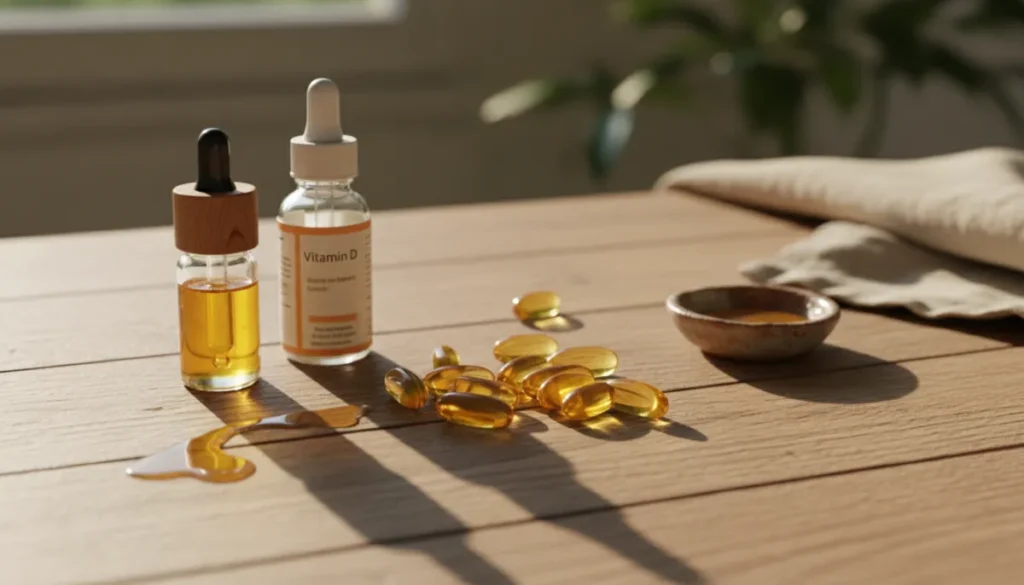
Choosing vitamin D3 over D2, and opting for a high‑quality, third‑party‑tested product, maximizes absorption. For those with malabsorption issues, liquid drops or sublingual tablets may be more effective.
Integrating these strategies with the goal of vitamin d or d3 for hair loss offers a practical, evidence‑based pathway to healthier follicles.
Combining Vitamin D with Clinical Hair Restoration
While vitamin D supplementation can address nutritional gaps, many patients benefit from a combined approach that includes professional hair restoration techniques. Gold City Medical Center offers a suite of integrative services, ranging from PRP (platelet‑rich plasma) therapy to advanced hair transplantation.
When vitamin D levels are optimized, the scalp environment becomes more receptive to these procedures. For example:
- PRP therapy relies on robust follicle activity; adequate vitamin D enhances platelet function and tissue regeneration.
- Follicular unit extraction (FUE) outcomes improve when the donor area has sufficient nutrient support, reducing post‑operative shedding.
- Low‑level laser therapy (LLLT) synergizes with vitamin D’s role in cellular metabolism, amplifying hair shaft production.
Our specialists assess serum vitamin D as part of the pre‑procedure work‑up. If a deficiency is detected, a tailored supplementation plan is initiated alongside the chosen hair restoration method. This coordinated strategy not only maximizes graft survival but also supports long‑term maintenance of newly grown hair.
Patients who pursue vitamin d or d3 for hair loss in conjunction with surgical or non‑surgical treatments often report faster recovery, reduced inflammation, and more durable results.
Monitoring Results and Knowing When to Seek Professional Help
Tracking progress is vital to determine whether vitamin D alone is sufficient or if additional interventions are required. Typical timelines for observing visible changes range from 3 to 6 months of consistent supplementation.
Key indicators of successful response include:
- Reduced daily hair shedding, measured by the “pull test” or visual inspection.
- Increased hair density, especially in previously thinning zones.
- Improved scalp health, with less dryness and fewer flaking patches.
If after six months there is minimal improvement, consider the following steps:
- Re‑evaluate serum vitamin D levels; a second deficiency may persist.
- Assess for other nutrient gaps, such as iron or zinc, which also affect hair.
- Consult a dermatologist or hair restoration specialist to explore adjunct therapies.
Gold City Medical Center provides comprehensive follow‑up appointments, where we review blood work, scalp examinations, and patient‑reported outcomes. This ensures that individuals pursuing vitamin d or d3 for hair loss receive personalized guidance and timely adjustments to their treatment plan.
Why Choose Gold City Medical Center
Gold City Medical Center combines cutting‑edge medical expertise with a holistic approach to hair health. Our team of certified dermatologists, trichologists, and aesthetic specialists collaborates to deliver tailored solutions that address both the underlying nutritional factors and the visible signs of hair loss. With state‑of‑the‑art facilities and a commitment to evidence‑based care, we empower patients to achieve sustainable, natural‑looking results.
Ready to restore your confidence and revitalize your hair? Contact Gold City Medical Center today to schedule a personalized consultation and discover how vitamin D therapy can become a cornerstone of your hair‑restoration journey.
Take the first step toward thicker, healthier hair—book your appointment now.
FAQ
Wat is de rol van vitamine D in haargroei?
Vitamin D acts as a hormone that binds to receptors in hair follicle stem cells, helping to shift follicles from the resting (telogen) phase to the growth (anagen) phase.
How does vitamin D deficiency cause hair loss?
A deficiency disrupts VDR signaling, prolonging the telogen phase and leading to diffuse thinning, increased shedding, and scalp dryness.
Which foods are the best sources of vitamin D for hair health?
Fatty fish, fortified dairy, egg yolks, cod liver oil, and UV‑exposed mushrooms provide the highest dietary vitamin D.
What dosage of vitamin D3 is recommended for hair loss?
Typical adult dosing ranges from 1,000 IU for insufficient levels to 2,000–5,000 IU for deficiency, adjusted after blood testing.
How does vitamin D supplementation complement hair restoration procedures like PRP or hair transplantation?
Optimized vitamin D improves follicle activity, platelet function, and tissue regeneration, enhancing the success of PRP, FUE transplants, and laser therapy.
How long does it take to see results from vitamin D supplementation for hair loss?
Visible improvements usually appear after 3 to 6 months of consistent supplementation.
When should I consult a specialist if vitamin D alone isn’t improving my hair?
If after six months there is minimal change, re‑evaluate vitamin D levels and seek a dermatologist or hair‑restoration specialist for additional treatment options.





