Breathing techniques are simple yet powerful tools that can transform your physical and mental well‑being. By consciously controlling the breath, you tap into the body’s autonomic nervous system, promoting relaxation, enhancing oxygen delivery, and supporting overall health.
In today’s fast‑paced world, many people experience chronic stress, anxiety, or sleep disturbances. Studies show that regular practice of structured breathing can reduce cortisol levels by up to 30 % and improve heart‑rate variability, markers of a resilient nervous system. Whether you seek calmer moments during a busy workday or deeper recovery after intense exercise, mastering these methods offers a practical, drug‑free solution.
This article explores the most effective breathing techniques, explains how they influence anxiety, cardiovascular health, and daily energy, and provides step‑by‑step exercises you can integrate into your routine. By the end, you’ll have a toolbox of evidence‑based practices ready to support a healthier, more balanced lifestyle.
Understanding Different Breathing Techniques
Breathing techniques encompass a wide range of structured patterns that vary in rhythm, depth, and duration. While the underlying principle is the same—using controlled inhalation and exhalation to influence physiological responses—each method targets specific outcomes such as stress reduction, lung capacity improvement, or immune modulation.
Box Breathing
Box breathing, also known as four‑square breathing, follows a simple four‑step cycle: inhale for four counts, hold for four, exhale for four, and hold again for four. This symmetrical pattern stabilizes the heart‑rate and is popular among athletes and first responders for rapid calming.
4‑7‑8 Breathing
The 4‑7‑8 method, championed by Dr. Andrew Weil, emphasizes a longer exhalation: inhale for four seconds, hold for seven, and exhale slowly for eight. The extended out‑breath activates the parasympathetic nervous system, making it ideal for bedtime routines.
Diafragmatische ademhaling
Also called abdominal or belly breathing, diaphragmatic breathing encourages deep inhalation that expands the diaphragm rather than the chest. This technique maximizes lung volume, improves oxygen exchange, and lowers blood pressure when practiced regularly.
- Box Breathing – 4‑4‑4‑4 pattern
- 4‑7‑8 Breathing – 4‑7‑8 pattern
- Diaphragmatic Breathing – deep belly expansion
- Wim Hof Breathing – rhythmic hyperventilation followed by breath holds
- Pursed‑Lip Breathing – slow exhale through pursed lips
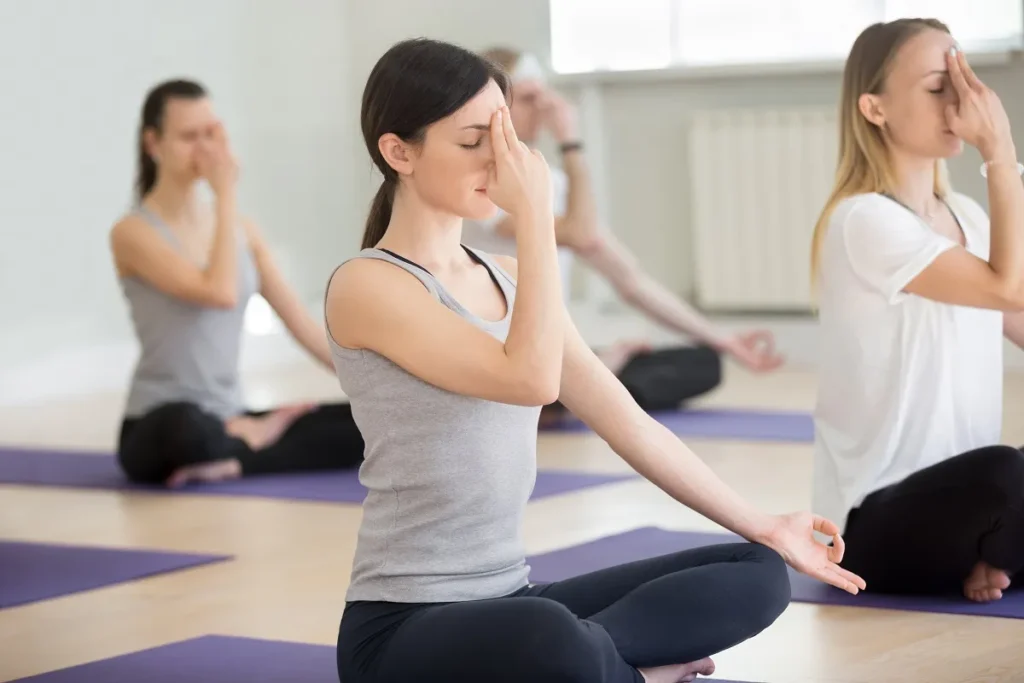
How Breathing Techniques Reduce Anxiety and Stress
Stress and anxiety trigger the “fight‑or‑flight” response, flooding the body with adrenaline and cortisol. Targeted breathing exercises counteract this surge by stimulating the vagus nerve, which signals the brain to relax. Research indicates that a single 10‑minute session of deep breathing can lower self‑reported anxiety scores by up to 25 %.
Among the most popular interventions are deep breathing exercises such as diaphragmatic breathing and pursed‑lip breathing. Diaphragmatic breathing encourages full oxygenation of the blood, while pursed‑lip breathing creates gentle resistance that prolongs exhalation, both fostering a sense of calm.
For individuals prone to panic attacks, a rapid yet structured approach like the “5‑5‑5” technique—inhale for five seconds, hold for five, exhale for five—offers an immediate grounding tool. Coupled with mindfulness, these methods can become a daily habit that reduces overall stress reactivity.
| Technique | Primary Benefit | Typical Duration |
|---|---|---|
| Box Breathing | Quick stress relief | 5‑10 minutes |
| 4‑7‑8 Breathing | Improved sleep onset | 3‑5 cycles before bed |
| Diafragmatische ademhaling | Reduced anxiety levels | 10‑15 minutes daily |
| Pursed‑Lip Breathing | Calm during panic episodes | As needed |
Breathing Techniques for Cardiovascular Health
Heart health benefits from breath work are often overlooked. Controlled breathing can lower systolic blood pressure, improve endothelial function, and increase heart‑rate variability—key indicators of cardiovascular resilience. Among the most studied methods is the Wim Hof breathing protocol, which combines rhythmic hyperventilation with breath holds to boost oxygen saturation and stimulate the autonomic nervous system.
Another evidence‑based approach is pursed‑lip breathing, frequently prescribed for patients with chronic obstructive pulmonary disease (COPD) but equally effective for anyone seeking smoother blood flow. By extending the exhalation phase, it reduces airway collapse and promotes steady circulation.
Integrating these techniques into a regular routine—such as a morning 5‑minute session—can complement medical treatments for hypertension or arrhythmia, offering a non‑pharmacological adjunct that empowers patients to take an active role in their heart health.
| Technique | Impact on Blood Pressure | Recommended Frequency |
|---|---|---|
| Wim Hof Breathing | Potential reduction of 5‑10 mmHg | 3 cycles daily |
| Pursed‑Lip Breathing | Steady decrease in systolic pressure | 2‑3 minutes, twice daily |
| Diafragmatische ademhaling | Improves heart‑rate variability | 10 minutes, once daily |
Practical Breathing Exercises for Daily Use
To make breath work a habit, choose exercises that fit your schedule and goals. Below are five straightforward practices you can perform at your desk, before sleep, or during a short break.
- Box Breathing (4‑4‑4‑4): Sit upright, inhale through the nose for four counts, hold for four, exhale through the mouth for four, and hold again for four. Repeat for five cycles.
- 4‑7‑8 Breathing: Inhale quietly through the nose for four seconds, hold the breath for seven seconds, then exhale slowly through the mouth for eight seconds. Perform three rounds before bedtime.
- Diafragmatische ademhaling: Place one hand on the chest and the other on the belly. Breathe in deeply through the nose, feeling the belly rise while the chest stays relatively still. Exhale slowly, feeling the belly fall. Continue for ten breaths.
- Pursed‑Lip Breathing: Inhale through the nose for two counts, then exhale through pursed lips for four counts, creating a gentle resistance. Use this during moments of anxiety or after light exercise.
- Wim Hof Breathing: Perform 30 rapid inhales and exhales (short, forceful breaths) followed by a breath hold after the final exhale. Hold for as long as comfortable, then resume normal breathing. Start with one round daily.
Consistency is key. Even a few minutes each day can reshape your stress response, improve focus, and enhance overall vitality.
Integrating Breathing Techniques into a Wellness Routine
For lasting impact, embed breath work into broader health habits such as nutrition, movement, and sleep hygiene. Pairing breathing with other modalities—like yoga, meditation, or light cardio—creates synergistic effects that amplify each practice’s benefits.
Below is a sample weekly schedule that balances work, exercise, and dedicated breath sessions. Adjust the timing to match your personal commitments.
| Day | Morning Routine | Midday Break | Evening Routine |
|---|---|---|---|
| Monday | 4‑7‑8 Breathing (3 mins) | Box Breathing (5 mins) | Diaphragmatic Breathing (10 mins) |
| Tuesday | Wim Hof Breathing (5 mins) | Pursed‑Lip Breathing (2 mins) | 4‑7‑8 Breathing (3 mins) |
| Wednesday | Diaphragmatic Breathing (10 mins) | Box Breathing (5 mins) | Wim Hof Breathing (5 mins) |
| Thursday | 4‑7‑8 Breathing (3 mins) | Pursed‑Lip Breathing (2 mins) | Diaphragmatic Breathing (10 mins) |
| Friday | Box Breathing (5 mins) | Wim Hof Breathing (5 mins) | 4‑7‑8 Breathing (3 mins) |
Track your progress in a simple journal: note the technique used, duration, and any changes in mood, sleep quality, or physical sensations. Over weeks, you’ll notice measurable improvements in stress resilience and overall vitality.
Why Choose Gold City Medical Center
Gold City Medical Center combines integrative medicine with cutting‑edge wellness strategies, offering personalized guidance on breath work alongside its comprehensive medical, cosmetic, and hair‑restoration services. Our team of clinicians and wellness experts tailors breathing programs to each client’s health profile, ensuring safe and effective practice.
By choosing Gold City Medical Center, you gain access to evidence‑based protocols, ongoing support, and a holistic environment that nurtures both body and mind. Whether you’re managing anxiety, enhancing cardiovascular health, or simply seeking greater calm, our experts are ready to help you integrate breathing techniques into a sustainable health plan.
Ready to experience the calming power of breath work? Contact Gold City Medical Center today to schedule a personalized consultation and start your journey toward greater well‑being.
FAQ
What are the benefits of breathing techniques for stress reduction?
Breathing techniques lower cortisol, calm the nervous system, and can reduce anxiety scores by up to 25 % after a single session.
How does the 4‑7‑8 breathing method improve sleep?
The 4‑7‑8 pattern lengthens the exhalation, stimulating the parasympathetic system and helping the body transition to sleep more easily.
What is box breathing and when should I use it?
Box breathing follows a 4‑4‑4‑4 rhythm and is useful for rapid stress relief, especially during high‑pressure situations.
Can breathing exercises help lower blood pressure?
Yes, techniques like Wim Hof and pursed‑lip breathing have been shown to modestly reduce systolic blood pressure.
How often should I practice diaphragmatic breathing for anxiety?
A daily session of 10‑15 minutes is recommended to see noticeable reductions in anxiety levels.
What is the Wim Hof breathing protocol and its health effects?
Wim Hof breathing combines rapid inhalations with breath holds to boost oxygen saturation and stimulate the autonomic nervous system.





