The rash on stomach is a frequent concern that can signal anything from a harmless irritation to an underlying medical condition. In this article we explore the most common triggers, how to differentiate between benign and serious presentations, and what treatment paths are available at Gold City Medical Center. According to dermatology surveys, nearly 30 % of adults experience at least one episode of abdominal skin irritation each year, making awareness essential for timely care.
We will break down the science behind skin inflammation, outline the diagnostic steps you can expect during a consultation, and provide practical home‑care tips that complement professional treatment. Whether the rash appears as red dots, itchy bumps, or a widespread patch, understanding its origin empowers you to act confidently and reduce discomfort.
Read on to discover why a rash on stomach may develop, what symptoms demand urgent attention, and how an integrative approach can restore healthy skin.
Common Causes of a Stomach Rash
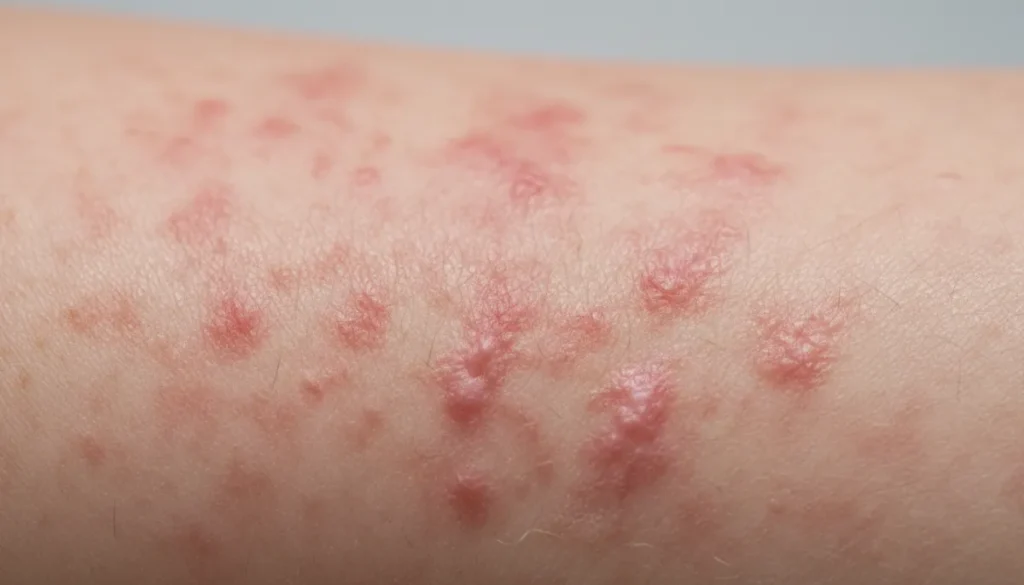
Several factors can provoke a rash on stomach. The most prevalent are:
- Dermatitis – an inflammation that may be contact‑related (contact dermatitis) or triggered by an allergic reaction.
- Heat rash (miliaria) – sweat ducts become blocked, especially in hot, humid environments.
- Intertrigo disease – friction and moisture between skin folds, often worsened by obesity or tight clothing.
- Infections – bacterial (e.g., Staphylococcus), fungal (Candida), or viral (herpes zoster) agents.
- Systemic allergies – food, medication, or environmental allergens that manifest as allergic skin eruptions.
Understanding the trigger helps clinicians tailor treatment. For example, an allergic reaction rash typically responds to antihistamines, whereas an infectious cause may require antibiotics or antifungal creams.
Other less common contributors include:
- Autoimmune conditions such as psoriasis or lupus.
- Hormonal changes during pregnancy or menstrual cycles.
- Stress‑induced flare‑ups, which can exacerbate existing skin sensitivities.
Identifying whether the rash presents as red dots, red patches, or itchy bumps can narrow the differential diagnosis and guide the next steps.
Recognizing Symptoms and When to Seek Care
Not all rashes require urgent medical attention, but certain warning signs merit prompt evaluation. Look for the following indicators:
| Symptom | Possible Significance |
|---|---|
| Rapid spreading of red spots | Potential infection or severe allergic reaction |
| Severe itching or burning | Possible dermatitis or intertrigo |
| Fever, chills, or malaise | Systemic involvement, may need labs |
| Blisters, pus, or crusting | Secondary infection or viral etiology |
| Painful swelling | Underlying cellulitis |
If you notice any of these, schedule an appointment within 24–48 hours. Vulnerable groups—pregnant individuals, infants, and people with compromised immune systems—should seek care even for milder presentations.
Typical skin rash symptoms include:
- Red dots or patches that may coalesce.
- Itchy bumps resembling mosquito bites but persisting.
- Dry patches that flake or crack.
- Sensation of tightness or burning, especially after sweating.
Documenting the rash’s evolution (duration, changes in color, associated sensations) helps the clinician construct an accurate history and avoid misdiagnosis.
Diagnostic Approach and Tests
When the cause is not immediately apparent, a systematic diagnostic work‑up is essential. The typical steps include:
- Clinical examination – visual inspection, palpation, and assessment of distribution.
- Patient history – recent medication changes, new foods, travel, or exposure to irritants.
- Patch testing – identifies specific allergens responsible for contact dermatitis.
- Skin scraping or swab – evaluates for fungal or bacterial organisms.
- Biopsy (if needed) – histopathology helps differentiate between eczema, psoriasis, or autoimmune rash.
Laboratory tests such as a complete blood count (CBC) or eosinophil count can reveal allergic or infectious processes. In cases where a systemic disease is suspected, additional blood panels (autoimmune markers, liver function) may be ordered.
Advanced imaging is rarely required for a rash, but if there is suspicion of deeper tissue involvement, an ultrasound or MRI can be considered to rule out cellulitis or abscess formation.
Treatment Options and Home Care Strategies
Treatment is guided by the underlying cause. Below is a concise comparison of common therapeutic approaches.
| Condition | First‑Line Treatment | Adjunct Home Care |
|---|---|---|
| Contact dermatitis | Topical corticosteroid (e.g., hydrocortisone 1 %) | Cool compresses, avoid irritant, moisturize |
| Heat rash | Cooling gels, antihistamine if itching | Stay in a cool environment, breathable clothing |
| Intertrigo | Antifungal cream (clotrimazole) + barrier ointment | Keep area dry, lose weight if applicable |
| Fungal infection | Systemic or topical antifungal agents | Maintain hygiene, avoid tight garments |
| Allergic eruption | Oral antihistamines, short course steroids | Identify and eliminate allergen, cool showers |
In addition to medication, supportive measures accelerate healing:
- Gentle cleansing with fragrance‑free soap.
- Applying hypoallergenic moisturizers to restore barrier function.
- Using oatmeal or colloidal zinc baths for itch relief.
- Avoiding scratching to prevent secondary infection.
For persistent or recurrent rashes, Gold City Medical Center offers integrative therapies such as phototherapy, dietary counseling, and stress‑management programs that address systemic contributors.
Prevention Tips and Lifestyle Adjustments
Preventing future episodes begins with recognizing triggers and adopting skin‑friendly habits.
Skin Care Routine
Choose mild, fragrance‑free cleansers and moisturizers. Apply moisturizer within three minutes of bathing to lock in moisture.
Clothing Choices
Opt for loose‑fitting, breathable fabrics such as cotton. Avoid synthetic blends that trap heat and moisture.
Environmental Controls
Maintain indoor humidity between 30‑50 % and keep living spaces cool during hot weather. Use fans or air conditioning to reduce sweating.
Diet and Hydration
Stay well‑hydrated and consider an anti‑inflammatory diet rich in omega‑3 fatty acids, fruits, and vegetables. Identify potential food allergens through elimination diets under professional guidance.
Stress Management
Chronic stress can exacerbate dermatitis and other skin conditions. Practices such as mindfulness meditation, regular exercise, and adequate sleep support overall skin resilience.
By integrating these preventive measures, you can lower the likelihood of a rash on stomach reappearing and maintain healthier skin overall.
Why Choose Gold City Medical Center
Gold City Medical Center combines modern medical expertise with a holistic approach to skin health. Our team of dermatologists, allergists, and integrative therapists works together to deliver personalized care, from accurate diagnosis to tailored treatment plans. Whether you need a simple prescription, advanced phototherapy, or lifestyle counseling, we ensure a seamless experience focused on your well‑being.
Ready to find relief from your stomach rash? Contact Gold City Medical Center today to schedule a comprehensive skin assessment and start your path to healthier, comfortable skin.
FAQ
What are the common causes of a rash on the stomach?
Common causes include contact dermatitis, heat rash, intertrigo, bacterial, fungal or viral infections, and systemic allergies.
When should I seek medical care for a stomach rash?
Seek care if the rash spreads rapidly, is accompanied by fever, severe itching, blisters, pus, or painful swelling, or if you belong to a high‑risk group.
How is a stomach rash diagnosed by doctors?
Diagnosis involves a clinical exam, patient history, possible patch testing, skin scraping, and sometimes a biopsy or blood tests.
What treatment options are available for a rash on the stomach?
Treatment depends on the cause and may include topical corticosteroids, antifungal creams, oral antihistamines, antibiotics, and supportive home‑care measures.
How can I prevent future stomach rashes?
Prevention focuses on skin‑friendly hygiene, breathable clothing, humidity control, a balanced diet, and stress‑management techniques.
What home‑care strategies help relieve a stomach rash?
Gentle cleansing, moisturization, cool compresses, oatmeal baths, and avoiding scratching are key home‑care steps.





