When it comes to maintaining a liver food regimen, the choices you make at the grocery store can have a profound impact on your overall well‑being. A balanced diet that supports liver function not only helps with routine detoxification but also lowers the risk of conditions such as non‑alcoholic fatty liver disease (NAFLD). In this guide we will explore the science behind liver nutrition, highlight the most beneficial foods, and provide practical tips for building meals that nurture your liver.
Studies show that up to 30 % of adults in Western countries develop fatty liver at some point in their lives, often linked to poor dietary habits. By understanding which foods promote liver health, you can take proactive steps to prevent disease progression and even reverse early-stage damage. Whether you’re seeking a gentle liver detox or a long‑term healthy liver diet, the information below will help you make informed choices.
We’ll cover essential nutrients, meal‑planning strategies, and lifestyle habits that complement a liver food approach. Let’s dive into the evidence‑based recommendations that can transform your eating patterns and support optimal liver performance.
Understanding Liver Health and Nutrition
The liver is the body’s primary detox organ, processing toxins, metabolizing nutrients, and producing vital proteins. A diet rich in antioxidants, fiber, and healthy fats can enhance these functions, while excess saturated fat and refined sugars can overload the organ, leading to fatty liver disease.
Key nutrients for liver support include:
- Vitamin E – protects cell membranes from oxidative damage.
- Omega‑3 fatty acids – reduce inflammation and improve lipid metabolism.
- Polyphenols – found in berries and tea, they boost antioxidant capacity.
- Glutathione precursors – such as sulfur‑containing vegetables, which aid detox pathways.
Incorporating these nutrients through a liver detox‑friendly menu can help the organ perform its cleansing duties more efficiently. Research on the fatty liver diet consistently shows that reducing simple carbohydrates and increasing fiber improves liver enzyme levels within weeks.
Beyond nutrients, the timing of meals matters. Regular, balanced meals prevent large spikes in insulin, a hormone that, when elevated, can promote fat storage in the liver. A structured eating pattern, combined with adequate hydration, supports the liver’s natural detoxification cycles.
Top Liver‑Friendly Foods
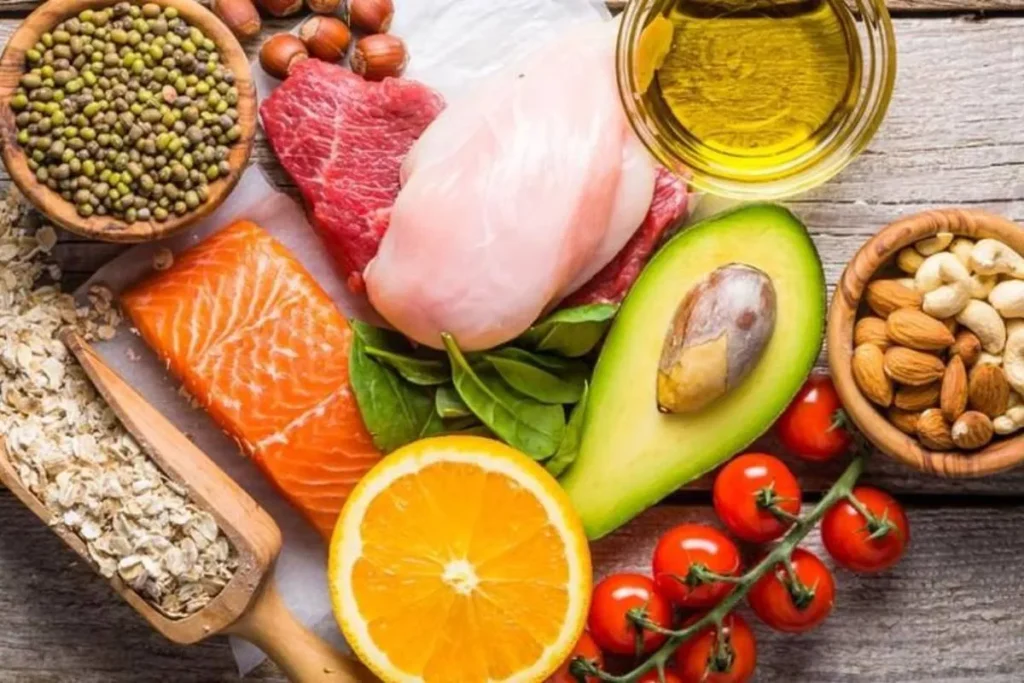
Choosing the right foods is the cornerstone of any liver food plan. Below is a curated list of items that have demonstrated benefits for liver health, either by providing essential nutrients or by supporting the body’s natural detox processes.
Leafy Greens and Cruciferous Vegetables
Spinach, kale, broccoli, and Brussels sprouts are packed with chlorophyll, fiber, and sulfur compounds that aid in toxin elimination. A daily serving can improve the liver’s ability to process harmful substances.
Fatty Fish and Plant‑Based Omega‑3 Sources
Salmon, mackerel, and sardines deliver EPA and DHA, omega‑3 fats that reduce liver inflammation. For vegetarians, walnuts and flaxseeds are excellent alternatives.
Berries and Citrus Fruits
Blueberries, strawberries, and oranges contain polyphenols and vitamin C, both powerful antioxidants that protect liver cells from oxidative stress.
Nuts, Seeds, and Legumes
Almonds, pumpkin seeds, and lentils provide healthy fats, protein, and fiber, helping to stabilize blood sugar and support liver function.
Whole Grains
Oats, quinoa, and brown rice supply complex carbohydrates and soluble fiber, which aid in lowering cholesterol and reducing fat accumulation in the liver.
Below is a quick reference table summarizing the key benefits of each food group.
| Food Group | Key Nutrients | Primary Liver Benefit |
|---|---|---|
| Leafy Greens | Chlorophyll, Fiber, Sulfur | Enhances toxin clearance |
| Fatty Fish | Omega‑3 (EPA/DHA) | Reduces inflammation |
| Berries | Polyphenols, Vitamin C | Antioxidant protection |
| Nuts & Seeds | Healthy Fats, Protein | Stabilizes blood sugar |
| Whole Grains | Soluble Fiber, Complex Carbs | Lowers cholesterol |
Building a Liver‑Boosting Meal Plan
Translating the list of liver‑friendly foods into everyday meals requires thoughtful planning. Below are practical steps to create a weekly menu that aligns with a liver food approach while keeping meals enjoyable.
Step 1: Structure Your Day
Adopt a three‑meal pattern with two optional snacks. Aim for protein and fiber at each eating occasion to maintain steady insulin levels.
Step 2: Choose a Base Protein
Rotate between fish, legumes, and lean poultry. For example, Monday could feature grilled salmon, while Tuesday offers lentil stew.
Step 3: Add Colorful Vegetables
Include at least two different vegetables per meal. A stir‑fry with kale and bell peppers provides both chlorophyll and vitamin C.
Step 4: Incorporate Whole Grains
Swap refined carbs for oats, brown rice, or quinoa. These grains deliver sustained energy and help control liver fat accumulation.
Step 5: Finish with Healthy Fats
A drizzle of extra‑virgin olive oil or a handful of walnuts adds monounsaturated fats that support liver cell membranes.
Sample one‑day menu:
- Breakfast: Oatmeal topped with blueberries, chia seeds, and a splash of almond milk.
- Snack: An apple with a small handful of almonds.
- Lunch: Quinoa salad with mixed greens, cherry tomatoes, grilled salmon, and olive‑oil vinaigrette.
- Snack: Carrot sticks with hummus.
- Dinner: Stir‑fried broccoli and bell peppers with tofu, served over brown rice.
By following this structure, you ensure a consistent intake of the nutrients that facilitate a liver cleanse and support a fatty liver diet aimed at reversing early disease.
Lifestyle Tips to Complement Liver Food Choices
Nutrition is only one piece of the puzzle. Lifestyle factors such as physical activity, sleep, and stress management play crucial roles in liver health and can amplify the benefits of a liver food regimen.
Regular Exercise
Engaging in moderate aerobic activity—like brisk walking, cycling, or swimming—for at least 150 minutes per week improves insulin sensitivity and reduces liver fat. Strength training two to three times weekly further supports metabolic health.
Adequate Hydration
Water is essential for the liver’s detox pathways. Aim for 2–3 liters of plain water daily, and consider herbal teas such as dandelion or green tea, which contain additional antioxidants.
Quality Sleep
Seven to nine hours of uninterrupted sleep each night allows the liver to perform its nightly regeneration processes. Poor sleep is linked to increased liver enzyme levels.
Stress Reduction
Chronic stress elevates cortisol, which can promote fat storage in the liver. Practices like mindfulness meditation, deep‑breathing exercises, or yoga can lower stress hormones and support liver function.
Combining these habits with a diet rich in liver‑friendly foods creates a synergistic effect, making your liver detox more effective and helping to manage NAFLD or other liver‑related concerns.
Common Myths About Liver Diets
Misconceptions often cloud public understanding of what truly benefits the liver. Below we debunk several prevalent myths.
Myth 1: “Detox diets” are the only way to cleanse the liver.
While short‑term detox programs may provide a mental reset, the liver’s own enzymatic systems are continuously active. A consistent healthy liver diet with antioxidant‑rich foods is more sustainable.
Myth 2: “All fats are bad for the liver.”
Trans fats and excessive saturated fats can worsen fatty liver, but unsaturated fats—especially omega‑3s—are protective. Including fish, nuts, and avocados is beneficial.
Myth 3: “You must avoid all carbs.”
Complex carbohydrates from whole grains supply essential fiber and help regulate blood sugar. Cutting out refined sugars is key, not eliminating carbs entirely.
Myth 4: “Supplements alone can reverse fatty liver.”
While certain supplements (e.g., vitamin E) may support liver health under medical supervision, they cannot replace a balanced diet and lifestyle changes.
Understanding these truths empowers you to make evidence‑based decisions, ensuring that your liver food strategy is grounded in science rather than hype.
Why Choose Gold City Medical Center
Gold City Medical Center combines integrative medicine with personalized nutrition counseling, offering patients a holistic pathway to liver wellness. Our multidisciplinary team tailors dietary plans to each individual’s health profile, ensuring that the recommended liver food selections align with medical needs, lifestyle, and personal preferences. With state‑of‑the‑art facilities and a commitment to evidence‑based care, we support you in achieving sustainable liver health and overall vitality.
Ready to transform your liver health with a customized nutrition plan? Contact Gold City Medical Center today to schedule a consultation and start your journey toward a cleaner, stronger liver.
Take the first step—our experts are here to guide you every step of the way.
FAQ
What foods support liver health?
Leafy greens, cruciferous vegetables, fatty fish, berries, nuts, seeds, legumes, and whole grains provide nutrients that protect and aid the liver.
How does omega‑3 reduce liver inflammation?
Omega‑3 fatty acids lower inflammatory markers and improve lipid metabolism, which helps reduce liver fat and inflammation.
What is the best meal plan for a healthy liver?
A balanced plan with three meals and two snacks, each containing protein, fiber, healthy fats, and plenty of vegetables.
Can a liver detox diet replace regular healthy eating?
No, a short‑term detox is not a substitute for a consistent, balanced diet that supports liver function long‑term.
How does regular exercise affect fatty liver?
Exercise improves insulin sensitivity and helps reduce liver fat, lowering the risk of NAFLD.
What are common myths about liver diets?
Myths include the belief that only detox diets work, that all fats are bad, that carbs must be eliminated, and that supplements alone can reverse fatty liver.





