Psychological stress is a natural response to perceived challenges or threats, but when it becomes chronic it can affect both mind and body. This article explains what psychological stress is, how it influences hormonal pathways, and why managing it is essential for overall wellbeing. A recent study shows that up to 80 % of adults experience high levels of stress at some point in their lives, highlighting the need for effective coping strategies.
We will explore the science behind stress, identify common signs, and present practical techniques—from lifestyle adjustments to integrative therapies—that can help you regain balance. Whether you’re dealing with work pressure, personal challenges, or health concerns, understanding the mechanisms of stress empowers you to take control.
By the end of this guide, you’ll have a clear roadmap for reducing stress, regulating cortisol, and supporting mental health, all within the context of a holistic approach that aligns with the services offered at Gold City Medical Center.
What Is Psychological Stress? Definition and Core Concepts
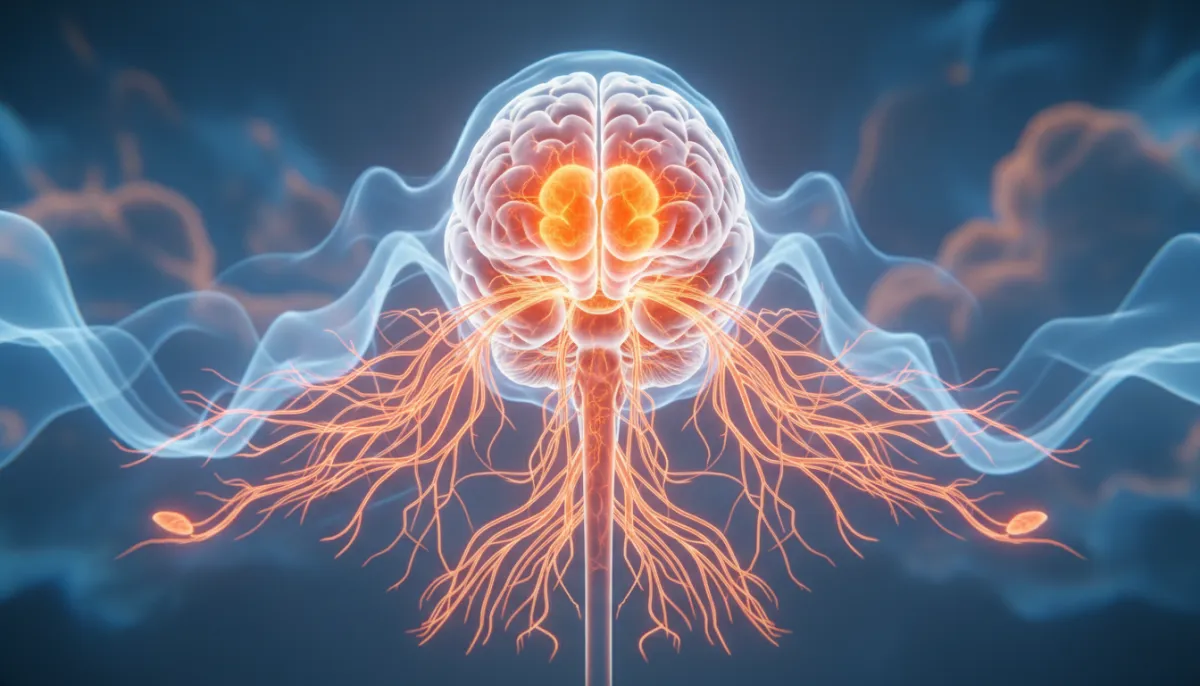
Psychological stress arises when an individual perceives a situation as exceeding their coping resources. It triggers the brain’s amygdala, which activates the sympathetic nervous system and initiates the classic “fight or flight” response. This cascade releases stress hormones—primarily cortisol and adrenaline—preparing the body to react.
While short‑term stress can boost focus and performance, prolonged exposure leads to chronic stress, a condition linked to anxiety, depression, and a range of physical ailments such as hypertension and immune dysfunction. Understanding the distinction between acute and chronic stress is crucial for effective stressbeheer.
Key characteristics of psychological stress include:
- Perceived threat or pressure
- Emotional responses like fear, frustration, or overwhelm
- Physiological activation of the hypothalamic‑pituitary‑adrenal (HPA) axis
Recognizing these elements helps you identify when stress is shifting from a helpful motivator to a health risk.
The Role of Cortisol and the Sympathetic Nervous System
Cortisol, often called the “stress hormone,” is a steroid hormone produced by the adrenal glands. Its primary function is to regulate metabolism, blood sugar, and immune responses during stress. Elevated cortisol levels over time can disrupt sleep, increase abdominal fat, and weaken the immune system.
The sympathetic nervous system (SNS) works hand‑in‑hand with cortisol. When activated, the SNS releases adrenaline, raising heart rate and blood pressure. This physiological state is essential for immediate danger but becomes detrimental when sustained.
Below is a comparison of normal versus chronically elevated cortisol patterns:
| Aspect | Normal Cortisol Rhythm | Chronically Elevated Cortisol |
|---|---|---|
| Morning Peak | High, prepares body for activity | Blunted or excessively high |
| Evening Level | Low, promotes sleep | Persistently high, disrupts sleep |
| Immune Function | Balanced, supports healing | Suppressed, increased infection risk |
| Metabolism | Regulated glucose use | Insulin resistance, weight gain |
Managing cortisol involves both lifestyle changes—such as regular exercise, adequate sleep, and nutrition—and targeted techniques like mindfulness, deep breathing, and, when appropriate, integrative medical interventions.
Recognizing the Signs: Physical and Mental Indicators of Stress
Identifying stress early can prevent it from escalating into more serious health issues. Physical symptoms often include headaches, muscle tension, digestive disturbances, and a weakened immune response. Mentally, stress may manifest as irritability, difficulty concentrating, or persistent feelings of overwhelm.
Below is a checklist of common stress indicators:
- Frequent headaches or migraines
- Muscle tightness, especially in the neck and shoulders
- Sleep disturbances (insomnia or restless sleep)
- Changes in appetite or weight
- Digestive issues such as bloating or irritable bowel syndrome
- Persistent anxiety, racing thoughts, or feeling “on edge”
- Reduced motivation and difficulty focusing
When these signs appear together, they often point to chronic stress and elevated cortisol. Addressing them promptly with stress reduction techniques can improve both mental health and physical resilience.
Effective Stress Management Techniques for Everyday Life
Reducing psychological stress is achievable through a blend of lifestyle habits, mental exercises, and, when needed, professional support. Below are evidence‑based strategies that can be incorporated into daily routines.
Mind‑Body Practices
- Mindfulness meditatie: 10‑15 minutes daily lowers cortisol and improves emotional regulation.
- Deep breathing exercises: Techniques like 4‑7‑8 breathing activate the parasympathetic nervous system.
- Progressive muscle relaxation: Reduces muscle tension and promotes sleep quality.
Physical Activity
Regular aerobic exercise—such as brisk walking, cycling, or swimming—has been shown to decrease stress hormones and boost endorphins. Aim for at least 150 minutes of moderate activity per week.
Nutrition and Lifestyle
- Balanced diet rich in omega‑3 fatty acids, antioxidants, and B‑vitamins.
- Limit caffeine and alcohol, which can exacerbate anxiety.
- Maintain consistent sleep schedule (7‑9 hours).
Professional Support
Therapeutic approaches like cognitive‑behavioral therapy (CBT) and integrative counseling can provide coping skills tailored to individual stressors. In some cases, short‑term medical interventions may be recommended to regulate cortisol.
Here is a quick reference table summarizing the techniques, primary benefits, and recommended frequency:
| Technique | Primary Benefit | Suggested Frequency |
|---|---|---|
| Mindfulness Meditation | Reduces cortisol, improves focus | Daily 10‑15 min |
| Aerobic Exercise | Boosts endorphins, lowers blood pressure | 3‑5 times/week |
| Deep Breathing | Activates relaxation response | 2‑3 times/day |
| CBT Sessions | Develops coping skills, reframes thoughts | Weekly or as needed |
| Balanced Nutrition | Supports hormone balance | Every meal |
Integrating several of these practices creates a synergistic effect, helping you manage stress more effectively and maintain long‑term health.
Integrative Approaches to Stress Relief at Gold City Medical Center
Gold City Medical Center offers a comprehensive suite of services designed to address psychological stress from multiple angles. Our integrative model combines conventional medical assessment with evidence‑based complementary therapies.
Key components include:
- Personalized stress evaluation, including cortisol testing and autonomic function assessment.
- Guided mindfulness and relaxation programs led by certified practitioners.
- Nutrition counseling focused on hormone‑balancing foods.
- Access to physiotherapy and movement therapies such as yoga and Pilates.
- Optional medical interventions for severe cases, administered under close supervision.
By aligning lifestyle modifications with targeted medical support, we aim to lower cortisol, improve sleep quality, and enhance overall mental resilience. Our multidisciplinary team works closely with each client to create a tailored plan that fits personal goals and schedules.
Why Choose Gold City Medical Center
Gold City Medical Center combines medical expertise with holistic care, offering tailored solutions for stress‑related concerns. Our team of experienced physicians, therapists, and wellness specialists ensures that each treatment plan addresses both the physiological and psychological aspects of stress. With state‑of‑the‑art facilities and a patient‑centered approach, we provide safe, effective, and compassionate care that supports lasting wellbeing.
Ready to take control of your stress and improve your health? Contact Gold City Medical Center today to schedule a comprehensive stress assessment and start your personalized wellness journey.
FAQ
What is psychological stress and how does it affect the body?
Psychological stress is the body's response to perceived threats, activating the amygdala and the sympathetic nervous system, which releases cortisol and adrenaline.
How does cortisol influence health during chronic stress?
Chronically high cortisol disrupts sleep, metabolism, immune function, and can contribute to hypertension and weight gain.
What are common physical and mental signs of chronic stress?
Physical signs include headaches, muscle tension, sleep problems, and digestive issues; mental signs include irritability, anxiety, and difficulty concentrating.
Which everyday techniques are most effective for reducing stress?
Mindfulness meditation, regular aerobic exercise, deep breathing, balanced nutrition, and CBT are evidence‑based methods that lower cortisol and improve resilience.
How does Gold City Medical Center integrate conventional and complementary approaches for stress relief?
The center combines medical assessments, cortisol testing, and autonomic evaluation with mindfulness programs, nutrition counseling, physiotherapy, and optional medical interventions.
Why should someone choose Gold City Medical Center for stress management?
Because it provides a patient‑centered, evidence‑based blend of medical expertise and holistic therapies tailored to each individual's stress profile.





