When anxiety feels overwhelming, many turn to herbs for anxiety as a natural complement to conventional care. This article explores the most researched botanical options, how they work, and practical guidance for incorporating them safely into a wellness plan. In the United States, anxiety disorders affect roughly 19% of adults each year, highlighting the growing demand for gentle, evidence‑based remedies. By understanding the mechanisms behind each herb, you can select the right combination to calm the nervous system without relying solely on prescription medication.
We’ll examine popular herbs such as ashwagandha, chamomile, and valerian root, discuss dosage considerations, and outline lifestyle strategies that enhance their effectiveness. Whether you’re seeking to reduce daily stress, improve sleep, or support emotional balance, this guide provides a clear roadmap for using nature’s pharmacy responsibly.
Beyond the botanical options, we’ll address common questions about supplement quality, potential interactions, and when professional medical advice is essential. Let’s begin the journey toward a calmer mind with informed, holistic choices.
Understanding Anxiety and How Herbs Can Help
Anxiety is a physiological response to perceived threats, triggering the release of stress hormones like cortisol and adrenaline. While short‑term anxiety can be protective, chronic activation leads to fatigue, sleep disturbances, and heightened muscle tension. Herbs for anxiety act on the central nervous system by modulating neurotransmitters, reducing cortisol spikes, or promoting relaxation through gentle sedative effects.
Key pathways include:
- GABA enhancement – many calming herbs increase gamma‑aminobutyric acid activity, which dampens neuronal excitability.
- Serotonin modulation – certain botanicals support serotonin synthesis, improving mood stability.
- Adaptogenic response – adaptogens help the body adapt to stressors, balancing the hypothalamic‑pituitary‑adrenal (HPA) axis.
Research shows that integrating these botanical agents can lower self‑reported anxiety scores, especially when combined with mindfulness practices. For individuals who prefer non‑pharmaceutical options, herbal supplements offer a gentle entry point that respects the body’s natural rhythms.
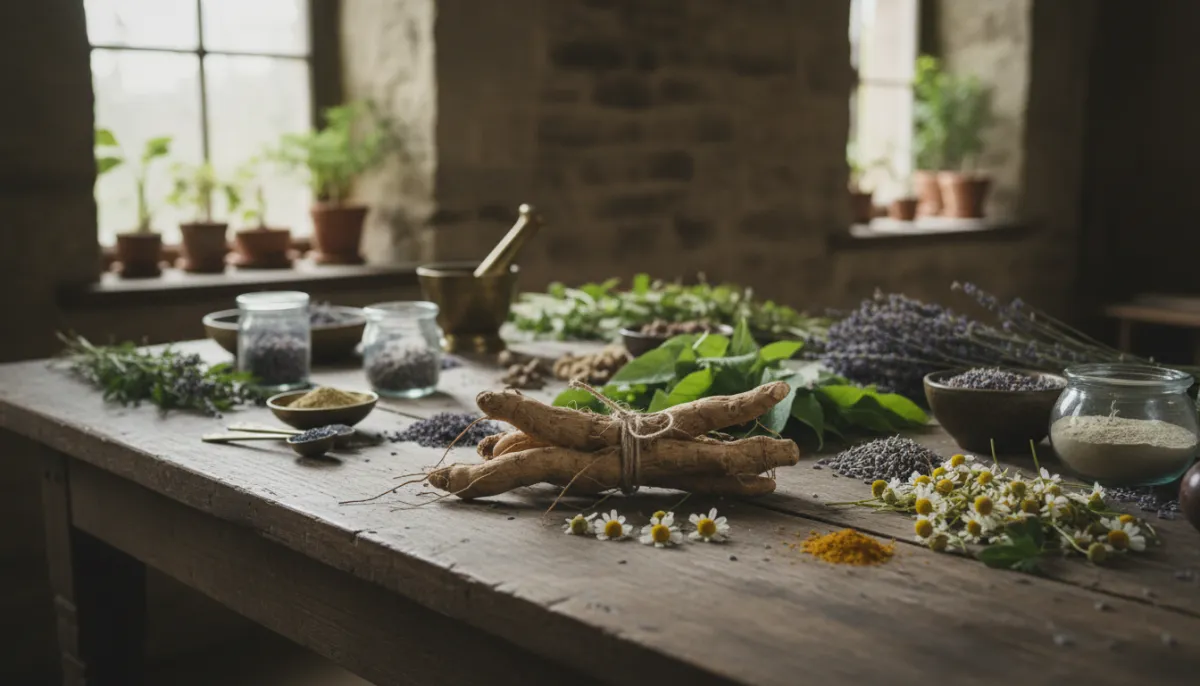
Top Herbs Clinically Studied for Anxiety Relief
Below is a concise overview of the most frequently researched herbs that have demonstrated anxiolytic properties in clinical trials or well‑designed studies. Each entry includes the primary active compounds, typical dosage ranges, and the level of scientific evidence supporting its use.
| Herb | Key Active Compounds | Typical Dosage | Evidence Level |
|---|---|---|---|
| Ashwagandha (Withania somnifera) | Withanolides, alkaloids | 300–600 mg of standardized extract (5% withanolides) daily | High – multiple randomized controlled trials show reduced GAD‑7 scores |
| Chamomile (Matricaria chamomilla) | Apigenin, bisabolol | 200–400 mg extract or 1–2 cups of tea daily | Moderate – several studies report decreased anxiety in peri‑menopausal women |
| Valerian Root (Valeriana officinalis) | Valerenic acids, iridoids | 400–900 mg extract before bedtime | Moderate – effective for anxiety‑related insomnia in clinical settings |
| Lavender (Lavandula angustifolia) | Linalool, linalyl acetate | 80–160 mg oral capsule or aromatherapy twice daily | High – meta‑analysis confirms anxiolytic impact comparable to low‑dose benzodiazepines |
| Passionflower (Passiflora incarnata) | Flavonoids, GABA‑ergic compounds | 250–500 mg extract or 1–2 tsp dried herb in tea | Low‑Moderate – small trials suggest benefit for generalized anxiety |
Among these options, ashwagandha for anxiety stands out for its adaptogenic profile, making it suitable for both acute stress spikes and chronic nervous tension. Chamomile tea is a gentle, widely accessible remedy, while valerian root is particularly valuable for individuals whose anxiety disrupts sleep quality.
How to Choose and Use Herbal Supplements Safely
Selecting the right herb requires attention to quality, dosage, and personal health conditions. Follow these steps to ensure safe and effective use of herbs for anxiety:
- Verify third‑party testing – look for certifications such as USP, NSF, or ConsumerLab to confirm purity and potency.
- Start low, go slow – begin with the minimum recommended dose and assess tolerance over 2–3 weeks before adjusting.
- Consider synergistic blends – some formulations combine magnesium, L‑theanine, or B‑vitamins to enhance calming effects.
- Check for allergens – ensure the product is free from common allergens like gluten, soy, or dairy if you have sensitivities.
- Consult a healthcare professional – especially if you are pregnant, nursing, or taking prescription medications.
When integrating herbs into your routine, timing can influence outcomes. For example, taking ashwagandha with breakfast supports daytime stress resilience, whereas valerian root is most effective when consumed 30 minutes before bedtime to promote restful sleep.
Quality matters: opt for standardized extracts rather than raw powders when available, as they provide consistent concentrations of active constituents. Additionally, store supplements in a cool, dry place to preserve potency.
Integrating Herbs with Lifestyle and Conventional Treatments
Herbal remedies work best when paired with supportive lifestyle habits. Below are evidence‑based practices that amplify the calming effects of anxiety‑relieving herbs:
- Mindful breathing exercises – 5‑minute diaphragmatic breathing reduces cortisol and prepares the nervous system for herb absorption.
- Regular physical activity – aerobic exercise increases endorphin levels, complementing the GABA‑boosting action of many herbs.
- Balanced nutrition – foods rich in omega‑3 fatty acids, magnesium, and B‑vitamins provide the cofactors needed for optimal neurotransmitter synthesis.
- Sleep hygiene – consistent bedtime routines enhance the efficacy of herbs like valerian and lavender.
- Professional therapy – cognitive‑behavioral therapy (CBT) combined with herbal supplementation often yields superior anxiety reduction compared to either approach alone.
For patients already prescribed medication such as SSRIs or benzodiazepines, certain herbs can serve as adjuncts. For instance, magnesium supplementation may improve the therapeutic response of SSRIs, while low‑dose lavender oil inhalation can reduce the need for rescue anxiolytics during acute episodes. Always discuss any addition with your clinician to avoid unintended interactions.
By adopting a comprehensive plan—herbs, nutrition, movement, and mental health support—you create a resilient system that addresses anxiety from multiple angles, fostering long‑term emotional equilibrium.
Potential Interactions and When to Seek Professional Care
While many herbs are safe for most adults, certain combinations can affect drug metabolism or exacerbate medical conditions. Review the table below to identify known interactions between common anxiety herbs and prescription medications.
| Herb | Potential Interaction | Medications Affected | Recommended Action |
|---|---|---|---|
| Ashwagandha | May potentiate sedative effects | Benzodiazepines, barbiturates | Consult physician; consider dose reduction of sedatives |
| Chamomile | Risk of increased anticoagulation | Warfarin, aspirin | Monitor INR levels; limit high‑dose tea consumption |
| Valerian Root | Enhanced CNS depression | SSRIs, antihistamines | Use only under medical supervision |
| Lavender Oil (oral) | May interfere with CYP450 enzymes | Antidepressants, anticonvulsants | Start with low dose and monitor for side effects |
| Passionflower | Potential additive sedative effect | Sleep aids, benzodiazepines | Space dosing times; discuss with prescriber |
If you experience persistent dizziness, rapid heart rate, or heightened anxiety after starting a new herbal supplement, discontinue use and seek medical evaluation promptly. Moreover, individuals with thyroid disorders, hormone‑sensitive cancers, or severe psychiatric conditions should obtain professional guidance before self‑medicating with herbs.
Gold City Medical Center’s integrative team can perform personalized assessments, ensuring that any herbal regimen aligns with your overall health plan and medication profile.
Why Choose Gold City Medical Center
Gold City Medical Center combines cutting‑edge medical expertise with a holistic approach to wellbeing. Our specialists are trained in both conventional therapies and evidence‑based herbal medicine, offering personalized treatment plans that address the root causes of anxiety. With state‑of‑the‑art facilities and a commitment to patient‑centered care, we guide you through safe supplement selection, monitor progress, and adjust protocols as needed. Trust our integrative team to support your journey toward lasting calm and confidence.
Ready to explore natural anxiety relief under professional supervision? Contact Gold City Medical Center today to schedule a comprehensive consultation and discover a tailored herbal strategy that fits your lifestyle.
Take the first step toward a calmer tomorrow – call us or fill out the online appointment form now.
FAQ
What are the best herbs for anxiety?
The most researched herbs for anxiety include ashwagandha, chamomile, valerian root, lavender, and passionflower.
How does ashwagandha help with anxiety?
Ashwagandha acts as an adaptogen, lowering cortisol and enhancing GABA activity to calm the nervous system.
Can herbal supplements be combined with prescription anxiety medication?
Yes, but only under medical supervision to avoid interactions such as enhanced sedation or enzyme inhibition.
What is the recommended dosage of chamomile for anxiety relief?
Typical chamomile dosing is 200–400 mg of extract or 1–2 cups of tea daily.
What safety precautions should I take when using valerian root?
Use standardized extracts, start with low doses, and avoid taking it with other sedatives or alcohol.





