Skin care treatments are essential for maintaining healthy, glowing skin and preventing premature aging. Whether you are dealing with loose skin after weight loss, fine lines, or uneven texture, a tailored approach can restore confidence and improve overall skin quality. In this article we explore the most popular procedures, their benefits, and how to choose the right option for your unique needs.
Recent studies show that over 70 % of adults consider skin health a top priority, yet many are unsure which treatments deliver lasting results. Understanding the science behind each option helps you avoid costly trial‑and‑error and ensures you invest in solutions that truly work.
We will cover a range of modalities—from non‑invasive skin tightening creams to advanced laser skin resurfacing—while highlighting practical after‑care tips that keep your skin looking its best long after the procedure.
Understanding Different Types of Skin Care Treatments
Modern dermatology offers a spectrum of options that address specific concerns such as laxity, discoloration, and texture irregularities. Non‑invasive skin rejuvenation treatments rely on topical agents, radiofrequency, or ultrasound to stimulate collagen production without surgery. In contrast, laser‑based procedures target deeper layers, promoting rapid cell turnover and tighter skin.
Non‑Invasive Treatments
- Radiofrequency (RF) skin tightening – heats dermal layers to encourage collagen remodeling.
- Ultrasound therapy – uses focused sound waves to lift and firm tissue.
- Topical skin tightening creams – contain peptides and retinoids that improve elasticity over time.
Laser Skin Resurfacing
Laser skin resurfacing, including fractional CO₂ and Erbium lasers, creates microscopic columns of injury that trigger the body’s natural healing response. This results in smoother texture, reduced fine lines, and improved skin tone.
| Feature | Non‑Invasive | Laser Resurfacing |
|---|---|---|
| Downtime | None to minimal | 3–7 days |
| Depth of effect | Superficial to mid‑dermis | Mid to deep dermis |
| Typical sessions | 4–6 sessions | 1–3 sessions |
| Best for | Fine lines, mild laxity | Deep wrinkles, scar revision |
Choosing between these approaches depends on your skin’s condition, tolerance for downtime, and desired outcomes. Both pathways can be combined for synergistic results, especially when addressing multiple concerns such as skin firmness and texture.
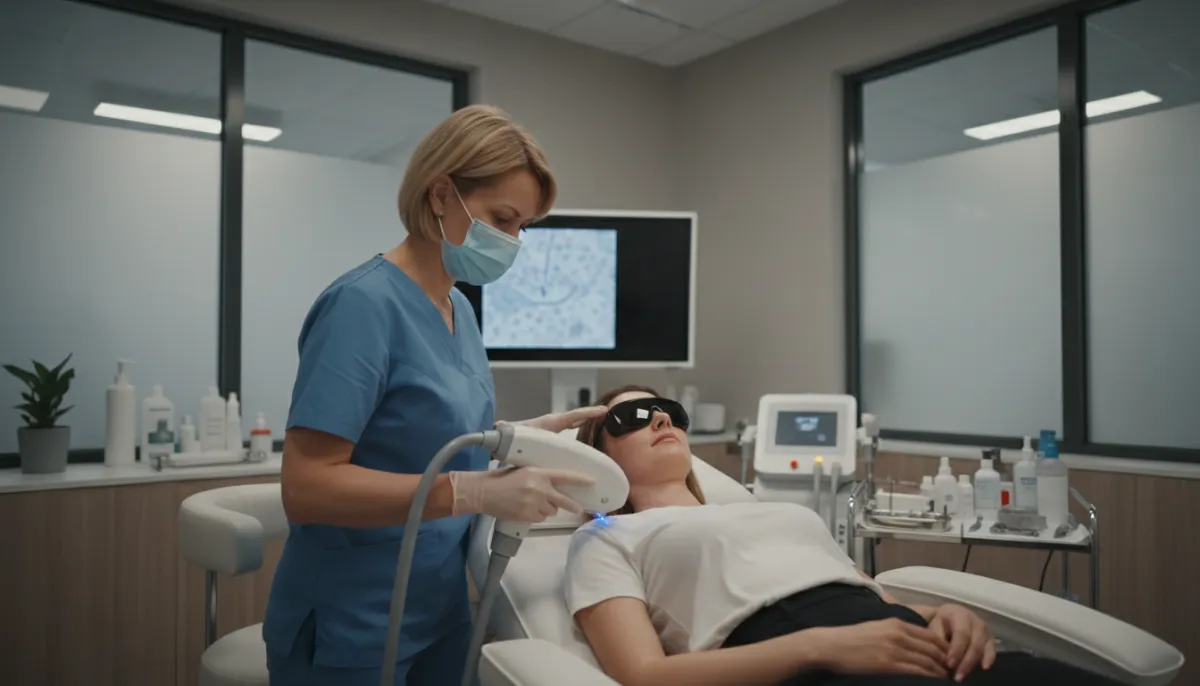
Benefits of Professional Skin Tightening and Rejuvenation
When performed by experienced clinicians, skin tightening and rejuvenation deliver measurable improvements in skin elasticity and overall appearance. These procedures stimulate natural collagen and elastin production, leading to a firmer, more youthful complexion.
Key Advantages
- Immediate tightening effect that continues to improve over 3–6 months.
- Reduction of fine lines and superficial scars.
- Enhanced skin texture and tone, giving a “glow” effect.
- Minimized appearance of loose skin on the neck, jawline, and décolletage.
Patients often report a boost in confidence and a noticeable difference in how makeup applies, thanks to smoother, more resilient skin.
| Benefit | Typical Onset | Duration of Effect |
|---|---|---|
| Onmiddellijke huidverstrakking | Immediately after treatment | 6–12 months |
| Collagen remodeling | 2–4 weeks | 12–24 months |
| Improved skin texture | 1–2 weeks | 12 months+ |
| Reduced laxity on neck | 4–6 weeks | 18 months |
These outcomes are especially valuable for individuals who have experienced weight loss, pregnancy, or natural aging that leads to loose skin. Combining skin tightening with targeted facial rejuvenation therapy can address both volume loss and surface irregularities.
Choosing the Right Treatment for Your Skin Concerns
Every skin type and concern requires a personalized plan. A thorough consultation helps identify whether skin firming creams, laser resurfacing, or a combination of modalities will deliver the best results.
Decision Checklist
- Determine the primary concern: laxity, pigmentation, texture, or scars.
- Assess skin type and sensitivity (e.g., oily, dry, rosacea‑prone).
- Consider downtime tolerance and schedule flexibility.
- Review budget and long‑term maintenance expectations.
- Discuss any contraindications, such as active infections or certain medications.
For example, patients seeking a solution for skin that tightens without surgery often opt for radiofrequency or ultrasound, while those with deeper wrinkles may benefit more from laser skin treatment options.
| Skin Concern | Recommended Treatment | Typical Sessions | Recovery Time |
|---|---|---|---|
| Fine lines & mild laxity | Radiofrequency skin tightening | 4–5 | None to minimal |
| Deep wrinkles & scars | Fractional CO₂ laser resurfacing | 1–3 | 3–7 days |
| Uneven texture & hyperpigmentation | Laser skin rejuvenation (Erbium) | 2–4 | 2–5 days |
| Neck skin laxity | Ultrasound tightening + topical firming cream | 3–4 | None |
By aligning treatment choice with individual goals, patients achieve more predictable outcomes and greater satisfaction.
Aftercare and Maintenance for Long‑Lasting Results
Successful skin care treatments extend beyond the procedure room. Proper aftercare maximizes collagen synthesis and reduces the risk of complications.
Post‑Treatment Do’s and Don’ts
- Do keep the treated area clean and moisturized with a gentle, fragrance‑free product.
- Do apply broad‑spectrum sunscreen (SPF 30+) daily, even indoors.
- Don’t expose the skin to direct heat (saunas, hot tubs) for at least 48 hours.
- Don’t use retinoids or aggressive exfoliants for the first week.
- Do follow a balanced diet rich in antioxidants, which supports skin repair.
Integrating a tailored skincare routine with professional products helps sustain firmness and brightness. Many clinics recommend a regimen that alternates between hydrating serums and gentle exfoliation to maintain texture.
| Day Post‑Treatment | Recommended Action | Product Type |
|---|---|---|
| 0–2 | Cool compress, gentle cleansing | Hydrating cleanser |
| 3–7 | Apply soothing serum, start SPF | Calming peptide serum |
| 8–14 | Introduce light exfoliation | Alpha‑hydroxy acid (AHA) toner |
| 15+ | Maintain routine, schedule follow‑up | Retinol (if tolerated) + SPF |
Regular follow‑up appointments allow clinicians to monitor progress, adjust the plan, and recommend supplemental treatments such as skin firming creams or additional laser sessions for optimal, enduring results.
Why Choose Gold City Medical Center
Gold City Medical Center combines cutting‑edge technology with a holistic, integrative approach to skin health. Our team of certified dermatologists and aesthetic specialists tailors each skin care treatment to the individual, ensuring safety, comfort, and measurable results. With a focus on evidence‑based protocols, we offer both advanced laser solutions and gentle non‑invasive options, making us a trusted destination for patients seeking lasting skin rejuvenation.
Ready to revitalize your skin? Contact Gold City Medical Center today to schedule a personalized consultation and discover the treatment plan that’s right for you. Experience professional care, state‑of‑the‑art technology, and results you can see and feel.
FAQ
What are the main differences between non‑invasive skin tightening and laser skin resurfacing?
Non‑invasive tightening uses heat or ultrasound to stimulate collagen superficially, while laser resurfacing creates deeper micro‑injuries to remodel skin layers.
How many sessions are typically needed for radiofrequency skin tightening?
Most patients undergo 4 to 6 sessions spaced several weeks apart.
What is the downtime after fractional CO₂ laser resurfacing?
Downtime typically ranges from 3 to 7 days, with redness and flaking.
Which skin concerns are best treated with ultrasound therapy?
Ultrasound therapy excels at lifting and firming loose skin on the neck, jawline, and décolletage.
What post‑treatment care should I follow to maintain results?
Keep the area clean, moisturized, use SPF 30+ daily, avoid heat, and follow a balanced antioxidant‑rich diet.
How does Gold City Medical Center personalize skin care treatments?
They conduct a detailed consultation, assess skin type, concerns, downtime tolerance, and create a customized plan.





