
Losing patches of your beard can be really upsetting. It’s not just about how you look. Alopecia barbae is an autoimmune condition that causes sudden hair loss in the beard area. It affects thousands of men all over the world.
Alopecia barbae leads to distinctive circular patches of hair loss. It’s different from typical pattern baldness. Knowing the causes and treatments is key to managing it and bringing back your beard’s natural fullness. Alopecia facial hair loss is difficult to hide. Learn how to restore your beard and mustache using the latest medical and natural fixes.
At GoldCity Center, top dermatologists are ready to help you regain your glow and confidence. Your beard is a big part of who you are. Losing it can be tough. But with the right treatment, you can get your beard back and feel confident again.
Belangrijkste opmerkingen
Understanding alopecia barbae is essential for effective treatment.
This condition causes sudden hair loss in the beard area.
Available treatments can help restore beard hair.
GoldCity Center offers world-class dermatological care.
Restoring beard hair can significantly boost confidence.
Understanding Alopecia Facial Hair Loss
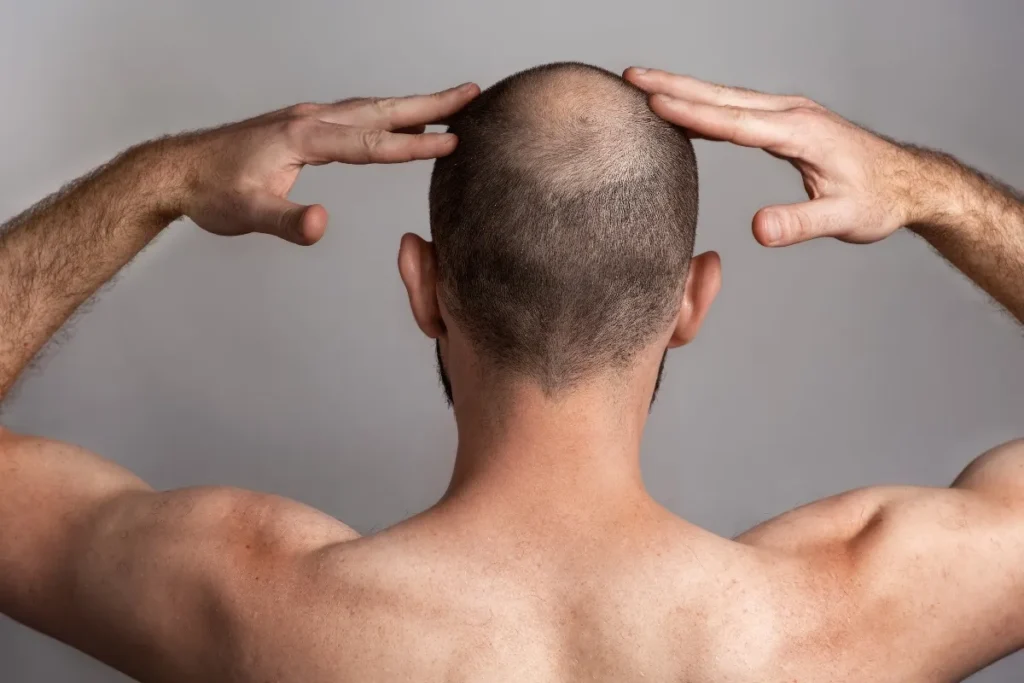
Men who are losing their beard or moustache hair need to understand alopecia facial hair loss. This condition can change how they look and feel about themselves.
Alopecia barbae is a type of alopecia areata that affects the beard area. It causes patchy hair loss, which can lead to losing all facial hair.
What is Alopecia Barbae?
Alopecia barbae is an autoimmune condition. It happens when the immune system attacks the hair follicles in the beard area. This can cause unpredictable hair loss and distress.
The exact cause of alopecia barbae is not known. It’s thought to be a mix of genetics and environmental factors.
Prevalence and Impact on Men
Alopecia areata, which includes alopecia barbae, affects about 300,000 people in the UK. Beard involvement makes up about 28 percent of cases. This shows how common it is among men.
Men with this condition face big challenges. It affects their looks, mental health, and self-esteem.
De tekenen en symptomen herkennen
The condition starts with patches about the size of a quarter. These patches can grow and merge, leading to losing all facial hair in severe cases.
Key signs to look out for include:
Patchy hair loss on the beard or moustache area
Complete loss of facial hair
Unpredictable progression of hair loss
By recognizing these signs, men can get the help they need. They can find medical advice and treatment for their alopecia facial hair loss.
Veelvoorkomende oorzaken en risicofactoren
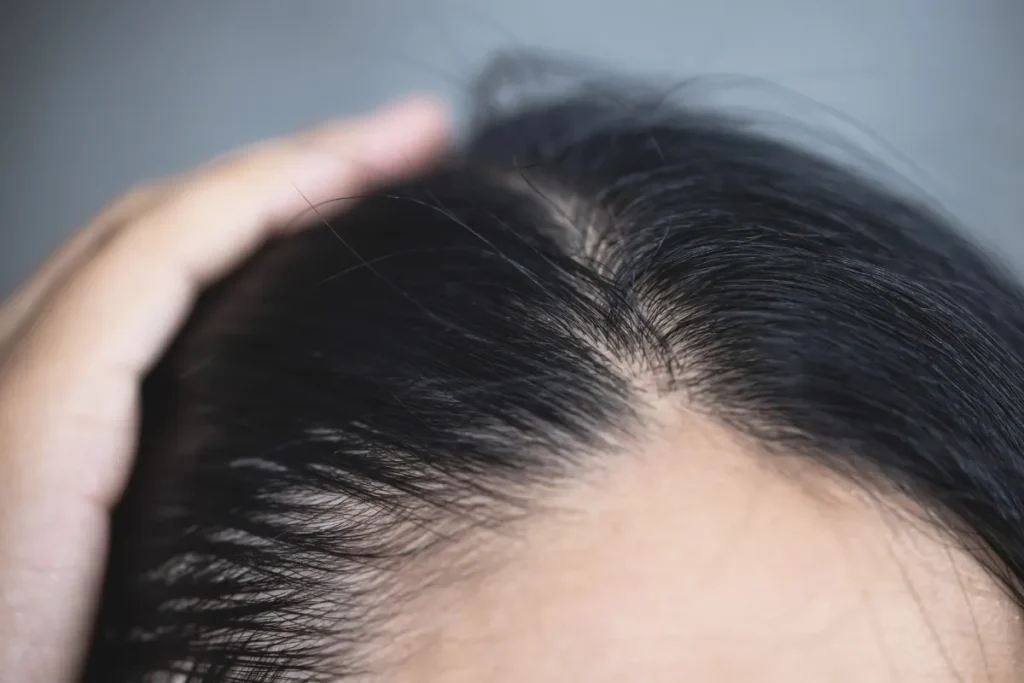
Alopecia barbae, or beard baldness, comes from genetics, hormones, and the environment. Knowing these causes helps men with beard hair loss.
Autoimmune Factors
Alopecia barbae is often tied to autoimmune diseases. The immune system attacks hair follicles, causing hair loss. People with a family history of these diseases are more likely to get alopecia barbae.
Genetische aanleg
Genetics are key in alopecia barbae. Men with a family history of alopecia areata or other autoimmune diseases are at higher risk. Genetic predisposition makes some more likely to get it.
Stress and Hormonal Influences
Stress and hormonal changes also play a big part. High stress can start or worsen the condition. Hormonal imbalances, like those in androgens, can also affect beard hair.
Related Health Conditions
Some health issues, like thyroid problems, asthma, and allergies, raise the risk of alopecia barbae. Managing these conditions is key for health and may reduce beard hair loss risk.
The mix of these factors shows how complex alopecia barbae is. Understanding causes and risks helps find the right treatment.
Auto-immuunziekten
Genetische aanleg
Stress and hormonal influences
Related health conditions
Dealing with these factors is vital for managing and treating alopecia barbae.
Effective Treatment Options for Restoring Beard Hair
Understanding the right treatment options is key to restoring your beard hair. With the right approach, you can get a full and healthy beard. This boosts your confidence and appearance.
Topical Corticosteroids
Topical corticosteroids are a common treatment for alopecia barbae. These are applied directly to the affected areas. They reduce inflammation and promote hair growth. Corticosteroid creams or ointments are used and can be very effective.
Recent studies show promise in treatments like corticosteroids, minoxidil, and anthralin for hair regrowth. For more info on alopecia barbae and its treatment, visit
Intralesional Treatments
Intralesional corticosteroid injections are another effective treatment. This method involves injecting corticosteroids directly into the bald patches. This treatment is effective for those with limited patches of hair loss.
Systemic Therapies
For widespread cases of alopecia barbae, systemic therapies are recommended. These treatments address the underlying causes of hair loss. Systemic corticosteroids and immunosuppressants are used for severe cases.
Veranderingen in levensstijl en huismiddeltjes
Medical treatments aren’t the only solution. Lifestyle changes and home remedies can also help. Eating a healthy diet, reducing stress, and avoiding harsh chemicals are important. Some people find success with natural remedies like essential oils or gentle beard care products.
Exploring these treatment options and making informed decisions is the first step. You can restore your beard hair and enhance your appearance. Your journey to a fuller, healthier beard starts now.
Conclusie
Learning about alopecia barbae and its treatments is key to getting your beard back. Facial alopecia, like alopecia mustache and bald spot mustache, can be treated. The right approach is important.
Many people with moustache alopecia see great results with treatment. You can try topical corticosteroids, intralesional treatments, or systemic therapies. This way, you can find what works best for you.
By focusing on your beard health, you can shine from the inside out. Don’t let facial alopecia stop you. Start your journey to a fuller, more radiant beard today.
FAQ
What is alopecia barbae, and how does it affect beard hair?
Alopecia barbae is a condition that causes hair loss on the beard. It leads to bald spots or patches. Knowing about it is the first step to getting your beard back and feeling confident again.
What are the common signs and symptoms of alopecia barbae?
Signs include hair loss on the beard in patches or bald spots. You might also see redness, itching, or inflammation. Spotting these symptoms early is key to finding the right treatment.
What causes alopecia barbae, and are there any risk factors?
It’s often caused by autoimmune issues, genetics, stress, and hormones. Health conditions can also play a part. Knowing these causes helps you manage your beard health better.
What are the effective treatment options for restoring beard hair?
Treatments include topical corticosteroids, intralesional treatments, and systemic therapies. Lifestyle changes and home remedies also help. The right approach can bring back your beard and boost your confidence.
Can alopecia barbae be treated with natural remedies?
Natural remedies aren’t a sure thing for alopecia barbae. But, making lifestyle changes and using gentle hair care can help. These steps may reduce hair loss and improve beard health.
How can I prevent alopecia barbae from recurring?
To prevent it, live a healthy lifestyle, manage stress, and use gentle hair care. Taking care of your beard health can lower the risk of hair loss and help you grow a full beard.
Is alopecia barbae related to other health conditions?
Yes, it might be linked to autoimmune disorders, thyroid disease, or skin conditions. Recognizing these connections helps address underlying health issues and promotes overall well-being.
Can I stil have a healthy beard if I have alopecia barbae?
Yes, with the right treatment and care, you can have a healthy, full beard. Understanding alopecia barbae is the first step to getting your radiant glow and confidence back.
Referenties
Nationaal Centrum voor Biotechnologie-informatie. Evidence-Based Medisch Inzicht. Opgehaald van https://www.ncbi.nlm.nih.gov/pmc/articles/PMC10381635/





