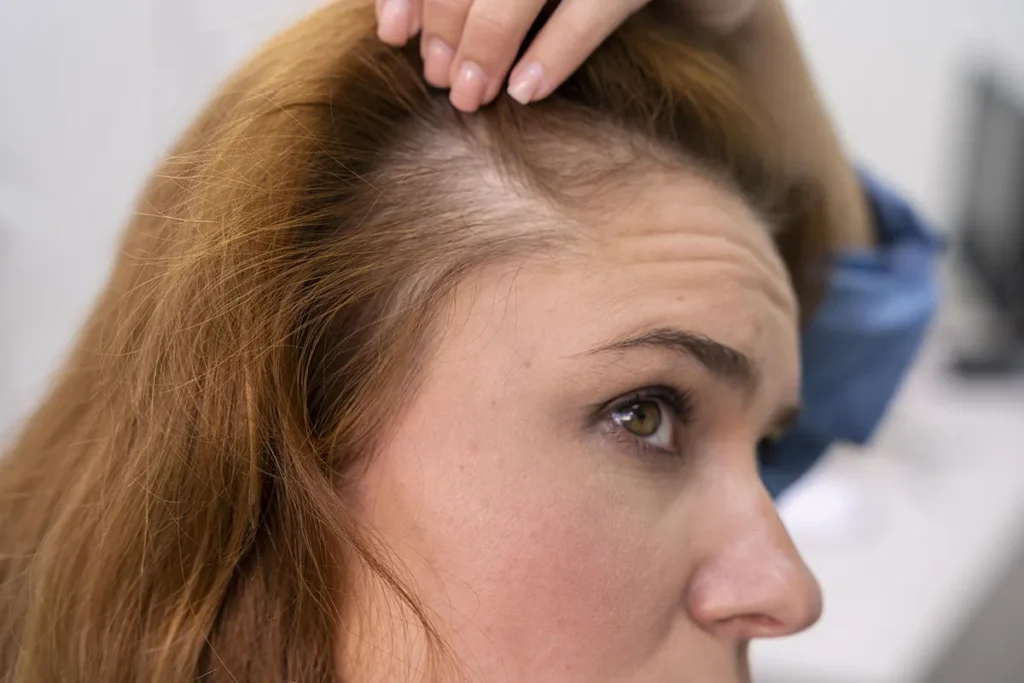
Alopecia itching scalp can be painful. Get fast relief tips and learn which shampoos and treatments stop the burning and itching sensation.
Having an itching scalp and losing hair can be really tough. But knowing why it happens can help you find ways to feel better. Studies show that about 32 percent of people with hair loss also have a sensitive scalp. This is more common in women.
The reasons for hair loss and an itchy scalp are not simple. They involve inflammation and the body’s immune system. This can make you want to scratch a lot. By looking into new research and getting advice from experts, you can find ways to calm your scalp and improve your health.
Belangrijkste opmerkingen
Understand the link between hair loss and itchy scalp
Discover the underlying causes of this condition
Explore effective relief options for a sensitive scalp
Learn how to promote overall scalp health
Find expert advice on managing hair loss and itchiness
Understanding Alopecia and Its Connection to Scalp Itching
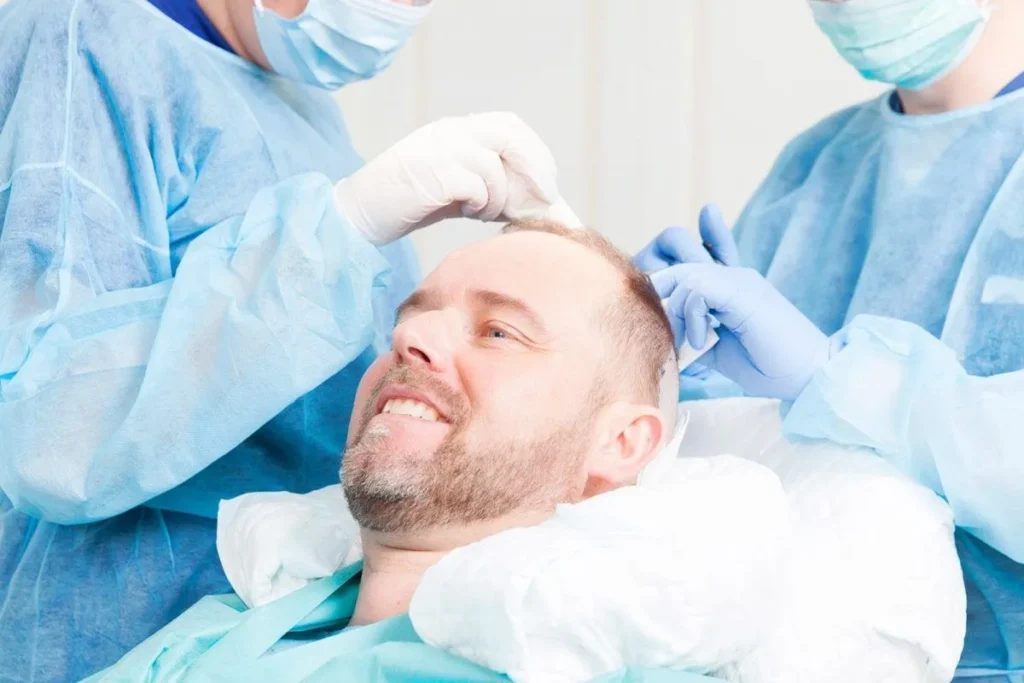
Alopecia and scalp itching are closely related. They involve many factors and conditions. Alopecia means hair loss and includes several types, each affecting the scalp differently.
Types of Alopecia and Their Prevalence in the United States
Alopecia areata, an autoimmune condition, affects nearly 7 million people in the United States. It causes patchy haar loss and can make the scalp itch or burn in about one-quarter of cases. Other types of alopecia also contribute to hair loss.
About 32 percent of those with hair loss have a sensitive scalp. This sensitivity can cause itchiness, redness, or irritation. It can really affect their quality of life.
The Relationship Between Hair Loss and Scalp Sensitivity
Hair loss and scalp sensitivity are closely linked. Conditions like scalp erythema and urticaria on the scalp can make the scalp uncomfortable. The inflammation and immune responses in alopecia can make the scalp more sensitive and itchy.
Understanding this connection is key to finding effective treatments. Treatments should address both hair loss and scalp symptoms.
How Stress Contributes to Both Hair Loss and Itching
Stress plays a big role in hair loss and itching. It can make conditions like alopecia areata worse. It can also increase inflammation and scalp sensitivity.
Managing stress is important for managing alopecia and scalp symptoms. Techniques like meditation, yoga, or therapy can help. By tackling stress, people can improve their scalp health and manage alopecia better.
Biological Mechanisms Behind Alopecia Itching Scalp
It’s important to understand why alopecia makes your scalp itch. This itch is not just a minor issue. It’s a complex mix of different biological processes.
Immune-Mediated Inflammation in Alopecia Areata
Alopecia areata causes patchy hair loss. It often leads to immune-mediated inflammation. This inflammation can make your scalp itch or burn.
The immune system mistakenly attacks hair follicles. This disrupts hair growth and causes itchiness.
Immune cells play a big role in alopecia areata. They send out signals that bring more immune cells. This makes the inflammation and itching worse.
Androgenetic Alopecia and Scalp Erythema
Androgenetic alopecia, or male/female pattern baldness, can also itch. Scalp erythema, or redness, is a common symptom. The itching might be due to hair follicles shrinking and the inflammation that follows.
Also, androgens can make the condition worse. They contribute to hair loss and scalp sensitivity.
Autoimmune Factors Contributing to Scalp Itch
Autoimmune factors are key in alopecia itching. In conditions like alopecia areata, the immune system attacks hair follicles. This leads to inflammation and itchiness.
Research into the autoimmune aspects of alopecia is ongoing. It aims to find new ways to treat the itching. By tackling the root causes, people can find better relief from this annoying symptom.
Effective Relief Strategies for Itchy Scalp with Alopecia
Dealing with alopecia can make an itchy scalp a big problem. But, there are ways to find relief and feel better on your scalp. It’s important to know what’s causing the itch and choose the right treatments.
Medical Treatments for Different Types of Alopecia
Medical treatments are key in managing alopecia and scalp itchiness. Topical corticosteroids help by reducing inflammation and itching. For serious cases, immunosuppressants might be needed.
Seeing a dermatologist is a must to find the best treatment for your alopecia.
Solutions for Scalp Hives and Bumpy Itchy Scalp
Scalp hives and a bumpy itchy scalp can be really tough. Antihistamines and corticosteroid creams can help by fighting the allergic reaction and reducing swelling. It’s also important to stay away from things that make the itch worse.
Home Remedies and Over-the-Counter Options
Home remedies and OTC options can help too. Using a medicated shampoo with zinc pyrithione, selenium sulfide, or ketoconazole can control itchiness and flaking.
Applying apple cider vinegar or coconut oil to your scalp can also soothe it. But, always test a small area first to avoid any bad reactions.
When to Seek Professional Help for Red Itchy Spots
If red itchy spots on your scalp don’t get better or get worse, you should see a doctor. A dermatologist can figure out what’s causing it and suggest the right treatment. Getting help early can stop things from getting worse and help your scalp heal.
Conclusion: Long-Term Management of Alopecia and Scalp Comfort
Managing alopecia and scalp itching needs a long-term effort in scalp care and overall health. Understanding the link between alopecia and scalp itching helps in finding effective ways to manage it.
By focusing on scalp health, managing stress, and using specific treatments, you can improve scalp comfort. It’s important to remember that gray hair itself might not itch. But, scalp conditions linked to it can cause discomfort.
Keeping your scalp healthy is key to your overall well-being. A complete approach to scalp care can help get rid of itchiness, promote hair growth, and bring out your natural glow.
FAQ
What is the connection between alopecia and itchy scalp?
Alopecia and itchy scalp are linked by immune processes. These include inflammation and autoimmune factors. They make the scalp sensitive and itchy.
Can stress cause itchy scalp with alopecia?
Yes, stress can lead to hair loss and itching. Managing stress is key to handling alopecia and scalp itching.
What are the effective relief strategies for itchy scalp with alopecia?
Relief comes from medical treatments like topical corticosteroids. Home remedies, such as medicated shampoos, also help. Knowing when to seek professional help is important.
Does gray hair itch more than other hair colors?
There’s no solid proof that gray hair itches more. Yet, some people find gray hair itchy. This might be due to dryness or scalp conditions.
Can autoimmune factors contribute to scalp itch with alopecia?
Yes, autoimmune factors are key in alopecia areata. They cause inflammation and itching or burning on the scalp.
What are the symptoms of scalp hives caused by alopecia?
Scalp hives from alopecia show as itchy, bumpy, or red patches. They might also cause hair loss or redness on the scalp.
How can I manage itchy patches on my scalp due to alopecia?
Managing itchy patches needs a mix of gentle scalp care and stress management. Targeted treatments like medicated shampoos or topical corticosteroids also help.
Is itchy scalp a common symptom of alopecia?
Yes, many with alopecia experience itchy scalp. It greatly affects their quality of life.
Can I use over-the-counter products to relieve itchy scalp with alopecia?
Yes, over-the-counter products like medicated shampoos can help. But, choose products that fit your scalp condition and alopecia type.
When should I seek professional help for my itchy scalp with alopecia?
Get professional help if symptoms don’t get better or get worse. Severe itching, redness, or hair loss also need medical attention or treatment changes.
Referenties
Nationaal Centrum voor Biotechnologie-informatie. Evidence-Based Medisch Inzicht. Opgehaald van https://www.ncbi.nlm.nih.gov/pmc/articles/PMC9527678/





