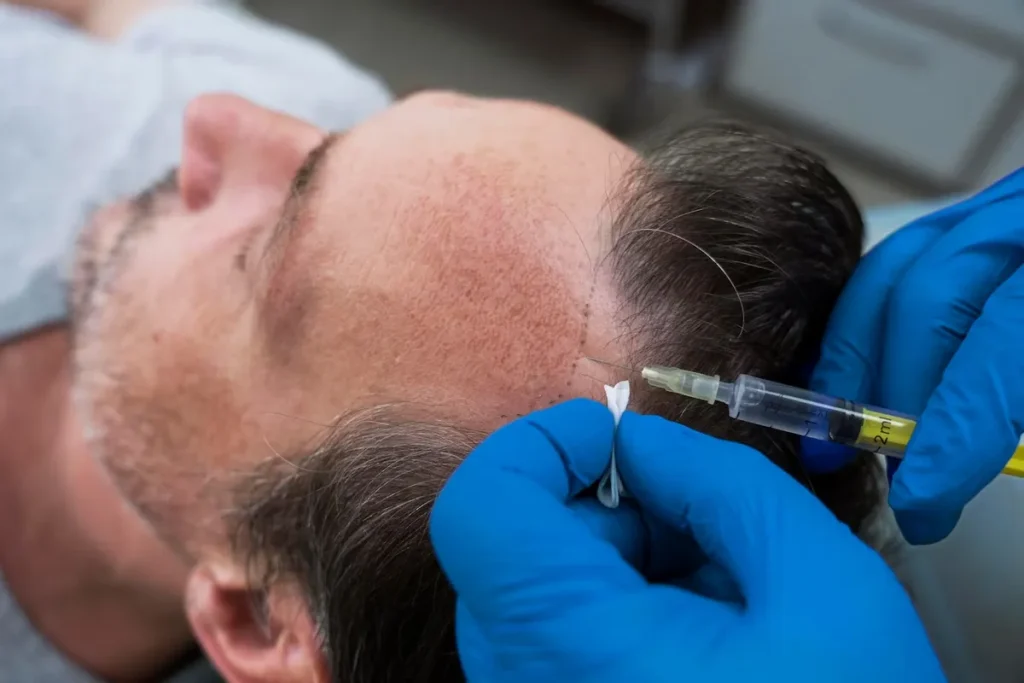
Dhi Vs Fue Hair Transplant? Read our best comparison to find out which method provides the most natural results and faster recovery for you.
Choosing between DHI and FUE hair restoration methods can be tough. Both offer natural results. Knowing their unique benefits is key to reaching your hair goals.
Recent studies show FUE is top for treating big hair loss areas with over 90% success. DHI, though, is gaining fans for its perfect hairlines and full frontal areas.
In the world of hair restoration, DHI and FUE stand out. They offer quick recovery, little scarring, and natural looks. This makes them great for those wanting to fix their hair.
Belangrijkste opmerkingen
Both DHI and FUE are advanced techniques used for hair restoration.
FUE is considered the gold standard for extensive hair loss.
DHI offers unmatched precision in creating flawless hairlines.
Both techniques promise less downtime and minimal scarring.
Natural-looking results are achievable with both DHI and FUE.
DHI vs FUE Hair Transplant: Understanding the Basics
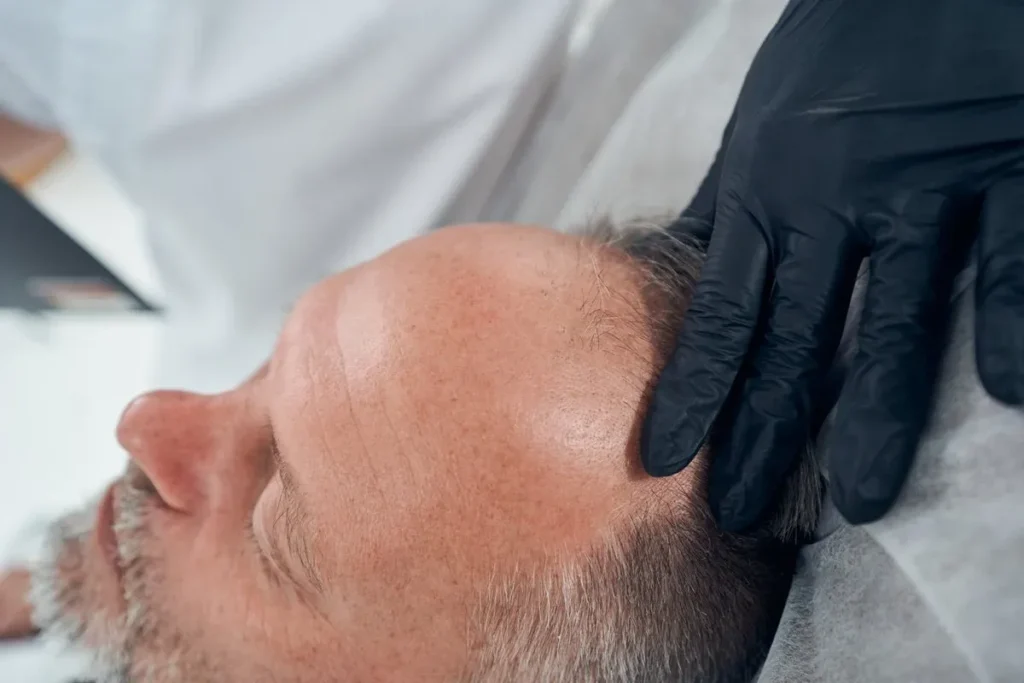
It’s important to know the difference between DHI and FUE hair transplants. Both are popular for fixing hair loss. But they work in different ways.
What is FUE Hair Transplantation?
Follicular Unit Extraction (FUE) is a hair transplant method. It takes hair follicles from the back and sides of the head. Then, it puts them in the bald spots.
This method is gentle and leaves little to no scar. First, healthy hair follicles are taken out using a special tool. Then, they’re kept alive until they’re ready to be transplanted.
The bald spots are made ready for the new hair. The hair is then placed in these spots carefully. The way it’s placed is important for a natural look.
What is DHI Hair Transplantation?
Direct Hair Implantation (DHI) is a newer hair transplant method. It uses a special tool called the Choi Implanter Pen. This tool lets the hair follicles be implanted directly without making incisions first.
This method gives more control over the hair’s angle and direction. It can make the hair look more natural.
For more details on DHI and FUE, check out this link. It compares the two in depth.
DHI is seen as more precise. It combines the steps of taking out and putting in the hair follicles. This might help the hair survive better outside the body.
Key Differences Between DHI and FUE Techniques
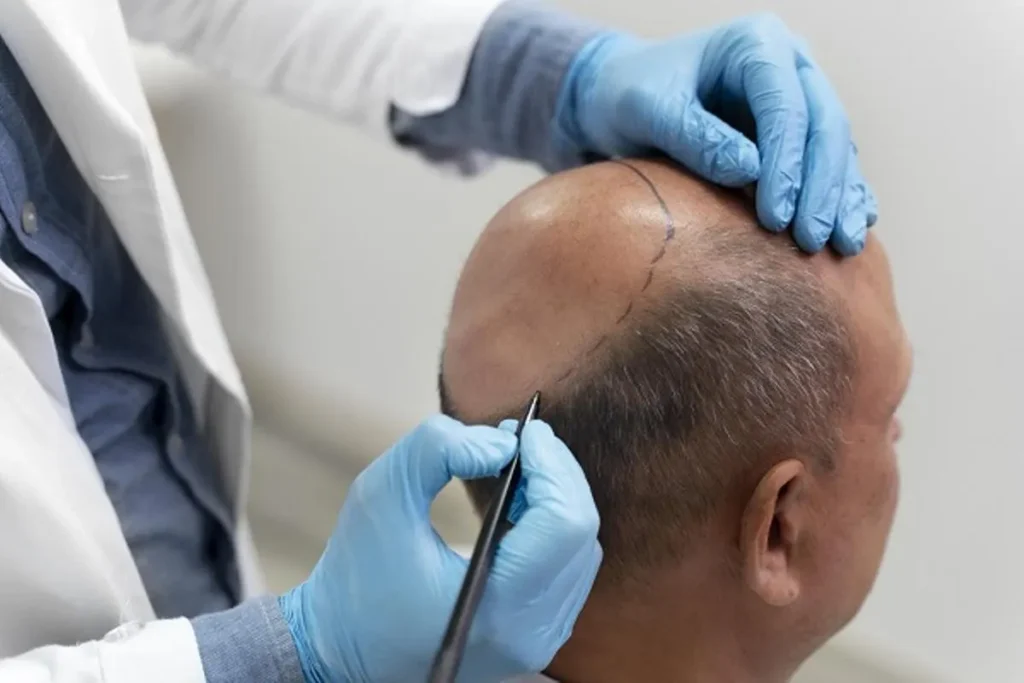
Choosing between DHI and FUE hair transplants depends on several key differences. These differences can greatly affect the outcome of your hair restoration journey. It’s important to understand these differences to make the right choice for you.
Procedural Variations and Methodology
DHI and FUE hair transplants have different methods. FUE uses a micro-motorized tool to take hair follicles from the donor area. Then, it creates recipient sites and implants the follicles.
DHI, on the other hand, uses the Choi Implanter Pen. This tool makes recipient sites and implants follicles at the same time. It makes the process faster and more precise.
“The Choi Implanter Pen in DHI hair transplants is a big step forward in hair restoration,” says a leading expert. “It lets doctors control the angle, depth, and direction of implanted hair better. This leads to more natural-looking results.”
Control Over Angle, Depth, and Direction
DHI hair transplantation has a big advantage. It allows for precise control over the angle, depth, and direction of implanted hair. The Choi Implanter Pen makes it easy to adjust these factors. This ensures the hair grows naturally and looks better.
Hersteltijdlijn en zorg na de procedure
Both DHI and FUE are minimally invasive with similar recovery times. DHI’s advanced technology might lead to a quicker recovery. This is because it implants hair more precisely, causing less scalp trauma.
After the procedure, both techniques require gentle washing and avoiding hard activities. Your doctor will give you specific care instructions. This helps ensure the best healing and results.
In the end, choosing between DHI and FUE depends on your personal preferences and hair loss situation. Understanding the differences between these techniques helps you make a choice that fits your hair restoration goals.
Choosing the Right Method for Your Hair Loss Situation
Choosing between DHI and FUE hair transplant techniques depends on your hair loss needs. Each method has its own benefits and is best for different situations.
Best Candidates for FUE Transplants
FUE (Follicular Unit Extraction) is great for those with a lot of hair loss. It lets you transplant many grafts at once. It’s perfect for covering big areas, like the crown or the whole scalp.
Individuals with significant balding areas
Those who prefer a minimally invasive procedure
Patients looking for a faster recovery time
Ideal Scenarios for DHI Procedures
DHI (Direct Hair Implantation) is known for its precision. It’s great for creating natural-looking hairlines and fixing specific hair loss spots.
Individuals seeking a more precise hairline design
Those with limited donor hair who require maximum efficiency
Patients desiring a more natural-looking result
Cost Considerations and Value Assessment
When looking at the cost of DHI versus FUE, think about what each offers. DHI is pricier because of its advanced tech and precision. But, it might give you the natural look you want.
Choosing between DHI and FUE depends on your hair loss, budget, and what you want. Talking to a hair restoration expert can help you decide.
Conclusion: Making the Right Choice for Your Hair Restoration Journey
Choosing between DHI and FUE hair transplant methods depends on your needs and preferences. Both have their benefits. Knowing these differences is key to making the right choice for your hair restoration journey.
DHI is great for small areas and hairline refinements because it’s precise and handles grafts less. FUE is faster for bigger areas and has a high graft survival rate. For a versatile and possibly quicker option, Advanced FUE techniques might be the best choice.
Your hair loss situation and desired outcomes will guide your decision. By understanding the differences between DHI and FUE, you can make a well-informed choice. This will start your journey to regain your hair and confidence.
FAQ
What is the main difference between DHI and FUE hair transplant techniques?
DHI and FUE differ in how they implant hair. FUE takes follicles and then implants them after making incisions. DHI uses a Choi Implanter Pen to directly implant follicles without incisions. This gives more control over the hair’s angle, depth, and direction.
Is DHI better than FUE for achieving natural-looking results?
DHI might offer more natural results due to its precise implantation. But, results vary based on the surgeon and the patient’s hair. It’s not a guarantee.
What are the ideal scenarios for choosing DHI over FUE?
Choose DHI for a natural hairline and precise control. It’s also good for those with limited donor hair, as it uses follicles efficiently.
How do the recovery timelines compare between DHI and FUE?
Both have similar recovery times, with little downtime. DHI might be slightly quicker because it’s less invasive, not needing incisions.
Are there significant differences in cost between DHI and FUE hair transplants?
Costs vary by clinic, location, and case complexity. DHI might be pricier due to its specialized equipment and technique.
Can anyone undergo DHI or FUE hair transplants?
Both are versatile, but best for those with enough donor hair and realistic hopes. FUE suits extensive hair loss. DHI is for natural hairlines.
What is the significance of the Choi Implanter Pen in DHI hair transplantation?
The Choi Implanter Pen allows direct follicle implantation. It offers precise control over hair angle, depth, and direction. This can lead to more natural results.
How do I choose between DHI and FUE for my hair restoration journey?
Your choice depends on your hair loss, desired results, and personal preferences. A qualified specialist can help decide the best technique for you.
Referenties
Nationaal Centrum voor Biotechnologie-informatie. Evidence-Based Medisch Inzicht. Opgehaald van https://www.ncbi.nlm.nih.gov/pmc/articles/PMC2929552/





