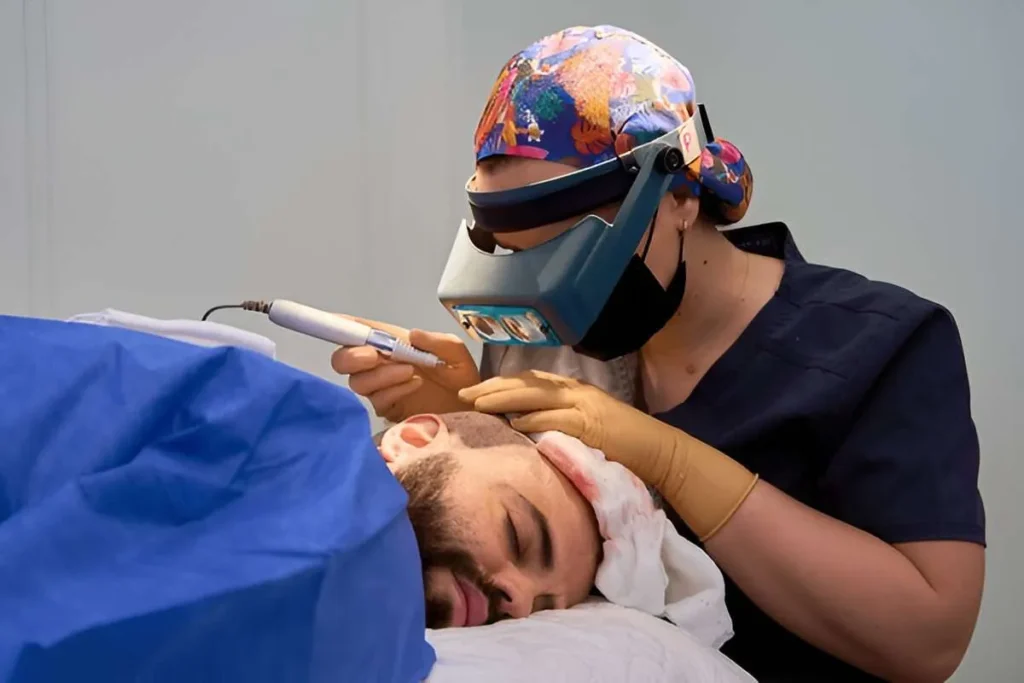
If you’re thinking about hair transplant surgery, you might wonder if the transplanted hair will grow and thrive over time. The good news is that modern hair transplant methods have impressive success rates of over 97%. Do Donor Hairs Grow Back? Get the essential info on how the donor area heals after FUE and learn the truth about your permanent results.
At GoldCity Center, we’re dedicated to giving you the best medical care. We use the latest academic protocols and focus on patient needs. This means your transplanted hair will grow and stay healthy for years after the surgery.
Learning about hair transplant growth and success rates helps you make smart choices. Our goal is to give you a luxury transformation and boost your empowering confidence. Hair transplant surgery is a lasting fix for baldness and thinning hair.
Belangrijkste opmerkingen
Transplanted hair grows and thrives in the long term with a success rate of over 97%.
GoldCity Center provides complete hair restoration solutions with proven techniques.
Hair transplant surgery offers a lasting solution to baldness and thinning hair.
Understanding growth patterns and success rates helps individuals make informed decisions.
Modern hair transplant procedures focus on luxury transformation and empowering confidence.
The Science Behind Hair Transplantation
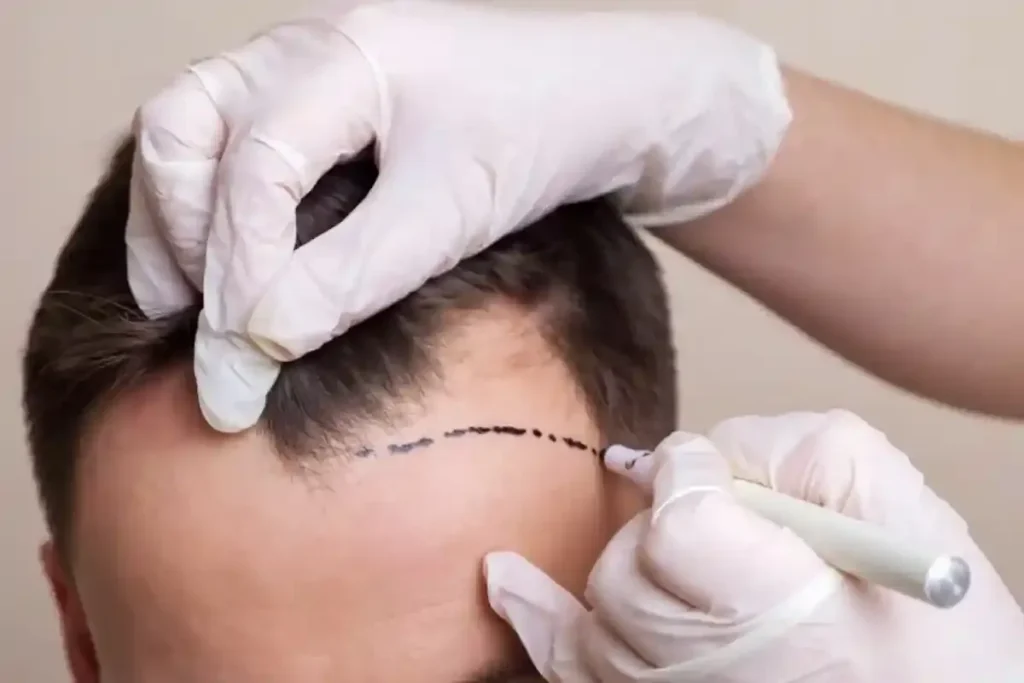
Hair transplantation is a complex field that has grown a lot over time. It moves hair follicles from one part of the body to another. This is usually to fix balding or thinning hair. To see how well it works, we need to look at the latest methods, how follicles are moved, and hair growth cycles.
Modern Transplantation Techniques
Today’s hair transplant methods are much better and less invasive. There are two main ways: Follicular Unit Transplantation (FUT) and Follicular Unit Extraction (FUE). FUT takes a strip of skin, while FUE takes out individual follicles. About 90-95% of hair follicles are growing at any time, so picking the right method is key.
Follicular Unit Extraction (FUE) Process
The FUE method is very detailed:
Identifying and preparing the donor area
Extracting individual follicular units using a special tool
Creating recipient sites in the balding area
Transplanting the extracted follicles into the recipient sites
FUE reduces scarring and speeds up healing by taking out each graft carefully. This makes the results look more natural and cuts down on recovery time.
Haargroeicycli begrijpen
Hair grows in cycles with three phases: anagen (growth), catagen (transitional), and telogen (resting). Knowing these cycles helps predict how well hair transplantation will work. The anagen phase, where hair grows, is most important for regrowth after the transplant.
Understanding the science of hair transplantation helps people make better choices about their treatments.
Do Donor Hairs Grow Back After Harvesting?
Many people wonder if donor hairs grow back after they’re taken for a hair transplant. Hair transplantation moves healthy hair follicles from one scalp spot to another. Knowing how donor hair works is key to good results.
Donor Area Selection Criteria
The donor area is usually at the back and sides of the scalp. These spots have hair follicles that are less likely to fall out. Surgeons pick this area carefully to get the best results.
They look at the quality and quantity of hair in the donor area. They want the transplanted hair to look natural and match the rest of your hair. The goal is to make your hairline look better.
Recovery Patterns in the Donor Region
People usually start seeing new hair growth 3-4 months after the transplant. How fast the donor area heals can depend on many things. But, it usually heals quickly with little scarring.
Genetische weerstand tegen haaruitval
The donor area’s genetic makeup is key to hair transplant success. Hairs from the back and sides are less affected by DHT, the hormone that causes hair loss. This means the transplanted hairs will likely keep growing.
Understanding these genetic factors helps see the long-term benefits of hair transplantation. The procedure not only adds hair but also offers a lasting fix for hair loss.
Timeline and Stages of Transplanted Hair Growth
Transplanted hair grows slowly over months, with clear stages showing progress. Knowing these stages helps manage hopes and understand recovery.
Initial Recovery Period
The first three months after a transplant are all about healing. It’s normal for the transplanted hair to shed within the first few weeks, known as “shock loss.” This is just a temporary setback, and the follicles are ready to grow new hair.
By the end of the first month, the scalp might be sensitive. But most can go back to their usual hair care. Following post-operative care instructions is key for healing and avoiding problems.
Early Growth Phase
Three to six months after the transplant, patients start seeing hair growth. By month 5-6, about 50-60% of new hair has grown into the scalp, a big step in recovery. The new hair might feel soft or different, but this is just a temporary phase.
How fast hair grows can vary, depending on genetics and health.
Some see quick growth, while others take longer to notice big changes.
Mature Results
The 6 to 12 months after the transplant is key, as most see significant growth and thickening of the transplanted hair. By the end of the first year, the full effects of the transplant are clear, with the new hair blending well with the rest.
The final look and feel of the transplanted hair gets better over the next 12-18 months.
Most patients are thrilled with the natural look, which boosts their confidence and happiness with their appearance.
In summary, hair growth after a transplant takes time, but most see big changes in 6-12 months. Understanding the growth stages helps appreciate the transformation and look forward to enjoying the transplant’s benefits.
Conclusion: Success Rates and Long-Term Outcomes
Hair transplantation is a top choice for those dealing with hair loss. By 12 months, most people see almost all their hair back. The transplanted hair grows and regrows like natural hair, following the body’s natural cycle.
It’s important to know where the hair for transplants comes from. It’s usually taken from areas that don’t go bald. This makes the solution more lasting. The growth of hair after a transplant depends on the method used and how well the patient cares for it. Many see a big boost in hair density and look.
If you’re thinking about getting a hair transplant, the good news is yes, the transplanted hair grows naturally. It blends well with your existing hair. For more on long-term results and possible side effects, check out Wimpole Clinic’s detailed guide.
FAQ
Does transplanted hair grow back after surgery?
Yes, transplanted hair does grow back after surgery. Most people see a lot of regrowth. This makes hair transplantation very successful.
What happens to the donor area after hair transplant?
The donor area usually heals well after a hair transplant. There’s often little to no scarring. The hair follicles are taken from the back and sides of the head. These areas are less likely to go bald.
Do donor hairs grow back after harvesting?
Yes, the donor area hair grows back. But, the hair taken from this area grows in its new spot. The donor area itself follows its own natural hair growth pattern.
How long does it take for transplanted hair to grow?
It takes about 3-6 months for transplanted hair to start growing. You’ll see full results in 6-12 months.
What is the success rate of hair transplantation?
Hair transplantation is very successful. Most people get a lot of hair back and their hairline looks natural.
Where do they take hair from for hair transplant?
Hair for transplants usually comes from the back and sides of the head. These areas have thicker, more resilient hair.
Does the donor hair grow back?
Yes, the donor hair grows back. The donor area is chosen for its genetic resistance to hair loss. This ensures natural regrowth.
Can transplanted hair grow naturally?
Yes, transplanted hair grows naturally. The follicles are resistant to balding and keep growing in their new spot.
What is the timeline for hair growth after hair transplant?
Hair growth after a transplant varies. But, most people see initial growth in 3-6 months. Full results take 6-12 months.
Referenties
Nationaal Centrum voor Biotechnologie-informatie. Evidence-Based Medisch Inzicht. Opgehaald van https://pubmed.ncbi.nlm.nih.gov/21906028/





