
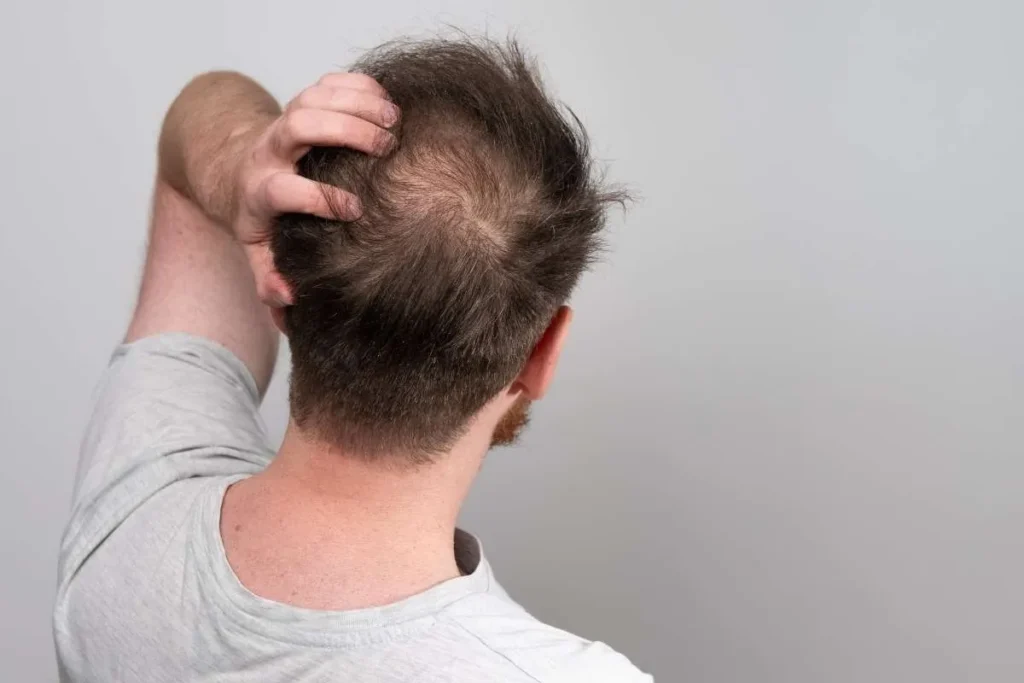
Anterolateral leg alopecia is a common issue, affecting nearly 40% of middle-aged men worldwide. It’s more than just hair loss on the lower legs. It can also signal health problems like vascular or metabolic issues.
While often not serious, lower leg hair loss in men should not be ignored. It could hint at bigger health concerns. At places like GoldCity Center, doctors use their global knowledge to help patients. It’s important for men to know about anterolateral leg alopecia and its health implications.
Belangrijkste opmerkingen
Anterolateral leg alopecia affects approximately 35-40% of men during middle age.
The condition can be a sign of underlying health issues.
Professional evaluation is necessary to determine the cause.
Addressing lower leg hair loss can be part of a broader health check.
Men’s health and well-being can benefit from understanding and addressing this condition.
Understanding Male Leg Hair Loss
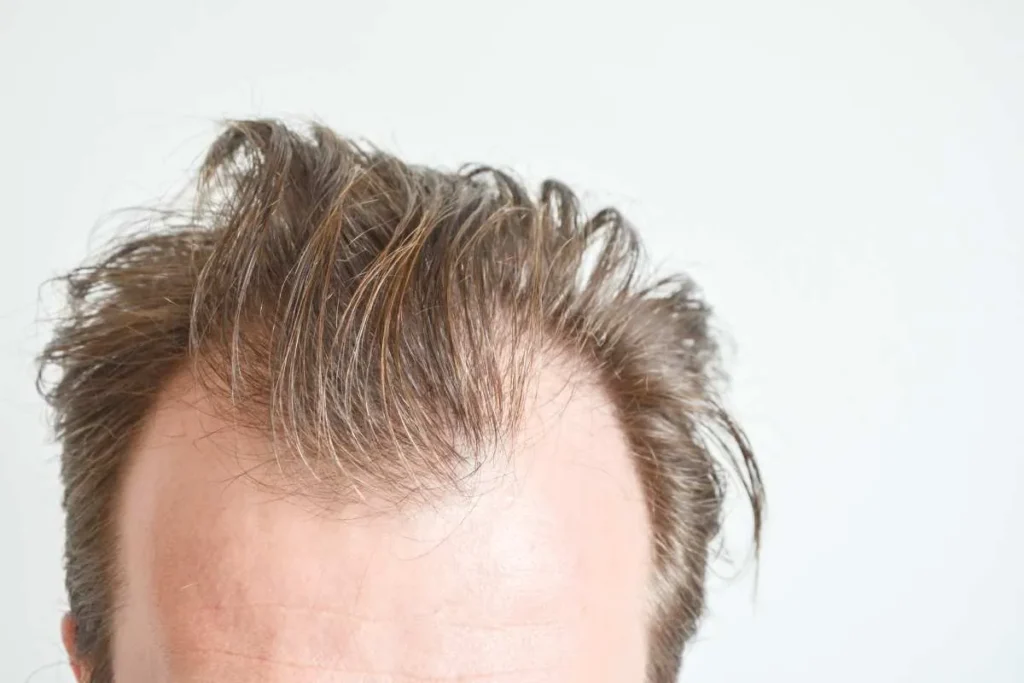
Anterolateral leg alopecia is a condition where men lose hair on their legs. It’s not just about looks. It can also point to serious health issues.
Wat is Anterolaterale Alopecia van het been?
Anterolateral leg alopecia is hair loss on the lower legs, mainly on the front sides. It can happen to both men and women. But, men are more likely to get it because of hormones and other health risks.
A 2019 study in Poland found that about 40% of men aged 36 to 52 had hair loss on their legs. This shows how common it is in this age group of men.
Prevalentie en demografie
Who gets anterolateral leg alopecia varies. It’s more common in men because of hormones, blood flow, and lifestyle.
Knowing who gets anterolateral leg alopecia helps doctors diagnose and treat it better.
Common Causes of Hair Leg Loss in Men
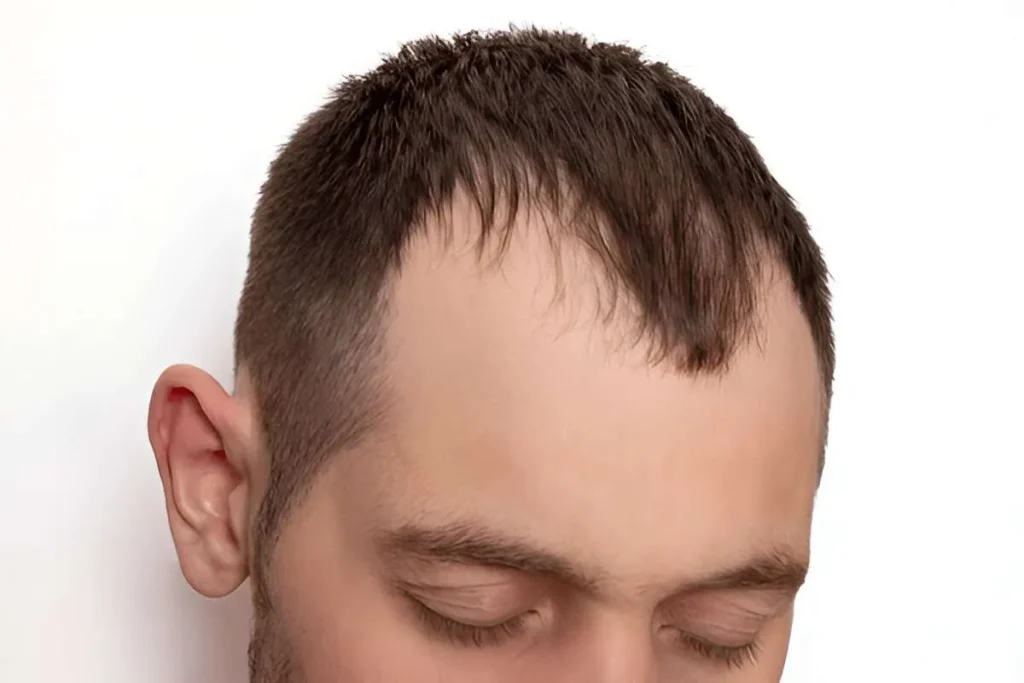
Hair loss on the lower legs in men comes from many sources. These include physical and medical reasons. Knowing what causes it helps find the right solution.
Physical Factors
Physical reasons are big contributors to hair loss on the lower legs. Friction from tight clothing can harm hair follicles. Also, crossing your legs can cut off blood flow, leading to hair loss.
Another physical factor is skin irritation on the lower legs. This can happen due to certain jobs or lifestyles that put pressure on the legs.
Medische aandoeningen
Many medical issues can cause hair loss on the lower legs in men. Thyroid dysfunction can slow down hair growth, including on the legs. Peripheral vascular disease also plays a role by reducing blood flow.
Research shows a link between coronary heart disease and hair loss on the legs. This shows how important heart health is in preventing or treating leg hair loss.
Sometimes, alopecia areata can cause hair loss on the legs. Knowing about these medical conditions helps find the root cause of hair loss.
Treatment and Management Options
Understanding the cause of hair loss on the lower legs is key. Men can find relief through a mix of medical treatments and lifestyle changes. This approach tackles both physical and health-related issues.
Medische ingrepen
Medical treatments are vital for leg hair loss, often linked to health problems. For example, Peripheral Artery Disease (PAD) can cause hair loss due to poor blood flow. Treatments like angioplasty, stent placement, and atherectomy help restore blood flow and improve health.
Thyroid issues can also lead to hair loss. Medication to regulate thyroid hormones can help. Managing peripheral vascular disease and peripheral nerve disease through medicine can also aid in hair growth.
Aanpassingen in levensstijl
Making lifestyle changes is also critical for managing leg hair loss. Avoiding tight clothes and improving blood flow through exercise are helpful. Eating a diet full of biotin and vitamin D can also support hair growth.
Avoid tight clothing that may restrict blood flow.
Modify habits such as leg crossing.
Engage in regular exercise to improve circulation.
Maintain a balanced diet rich in essential nutrients.
When to Seek Specialized Care
Men with leg hair loss should see a doctor to find the cause and treatment. If there’s pain, coldness, or color changes, get medical help fast. Vascular specialists or dermatologists can offer specific treatments and advice.
Combining medical treatments with lifestyle changes and getting specialized care can help manage and even grow back hair on the lower legs.
Conclusie
Understanding hair leg loss is key to fighting it. Men’s leg hair loss, often seen on the lower legs, hints at a deeper issue. It’s important to address this.
Many men suffer from anterolateral leg alopecia, leading to hair loss on their legs. Causes include clothing friction, health issues, and lifestyle choices. Knowing these factors helps in tackling leg hair loss.
There are treatments available, from medical options to lifestyle changes. Finding the cause of hair loss opens doors to treatments like minoxidil or hormone therapy. These can help regrow hair and boost leg health.
Living a healthier lifestyle, with exercise and balanced diet, also helps manage lower leg hair loss. If hair loss persists or worsens, getting professional help is vital. It helps rule out serious health problems.
By managing men’s leg hair loss, you start a journey to better health and confidence. Take steps towards healthier legs and a more confident you.
FAQ
Wat is anterolaterale beenalopecia?
Anterolateral leg alopecia is hair loss on the lower legs, mainly on the front side. It’s a condition that mainly affects men, causing a lot of hair loss on their lower legs.
How common is hair loss on the lower legs in men?
Hair loss on the lower legs is more common than you might think. A 2019 Polish study found a strong link between hair loss on the lower legs and health issues.
What are the causes of hair loss on the legs in men?
Hair loss on the legs can be due to physical reasons like friction from clothes. It can also be caused by medical issues like hormonal imbalances and poor blood flow.
Can anterolateral leg alopecia be treated?
Yes, there are treatments available. These include medical options and changes in lifestyle. Improving blood flow and overall health can help.
Are there any differences in how men and women are affected by anterolateral leg alopecia?
Yes, men are more likely to lose hair on their lower legs than women. The reasons for this can differ between genders.
When should I seek specialized care for hair loss on my legs?
If you’re losing a lot of hair on your lower legs, see a healthcare professional. They can find the cause and suggest treatments.
Can lifestyle changes help manage hair loss on the legs?
Yes, changing your lifestyle can help. Improving blood flow, reducing clothing friction, and staying healthy can manage hair loss.
Is hair loss on the lower legs a sign of an underlying health issue?
Sometimes, hair loss on the lower legs can signal a health problem. It’s important to see a doctor to find out why and get the right treatment.
Referenties
Nationaal Centrum voor Biotechnologie-informatie. Evidence-Based Medisch Inzicht. Opgehaald van https://pmc.ncbi.nlm.nih.gov/articles/PMC12252020/





