
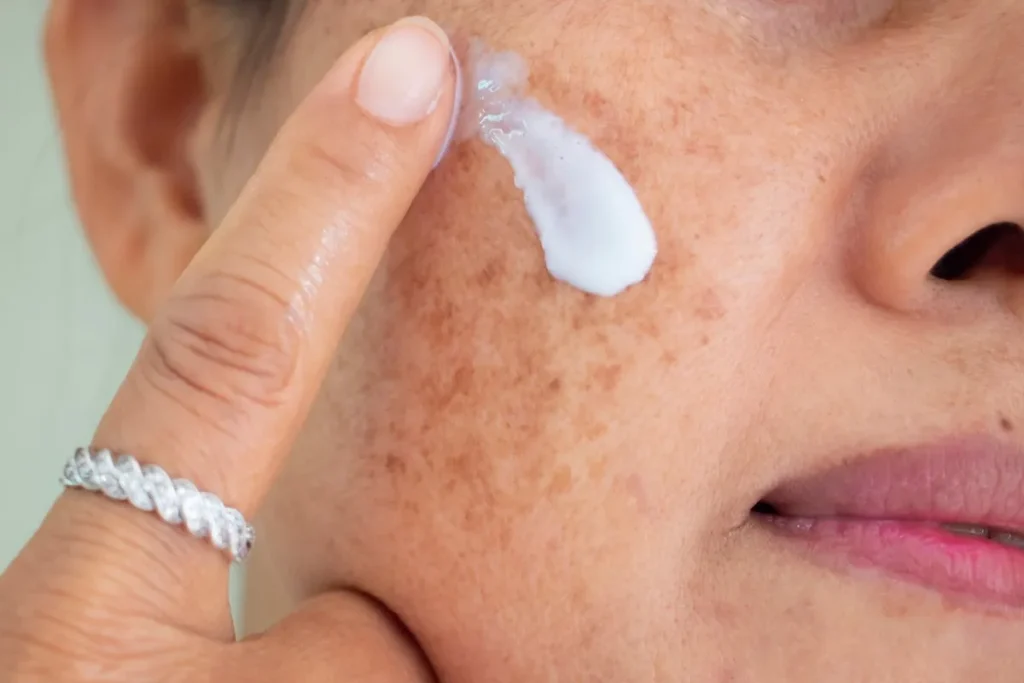
Als je finasteride gebruikt tegen haaruitval of BPH, is het belangrijk om te weten hoe je de bijwerkingen kunt verminderen. Finasteride, een 5-alpha-reductaseremmer, is meestal veilig maar kan bij sommige mensen effect hebben. Het werkt goed tegen haaruitval en BPH, maar kan bijwerkingen veroorzaken, zoals huiduitslag.
Om deze problemen te verminderen, is het belangrijk om de risico's te kennen en vroegtijdig te handelen. Voor meer tips over het omgaan met finasteride bijwerkingen, bekijk hoe je bijwerkingen van finasteride kunt verminderen. Als je goed geïnformeerd bent en de juiste stappen neemt, kun je genieten van de voordelen van finasteride en tegelijkertijd de nadelen ervan verminderen.
Belangrijkste opmerkingen
Begrijp de mogelijke bijwerkingen van finasteride, waaronder huiduitslag.
Overweeg een lagere dosis om de bijwerkingen te verminderen.
Kijk naar andere behandelingen zoals topische minoxidil.
Houd er een gezonde levensstijl op na om je algehele gezondheid een boost te geven.
Let op symptomen en vertel het je arts als ze veranderen.
Finasteride en veelvoorkomende bijwerkingen begrijpen
Finasteride is een geneesmiddel dat wordt gebruikt om haaruitval en prostaatproblemen te behandelen. Het blokkeert het hormoon DHT, dat haaruitval en prostaatgroei veroorzaakt. Dit helpt mannen met deze problemen.
Wat is Finasteride en het primaire gebruik ervan
Finasteride is er in doses van 1 mg en 5 mg. De 1 mg is voor haaruitval en de 5 mg is voor prostaatproblemen. Het helpt haar te groeien en de prostaat te krimpen. Studies tonen aan dat het haar dikker kan maken en haaruitval kan vertragen.
Het werkt door het 5-alpha-reductase enzym te stoppen. Dit enzym zet testosteron om in DHT. Door DHT te verlagen, vertraagt finasteride haaruitval en bevordert het de groei. Het helpt ook bij prostaatproblemen.
Frequentie en soorten bijwerkingen
Finasteride is meestal veilig, maar kan bijwerkingen veroorzaken. Deze omvatten een lage geslachtsdrift, problemen met het krijgen van een erectie en problemen met ejaculatie. Deze gaan meestal over als je stopt met het innemen.
Bijwerkingen zijn zeldzaam, maar kunnen voorkomen. Uit een onderzoek bleek dat de meeste mannen die finasteride 1mg gebruikten geen ernstige bijwerkingen hadden. Maar het is belangrijk om met je arts te praten over eventuele zorgen.
Finasteride kan ook huiduitslag veroorzaken, maar dit komt zelden voor. Let op huidveranderingen en vertel het uw arts.
Finasteride huiduitslag: Oorzaken en identificatie
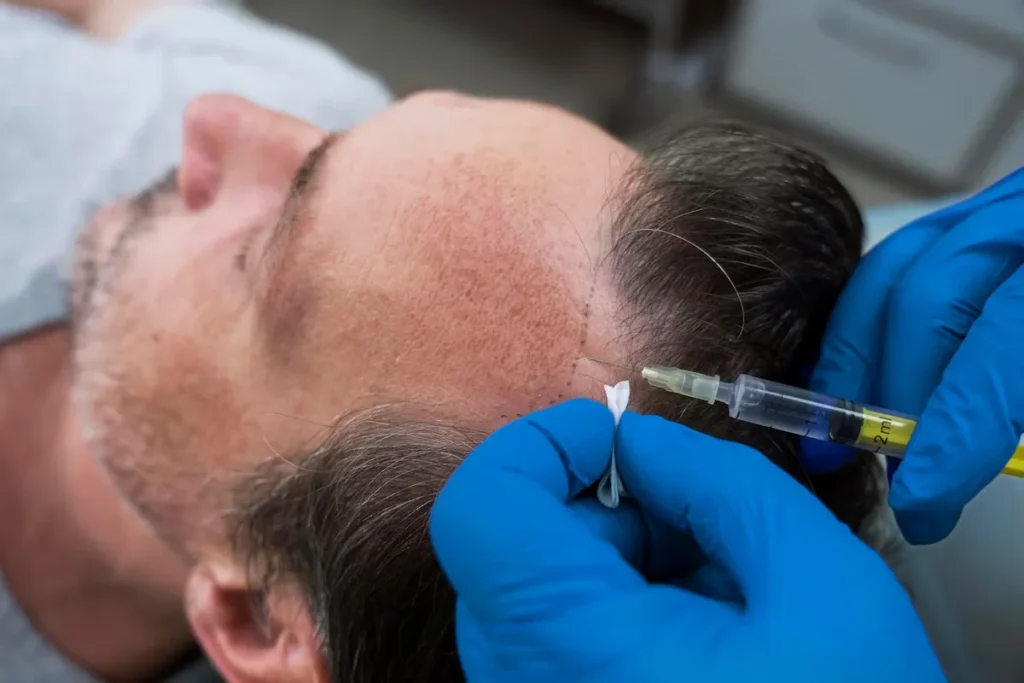
Huiduitslag door finasteride is zeldzaam, maar wel ernstig voor mensen die dit medicijn gebruiken. Finasteride helpt bij mannelijke kaalheid en goedaardige prostaathyperplasie. Maar zoals alle medicijnen kan het bijwerkingen veroorzaken, waaronder huidreacties.
Vaak voorkomende dermatologische reacties
Finasteride kan verschillende huidreacties veroorzaken. Deze omvatten maculopapulaire erupties, urticariële uitslag en psoriasiforme medicijnerupties. Dit is de manier van het lichaam om te reageren op het medicijn en kan mild of ernstig zijn.
Hoewel deze reacties zeldzaam zijn, moet er snel aandacht aan worden besteed. Let op zwelling, uitslag, jeuk, ademhalingsproblemen en duizeligheid.
Onderscheid maken tussen allergische en niet-allergische reacties
Het is belangrijk om te weten of uitslag een allergische of niet-allergische reactie is. Allergische reacties zijn ernstiger en hebben betrekking op het immuunsysteem. Niet-allergische reacties zijn meestal milder en hebben geen invloed op het immuunsysteem.
Tekenen van een allergische reactie zijn netelroos, hevige jeuk en ademhalingsproblemen. Niet-allergische reacties kunnen zich uiten in roodheid of lichte jeuk. Als je deze symptomen ziet, ga dan meteen naar een dokter.
Praktische methoden om bijwerkingen van finasteride te minimaliseren
Om de bijwerkingen van finasteride te verminderen, is een gedetailleerd plan nodig. Dit omvat het aanpassen van de dosering, het uitproberen van topische alternatieven en een goede huidverzorging. Deze stappen helpen de bijwerkingen te verminderen en de behandeling comfortabeler te maken.
Dosering en toedieningstijd optimaliseren
De dosering van finasteride veranderen met de hulp van een arts kan de bijwerkingen verminderen. Het op een bepaald tijdstip innemen kan ook helpen. Een avonddosis kan bijvoorbeeld problemen overdag, zoals duizeligheid of hoofdpijn, verminderen.
Overwegingen met betrekking tot doseringsaanpassing:
Overleg altijd met een arts voordat je de dosering verandert.
Let op bijwerkingen om te zien of de nieuwe dosering beter werkt.
Houd veranderingen in bijwerkingen bij en deel deze met je arts.
Topische alternatieven en hun voordelen
Topische finasteride is een nieuwe optie die mogelijk minder bijwerkingen heeft dan pillen. Het wordt op de hoofdhuid aangebracht, waarbij de focus ligt op de haarzakjes en de rest van het lichaam wordt vermeden.
Voordelen van topische finasteride:
Het zou minder systemisch geabsorbeerd kunnen worden, wat de risico's op bijwerkingen zou kunnen verlagen.
Het richt zich op de hoofdhuid, waardoor het effectiever is tegen haaruitval.
Het zou minder bijwerkingen kunnen hebben dan orale finasteride.
Maar het is belangrijk om te weten dat topische finasteride plaatselijke problemen kan veroorzaken, zoals irritatie, roodheid en droogheid. Een goede huidverzorging kan deze problemen helpen verminderen.
Huidverzorgingsstrategieën voor de behandeling van huiduitslag
Een goede huidverzorging is de sleutel tot het behandelen en voorkomen van finasteride-gerelateerde uitslag. Gebruik zachte, geurvrije reinigingsmiddelen en vochtinbrengende crèmes om je huid te kalmeren en te beschermen.
Door deze strategieën te gebruiken, kun je de bijwerkingen van finasteride beheersen en je huid gezond en in balans houden.
Conclusie: Geïnformeerde beslissingen nemen over de behandeling met Finasteride
Het is belangrijk om de bijwerkingen van finasteride te begrijpen. Het helpt de voordelen en risico's in balans te brengen. Door goed geïnformeerd te blijven en samen te werken met zorgverleners, kun je slimme keuzes maken over je behandeling.
Finasteride huiduitslag en andere bijwerkingen kunnen voorkomen. Maar er zijn manieren om ze te beheersen. De dosering aanpassen, topische behandelingen proberen en een goede huidverzorging kunnen helpen. Op deze manier kunt u genieten van de voordelen van Finasteride zonder uw gezondheid te schaden.
Stoppen met de medicatie verhelpt de bijwerkingen vaak binnen een paar weken tot maanden. Als je de effecten en bijwerkingen van finasteride kent, kun je stappen ondernemen om de risico's te verminderen. Dit zorgt voor een betere behandelervaring.
FAQ
Wat zijn de meest voorkomende bijwerkingen van Finasteride?
Finasteride kan een verminderd libido, erectiestoornissen en problemen met ejaculatie veroorzaken. Sommige mensen kunnen ook huiduitslag of jeuk krijgen.
Hoe vaak komen bijwerkingen van Finasteride voor?
Bijwerkingen van Finasteride zijn zeldzaam en treffen slechts een klein aantal gebruikers. De ernst kan variëren op basis van dosering en timing.
Wat is huiduitslag door Finasteride en hoe wordt het herkend?
Huiduitslag door Finasteride is een reactie die roodheid en jeuk kan veroorzaken. Het is belangrijk om het verschil te zien tussen allergische en niet-allergische reacties.
Hoe kan ik het risico op bijwerkingen van Finasteride verminderen?
Om het risico op bijwerkingen te verlagen, kun je proberen je dosering en timing aan te passen. Kijk naar topische alternatieven en gebruik een goede huidverzorging. Praat altijd eerst met een arts.
Zijn er topische alternatieven voor Finasteride?
Ja, er zijn topische opties zoals minoxidil tegen haaruitval. Deze kunnen verschillende bijwerkingen hebben en kunnen samen met of in plaats van Finasteride worden gebruikt.
Hoe kan ik omgaan met huiduitslag door Finasteride?
Om huiduitslag onder controle te krijgen, moet je zachte producten gebruiken en irriterende stoffen vermijden. Breng crèmes of zalven aan om de huid te kalmeren. Soms moet je de dosering of behandeling veranderen.
Kan Finasteride haaruitval als bijwerking hebben?
Hoewel Finasteride haaruitval behandelt, kunnen sommige mensen dit als bijwerking ervaren. Dit komt zelden voor. Praat altijd met een arts als u zich zorgen maakt over haaruitval.
Wat zijn de voordelen van het gebruik van Finasteride voor de behandeling van haaruitval?
Finasteride kan haaruitval vertragen en de groei bevorderen. Het heeft een bewezen staat van dienst en is over het algemeen veilig met weinig ernstige bijwerkingen.
Referenties
Nationaal Centrum voor Biotechnologie-informatie. Maculopapulaire drugsuitslag veroorzaakt door finasteride: Een casusverslag. Opgehaald van https://pmc.ncbi.nlm.nih.gov/articles/PMC10661891/





