

Discover how folic acid can give you a radiant glow and timeless beauty. It’s a key player in hair health, helping with cell division and hair follicle regeneration.
Nourishing your hair starts from the inside. Folic acid is vital for DNA synthesis and making red blood cells. It’s essential for your hair’s health. A lack of folic acid can lead to hair loss and early graying, showing its importance.
At GoldCity Center, we focus on evidence-based information and personalized care. We aim to find the root cause of hair loss. This way, you can get the hair you’ve always wanted.
Belangrijkste opmerkingen
Folic acid is key for cell division and hair follicle growth.
A lack of folic acid can cause hair loss and early graying.
Folic acid helps with DNA synthesis and making red blood cells.
Using folic acid can improve your hair’s overall health.
Personalized care and evidence-based info can tackle hair loss causes.
Foliumzuur en de rol ervan in de gezondheid van het haar begrijpen
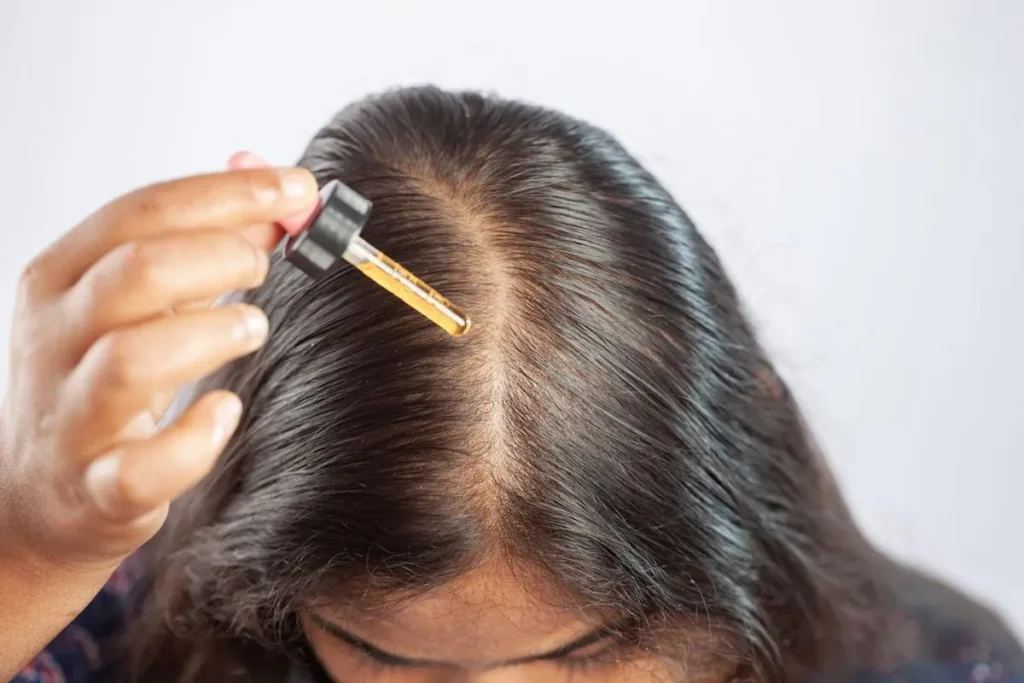
Folic acid, or vitamin B9, is key for hair growth. It helps with DNA making and keeps blood flowing well.
What Is Folic Acid and Vitamin B9
Folic acid, also called vitamin B9, is a water-soluble vitamin. It’s vital for making DNA and fixing cells. Folic acid is very important for hair health because it helps hair follicles grow fast.
Not having enough folic acid can cause hair growth problems. Eating foods rich in folic acid, like leafy greens and legumes, helps keep hair healthy.
How Folic Acid Supports DNA Synthesis and Cell Division
Folic acid helps make DNA, which is key for cell division. Healthy cell division is the base of hair growth. It lets hair follicles make new hair shafts all the time. This makes hair stronger and healthier.
Folic acid also helps the scalp stay healthy. A healthy scalp is better for hair growth.
Folic Acid’s Impact on Blood Circulation to Hair Follicles
Good blood flow is needed to bring oxygen and nutrients to hair follicles. Folic acid helps blood flow better. More blood flow means hair follicles get the nutrients they need for growth.
In conclusion, folic acid is important for hair health. It helps with DNA, cell division, and blood flow. Getting enough folic acid is key for healthy hair growth.
Folic Acid for Hair Loss: What the Research Shows

Studies on folic acid and hair loss show promising results. They suggest a link between folate deficiency and hair thinning. Understanding how folic acid affects hair health is key.
The Connection Between Folate Deficiency and Hair Thinning
Folate deficiency can lead to hair loss. Research shows that those with folate deficiencies often have thinner hair. Folic acid is important for DNA and cell division, which help hair grow.
Folic acid supplementation can help with hair growth. But, always talk to a healthcare professional before starting supplements.
Studies on Alopecia Areata and Folate Levels
Alopecia areata causes patchy hair loss. People with this condition often have lower folate levels. A study in the Journal of Clinical and Aesthetic Dermatology found that folic acid supplements can help.
Folic Acid’s Relationship with Other B Vitamins for Hair Health
Folic acid is not the only B vitamin important for hair. Biotin, vitamin B12, and vitamin B6 also help. Eating foods rich in these vitamins or taking supplements can support hair growth.
The connection between folic acid and other B vitamins shows the need for a complete approach to hair health. Getting enough of these nutrients can help hair grow and prevent loss.
Practical Applications of Folic Acid for Hair Growth
To make the most of folic acid for hair growth, you need a mix of diet, supplements, and lifestyle changes. Eating folic acid-rich foods and using supplements can help your hair grow strong and prevent loss.
Food Sources Rich in Folic Acid
Eating foods high in folic acid is key for hair growth. Spinach, kale, lentils, chickpeas, nuts, and citrus fruits are great sources. Adding these to your meals can boost your folic acid intake. For instance, a spinach serving can meet a big part of your daily needs.
Supplementation Guidelines and Optimal Dosage
Even with a good diet, supplements can fill in nutritional gaps. Adults need 400 micrograms of folic acid daily. But, those with hair loss or folate deficiency might need more. Always talk to a doctor to find the right amount for you. For more on folic acid and hair health, check out this resource.
Who Benefits Most from Folic Acid Supplementation
Supplements are most helpful for those with folate deficiency, hair loss due to diet, or alopecia areata. Pregnant women and people with certain health issues might also need more folic acid. A doctor can advise if supplements are right for you.
By eating well, using supplements wisely, and making healthy lifestyle choices, you can unlock folic acid’s full power. This will help your hair grow strong and keep your scalp healthy.
Conclusie
Folic acid, or vitamin B9, is key for healthy hair. Without enough, hair can thin and fall out. It’s a must-have in hair growth products.
It helps make keratin, a protein in hair, stronger. This leads to healthier hair.
Adding folic acid supplements to your hair care can change your hair for the better. Products like Neofollics Hair Growth Supporting Tablets have folic acid. Take 1-3 tablets daily to help your hair grow. Learn more about folic acid for hair at Neofollics’ article on folic acid.
Knowing how folic acid helps hair health is important. Taking steps to get enough can make your hair shine. Folic acid boosts blood flow and fights inflammation, making it vital for hair health.
FAQ
Helpt foliumzuur echt bij de haargroei?
Yes, folic acid is key for hair growth. It helps with DNA synthesis and cell division. These are vital for healthy hair follicles.
Kan een tekort aan foliumzuur haaruitval veroorzaken?
Yes, not enough folic acid can cause hair loss. It affects hair follicle health and the hair growth cycle.
How does folic acid interact with other B vitamins for hair health?
Folic acid works with vitamins B12 and biotin for hair health. Together, they support cell division, DNA synthesis, and energy for hair growth.
What are the best food sources of folic acid for hair growth?
Good sources of folic acid include spinach, kale, chickpeas, black beans, and fortified cereals. They help support hair health.
Who benefits most from folic acid supplementation for hair loss?
Those with folic acid deficiency, hair loss due to nutrition, and people with alopecia areata can benefit from supplements.
Is it possible to get too much folic acid, and can it cause hair loss?
Too much folic acid can hide vitamin B12 deficiency. But, it’s not usually linked to hair loss.
Hoe lang duurt het voordat je de effecten van foliumzuur op de haargroei ziet?
Seeing hair growth improvements from folic acid can take months. It requires consistent use and a balanced diet.
Can folic acid be used in conjunction with other hair growth treatments?
Yes, folic acid can be used with treatments like minoxidil or biotin. It might make them work better.
Referenties
Nationaal Centrum voor Biotechnologie-informatie. De rol van vitaminen en mineralen bij haaruitval: een overzicht. Opgehaald van https://pmc.ncbi.nlm.nih.gov/articles/PMC6380979/





