
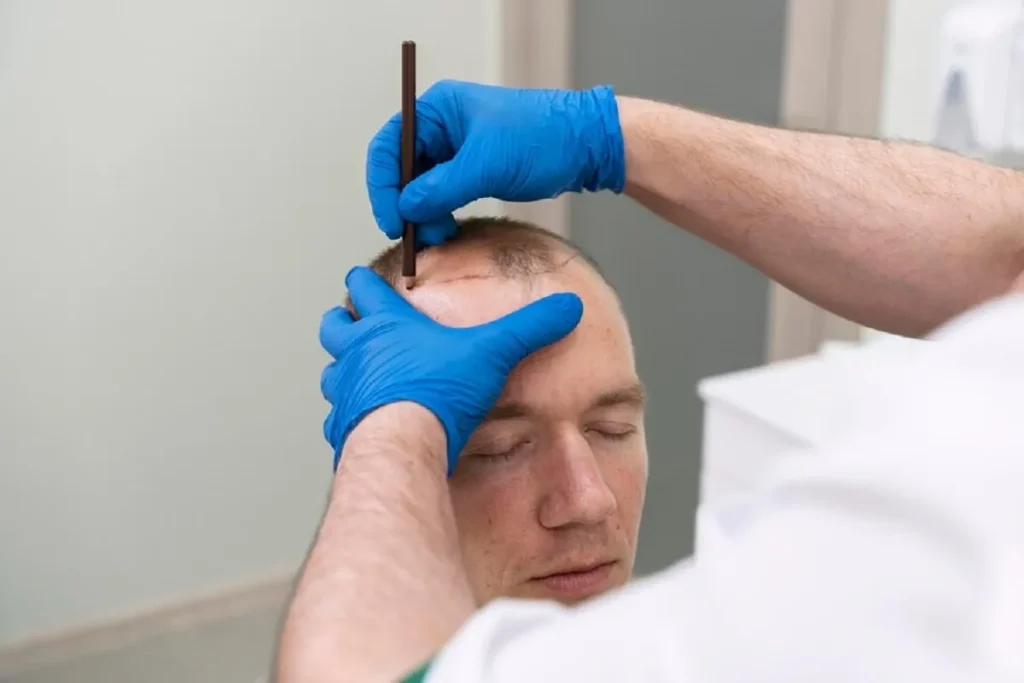
Hair loss affects up to 50% of men and women worldwide. Hair transplant surgery is popular but not for everyone. This is due to limited donor hair or a dislike for invasive methods.
Fortunately, many non-surgical alternatives have emerged. These options help address hair loss without surgery.
There are many scientifically-proven treatments available. They cater to different needs. In this article, we’ll look at seven non-surgical hair replacement options. These options have shown great results in boosting confidence and appearance.
Belangrijkste opmerkingen
Non-surgical alternatives to hair transplant surgery are on the rise.
These alternatives cater to individual needs and preferences.
Scientifically-proven treatments offer promising results.
Non-invasive procedures reduce risks and recovery time.
Personalized pathways to restore confidence and appearance are now available.
The Growing Need for Hair Transplant Alternatives
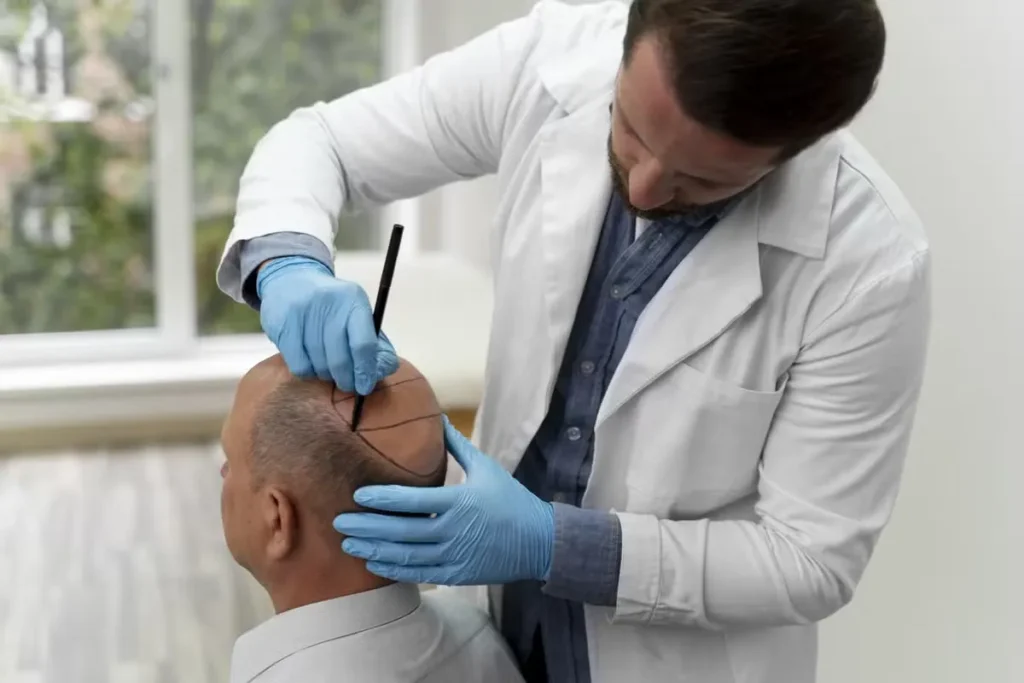
Hair loss is a big worry for many, leading to a search for non-surgical fixes. It affects a lot of people, changing how they look and feel about themselves.
Hair Loss Statistics and Impact
About 50% of men and women have hair loss by 50. It’s not just about looks. It can also hurt how they see themselves and feel confident.
Over 80 million men and women in the United States alone suffer from hair loss.
Hair loss can be caused by genetics, hormonal changes, and medical conditions.
The emotional impact of hair loss can lead to anxiety, depression, and reduced quality of life.
Benefits of Non-Surgical Approaches
Non-surgical hair transplant alternatives have many benefits:
Minimal downtime: You can go back to your daily life quickly, without a long recovery.
Reduced risk: These methods avoid surgery’s risks, like infections and scars.
Customizability: Treatments can be made to fit your specific needs and hair loss situation.
For those looking into hair transplant alternatives, non-surgical options are a good choice. Knowing about hair loss helps us see why these alternatives are important.
Pharmaceutical Hair Transplant Alternatives
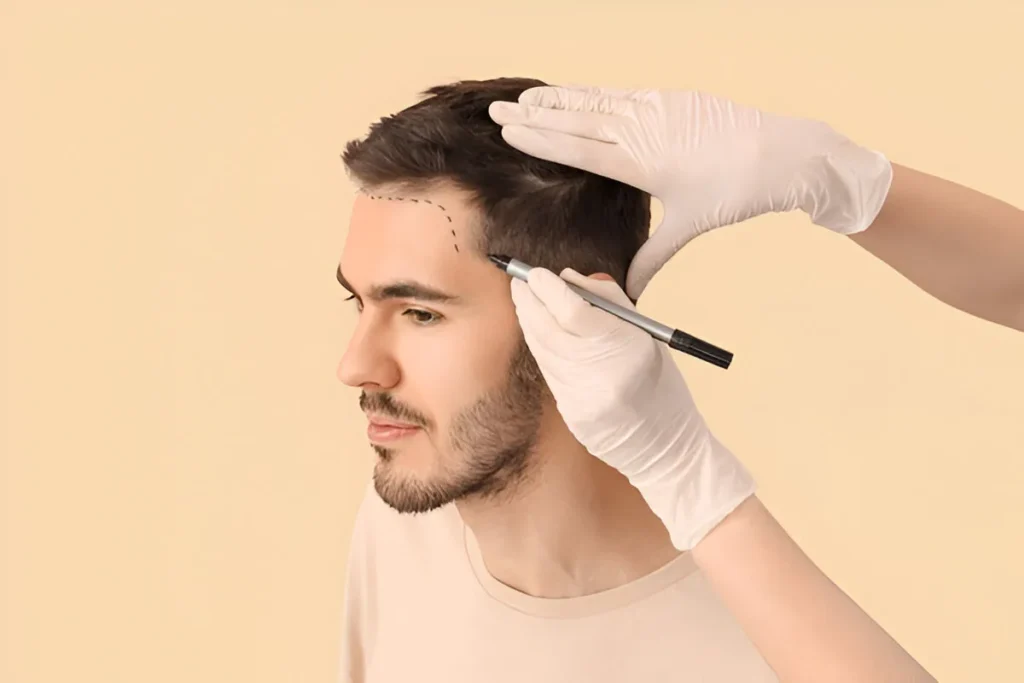
Pharmaceuticals have become a strong alternative to surgical hair restoration methods. Medications like minoxidil and finasteride are well-known for treating hair loss.
Minoxidil (Rogaine): Mechanism and Effectiveness
Minoxidil is a topical solution that increases blood flow to the hair follicles. This encourages hair to grow back. It widens hair follicles and extends the growth phase, slowing hair loss and promoting regrowth.
For more details on minoxidil and other hair loss treatments, visit Numan.
Finasteride (Propecia): DHT Blocking Action
Finasteride blocks the production of DHT, a hormone that shrinks hair follicles. By stopping testosterone from turning into DHT, it slows hair loss and encourages growth. It’s most effective for male pattern baldness.
Minoxidil and finasteride are proven to boost hair growth and slow down loss. These pharmaceutical hair transplant alternatives provide a non-surgical way to regain hair.
5 Advanced Non-Surgical Hair Transplant Alternatives
There are now many non-surgical treatments for hair loss. These new options help people deal with hair loss without surgery.
Bloedplaatjes-rijk plasma (PRP) therapie
PRP therapy uses your own blood to help your hair grow. Your blood is processed to get platelets and growth factors. These are then injected into your scalp to boost hair growth.
Benefits: PRP is a safe, non-surgical treatment. It works well with other hair treatments and makes your scalp healthier.
Low-Level Laser Therapy (LLLT) Devices
LLLT devices use light to help your hair grow. They send out a special light that your scalp absorbs. This light helps your hair grow and reduces inflammation.
Effectiveness: Studies show LLLT devices can help your hair grow. They are often used with other hair treatments.
Micropigmentatie van de hoofdhuid
Scalp micropigmentation is a cosmetic tattoo. It makes your scalp look like it has more hair. This is a non-surgical way to look like you have a fuller head of hair.
Advantages: This treatment lasts a long time and is easy to maintain. It’s great for those with a lot of hair loss or can’t use other treatments.
Hair Fibers and Concealers
Hair fibers and concealers hide thinning hair. They come in sprays, powders, and fibers. These products cling to your hair, making it look fuller.
Instant Results: These products work right away. They’re easy to use and can be part of your daily routine.
There are many non-surgical hair loss treatments now. From PRP therapy and LLLT devices to scalp micropigmentation and hair fibers or concealers, there’s something for everyone.
Conclusion: Selecting the Right Hair Loss Solution
Choosing the right hair loss solution depends on many factors. These include the type and extent of hair loss, age, and personal preferences. The best plan often combines different therapies to meet individual needs.
Exploring hair transplant alternatives like non-surgical options can help. Talking to a certified dermatologist or trichologist is key. They can help decide between alternative to hair transplant surgery or hair transplant non surgical methods.
There are many hair replacement options out there. With the right choice, you can regain your confidence and shine. Selecting the best treatment plan can help you unlock your inner beauty and own it.
FAQ
What are non-surgical hair transplant alternatives?
Non-surgical hair transplant alternatives are treatments for hair loss that don’t involve surgery. They include medicines, PRP therapy, LLLT devices, scalp micropigmentation, and hair fibers or concealers.
How do pharmaceutical hair transplant alternatives work?
These alternatives, like minoxidil and finasteride, help hair grow and stop loss. Minoxidil boosts blood flow to the scalp. Finasteride stops DHT, a hormone that causes hair loss.
What is PRP therapy, and how does it help with hair loss?
PRP therapy uses the patient’s own blood to stimulate hair growth. It’s injected into the scalp. The growth factors in PRP help hair grow and increase density.
Are non-surgical hair transplant alternatives effective?
Yes, they can be effective in growing hair and reducing loss. Effectiveness varies by individual and treatment.
How much do non-surgical hair transplant alternatives cost?
Costs vary by treatment, sessions needed, and location. Prices range from a few hundred to several thousand dollars.
What are the benefits of non-surgical hair transplant alternatives?
Benefits include little downtime, less risk, and tailored treatments. They’re also cheaper and less invasive than surgery.
Can I use hair fibers or concealers as a temporary solution?
Yes, they can temporarily cover hair loss. Available in various colors, they make hair appear thicker.
How do I choose the best non-surgical hair transplant alternative for my needs?
Consider your hair loss cause, budget, and preferences. Talk to a healthcare professional or hair specialist to find the right treatment for you.
Are there any side effects associated with non-surgical hair transplant alternatives?
Most are safe, but some may have side effects. Minoxidil can irritate the scalp, and finasteride may cause sexual side effects. Always discuss risks with a healthcare professional before starting.
Referenties
https://wimpoleclinic.com/blog/how-to-fix-a-messed-up-hairline





