

Getting a hair transplant surgery can boost your confidence. But, it’s important to avoid infection risks. Infections can ruin the transplant if not caught early.
It’s key to pick a trusted clinic. Places like GoldCity Center focus on keeping patients safe from infections. By following aftercare tips, you can lower infection chances and recover well.
Belangrijkste opmerkingen
Choose a reputable clinic with experienced surgeons.
Follow aftercare instructions carefully to minimize infection risk.
Maintain a sanitary environment for your scalp post-surgery.
Be aware of the signs of infection to act promptly.
Adhere to prescribed medication regimens.
Understanding Hair Transplant Infections
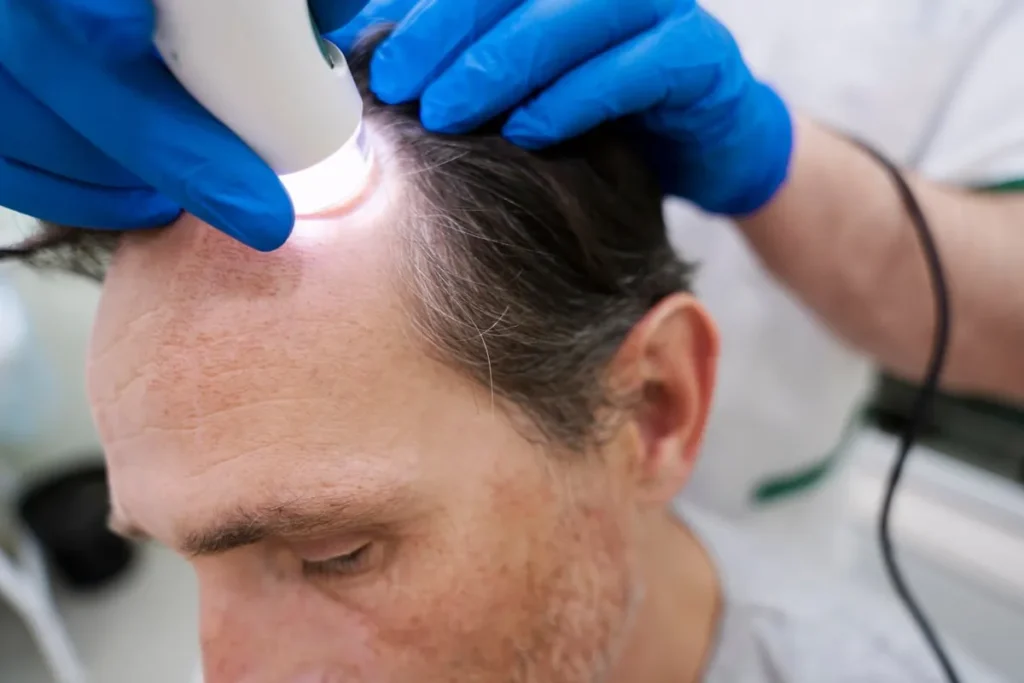
It’s key to know the risks of hair transplant infections for a good outcome. These procedures are usually safe but can face infections. These infections might affect the final result.
Bacterial vs. Sterile Folliculitis
Folliculitis, or inflammation of hair follicles, can happen after a transplant. It’s important to tell the difference between bacterial folliculitis and sterile folliculitis. Bacterial folliculitis comes from a bacterial infection, often Staphylococcus aureus. Sterile folliculitis, though, is not from an infection but from irritation or ingrown hairs.
Bacterial folliculitis shows up as red, pus-filled bumps around the transplanted follicles. It can lead to serious problems if not treated. Sterile folliculitis, while it causes inflammation, doesn’t come from bacteria. It might need different treatment.
Infection Rates and Statistics
Studies show different rates of infections after hair transplants. About 10.96% of cases have bacterial folliculitis. Around 23% of patients deal with sterile folliculitis. These numbers stress the need for good care after surgery and following the surgeon’s advice.
Knowing these stats helps set realistic hopes. It also shows why picking a skilled, board-certified surgeon is key. They work in places that are accredited, lowering the chance of problems.
Risk Factors for Hair Transplant Infection

Several factors can increase the risk of infection after a hair transplant. Knowing these risks helps patients take steps to avoid complications. This knowledge empowers them to manage their recovery better.
Pre-existing Medical Conditions
Some medical conditions can raise the risk of infection after a hair transplant. For example, people with diabetes are three times more likely to get infections. This is because their immune system is weaker. It’s important for patients to tell their surgeon about any health issues before the procedure.
Common Causative Organisms
Many microorganisms can cause infections after a hair transplant. Staphylococcus aureus and Pseudomonas aeruginosa are the most common. These bacteria can cause serious infections if not treated right. A study on postoperative infections in hair transplant surgery shows how important it is to know these organisms (Postoperative Infections in Hair Transplant Surgery).
The Critical First Week Post-Surgery
The first week after a hair transplant is very important. It’s when the risk of infection is highest. Patients must follow their doctor’s instructions carefully during this time. This includes keeping the scalp clean, avoiding hard work, and taking antibiotics as directed.
7 Essential Steps to Prevent Hair Transplant Infection
Preventing infection is key to a successful hair transplant. It requires careful planning and following post-operative care instructions. By taking these steps, patients can lower their risk of complications and have a smooth recovery.
Complete Medical Disclosure Before Surgery
It’s important to share your full medical history with your surgeon before surgery. This includes any health conditions, allergies, or medications you’re taking. Complete medical disclosure helps your surgeon identify risks and take the right precautions.
A thorough medical disclosure should include:
Any previous surgeries or medical conditions
Allergies to medications or materials
Current medications, including supplements and vitamins
Lifestyle factors, such as smoking or excessive alcohol consumption
Select a Board-Certified Surgeon and Accredited Facility
Choosing a board-certified surgeon in an accredited facility is critical. These professionals have the skills and knowledge to perform hair transplants safely.
Follow Post-Operative Cleaning Instructions
Proper post-operative care is vital to prevent infection after a hair transplant. Your surgeon will give you detailed instructions on how to care for your scalp during recovery.
It’s important to follow these instructions carefully. Improper cleaning can lead to infection or complications. This usually involves gently washing the scalp with medicated shampoo and avoiding activities that could disrupt healing.
Take All Prescribed Antibiotics as Directed
If your surgeon prescribes antibiotics for hair transplant patients, it’s important to take them as directed. Antibiotics prevent bacterial infections, which are a big risk after surgery.
Even if you start to feel better before finishing the antibiotics, make sure to complete the course. Stopping early can lead to antibiotic resistance and reduce their effectiveness.
By following these 7 essential steps, patients can significantly reduce their risk of hair transplant infection and ensure a successful, complication-free recovery.
Conclusie
Preventing hair transplant infection is key for a good result. By following seven important steps, you can lower the risk of problems. This ensures a smooth recovery. It’s also important to take good care after and choose a trusted clinic.
Don’t pop pimples after your transplant. It can make things worse. Stick to keeping clean and following your doctor’s advice. With the right steps, you’ll get the look you want.
Take charge of your hair journey. Focus on preventing infections to get a full, healthy head of hair. This brings confidence with it.
FAQ
What are the signs of infection after a hair transplant?
Signs of infection include redness, swelling, and increased pain. Pus around the area is also a sign. If you see these, call your surgeon right away.
Can I get an infection after a hair transplant?
Yes, infections can happen after a hair transplant. But, by following key steps, you can lower this risk a lot.
How can I prevent folliculitis after a hair transplant?
To avoid folliculitis, follow your surgeon’s care instructions. Keep the area clean and take antibiotics as told.
Are hair transplant infections common?
Infections from hair transplants are rare if you take the right precautions. Knowing the risks and taking steps to prevent them can help you recover well.
What should I do if I notice ingrown hair or bumps after my hair transplant?
If you see ingrown hair or bumps, follow your surgeon’s advice. Don’t pick or scratch it, as this can cause infection.
Can diabetes affect the healing process after a hair transplant?
Yes, diabetes can affect healing. Tell your surgeon about any health conditions before the procedure.
Is it normal to experience itchiness after a hair transplant?
Itchiness is normal during healing. But, if it’s severe or with redness or swelling, talk to your surgeon.
Hoe lang duurt het om te herstellen van een haartransplantatie?
Recovery times vary, but most can go back to normal in a week to ten days. Carefully following post-op instructions helps a smooth recovery.
Can I pop pimples or bumps after a hair transplant?
No, don’t pop pimples or bumps after a hair transplant. It can cause infection or scarring. Ask your surgeon for advice on skin issues.
Referenties
National Center for Biotechnology Information. Evidence-Based Medical Insight. Retrieved from https://pmc.ncbi.nlm.nih.gov/articles/PMC6371733/





