
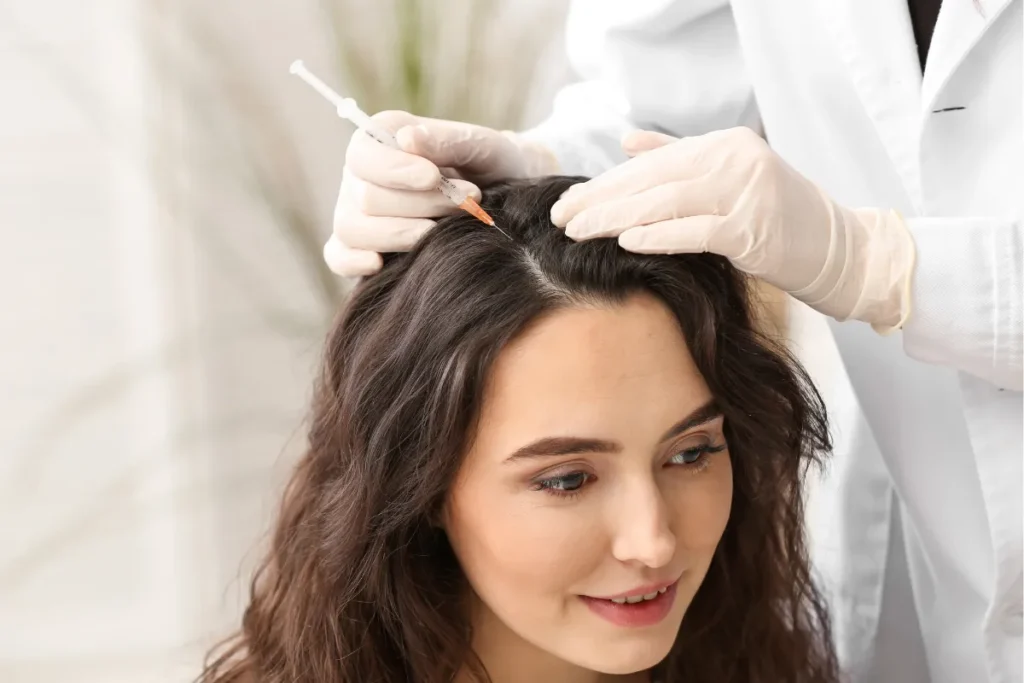
Hair loss is a big problem worldwide, affecting up to 80% of men and 50% of women. It often starts because of genetics. But, hormonal changes, medical conditions, and not getting enough nutrients also cause it.
Knowing why hair falls out is key to finding good treatments. Medical experts say many things can make hair fall out. This includes alopecia areata and ringworm. In this article, we’ll look at the 7 main reasons for hair loss and thinning hair.
Belangrijkste opmerkingen
Genetic predisposition is a primary cause of hair loss.
Hormonal changes and certain medical conditions contribute to hair shedding.
Nutrient deficiencies, such as low zinc and iron, are linked to hair loss.
Inzicht in de oorzaken is essentieel voor een effectieve behandeling.
Various factors, including alopecia areata, contribute to hair loss.
De wetenschap achter haaruitval
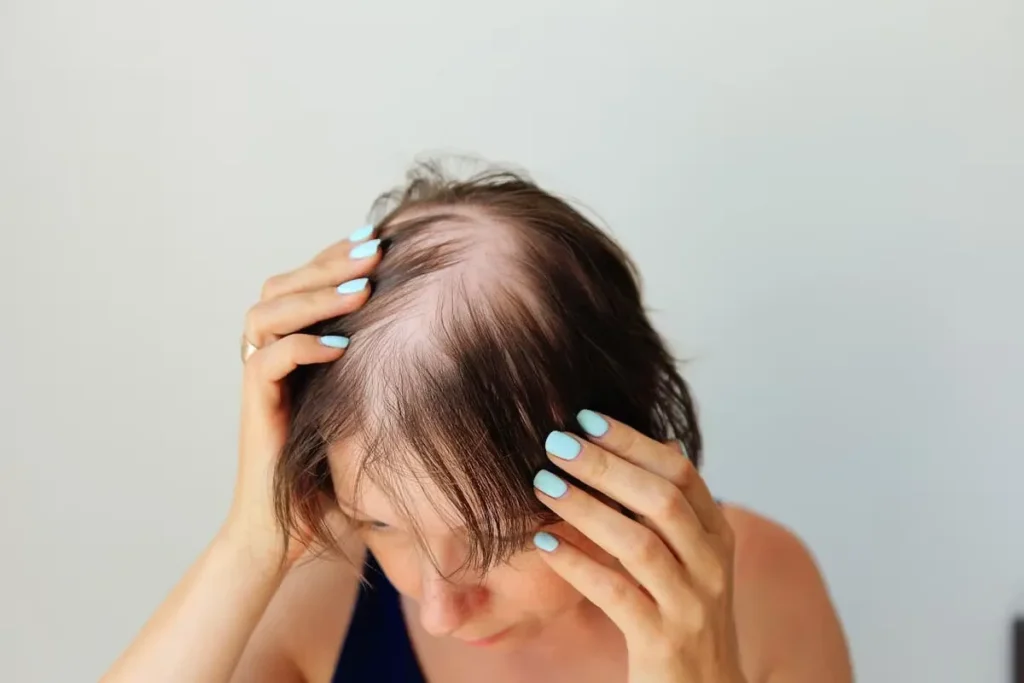
To tackle hair loss, we must understand the biological processes behind hair growth and shedding. Hair loss, or alopecia, affects millions globally, causing distress and impacting self-esteem.
How Normal Hair Growth Works
Hair grows in cycles. Each cycle has a growth phase (anagen phase), a transitional phase (catagen phase), and a resting phase (telogen phase). Most hairs are in the anagen phase, lasting several years.
According to the American Academy of Dermatology, shedding 50-100 hairs daily is normal. This is part of the hair growth cycle.
The Prevalence of Hair Loss Worldwide
Hair loss affects people of all ages and backgrounds. Statistics show that by 50, about 50% of men and women experience hair loss. Many factors contribute to hair loss, including genetics, hormonal changes, and medical conditions.
Knowing the causes of hair loss helps individuals take action. By understanding the factors behind hair loss, people can seek treatments and make lifestyle changes. This promotes healthier hair growth.
Genetische en hormonale factoren
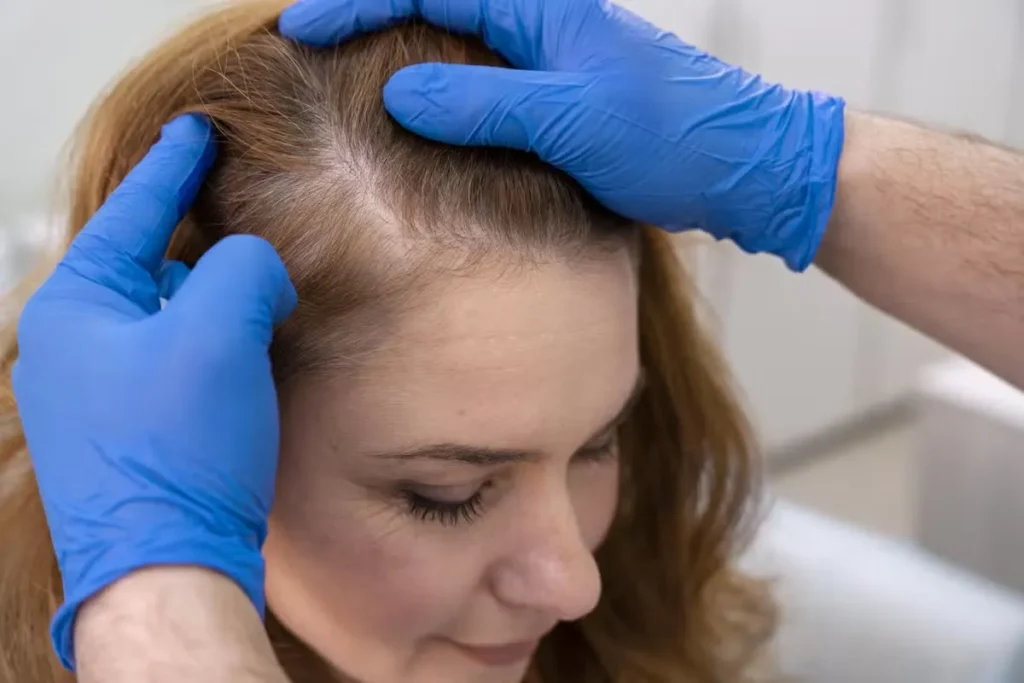
Hair loss often comes from genetic predisposition and hormonal imbalances. These are big reasons for androgenetic alopecia, a common hair loss problem in both men and women.
Genetische aanleg
Genetics play a big role in hair loss. If your family has a history of baldness or thinning hair, you might lose hair too. Androgenetic alopecia, or male or female pattern baldness, is linked to hormone sensitivity, like dihydrotestosterone (DHT).
Inherited genes from parents can lead to hair loss.
This condition causes hair thinning, mainly on the top and crown.
Knowing your genetic risk can help find the right treatments.
Hormonale veranderingen en onevenwichtigheden
Hormonal shifts are also key in hair loss. Too much androgens like DHT can shrink hair follicles and shorten the hair growth cycle. Hormonal imbalances can happen for many reasons, like:
Puberty and hormone level changes.
Pregnancy and postpartum hormonal shifts.
Menopause and the drop in estrogen.
Fixing these hormonal imbalances is important for managing hair loss.
Health Problems That Cause Hair Loss
Hair loss can be caused by many health problems. These include autoimmune diseases and nutritional deficiencies. It’s important to know these issues to tackle hair loss effectively.
Autoimmune Conditions
Autoimmune diseases happen when the body attacks its own cells. Alopecia areata is a common one that leads to hair loss. The immune system attacks hair follicles, causing patches of hair loss on the scalp or body.
The exact cause of alopecia areata is not fully understood. It’s thought to be a mix of genetics and environment.
Medische aandoeningen
Some medical conditions can also cause hair loss. For example, thyroid problems like hypothyroidism or hyperthyroidism can make hair thin or fall out. Polycystic ovary syndrome (PCOS) can also lead to hair loss due to hormonal imbalances.
Also, skin conditions like eczema or psoriasis can cause hair loss if they affect the scalp.
Voedingstekorten
Nutritional deficiencies are key to hair health. Not getting enough vitamins and minerals, like iron, vitamin D, or zinc, can harm hair growth. Eating a balanced diet or taking supplements can help prevent hair loss from nutritional deficiencies.
It’s essential to address the underlying health issues to manage hair loss. By understanding the causes and taking action, people can improve their hair health and confidence.
Triggers door levensstijl en omgeving
Our hair’s health is affected by many things, like our lifestyle and environment. While genetics and health issues are known causes of hair loss, our daily choices and surroundings also play a big role.
Stress and Psychological Factors
Stress, both physical and emotional, can cause hair loss. It disrupts the normal hair growth cycle, leading to more hair falling out. Stress causing hair loss is common, with telogen effluvium being a prime example. This condition makes more hair follicles rest, causing noticeable hair loss.
Psychological issues like anxiety and depression can also lead to hair loss. Mental health and hair health are closely linked. Medical Expert, “Stress, both physical and emotional, can disrupt the hair growth cycle, leading to hair loss.” Understanding this connection is key to effectively addressing hair loss.
High levels of stress can lead to hair loss.
Psychological factors like anxiety and depression can make hair loss worse.
Managing stress through relaxation techniques can help reduce hair loss.
External Damage
External damage is another big factor in hair loss. Practices like using too much heat, tight hairstyles, and chemical treatments can weaken hair and cause breakage. These practices can harm hair health over time, leading to noticeable thinning.
To reduce external damage, it’s best to use gentler hair care practices. This means using heat styling less, avoiding tight hairstyles, and choosing gentler hair care products.
By understanding the role of lifestyle and environmental triggers in hair loss, we can take steps to protect our hair. This includes managing stress, adopting healthier hair care practices, and being mindful of external factors that can damage hair.
Conclusie
Understanding why we lose hair is key to getting it back. Genetics, hormonal shifts, health issues, and lifestyle factors all affect hair loss.
Effective treatment starts with tackling these causes. Healthy habits and proper hair care can prevent or lessen hair loss. This means managing stress, eating well, and using gentle hair products.
If you’re losing hair, there’s hope. The right strategies and care can boost hair health and overall well-being. By being proactive, you can achieve a full, healthy head of hair.
FAQ
Wat zijn de belangrijkste oorzaken van haaruitval?
Hair loss can happen for many reasons. These include genetics, hormonal changes, and autoimmune conditions. Medical conditions, nutritional deficiencies, stress, and external damage also play a part.
How do genetic and hormonal factors contribute to hair loss?
Genetics can lead to androgenetic alopecia, causing hair to thin or fall out. Hormonal changes, like those involving DHT, can also cause hair loss. They shrink hair follicles and shorten the hair growth cycle.
What health problems can lead to hair loss?
Several health issues can cause hair loss. This includes autoimmune conditions like alopecia areata. Thyroid disorders, polycystic ovary syndrome (PCOS), and nutritional deficiencies are also culprits.
Hoe beïnvloedt stress de gezondheid van je haar?
Stress, whether physical or emotional, can disrupt hair growth. It can lead to hair loss. Psychological factors like anxiety or depression can also contribute to hair loss.
What lifestyle changes can help prevent hair loss?
To prevent hair loss, adopt healthy habits. Reduce stress and eat a balanced diet. Use gentle hair care practices. Avoid excessive heat styling, tight hairstyles, and chemical treatments.
Can nutritional deficiencies cause hair loss?
Yes, not getting enough essential vitamins and minerals can harm hair growth. It can lead to excessive shedding.
What are some common causes of thinning hairline?
Thinning hairline can be due to genetics, hormonal changes, stress, and external damage.
Hoe kan ik mijn haaruitval aanpakken?
To tackle hair loss, first understand its causes. Address health issues, adopt healthy habits, and use proper hair care.
What are the main causes of hair thinning in men?
Hair thinning in men often stems from genetics, hormonal changes, and certain medical conditions.
Can hair loss be treated?
Yes, hair loss can be treated. Address the causes and use effective treatments. This may include medications, lifestyle changes, and hair care practices.
Referenties
JAMA Network. Evidence-Based Medical Insight. Retrieved from https://jamanetwork.com/journals/jamadermatology/fullarticle/2795266





