
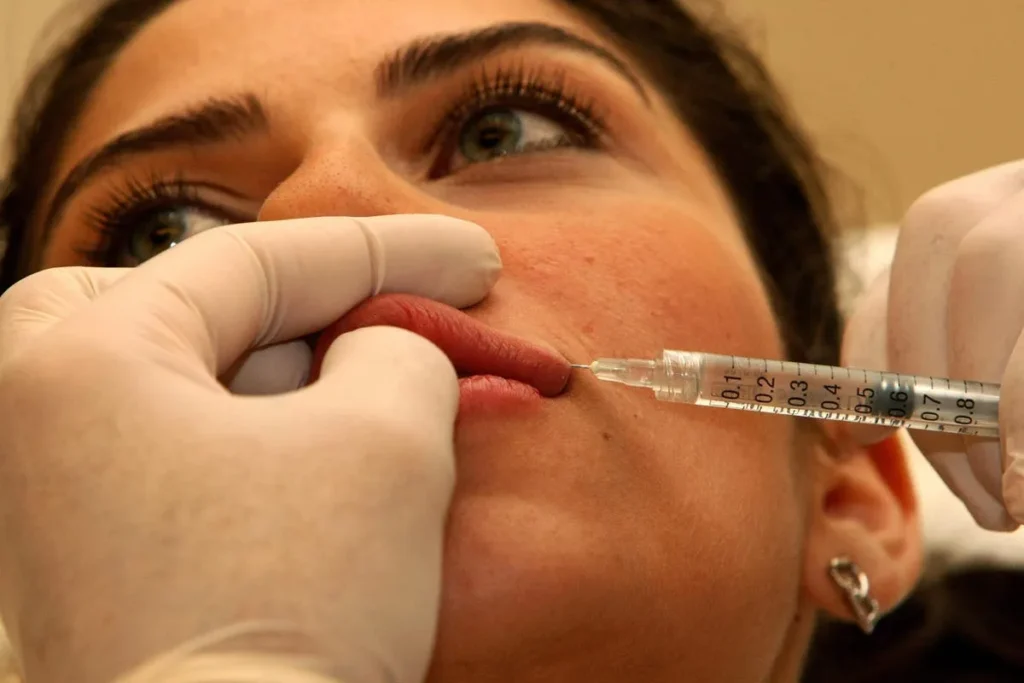
Infected Lip Filler requires quick action! Get our best fast relief tips and medical solutions to treat infection and restore your perfect smile.
Many people choose cosmetic enhancements to look their best. But, infections can happen, even though they’re rare. Lip fillers are usually safe, but there’s a small chance of getting an infection, from 1 in 500 to 1 in 2500.
It’s important to know the early signs of infection. These symptoms usually show up within a week after getting the treatment. Look out for redness, swelling, pain, warmth, and tenderness at the injection site. Knowing these signs helps you act fast to keep your health and beauty.
Belangrijkste opmerkingen
Understand the risks associated with lip filler procedures.
Recognize early warning signs of infection, such as redness and swelling.
Timely intervention is key for effective treatment.
Staying alert is essential for your health and beauty.
Lip filler infections, though rare, need quick action.
Understanding Lip Filler Complications
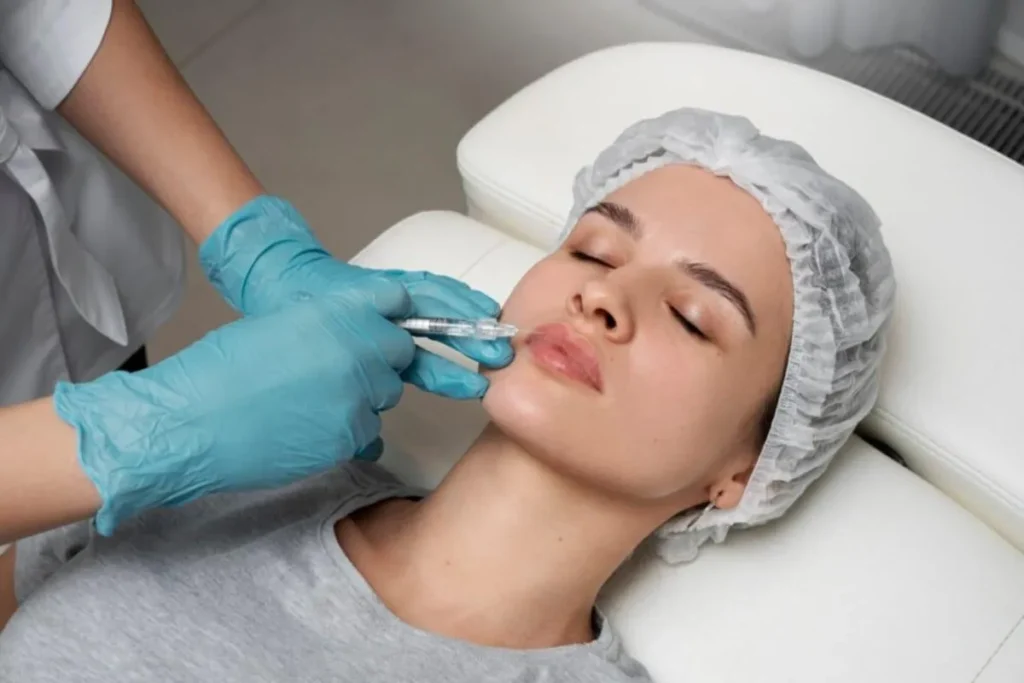
Lip fillers can make your lips look great, but they also have risks. Infection is a big worry with any cosmetic procedure.
Complications can happen for many reasons. These include bad hygiene, dirty environments, or wrong injection methods. Knowing these reasons helps prevent and manage problems.
How Common Are Lip Filler Infections?
Infections after lip fillers are serious. Research shows infections can happen, but it’s good to know the risks.
Choosing a skilled doctor who follows strict cleanliness rules can lower infection chances. Even though infections are rare, they can happen.
Risk Factors for Infection
Several things can make getting an infection more likely after lip fillers. These include:
Poor hygiene practices
Unsterile environments
Improper injection techniques
Pre-existing medical conditions
Knowing these risk factors helps you take steps to avoid infection.
Common Bacterial Culprits
Some bacteria are often linked to lip filler infections. Staphylococcus aureus and Streptococcus pyogenes are common culprits.
Knowing which bacteria cause infections helps in finding the right antibiotics for treatment.
By understanding the risks and causes of lip filler infections, you can prevent them. This ensures your lip filler procedure is safe and successful.
Identifying an Infected Lip Filler
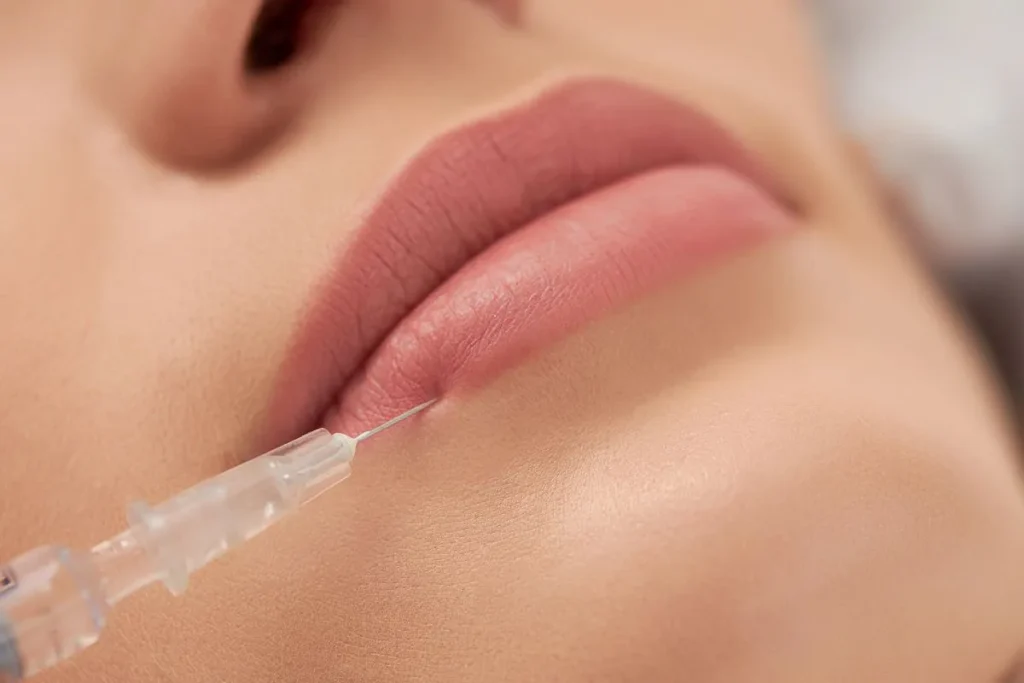
Spotting an infected lip filler means watching for certain signs in the first 72 hours after treatment. This is key to getting help quickly and avoiding bigger problems later.
Early Warning Signs Within 72 Hours
Right after getting lip fillers, keep an eye out for early signs of infection. Look for increasing pain, redness, and swelling that’s more than usual.
Pain that gets worse over time
Redness that goes beyond the injection area
Swelling that doesn’t go down with cold packs
Severe Infection Indicators
Severe infection signs include pus discharge, fever, or symptoms getting much worse. These need immediate medical attention to avoid serious issues.
Differentiating Between Normal Swelling and Infection
Telling normal swelling from infection signs is important. While some swelling is okay, look out for increased redness, warmth, or pus. These are warning signs.
Wanneer onmiddellijk medische hulp inroepen
If you have trouble breathing, severe swelling, or pain that gets much worse, get help right away. These could mean a serious infection that needs quick treatment.
Difficulty breathing or swallowing
Severe swelling that changes your face
Pus or discharge from the injection site
Treatment Options for Infected Lip Filler
Treating infected lip fillers requires a mix of strategies. This depends on how serious the infection is. Care must be thorough, using different treatments.
Antibiotic Therapy Approaches
Antibiotics are key in treating infected lip fillers. The choice between topical and oral antibiotics depends on the infection’s severity. Topical antibiotics work for mild cases, while oral antibiotics are for more serious ones.
Common antibiotics for lip filler infections include:
Minocycline: Effective against many bacteria.
Doxycycline: Used for its antibacterial and anti-inflammatory effects.
Clindamycin: Good against various bacterial infections, including anaerobic ones.
Advanced Treatment Methods
For severe or resistant infections, more advanced treatments are needed. These can include:
Needle drainage: A procedure to drain the infected area.
Culture and sensitivity testing: To find the bacteria and the best antibiotic.
Recovery Timeline and Monitoring
The recovery time for infected lip fillers varies. It depends on the infection’s severity and treatment success. Regular monitoring by a healthcare professional is key. This helps track the treatment’s effectiveness and make any needed changes.
Knowing about treatment options helps individuals feel more confident in their care. It’s vital to follow a healthcare professional’s advice for the best results.
Conclusie
It’s important to know the risks of lip fillers for a safe experience. While infections are rare, knowing the signs and taking steps to prevent them can help a lot.
Choosing a skilled practitioner is key to avoiding problems. They can guide you on treating infections and make sure the procedure is safe.
Knowing the dangers of lip injections is also vital. Follow the post-procedure advice, like waiting a few days before eating, to stay safe.
Being informed and proactive can help you enjoy lip fillers safely. Prevention and quick treatment are essential for a good experience.
FAQ
What are the signs of an infected lip filler?
Signs include redness, swelling, pain, warmth, and tenderness. These usually show up within the first week after treatment.
How common are lip filler infections?
Lip filler infections are rare. They happen in about 1 in 500 to 1 in 2500 cases.
What are the risk factors for lip filler infections?
Poor hygiene, unsterile environments, and wrong injection techniques increase the risk.
What bacteria are commonly associated with lip filler infections?
Staphylococcus aureus and Streptococcus pyogenes are often found in these infections.
How can I differentiate between normal swelling and infection after lip fillers?
Normal swelling is mild and goes away in a few days. Infection signs include more pain, redness, and swelling than usual.
When should I seek immediate medical attention for a lip filler infection?
Get medical help right away if you see signs like pus or fever.
What are the treatment options for an infected lip filler?
Treatments include antibiotics and, in severe cases, needle drainage or culture.
Can I stil achieve the desired aesthetic results if I experience a lip filler infection?
Yes, with quick and effective treatment, you can clear the infection and keep your lip filler results.
How can I minimize my risk of experiencing a lip filler infection?
Choosing a skilled practitioner who follows strict hygiene rules can lower your risk of complications.
What is the recovery timeline for an infected lip filler?
Recovery time depends on the infection’s severity and treatment success. Close monitoring is key to track progress.
Are there any long-term complications associated with lip filler infections?
Untreated or poorly managed infections can cause lasting problems. Quick medical care is vital.
Referenties
https://wimpoleclinic.com/blog/how-to-fix-a-messed-up-hairline





