Do Muscle Relaxers Help With Pulled Muscles? Get the best amazing relief guide and achieve an incredible, fast recovery for your injury today.
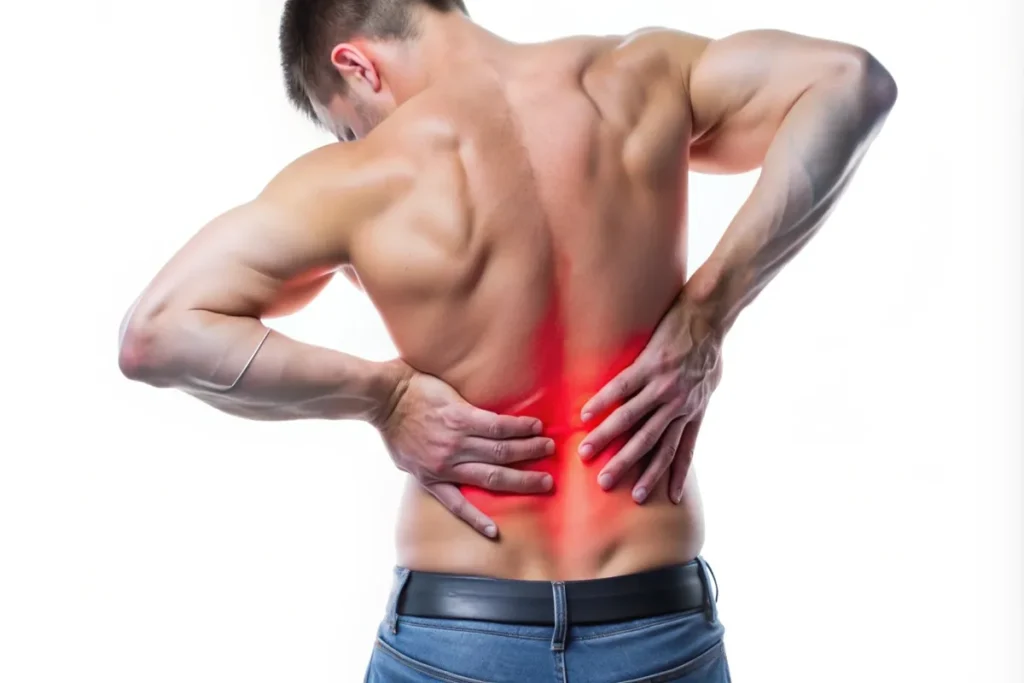
A pulled muscle, or muscle strain, is a common injury. It can cause sharp pain and limit your movement. It’s often caused by sports injuries, workplace accidents, or everyday activities. Knowing how to treat it is key to getting better.
Studies show that the right care can cut down recovery time. Using the RICE method and other advanced treatments can help you heal fast. GoldCity Center’s patient-centered approach combines medical knowledge with caring to help you recover well.
Belangrijkste opmerkingen
Understand the causes and symptoms of muscle strains for effective treatment.
Apply the RICE method for immediate care.
Incorporate advanced therapies for optimal recovery.
Benefit from a patient-centered approach for compassionate care.
Prevent future injuries with proper rehabilitation techniques.
Understanding Pulled Muscles and Their Symptoms
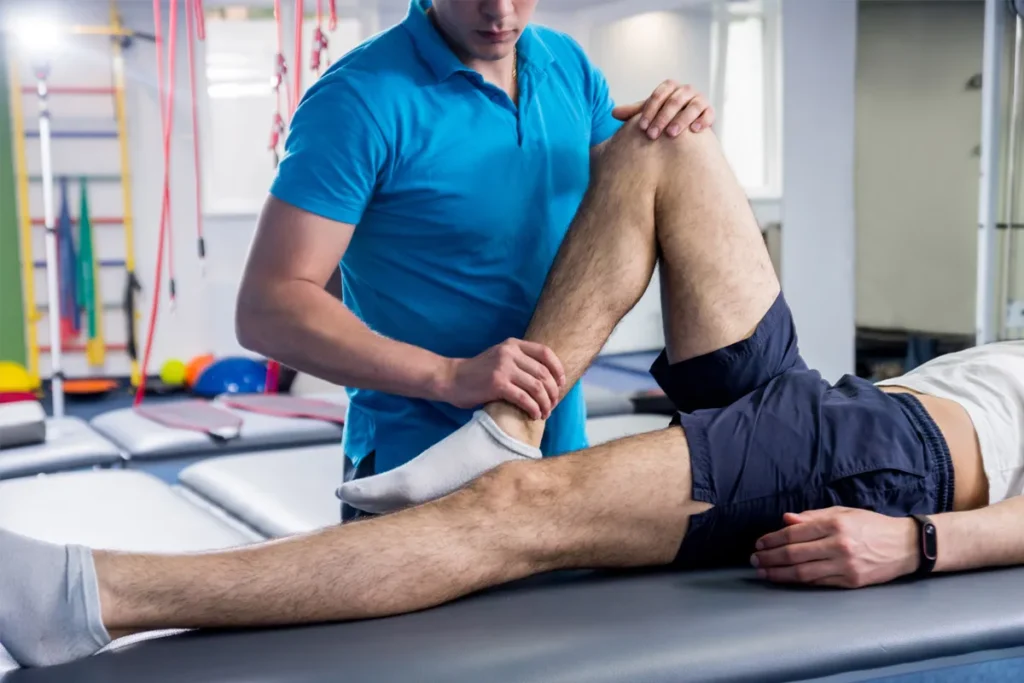
It’s important to know what causes and shows symptoms of pulled muscles. A pulled muscle, or muscle strain, happens when muscles are stretched too far or torn. This usually happens because of sudden stress, bad technique, or tired muscles.
What Causes Muscle Strains
Muscle strains occur when muscles face too much force, causing tears. They can be caused by sudden stress, bad technique, or tired muscles. Knowing these causes helps prevent future injuries.
Common Symptoms to Identify a Pulled Muscle
The signs of a pulled muscle vary based on how bad the strain is. Common signs include:
Pain or tenderness in the affected area
Swelling or bruising
Muscle weakness or stiffness
Reduced range of motion
Spotting these signs early helps in getting the right treatment and recovery.
Severity Levels of Muscle Strains
Muscle strains are divided into three levels based on how severe they are:
Grade 1: Mild strain with little muscle damage
Grade 2: Moderate strain with more muscle damage
Grade 3: Severe strain with a complete muscle tear
Knowing the severity helps decide the right treatment plan.
Immediate Treatment: The RICE Method
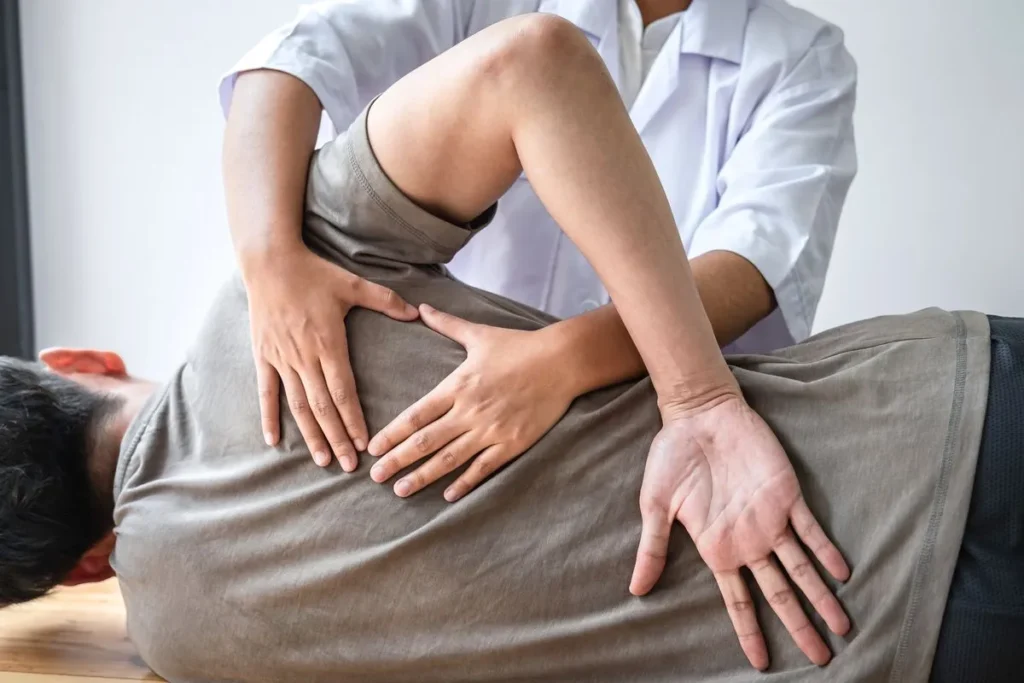
The RICE method is key in treating muscle strains. It’s a simple yet effective way to manage pain and aid in recovery.
Rest: Allowing the Injured Muscle to Heal
Resting the injured muscle is essential. Stay away from activities that make the pain worse. This rest helps your muscle heal, like a body retreat.
Ice: Reducing Inflammation and Pain
Ice helps lower inflammation and pain. It numbs the area and reduces swelling. It’s like a cool breeze that soothes your skin and muscles.
Compression: Supporting the Injured Area
Compression bandages or sleeves support the injured muscle. They reduce swelling by applying gentle pressure. It’s like wearing a soft, supportive garment.
Elevation: Minimizing Swelling
Elevating the injured limb above the heart reduces swelling. It’s a simple step that helps a lot, like elevating your skincare for a glow.
Do Muscle Relaxers Help with Pulled Muscles?
Understanding muscle relaxers is key for those with pulled muscles. Pulled muscles happen when muscle fibers get stretched or torn. This leads to pain and discomfort. Muscle relaxers might help, but knowing how and when to use them is important.
How Muscle Relaxants Break the Pain-Spasm Cycle
Muscle relaxants stop nerve signals to the brain and spinal cord. This helps break the pain-spasm-pain cycle. This cycle is a loop where pain causes muscle spasms, making the pain worse. By relaxing muscles, these drugs can ease the pain from pulled muscles.
Key benefits of muscle relaxants include:
Reducing muscle spasms
Relieving pain from muscle strains
Improving mobility by relaxing tense muscles
Effectiveness Timeline: First Week Benefits
Studies show muscle relaxants can offer quick relief from muscle spasms and pain. The biggest benefits usually happen in the first week. Always follow your doctor’s advice on how and when to use them.
First-Line Medications: NSAIDs and Acetaminophen
Doctors often suggest NSAIDs (Nonsteroidal Anti-Inflammatory Drugs) and acetaminophen first for pulled muscles. These drugs help reduce pain and swelling. This makes it easier to handle the initial pain.
Common over-the-counter options include:
Ibuprofen (e.g., Advil, Motrin)
Naproxen (e.g., Aleve)
Acetaminophen (e.g., Tylenol)
When to Consider Prescription Muscle Relaxers
If NSAIDs and acetaminophen don’t help enough, doctors might suggest prescription muscle relaxers. These are usually for short-term use because of possible side effects and addiction risks. A doctor will decide if muscle relaxers are right for you based on your muscle strain and health.
It’s important to:
Always talk to a healthcare provider before starting any new medicine.
Stick to the dosage and treatment time your doctor prescribes.
Watch for any side effects and tell your doctor about them.
Conclusion: Long-Term Recovery and Prevention
Treating a pulled muscle well means using both quick fixes and long-term plans. Knowing why muscles get pulled helps a lot. It also helps to prevent future injuries.
Keeping muscles healthy is key. Warm-ups, cool-downs, and strength training help a lot. So does using the right equipment and paying attention to early signs of trouble.
Recovering for the long haul means living a healthy life. This includes regular exercise and eating right. These habits keep muscles strong and reduce the chance of getting pulled muscles. It’s not just about fixing the problem right away. It’s also about staying proactive to avoid it in the first place.
FAQ
What is a pulled muscle, and how does it occur?
A pulled muscle, or muscle strain, happens when muscle fibers get too stretched or torn. This usually happens because of sudden stress, bad technique, or muscle tiredness.
How do I know if I pulled a muscle?
Signs of a pulled muscle include pain, swelling, and bruising. You might also find it hard to move the affected area.
What are the severity levels of muscle strains?
There are three levels of muscle strains: Grade 1 (mild), Grade 2 (moderate), and Grade 3 (severe). Each level shows how much muscle damage there is.
What is the RICE method, and how does it help?
The RICE method stands for Rest, Ice, Compression, and Elevation. It helps by healing, reducing swelling, and easing pain.
How do muscle relaxers help with pulled muscles?
Muscle relaxers can ease pain and spasms by stopping the pain-spasm cycle. But, use them carefully and only if other treatments don’t work.
What are some prevention strategies for pulled muscles?
To avoid pulled muscles, do warm-up and cool-down exercises. Also, work on strength and conditioning, and use proper ergonomics.
How long does it take to recover from a pulled muscle?
Recovery time depends on the muscle strain’s severity. But, with the right treatment, you can see big improvements in a few days.
Can I treat a pulled muscle at home?
Yes, you can start treatment at home with the RICE method. But, it’s important to see a healthcare professional for a proper diagnosis and advice.
When should I consider seeking medical attention for a pulled muscle?
If your symptoms get worse or don’t go away, or if you have severe pain, numbness, or tingling, get medical help. This is to check for any other serious issues.
BMJ (British Medical Journal). Evidence-Based Medical Insight. Retrieved from https://bjsm.bmj.com/content/54/2/72