
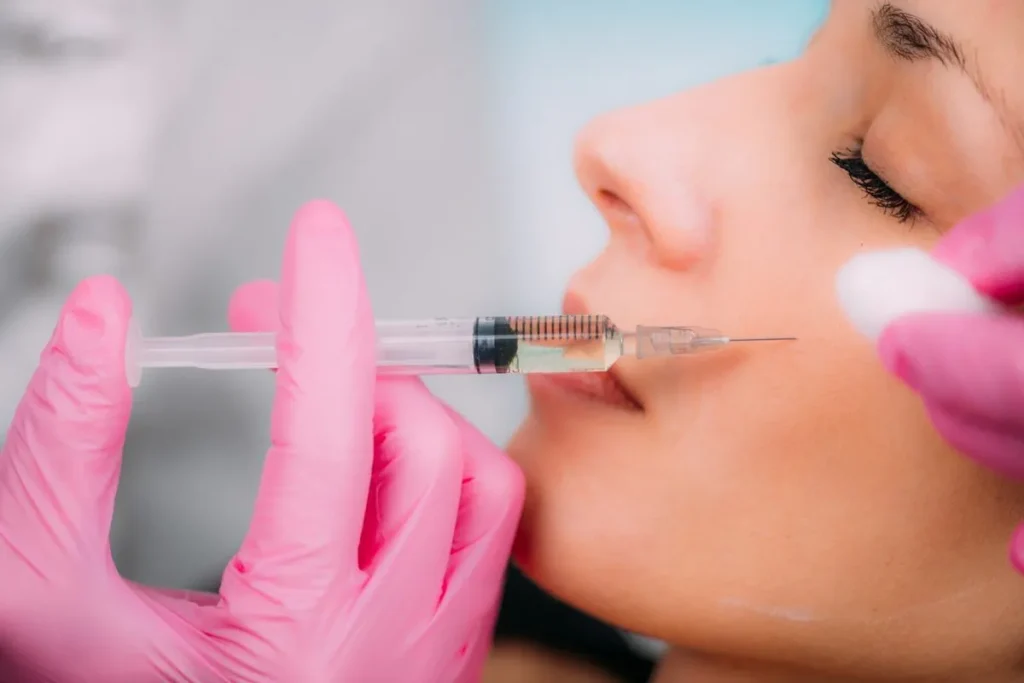
Het is gemakkelijker dan ooit om een stralende gloed en tijdloze schoonheid te krijgen. De wereld van de dermale vullers is enorm, met hyaluronzuurvullers op kop. Ze zijn geliefd om hun resultaten en veiligheid. Het kennen van de verschillende soorten fillers is de sleutel tot de juiste keuze maken.
Het kiezen van de juiste dermale vuller kan ontmoedigend aanvoelen. Deze gids helpt je door 7 soorten vullers te vergelijken. Het is jouw stap op weg naar een stralender, zelfverzekerder mens.
Belangrijkste opmerkingen
De verschillende soorten huidvullers en hun toepassingen begrijpen
Ontdek de populairste hyaluronzuurvullers en hun voordelen
Verken geavanceerde biostimulerende opties voor een natuurlijke look
Leer hoe je de juiste injectable kiest voor je specifieke gezichtsproblemen
Neem een weloverwogen beslissing met de hulp van een betrouwbare medische professional
De snelgroeiende wereld van dermale vullers

De markt voor dermale vullers groeit snel: steeds meer mensen willen gezichtsinjecties en -vullers. Deze groei komt voort uit een verlangen naar niet-invasieve schoonheidsbehandelingen die lang meegaan.
Als we naar deze bloeiende industrie kijken, moeten we de cijfers zien en wie deze behandelingen krijgt.
Statistieken over marktgroei en populariteit
De markt voor dermale vullers is nu $6,7 miljard waard in 2024. Dit laat zien hoe populair deze behandelingen zijn geworden voor het verbeteren van het uiterlijk van het gezicht.
Deze groei wordt aangedreven door nieuwe technologieën en producten. Ze voldoen aan verschillende behoeften en smaken.
Demografie: Wie krijgt injecteerbare behandelingen?
Vrouwen zijn koploper op het gebied van dermale vullers, met 97% van de behandelingen op basis van hyaluronzuur. Hieruit blijkt de grote belangstelling van vrouwen voor deze schoonheidsbehandelingen.
Vrouwen houden om veel redenen van deze behandelingen. Ze helpen bij fijne lijntjes, rimpels en vollere lippen.
Naarmate de markt groeit, zullen we meer producten zien voor verschillende mensen en behoeften.
Vergelijkingstabel Dermal Filler: Vind uw perfecte match
De wereld van dermale vullers is groot en gevarieerd. Het is belangrijk om je opties zorgvuldig te vergelijken. Elk type heeft zijn eigen unieke kenmerken, waardoor het een hele opgave is om de juiste te kiezen.
Als je een beslissing neemt, moet je verschillende factoren in overweging nemen. Deze omvatten biologische afbreekbaarheid, hoe lang het effect duurt, kosten en waar je het kunt gebruiken. Het is ook belangrijk om de veiligheid en omkeerbaarheid van elk type vulmiddel te kennen.
Biologisch afbreekbare vs. niet-biologisch afbreekbare opties
Dermale vullers worden onderverdeeld in biologisch afbreekbare en niet-biologisch afbreekbare soorten. Biologisch afbreekbare vullers, zoals hyaluronzuur, calciumhydroxylapatiet en polymelkzuur, zijn veiliger en kunnen worden teruggedraaid. Ze worden na verloop van tijd afgebroken in het lichaam, wat goed is voor mensen die voor het eerst met fillers werken of die het willen proberen zonder een langdurige verbintenis aan te gaan.
Niet-biodegradeerbare vullers, zoals PMMA, bieden duurzamere resultaten maar hebben een hoger risico op complicaties. Het verschil tussen deze categorieën kennen is essentieel voor het kiezen van de juiste filler voor jou.
Duur, kosten en behandelingsgebieden
De duur van het effect, de kosten en waar je het kunt gebruiken verschillen per filler. Hier is een vergelijkingstabel om je te helpen:
Veiligheidsprofiel en omkeerbaarheidsfactoren
Veiligheid en omkeerbaarheid zijn belangrijk bij het kiezen van een huidvuller. Biologisch afbreekbare vullers zijn veiliger en veelzijdiger. Ze kunnen indien nodig worden opgelost met hyaluronidase. Niet-biodegradeerbare vullers zijn weliswaar effectief, maar hebben een hoger risico op complicaties op de lange termijn.
Het is belangrijk om met een gekwalificeerde zorgprofessional te praten voordat je een huidvuller kiest. Hij of zij kan je helpen beslissen op basis van je behoeften. Door factoren als biologische afbreekbaarheid, duur, kosten en behandelgebieden in overweging te nemen, kun je een weloverwogen keuze maken. Dit zal je helpen om de resultaten te bereiken die je wilt met je schoonheids- of gezichtsinjectiebehandeling.
7 soorten injecteerbare fillers uitgelegd
Dermale vullers zijn een belangrijk onderdeel van cosmetische verbeteringen. Ze helpen je gezicht er jonger uit te laten zien. Kennis van de verschillende soorten is belangrijk om de juiste behandeling te kiezen.
Hyaluronzuurvullers
Hyaluronzuur fillers zijn erg populair. Ze geven je huid volume en vocht. Ze zijn veilig omdat ze gemaakt zijn van iets dat je lichaam van nature heeft.
Deze fillers kunnen veel problemen verhelpen, zoals rimpels en dunne lippen. Ze laten je gezicht er gladder en jeugdiger uitzien.
Belangrijkste voordelen: Je ziet meteen resultaat, ze zijn veilig en kunnen worden aangepast aan jouw behoeften.
Calcium hydroxylapatietvullers
Calcium hydroxylapatietvullers helpen je huid er beter uit te laten zien door het collageen te stimuleren. Ze gaan langer mee dan sommige andere vullers. Ze zijn geweldig voor diepere rimpels en om volume aan je wangen te geven.
Opmerkelijke voordelen: Ze zorgen ervoor dat je huid meer collageen aanmaakt en ze gaan lang mee.
Poly-L-Lactinezuurvullers
Polymelkzuurvullers laten je huid er beter uitzien door na verloop van tijd het collageen te stimuleren. Ze helpen bij diepe rimpels en fijne lijntjes. Ze geven langdurige resultaten.
Voordelen: Ze werken langzaam maar natuurlijk, en ze zorgen ervoor dat je huid lang collageen aanmaakt.
Polymethylmethacrylaat (PMMA) vullers
PMMA fillers zijn permanent en worden gebruikt voor diepe rimpels en plooien. Ze bestaan uit kleine bolletjes in een gel. Ze gaan lang mee.
Belangrijke overwegingen: Ze zijn permanent, moeten zorgvuldig worden geplaatst en het kan langer duren om ervan te herstellen.
Elke vuller heeft zijn eigen voordelen en is goed voor verschillende behoeften. Als je weet wat elke filler doet, kun je de beste voor jou kiezen.
Conclusie: Je ideale injecteerbare behandeling kiezen
Het vinden van de juiste dermale vuller kan moeilijk lijken, maar met de juiste hulp kun je vinden wat je zoekt. De wereld van de gezichtsinjectables is groot. Er zijn veel merken huidvullers met verschillende oplossingen voor verschillende behoeften.
Denk bij het kiezen van esthetische injecties na over wat je wilt, je huidtype en de vaardigheden van je arts. Op deze manier kun je kiezen wat het beste bij je past. Of je nu kleine of grote veranderingen wilt, je kunt het vinden.
Het gebruik van fillers wordt steeds populairder en de juiste keuze kan ervoor zorgen dat je er stralend uitziet en je zelfverzekerder voelt. Als je de verschillende fillers en hun voordelen kent, kun je beginnen aan je schoonheidsreis. Zo weet je zeker dat je de beste keuze maakt voor jouw schoonheidsdoelen.
FAQ
Wat zijn dermale vullers en hoe werken ze?
Dermale vullers zijn injecteerbare behandelingen die verloren volume herstellen en rimpels gladstrijken. Ze voegen volume toe en stimuleren de collageenproductie. Dit resulteert in een jeugdiger en stralender uiterlijk.
Wat zijn de verschillende soorten dermale vullers die verkrijgbaar zijn?
Er zijn verschillende soorten huidvullers. Dit zijn onder andere hyaluronzuur, calciumhydroxylapatiet, polymelkzuur en polymethylmethacrylaat (PMMA) vullers. Elk heeft zijn eigen voordelen en toepassingen.
Hoe lang gaan dermale vullers mee?
De levensduur van dermale vullers verschilt per type. Sommige gaan maanden mee, terwijl andere jaren meegaan. Huidtype, levensstijl en behandelingsgebied hebben ook invloed op hoe lang ze meegaan.
Zijn dermale vullers veilig?
Dermale vullers zijn veilig als ze worden toegediend door een gekwalificeerde professional. Maar zoals bij elke medische behandeling zijn er risico's en bijwerkingen. Dit kunnen blauwe plekken, zwellingen en allergische reacties zijn.
Kunnen dermale vullers worden teruggedraaid?
Sommige fillers, zoals hyaluronzuur, kunnen worden teruggedraaid met een enzym. Maar niet alle vullers kunnen worden teruggedraaid. Praat altijd met een professional uit de gezondheidszorg over omkeerbaarheid.
Hoeveel kosten dermale vullers?
De kosten van dermale vullers variëren per type, hoeveelheid en behandeld gebied. De prijzen variëren van een paar honderd tot een paar duizend dollar per sessie.
Wat is het verschil tussen biologisch afbreekbare en niet-biologisch afbreekbare huidvullers?
Biologisch afbreekbare fillers, zoals hyaluronzuur, worden door het lichaam afgebroken. Niet biologisch afbreekbare vullers, zoals PMMA, blijven voor altijd in het lichaam. De keuze hangt af van persoonlijke voorkeuren en doelen.
Kan ik dermale fillers gebruiken om mijn lippen en wangen te verbeteren?
Ja, dermale vullers kunnen lippen en wangen verbeteren. Ze voegen volume en definitie toe. Lip- en wangvullers zijn populair voor een jeugdigere uitstraling.
Hoe kies ik de juiste dermale vuller voor mijn behoeften?
Bij het kiezen van de juiste vuller moet rekening worden gehouden met het huidtype, esthetische problemen en persoonlijke voorkeuren. Een gekwalificeerde zorgprofessional kan je helpen om de beste filler voor jou te vinden.
Referenties
Nationaal Centrum voor Biotechnologie-informatie. Evidence-Based Medisch Inzicht. Opgehaald van https://pmc.ncbi.nlm.nih.gov/articles/PMC10219904/





