
Weigh the pros and cons of fillers before your next visit. Get the vital facts on benefits and risks for a safe cosmetic journey.
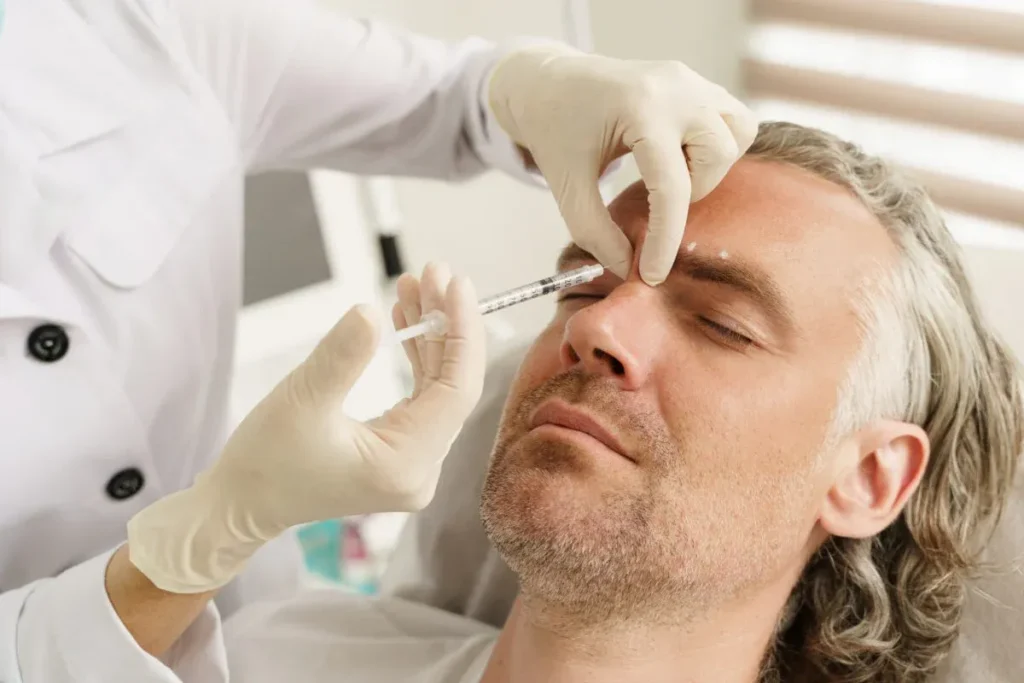
Dermal fillers are popular for a smoother, more radiant look. They are gel-like substances injected under the skin. This helps restore facial volume and reduce wrinkles. Most FDA-approved dermal fillers are made of hyaluronic acid (HA), calcium hydroxylapatite (CaHA), or poly-L-lactic acid (PLLA).
When used by licensed medical professionals, dermal fillers are usually safe. But, it’s important to know the risks and complications. This knowledge helps you make smart choices about your beauty routine.
Belangrijkste opmerkingen
Dermal fillers are gel-like substances injected under the skin to restore facial volume and reduce wrinkles.
Most FDA-approved dermal fillers are composed of hyaluronic acid (HA), calcium hydroxylapatite (CaHA), or poly-L-lactic acid (PLLA).
Licensed medical professionals using approved products and proper technique minimize the risks associated with dermal fillers.
Understanding the risks and complications is key for making informed decisions.
Dermal fillers can be a safe and effective way to achieve a smoother, more radiant appearance when used responsibly.
What Are Dermal Fillers and How Do They Work?
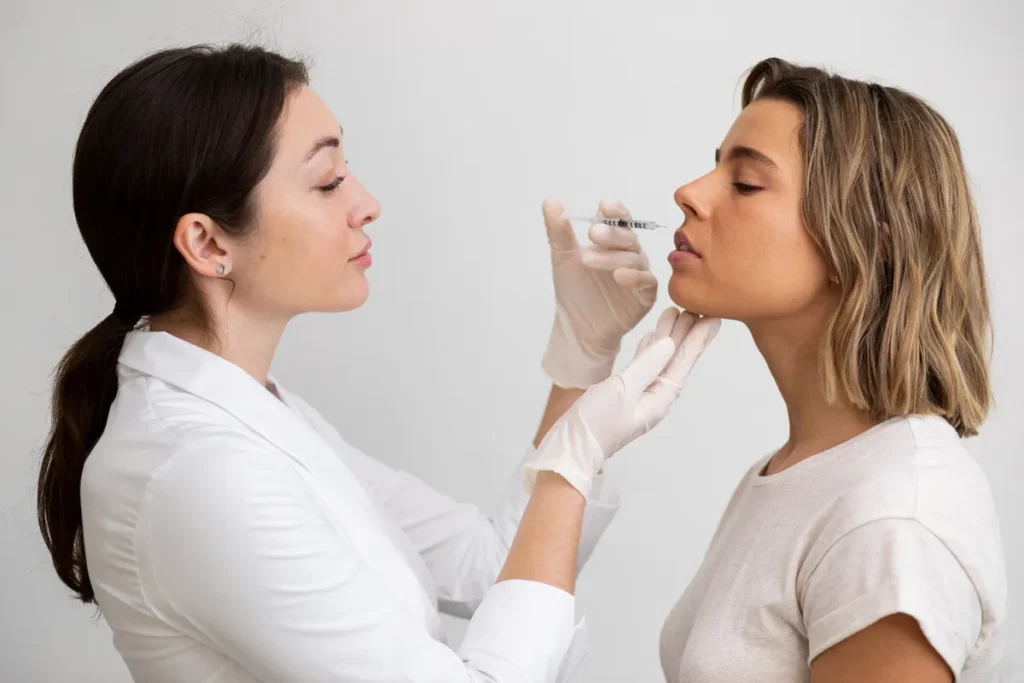
Dermal fillers are a key to a smoother, more radiant look. They are used to restore lost volume, smooth wrinkles, and enhance facial features. But what are fillers made of, and how do they work?
Common Types of FDA-Approved Fillers
The most common filler is made of hyaluronic acid. This is a natural substance in your skin that keeps it hydrated and full. Hyaluronic acid fillers are safe, effective, and can be reversed if needed.
Other fillers include calcium hydroxylapatite, poly-L-lactic acid, and polymethylmethacrylate. In 2023, 5,331,426 HA filler procedures were done. This is a big jump from 1.6 million in 2019.
The Growing Popularity of Dermal Fillers
Dermal fillers are popular because they are non-surgical and work fast. They give a quick fix for looking younger without long downtime. The demand for these treatments has grown a lot in recent years.
As we learn more about dermal fillers, it’s key to know what they’re made of, their benefits, and possible downsides. This helps make a smart choice about using them.
The Pros and Cons of Fillers: Benefits vs. Drawbacks

Dermal fillers offer many aesthetic benefits but also have risks and complications. As their popularity grows, it’s key to know their good and bad sides.
Advantages of Dermal Fillers
Dermal fillers are popular for quick and effective facial rejuvenation. They offer several benefits:
Immediate Results: Fillers give instant results, boosting confidence.
Minimally Invasive: They require little downtime, perfect for busy lives.
Versatility: Fillers can fix many issues, from wrinkles to lip augmentation.
Potential Drawbacks to Consider
Despite their benefits, dermal fillers have risks. Some downsides include:
Temporary Results: Fillers’ effects last only so long, needing repeat treatments.
Potential Complications: Risks include bruising, swelling, and infection.
Cost: While cheaper than surgery, fillers can be a big expense over time.
Knowing the pros and cons of dermal fillers is vital. By considering both, you can make a smart choice. This helps you achieve your beauty goals.
Understanding the Risks and Complications
Dermal fillers can make you look younger, but it’s important to know the risks. Knowing these can help you make a smart choice for your looks and health.
Common Adverse Events
Most people get some side effects from dermal fillers. These are usually mild and don’t last long. Some common side effects include:
Nodulevorming
Infectie
Skin inflammation
Necrosis
Zwelling
Studies show that delayed-onset nodules can happen in 0.6% to 4.25% of cases. Knowing this can help you get ready and know how to react.
Serious Complications: Vascular Occlusion and Tissue Necrosis
One big risk is getting the filler into a blood vessel. This can cause tissue necrosis, stroke, or even blindness. These are rare but serious issues.
It’s key to pick a provider who knows the risks and follows safety rules. This can lower the chance of serious problems.
Minimizing Risks: Provider Selection and Safety Protocols
Choosing the right provider is key to avoiding risks. Here’s what to look for:
By picking a provider who meets these standards, you can lower risks and get great results.
Conclusion: Making an Informed Decision About Dermal Fillers
Understanding the pros and cons of dermal fillers is key to achieving a radiant glow and timeless beauty. You’ve learned that dermal fillers can give you a luxury transformation. But, it’s important to know the possible risks.
By considering the good and bad sides, you can make a choice that fits your beauty needs. Choosing a trained medical provider can help lower risks. So, are fillers bad for you? Not if you’re careful and see a qualified professional.
Your glow-up story begins now. Elevate your routine and take control of your beauty by making smart choices about dermal fillers. With the right knowledge, you can unlock your inner glow and start a transformative journey towards a more confident you.
FAQ
Waar zijn dermale vullers van gemaakt?
Dermal fillers are made from hyaluronic acid, calcium hydroxylapatite, or poly-L-lactic acid. These are FDA-approved materials. They help restore lost volume, smooth wrinkles, and enhance facial features.
Zijn dermale vullers veilig?
Yes, dermal fillers are safe when given by a skilled provider. But, like any medical treatment, there are risks and complications to know about.
What are the pros and cons of dermal fillers?
The good points of dermal fillers are their quick and effective results. They restore volume and enhance facial features. The downsides include risks like bruising, swelling, and vascular occlusion. Also, you might need to get them done again to keep the look.
Are fillers bad for your face?
Dermal fillers are not inherently bad for your face when used right and in moderation. But, overusing or using them wrong can cause bad results. This includes looking unnatural or facing complications like vascular occlusion.
What are the risks of dermal fillers?
The risks of dermal fillers include common side effects like bruising, swelling, and redness. There are also serious complications like vascular occlusion and tissue necrosis. Choosing a qualified provider and following safety protocols can help reduce these risks.
How can I minimize the risks of dermal fillers?
To lower the risks of dermal fillers, pick a skilled and experienced provider. They should follow safety protocols, use FDA-approved materials, and give personalized care.
Are there any long-term effects of dermal fillers?
While dermal fillers are generally safe, there’s not much research on their long-term effects. Most fillers are biodegradable and get absorbed by the body. But, some may last longer than others.
Kan ik dermale vullers krijgen als ik een gevoelige huid heb?
If you have sensitive skin, talk to a qualified provider first. They can check your skin and suggest the best treatment. They might recommend different fillers or pre-treatment steps to avoid reactions.
Hoe lang gaan dermale vullers mee?
The life of dermal fillers varies. It depends on the type of filler, your skin type, lifestyle, and where you get it done. Most last between 6 to 24 months, but some can last longer or shorter.
Referenties
Nationaal Centrum voor Biotechnologie-informatie. Evidence-Based Medisch Inzicht. Opgehaald van https://pmc.ncbi.nlm.nih.gov/articles/PMC6128162/





