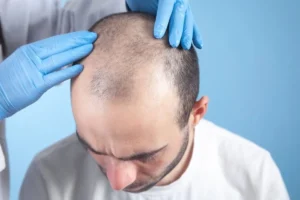

Millions of people deal with painful headaches and migraines every day. They look for new ways to feel better, beyond what doctors usually suggest. Research is showing that some muscle relaxants might help with certain types of headaches.
Can a muscle relaxer help a headache effectively? Find out how these treatments work to stop intense pain and relax your muscles now.
Muscle relaxers help muscles relax by blocking nerve signals. Drugs like cyclobenzaprine, methocarbamol, and tizanidine are often used for this. Even though they’re not usually approved for migraines, some muscle relaxants might work well for them.
Belangrijkste opmerkingen
Tizanidine has emerged as a researched muscle relaxant for migraine prevention.
Studies show it helps more than a placebo in preventing headaches every day.
Certain muscle relaxants might help with specific headaches.
Muscle relaxers work by blocking nerve impulses in the muscles.
Medications like cyclobenzaprine and methocarbamol are commonly used as muscle relaxants.
Understanding Headaches and the Role of Muscle Tension
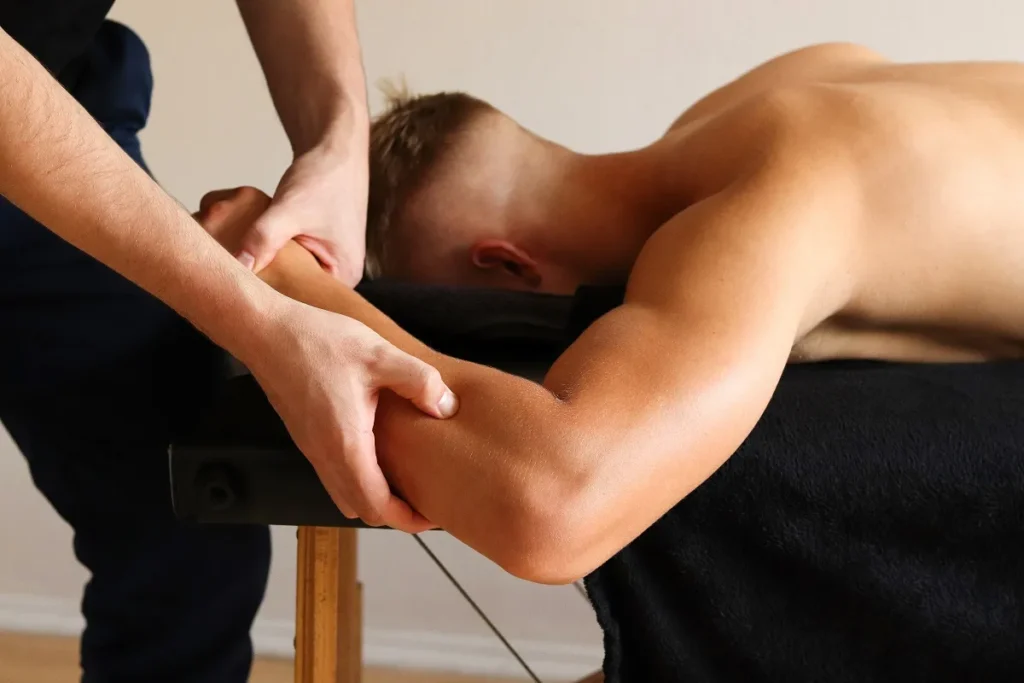
Headaches are a common issue that can really affect our daily lives. They come in different types, each with its own impact.
There are mainly two types of headaches: migraines and tension headaches. Migraines are known for their severe pain and sensitivity to light and sound. Tension headaches feel like a band or squeeze around your head.
Types of Headaches: Migraines vs. Tension Headaches
Migraines and tension headaches are different. Migraines often include nausea, vomiting, and a big sensitivity to the environment. Tension headaches are usually milder and can be caused by stress, bad posture, or muscle tension.
Knowing the difference between these headaches is key to finding the right treatment. Migraines might need special care, but tension headaches can often be treated with simple pain relievers and relaxation methods.
How Muscle Tension Contributes to Head Pain
Muscle tension is a big factor in tension headaches. Tight muscles in the neck and scalp can cause pain. This tightness can come from stress, bad posture, or using muscles too much.
To manage tension headaches, it’s important to relax the muscles. Massage, relaxation, and stretching can help. Sometimes, doctors will also prescribe muscle relaxers to help with the pain.
Understanding how muscle tension leads to headaches helps us take steps to manage our symptoms. This can greatly improve our quality of life.
Can a Muscle Relaxer Help a Headache? Evidence and Applications
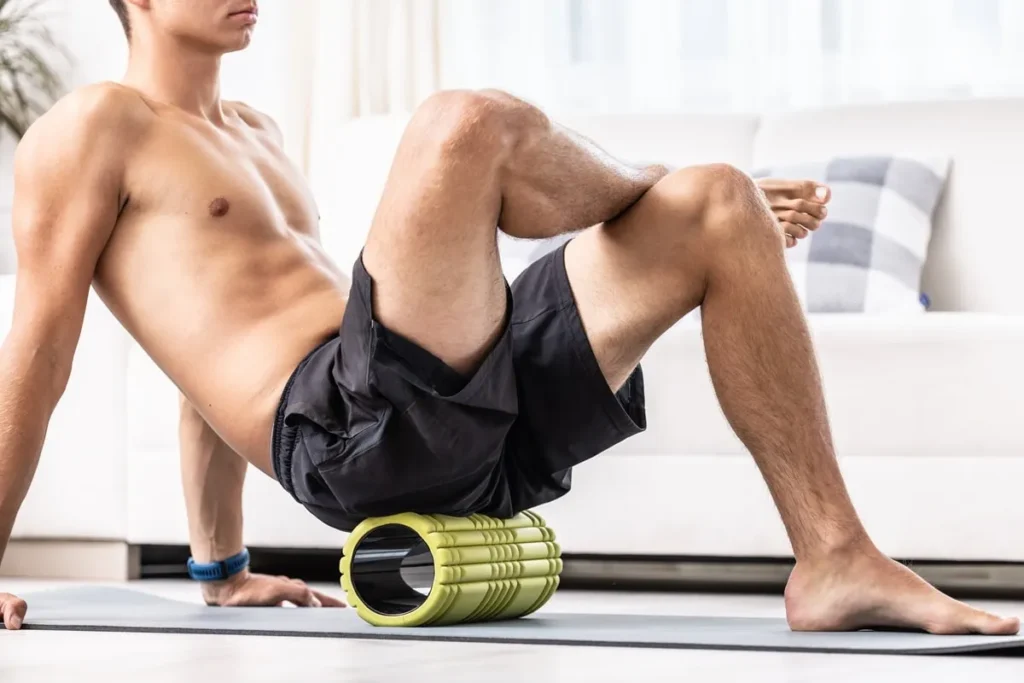
Muscle tension often adds to headache pain, making muscle relaxers a good option. Headaches and migraines can really disrupt daily life. Muscle relaxers might help ease these symptoms.
Hoe spierontspanners werken in het lichaam
Muscle relaxers block nerve impulses in muscles, relaxing them and reducing pain. This is great for tension headaches, where muscle tension is a big pain factor.
“Muscle relaxers are a good choice for headache pain,” says Medical Expert, a pain management expert. “They relax muscles, easing the pressure and discomfort of headaches.”
Tizanidine for Migraine Prevention: Research and Efficacy
Tizanidine is a muscle relaxant studied for migraine prevention. It has been shown to cut down migraine frequency and severity. This makes it a promising treatment for those with migraines.
Research shows tizanidine works by blocking neurotransmitters that can start migraine attacks. This makes it a valuable option for those with frequent or severe migraines.
Cyclobenzaprine (Flexeril): Structure and Possible Benefits
Cyclobenzaprine, known as Flexeril, is another muscle relaxant for headache management. Its structure is like tricyclic antidepressants, which might help with headaches.
Cyclobenzaprine has many benefits for headaches. It relaxes muscles, reduces pain, and might help with underlying headache causes.
Methocarbamol and Other Options for Tension Headaches
Methocarbamol is used for tension headaches, though its effectiveness is not as well-studied as others. Yet, it’s a good option for those with tension headaches.
Other muscle relaxants might also help with headaches, depending on the person’s needs and medical history. Always talk to a healthcare professional to find the best treatment.
Conclusion: Benefits, Limitations, and When to Consider Muscle Relaxers
Muscle relaxers can help with headaches and migraines. They work well when used right and with a doctor’s watch. They can ease pain and relax muscles, helping with tension headaches and migraines.
But, muscle relaxers have downsides. They can make you feel sleepy or dizzy. They might also become a habit if used too long. Tizanidine and cyclobenzaprine are examples that might help with headaches and migraines.
Thinking about muscle relaxers means looking at the good and bad sides. They should be part of a bigger plan to treat headaches and migraines. Knowing how muscle relaxers work can help people make better choices about their health. They can work with doctors to find the best ways to treat their symptoms.
In the end, muscle relaxers can be helpful for headaches and migraines. But, it’s important to use them carefully and watch how they work. This ensures they are safe and effective.
FAQ
Do muscle relaxers help with migraines?
Yes, some muscle relaxers like tizanidine can help prevent migraines. They also reduce how often and how bad migraines are.
Can muscle relaxers help tension headaches?
Absolutely, muscle relaxers such as methocarbamol can ease tension headaches. They do this by lessening muscle tension and pain.
How do muscle relaxers work to relieve headache pain?
Muscle relaxers block nerve signals in muscles. This action relaxes the muscles and cuts down on pain.
Is tizanidine effective for migraine prevention?
Yes, studies have found tizanidine can greatly reduce migraine frequency and severity. It’s a promising treatment option.
Can cyclobenzaprine (Flexeril) help with headaches?
Cyclobenzaprine, with its structure similar to tricyclic antidepressants, might help prevent migraines. But, more research is needed to confirm this.
Are muscle relaxers habit-forming?
Yes, muscle relaxers can lead to addiction if taken for too long. It’s important to use them wisely and with a doctor’s guidance.
What are the common side effects of muscle relaxers?
Muscle relaxers can cause drowsiness, dizziness, and other side effects. It’s important to watch out for these when taking the medication.
Can muscle relaxers be used for occipital neuralgia?
Yes, muscle relaxers can be used to treat occipital neuralgia. This condition causes pain in the neck and scalp.
Is methocarbamol effective for tension headaches?
Methocarbamol is used to treat tension headaches. While its effectiveness is not as well-studied as tizanidine, it can be helpful.
Can valium help headaches?
Valium is not usually the first choice for headaches. But, it might be used in some cases to manage tension or other headache types.
Referenties
National Center for Biotechnology Information. Evidence-Based Medical Insight. Retrieved from https://pubmed.ncbi.nlm.nih.gov/12696998/