
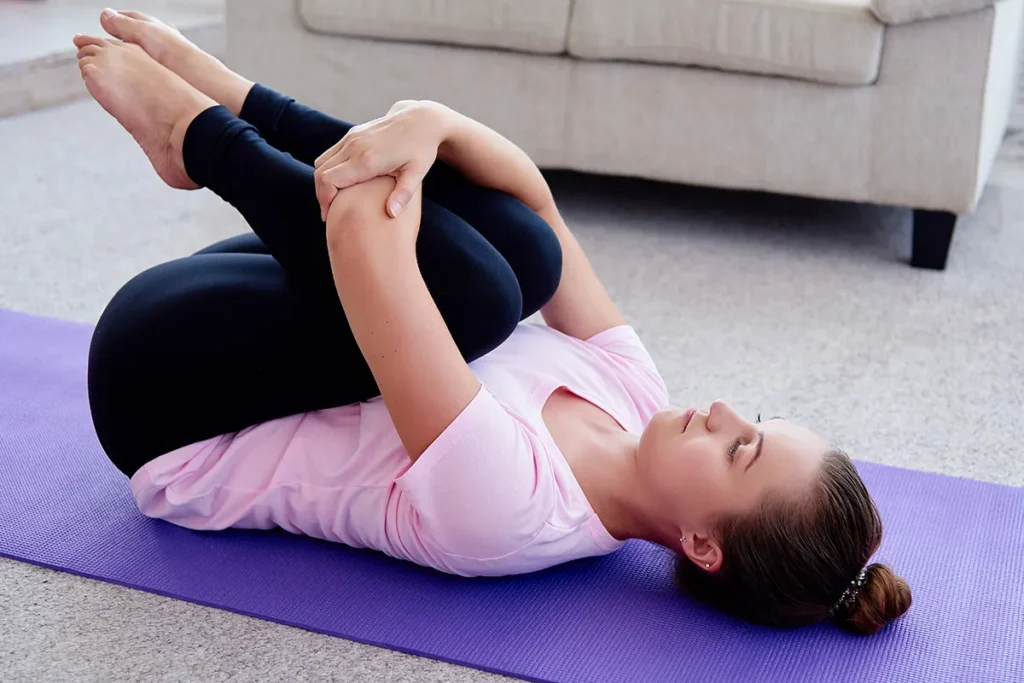
Menstrual cramps, or dysmenorrhea, affect more than 90 percent of people with periods. At least one in four experience pain so severe they need help. These cramps are mainly caused by the uterus contracting due to prostaglandins. While cyclobenzaprine works well for muscle spasms, its effect on menstrual cramps is not as clear.
To understand if muscle relaxers can ease period cramps, we need to see how they work. We also need to know how they affect the uterus. Research on muscle relaxer for period cramps might show new ways to treat this issue.
Belangrijkste opmerkingen
Menstrual cramps are a common issue affecting a significant portion of the menstruating population.
Uterine contractions triggered by prostaglandins are the primary cause of menstrual cramps.
Cyclobenzaprine is known for treating skeletal muscle spasms, but its effectiveness for menstrual cramps is uncertain.
Understanding the cause of menstrual cramps is key to finding the best treatment.
Exploring alternative treatments like muscle relaxers might help those with severe menstrual cramps.
Understanding Period Cramps and Their Impact
It’s important to understand period cramps to find relief. Menstrual cramps, or dysmenorrhea, affect over 90 percent of people with periods. They can greatly impact daily life.
What Causes Menstrual Cramps
Menstrual cramps happen when the uterus contracts. This is due to prostaglandins, hormone-like substances. These contractions can cut off oxygen to the uterus, causing pain.
How bad menstrual cramps are can vary a lot. Some people might just feel a little discomfort. Others might have pain that really gets in the way of their day.
Prevalence and Severity of Dysmenorrhea
Dysmenorrhea is a common condition among those who menstruate. Its impact can vary, but many people experience significant discomfort.
Knowing how common and severe dysmenorrhea is helps find the best treatment. Recognizing the impact of menstrual cramps lets people look for relief. This can range from pain relievers to other therapies.
Will a Muscle Relaxer Help with Cramps? The Science Explained
To understand if muscle relaxers help with menstrual cramps, we need to look into the science. This includes how these medications work and the nature of period pain.
Muscle relaxers, like cyclobenzaprine, are used to treat muscle spasms. But, their role in easing menstrual cramps is a topic of debate.
How Muscle Relaxers Work
Muscle relaxers, such as cyclobenzaprine, affect the central nervous system. They target skeletal muscle spasms. This helps relieve muscle tension and discomfort.
Cyclobenzaprine is a common muscle relaxant. It’s effective for acute musculoskeletal conditions. But, its effectiveness for menstrual cramps is not as clear.
Skeletal vs. Smooth Muscle: Why It Matters
Menstrual cramps are caused by the uterine smooth muscle contracting. This is different from skeletal muscles. This difference is why muscle relaxers like cyclobenzaprine don’t usually work for menstrual cramps.
Skeletal muscles are attached to bones and control voluntary movements. Smooth muscles, found in organs like the uterus, cause involuntary contractions. This is why muscle relaxers don’t help with menstrual pain.
Research on Cyclobenzaprine and Other Muscle Relaxants for Menstrual Pain
Studies on using muscle relaxants for menstrual pain show they’re not very effective. A study on cyclobenzaprine found it didn’t help much with menstrual cramps.
The table shows the primary use and effectiveness of different medications for menstrual cramps. It highlights how muscle relaxers like cyclobenzaprine are not very effective for treating menstrual pain.
Effective Treatments for Menstrual Pain Relief
Menstrual pain relief is possible with various treatments. These options target the main causes of dysmenorrhea. Menstrual cramps can really disrupt daily life, but there are effective ways to ease the pain.
NSAIDs: The First-Line Treatment
Nonsteroidal anti-inflammatory drugs (NSAIDs) are the top choice for menstrual cramps. NSAIDs like ibuprofen and naproxen stop the production of prostaglandins. These hormone-like substances cause the uterus to contract and cramp.
A study in the Journal of Women’s Health showed NSAIDs greatly reduced menstrual pain. They are easy to use and work well, making them a favorite for many women.
Antispasmodic Medications
Antispasmodic medications are another option for menstrual cramps. They relax the uterine muscles, reducing cramping. Though not as common as NSAIDs, they can help those with severe cramps.
Natural and Non-Pharmaceutical Approaches
There are also natural ways to ease menstrual pain. Heat therapy involves using a warm heating pad on the lower abdomen. It relaxes the uterine muscles and eases cramping.
Changing your diet and lifestyle can also help. Eating more omega-3 fatty acids, cutting down on caffeine, and exercising regularly can reduce menstrual discomfort.
Conclusie
Menstrual cramps are a big problem for many people. Finding good relief is key. Muscle relaxers might not be the best choice for menstrual cramps. They work on skeletal muscles, not the uterus.
Knowing why menstrual cramps happen helps find better ways to deal with them. Treatments like NSAIDs, antispasmodic meds, and natural methods can really help. If you’re thinking about muscle relaxers for period cramps, look at the evidence and what works best for you.
Looking at other options like NSAIDs and antispasmodics can help ease menstrual pain. Do muscle relaxers help with period cramps? It depends on the cause of your cramps and what treatments work best for you.
FAQ
Do muscle relaxers help with period cramps?
Muscle relaxers like cyclobenzaprine don’t usually help with menstrual cramps. They work on skeletal muscles, not the uterus.
Will muscle relaxers help with cramps?
Studies show muscle relaxants don’t work well for menstrual pain. They’re made to ease muscle spasms, not uterine contractions.
Can cyclobenzaprine help with menstrual cramps?
Cyclobenzaprine isn’t good for menstrual cramps. It affects skeletal muscles, not the uterus.
What are the best treatments for menstrual pain relief?
Good treatments include NSAIDs, antispasmodics, and natural methods. Heat therapy, diet changes, and lifestyle tweaks help a lot.
Are there any alternative treatments for menstrual cramps?
Yes, natural methods like heat therapy, diet changes, and lifestyle tweaks can help a lot with menstrual pain.
Do muscle relaxers help with menstrual pain?
Muscle relaxers aren’t usually recommended for menstrual pain. They don’t work well on uterine contractions.
Will a muscle relaxer help with menstrual cramps?
Generally, muscle relaxers don’t help with menstrual cramps. They target skeletal muscles, not the uterus.
Can Flexeril help with period cramps?
Flexeril, or cyclobenzaprine, isn’t good for period cramps. It works on skeletal muscles, not the uterus.
Referenties
National Center for Biotechnology Information. Evidence-Based Medical Insight. Retrieved from https://www.ncbi.nlm.nih.gov/books/NBK557833/





