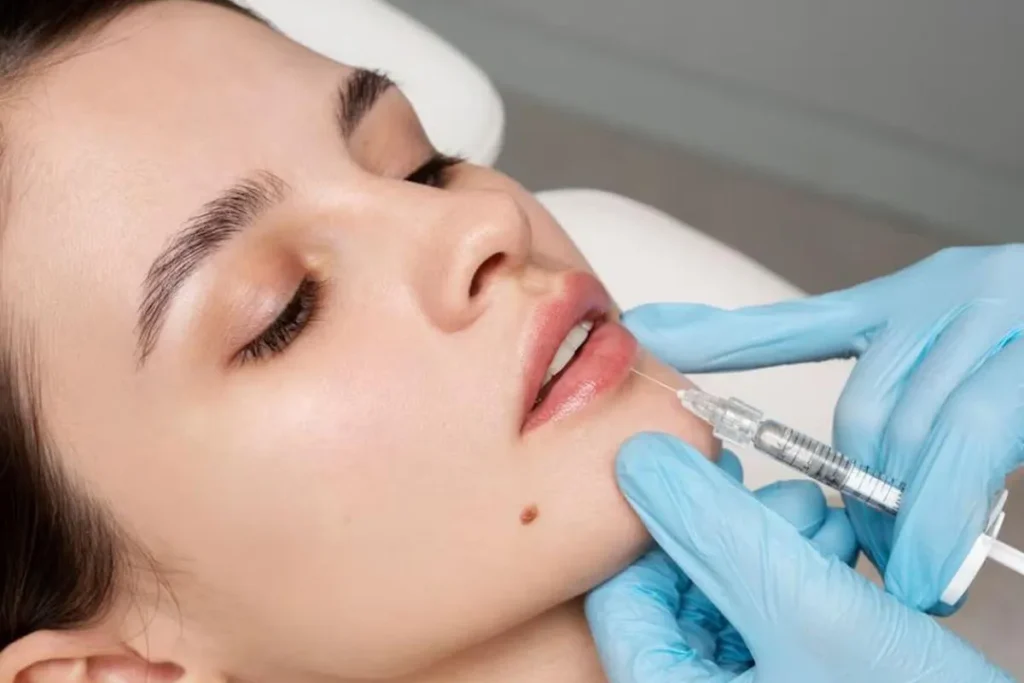
Starting your lip filler journey can be thrilling yet confusing. There’s a lot to learn about lip filler maintenance to get the look you want.
New products like Restylane Kysse and Belotero Lips make getting fuller lips easier. But, to keep your lips looking great, you’ll need to get them done again.
Knowing that lip fillers don’t last forever is key. It helps you keep your beauty shining. This guide will help you figure out how often to get your lips done.
Belangrijkste opmerkingen
Lip filler maintenance requires regular touch-ups to preserve results.
Most experts recommend appointments every six to twelve months.
Innovative products like Restylane Kysse and Belotero Lips provide longer-lasting results.
Factors such as lifestyle and filler type affect the longevity of lip fillers.
Consulting with a qualified aesthetic professional is essential for safe and effective care.
Understanding Lip Filler Duration and Maintenance
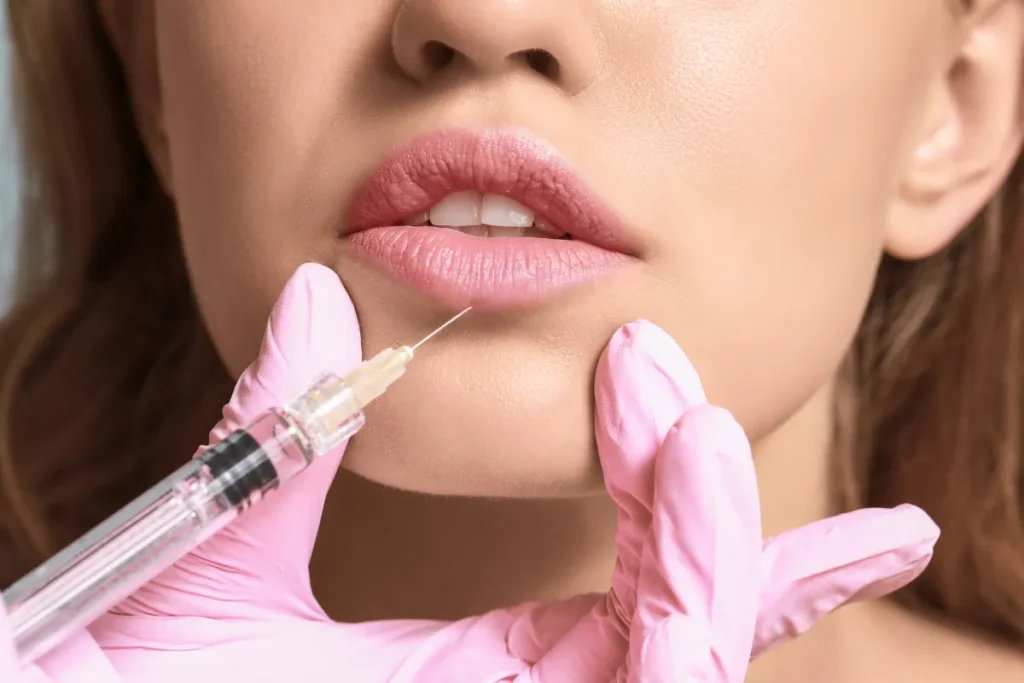
To keep your lips looking great, knowing how long lip fillers last is key. Lip fillers, often made from hyaluronic acid, are popular for boosting lip volume and shape. But, their lasting time can change based on several things.
Average Longevity of Hyaluronic Acid Fillers
Hyaluronic acid fillers are safe and effective. They blend with the skin’s natural collagen and water, adding volume and shape. These fillers usually last six to twelve months, sometimes up to eighteen months. Over time, the body’s enzymes break them down, causing volume loss.
How long lip fillers last can depend on your metabolism, lifestyle, and the filler type. Knowing this can help you plan when to get your lips filled again.
Initial Treatment Timeline and Sessions
The first time you get lip fillers, you might need more than one session. This is to get the right amount of volume and look. How many sessions you need depends on what you want and your lips’ starting shape.
Regular touch-ups are important to keep your lips looking full and beautiful. By understanding how hyaluronic acid fillers work and how they break down, you can plan when to get your lips filled again.
How Often to Get Lip Filler: Recommended Schedules
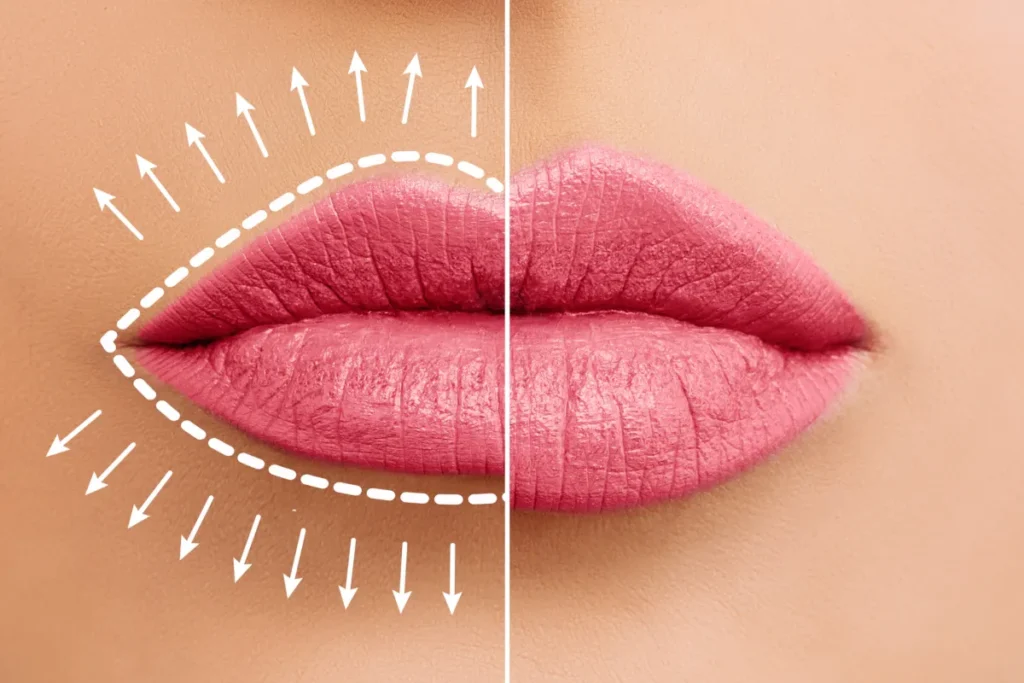
Finding the right time for lip filler appointments is key to looking young and radiant. The life of lip fillers depends on the type, your body’s metabolism, and your lifestyle.
Standard Maintenance Timeline
Experts say to get lip fillers every six to twelve months for the best look. For example, Kysse Lips need touch-ups often to keep their natural look. Studies show most people need touch-ups every 9 to 12 months.
Special Cases: When More Frequent Touch-ups Are Needed
Some people need lip fillers more often because of their body or lifestyle. For instance, smokers or those who are outside a lot might lose fillers faster. This means they need to go back more often.
Signs It’s Time for a Filler Refresh
Knowing when to get a lip filler touch-up is important for a perfect look. If your lips start to lose shape or volume, it’s time for a visit. Regular touch-ups keep your look fresh and trendy.
Understanding when to get lip fillers and knowing the signs for touch-ups helps you look young and radiant. Whether you want to keep your lip shape or make it better, knowing the best lip filler care is vital.
Factors Affecting Your Lip Filler Schedule
Several key factors can affect how often you need to get lip fillers. These include your metabolism, the type of filler used, and your lifestyle choices. Understanding these factors is essential to maintaining the desired results and achieving a more youthful, radiant appearance.
Metabolism and Individual Differences
Individual metabolism plays a significant role in the longevity of lip fillers. People with faster metabolisms tend to break down fillers more quickly, requiring more frequent touch-ups. On the other hand, those with slower metabolisms may enjoy longer-lasting results. Individual differences in skin type and condition can also impact how well the body retains the fillers.
Key factors influencing metabolism and filler longevity include:
Genetische aanleg
Age and overall health
Hormonal balances
Types of Fillers and Their Longevity
The type of filler used is another key factor. Hyaluronic acid fillers are popular for their safety and effectiveness. Their longevity can vary depending on the specific product and individual factors. Other types of fillers, such as calcium hydroxylapatite or poly-L-lactic acid, may offer longer-lasting results but may also come with different risks and considerations.
The longevity of different filler types can be summarized as follows:
Lifestyle Factors Impacting Filler Duration
Lifestyle choices can significantly impact the longevity of lip fillers. Smoking, excessive sun exposure, and poor skincare routines can reduce the duration of the fillers. On the other hand, maintaining a healthy lifestyle, protecting your skin from the sun, and following a consistent skincare regimen can help extend the life of your lip fillers.
To maximize the longevity of your lip fillers, consider the following lifestyle adjustments:
Avoid smoking and excessive alcohol consumption
Protect your skin from the sun with SPF and clothing
Maintain a consistent skincare routine with high-quality products
By understanding and managing these factors, you can optimize your lip filler maintenance schedule. This will help you enjoy a more youthful, radiant appearance. Whether you’re looking to enhance your natural beauty or address specific concerns, being informed about the factors that affect your lip filler schedule is key to achieving your desired results.
Conclusie
To keep your lips looking full and in shape, knowing about lip filler duration is key. Getting touch-ups regularly is a must. You might need them every 6 to 12 months, based on your metabolism and lifestyle.
Knowing when it’s time for a filler refresh helps you look flawless and radiant. Regular visits to your aesthetician keep your look natural and subtle. This way, you can confidently show off your beauty.
Figuring out how often to get lip fillers is important for a smooth beauty routine. The frequency depends on the type of fillers and your personal characteristics. Sticking to a maintenance schedule helps you glow and start a journey to lasting beauty.
FAQ
How often do you get lip fillers?
How often you get lip fillers depends on several things. These include your metabolism, the type of filler, and your lifestyle. Generally, lip fillers last between six to twelve months.
Hoe lang blijven lipvullers zitten?
Lip fillers made of hyaluronic acid usually last six to twelve months. Some can last up to eighteen months.
What factors affect the longevity of lip fillers?
Several factors affect how long lip fillers last. These include your metabolism, the type of filler, and your lifestyle choices.
How often should I get lip fillers to maintain the desired results?
To keep your lips looking good, you usually need to get fillers every six to twelve months. Some people might need them more often.
Can I get lip fillers more frequently?
Yes, if you have a fast metabolism or certain lifestyle habits, you might need fillers more often. This helps keep your lips full and shaped right.
How do I know it’s time for a lip filler refresh?
Knowing when to get a lip filler refresh is important. Look for signs like a decrease in lip volume or shape. This way, you can keep your lips looking flawless and trendy.
What type of filler is best for long-lasting results?
For long-lasting results, hyaluronic acid fillers are a good choice. They are popular for their effectiveness and long-lasting effects.
Can lifestyle choices impact the duration of lip fillers?
Yes, your lifestyle can affect how long lip fillers last. Certain habits might make them not last as long, so you might need touch-ups more often.
How often can I get lip injections?
How often you can get lip injections depends on your metabolism and the type of filler. Usually, you need injections every six to twelve months.
How often should you get lip fillers?
The frequency of getting lip fillers varies. Generally, you need them every six to twelve months, depending on your individual factors.
Referenties
National Center for Biotechnology Information. Evidence-Based Medical Insight. Retrieved from https://pmc.ncbi.nlm.nih.gov/articles/PMC11250456/)