
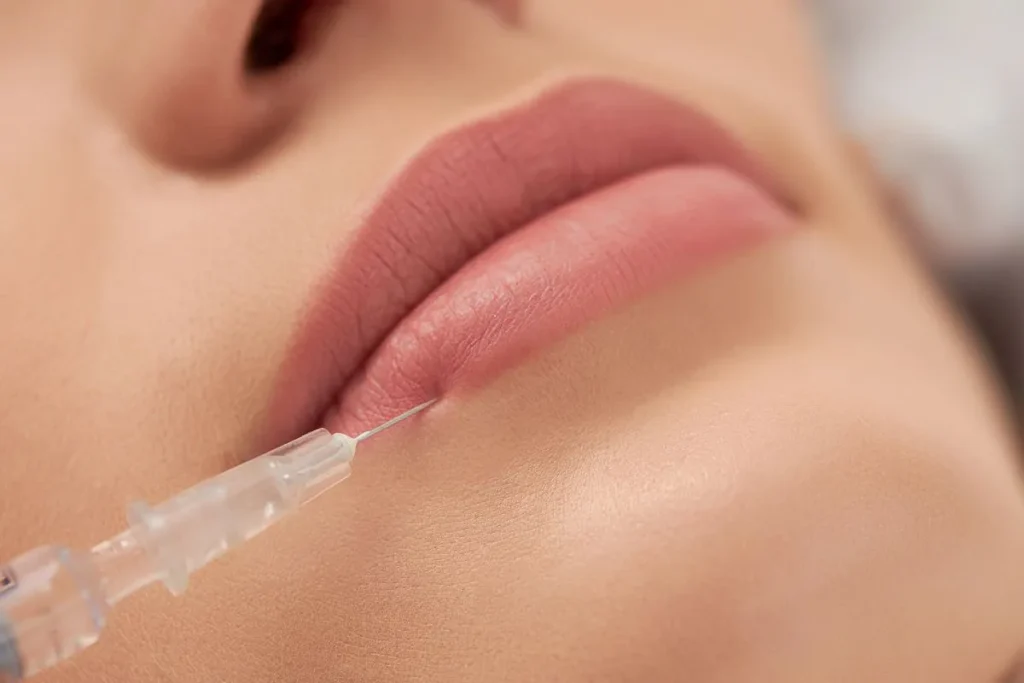
Thinking about lip enhancement with hyaluronic acid fillers means knowing how long the effects last. At GoldCity Center, we give patients reliable, science-backed info on dermal filler treatments and their results.
How long does hyaluronic acid lip filler last? See incredible results and learn expert tips to maintain your beautiful, natural-looking pout.
Most hyaluronic acid lip fillers give beautiful results for 6 to 12 months. But, how long it lasts really depends on you. Some people see effects for up to 18 months. Others might need a touch-up around the 5–6 month mark.
Belangrijkste opmerkingen
Lip fillers made with hyaluronic acid typically last between 6 to 12 months.
Individual factors influence the longevity of dermal filler treatments.
Some patients notice results lasting up to 18 months.
Top-up treatments may be needed at the 5–6 month mark for some individuals.
Understanding the duration of lip fillers helps in making informed aesthetic decisions.
Inzicht in hyaluronzuur lipvullers
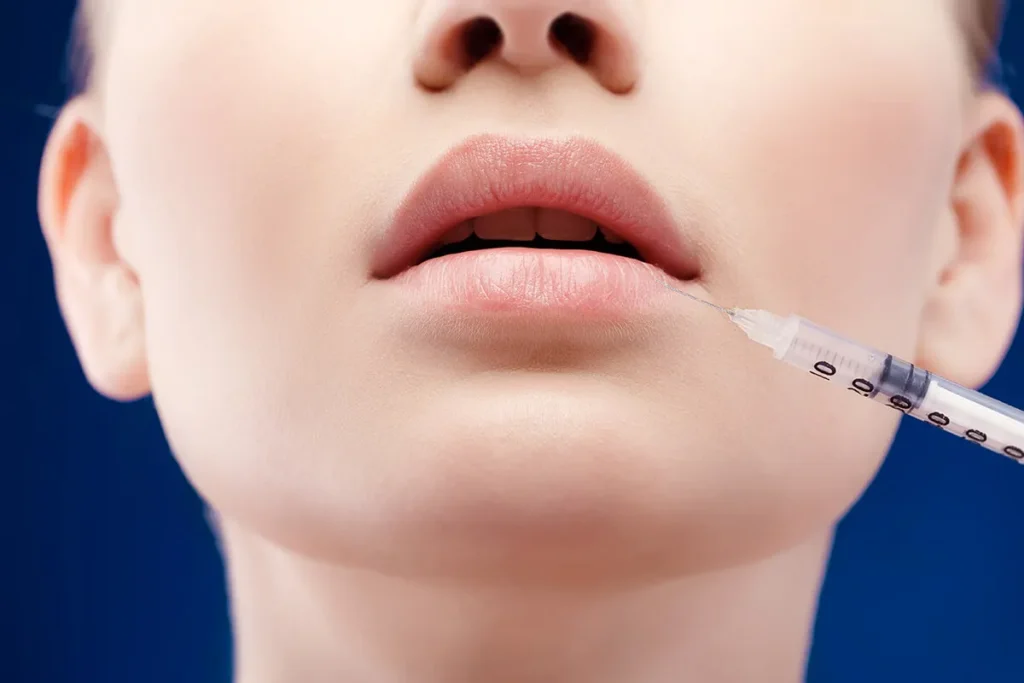
Hyaluronic acid is found naturally in our bodies. It’s used in lip fillers because it holds moisture and adds volume. This makes it perfect for making lips look fuller.
Wat zijn hyaluronzuurvullers?
Hyaluronic acid fillers are made from a substance that’s already in our bodies. It keeps tissues moist and plump. They are soft, flexible, and safe, which is why they’re often chosen for lip fillers.
Key Benefits of Hyaluronic Acid Fillers:
Immediate results
Minimale uitvaltijd
Reversible effects
Aanpasbaar aan individuele voorkeuren
Why Hyaluronic Acid Is Ideal for Lip Enhancement
Hyaluronic acid is great for lip fillers because it’s natural. This reduces the chance of bad reactions. It keeps the lips hydrated and plump, giving them a youthful look.
The popularity of hyaluronic acid fillers comes from their safety and quick results.
Knowing about hyaluronic acid fillers helps people choose the right lip enhancement. Whether you want a small change or a big one, these fillers are a good option.
How Long Does Hyaluronic Acid Lip Filler Last? Timeframes and Variables

The life of hyaluronic acid lip fillers depends on several key factors. Knowing these can help manage your expectations and get the results you want.
Average Duration of Results
Hyaluronic acid lip fillers usually last between 6 to 12 months. But, this time can vary a lot from one person to another.
Factors influencing the longevity include the type of filler, how fast your body breaks it down, and your lifestyle. For example, smoking and too much sun can make the filler last shorter.
Popular Hyaluronic Acid Filler Brands and Their Longevity
Different dermal filler brands last for different times. Here are some well-known ones:
Juvederm: Known for its long-lasting results, often up to 12 months.
Restylane: Typically lasts between 6 to 10 months.
Belotero: Can last up to 6 months or more.
Choosing the right dermal filler brand is key to how long the results last. It’s important to talk to a professional to find the best one for you.
Factors Affecting Filler Longevity
Several things can affect how long hyaluronic acid lip fillers last, including:
Injection Technique: The skill and technique of the practitioner can significantly impact the longevity of the filler.
Metabolism: Individuals with faster metabolisms may find that the filler dissipates more quickly.
Lifestyle Factors: Habits such as smoking, excessive sun exposure, and poor skincare routines can affect the duration.
By understanding these factors and choosing the right facial injectables, you can make your lip fillers last longer.
Conclusion: Maximizing Your Lip Filler Results
To get the most out of your hyaluronic acid lip fillers, follow a good aftercare routine. Stay away from too much heat and sun, drink plenty of water, and get touch-ups as needed. This keeps your results looking great.
Combining good aftercare with a healthy lifestyle boosts your lip filler results. You’ll look more radiant and youthful. Brands like Restylane and Juvederm offer top-notch fillers for your face.
With proper care, your lip fillers can last a long time and look amazing. Choose the right fillers and stick to your aftercare plan. This way, you’ll get the most out of your lip fillers and feel more confident and beautiful.
FAQ
What are the different types of hyaluronic acid fillers available for lip enhancement?
For lip enhancement, you can choose from Restylane, Juvederm, and Belotero. Each brand has its own special formulas. For example, Restylane Kysse and Juvederm Ultra are made for different lip needs.
How long do hyaluronic acid lip fillers typically last?
Hyaluronic acid lip fillers usually last 6 to 12 months. This can vary based on the filler type, your body’s metabolism, and your lifestyle.
What factors can affect the longevity of hyaluronic acid lip fillers?
Several things can affect how long lip fillers last. These include the filler’s quality, your skin type, lifestyle choices like smoking, and the skill of the person giving the treatment.
Can I get hyaluronic acid lip fillers if I have sensitive skin?
Yes, hyaluronic acid fillers are safe for sensitive skin. They are biocompatible and hypoallergenic. But, it’s important to talk to a qualified practitioner about your skin concerns.
How can I maximize the results of my hyaluronic acid lip fillers?
To get the most from your lip fillers, live a healthy lifestyle. Eat well, exercise, and drink plenty of water. Also, follow proper aftercare to make your fillers last longer.
Are there any injectable dermal fillers that are more suitable for lip and cheek enhancement?
Yes, there are fillers made for lips and cheeks. They use hyaluronic acid to add volume and make your face look younger and more radiant.
Can I combine hyaluronic acid lip fillers with other aesthetic injections or treatments?
Yes, you can mix hyaluronic acid lip fillers with other treatments. This can include facial injectables and skincare. Talk to a practitioner to find the best mix for you.
Referentie
National Center for Biotechnology Information. Evidence-Based Medical Insight. Retrieved from https://pmc.ncbi.nlm.nih.gov/articles/PMC8377277/





