

Get a radiant, youthful glow with dermal fillers. These treatments add volume right away. They smooth wrinkles and restore facial volume for a balanced look.
Dermal fillers are injected under the skin to enhance volume and shape. You’ll see the results immediately. But, it takes 1-4 weeks for them to fully settle.
Knowing how long dermal fillers results last helps you understand what to expect. Clinics like GoldCity Center guide you through your transformation. They focus on your needs every step of the way.
Belangrijkste opmerkingen
Dermal fillers provide immediate volume enhancement.
The complete settling process takes 1-4 weeks.
Understanding the timeline helps set proper expectations.
GoldCity Center offers a patient-centered approach.
Aesthetic transformation is guided by evidence-based care.
How Long Do Fillers Take to Work: Immediate Effects vs. Final Results
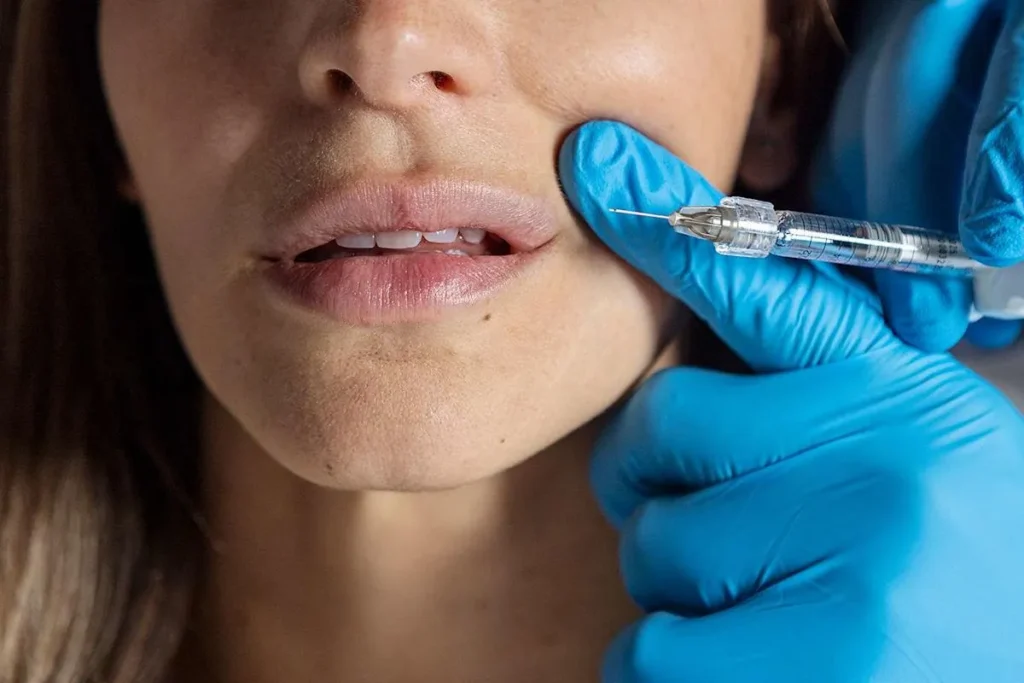
Dermal fillers give you instant results, but the full effect takes a few weeks. This time is for the body to fully accept the filler. It’s not just about the immediate changes but how the body adjusts over time.
De wetenschap achter huidvullers
Dermal fillers use substances like hyaluronic acid and calcium hydroxylapatite. These are mixed with a gel that adds volume right away. Over time, the body absorbs and uses these ingredients. They help make more collagen, improve skin texture, and add back lost volume.
What to Expect Immediately After Injection
Right after the injection, you’ll see the gel’s volume adding to your skin. But, you might also see some swelling and bruising. These side effects usually go away in a few days to a week.
To help your skin heal and get the best results, follow your doctor’s advice. This might mean avoiding hard activities, keeping your head up, and using ice packs to reduce swelling.
The Complete Settling Process
The full settling of dermal fillers can take 2 to 4 weeks. During this time, the body absorbs the gel and breaks down the ingredients. The exact time can vary based on the filler type, where it’s used, and your skin.
The table below shows how different fillers settle:
Knowing about the settling process helps you make better choices for your fillers. By picking the right one and following care instructions, you can get the look you want. You’ll feel more youthful and radiant.
Settling Timeline by Filler Type

Different dermal fillers settle at different rates, affecting when you see results. Knowing these differences is key to getting the look you want.
Dermal fillers fall into two main categories: hyaluronic acid and collagen-stimulating. Each has its own settling time.
Hyaluronic Acid Fillers (Juvederm and Restylane)
Hyaluronic acid fillers, like Juvederm and Restylane, give quick results and settle fast. They draw in water, adding volume and moisture right away.
It usually takes 1 to 2 weeks for these fillers to settle. As they blend with the skin, swelling goes down, showing the final look.
Collagen-Stimulating Fillers
Collagen-stimulating fillers, such as Sculptra, boost your body’s collagen. This takes longer but leads to lasting, noticeable changes.
These fillers settle in 4 to 6 weeks or more. As your body makes new collagen, the effects build up over time.
Remember, settling time is just one thing to think about when picking a filler. The type, where you get it, and your skin all affect the outcome.
Settling Duration by Treatment Area
The time it takes for dermal fillers to settle changes based on where they are used. Lip fillers might feel firm at first but soften in about 2 weeks. Under-eye fillers start to look better in 1 to 2 weeks, and chin fillers take up to 4 weeks to look their best.
Cheek fillers, which add volume to the face, settle in 1 to 2 weeks. As swelling goes down, the results become more noticeable. Taking good care of your skin after treatment helps manage swelling and bruising. Knowing how long it takes for fillers to settle in different areas helps you understand your results better.
With proper care, you can have a smoother recovery. “Slay the day with radiant skin” by unlocking your inner glow. Whether you’re using Juvederm or Restylane, patience and aftercare are key to the best results.
FAQ
How long do fillers take to settle?
Fillers settle in about one to four weeks. This time varies based on the filler type and where it’s used.
What factors influence the settling timeline of dermal fillers?
Several things affect how long fillers settle. These include the filler type, where it’s applied, and your skin’s condition.
How long does it take for hyaluronic acid fillers to settle?
Hyaluronic acid fillers, like Juvederm and Restylane, settle in about one to two weeks.
How long does it take for collagen-stimulating fillers to settle?
Collagen-stimulating fillers take longer. They might need several weeks to a few months to show their full effect.
How long do lip fillers take to settle?
Lip fillers settle in about one to two weeks. You might see swelling and bruising at first.
How long do cheek fillers take to settle?
Cheek fillers settle in one to four weeks. This depends on your skin and the filler used.
Can I speed up the settling process of dermal fillers?
You can’t make fillers settle faster. But, following aftercare and staying healthy can help your skin heal better.
What can I expect during the recovery period after dermal filler treatment?
After treatment, you might see swelling, bruising, and redness. Use cold compresses, gentle skincare, and avoid hard activities to manage these.
When will I see the final results from my dermal filler treatment?
You’ll see the final results once the filler settles fully. This can take one to four weeks, depending on your skin and the treatment.
Referenties
Nationaal Centrum voor Biotechnologie-informatie. Evidence-Based Medisch Inzicht. Opgehaald van https://pmc.ncbi.nlm.nih.gov/articles/PMC5889432/





