
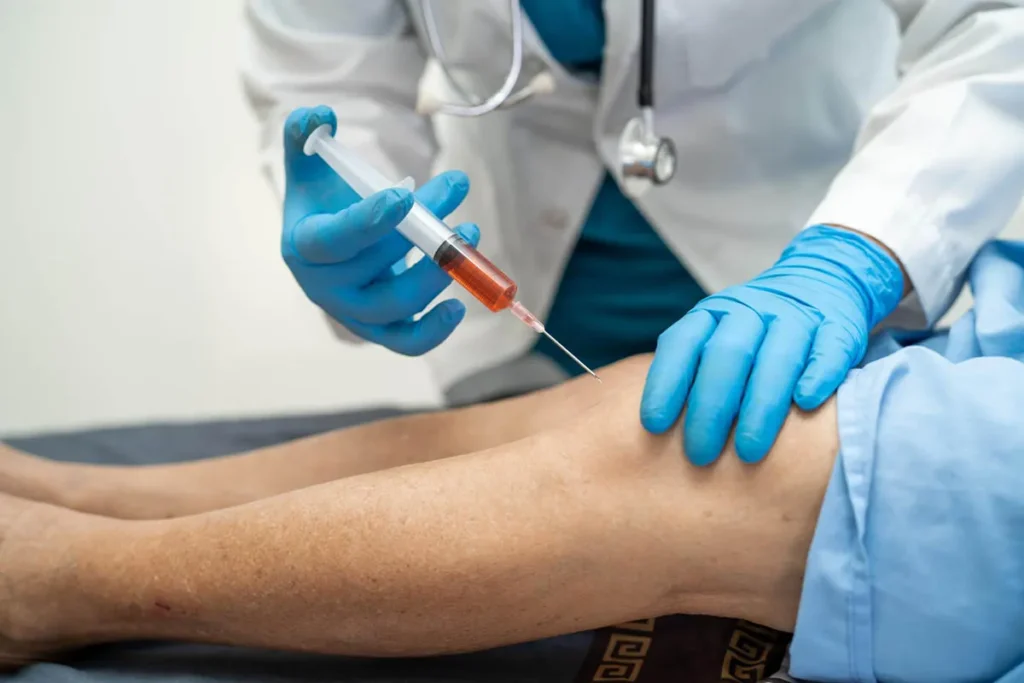
Cortisone injections, also known as steroid injections, are a common medical treatment. They help manage pain and inflammation in different joints. If you’re experiencing joint pain or inflammation, it’s important to know how these treatments work and how often they should be used.
These cortisone shots are a strong, non-surgical way to relieve pain. Learning about them can help you make better choices for your health.
Knowing about cortisone injections and their benefits is a big step in managing pain. With the help of trusted doctors, you can go through the process with confidence.
Belangrijkste opmerkingen
Cortisone injections are used to manage pain and inflammation.
They are a non-surgical option for pain relief.
Understanding the proper frequency is key for effective management.
Cortisone shots can be given in various joints.
It’s important to talk to a medical professional for informed decisions.
Understanding Cortisone Injections

Cortisone injections are key for those with painful inflammatory conditions. They are also known as steroid injections. These treatments help reduce inflammation and ease pain in different body parts.
Wat zijn cortisone-injecties?
Cortisone injections are a steroid injection that fights inflammation. They are given directly to the affected area. This helps reduce inflammation, easing pain and improving movement.
They are used for many conditions, like arthritis, bursitis, tendinitis, carpal tunnel syndrome, and back pain.
Veel voorkomende aandoeningen die worden behandeld met cortison
Cortisone shots help with many conditions. They are often used for osteoarthritis and tendonitis. Other conditions treated include:
Reumatoïde artritis
Slijmbeursontsteking
Trigger points
Plantar fasciitis
Benefits and Possible Risks
The benefits of cortisone injections are clear. They offer significant pain relief and reduce inflammation. This leads to better mobility and function.
But, there are risks and side effects. These can include:
Temporary pain relief
Infectie
Tendon rupture
Nerve damage
Talking to a healthcare professional is vital. They can help decide if cortisone injections are right for you.
Where to Get Cortisone Injection: Medical Providers

Thinking about cortisone injections? Knowing your options for medical providers is key. These injections treat many inflammatory conditions. Several healthcare professionals can give them.
Primary Care Physicians
Your primary care doctor is usually the first to see for health issues. They can decide if a cortisone injection is right for you. They know a lot about health and can send you to specialists if needed.
Orthopedic Specialists
Orthopedic doctors focus on bone and muscle problems. They often give cortisone shots for issues like tendonitis and arthritis. Their expertise is great for orthopedic problems.
Pain Management Clinics
Pain clinics specialize in chronic pain and use cortisone injections. They have doctors who know a lot about pain. This clinic offers a full plan to treat pain.
Rheumatologists
Rheumatologists deal with diseases like arthritis. They use cortisone shots to reduce inflammation and pain. They really understand rheumatic diseases and can treat them well.
Choosing where to get a cortisone injection depends on your condition. Think about the best healthcare provider for your needs. Here’s a table to help you decide:
Most doctors say to limit cortisone shots to three or four a year. This keeps you safe and effective. Always talk to your doctor about your treatment plan.
The Cortisone Injection Process
Getting ready for a cortisone injection means knowing what to expect. This includes the steps from your first visit to aftercare. Knowing this helps you feel more at ease and confident.
Before Your Appointment
Before your cortisone injection, talk to your doctor. Share your medical history and any allergies. Your doctor might ask you to stop some medicines that could affect the injection or healing.
Tell your doctor about any medicines you’re taking.
Share your medical history, including allergies.
Learn about the risks and benefits of cortisone injections.
During the Procedure
Your doctor will clean the injection area with alcohol or iodine. This is to prevent infection. You might get a local anesthetic to make the area numb, making the process less painful.
The doctor will then inject the cortisone into the affected area. This usually takes just a few minutes. But, getting ready and talking to your doctor can take longer.
The injection site is cleaned and prepared.
A local anesthetic may be applied to numb the area.
The cortisone injection is administered.
After the Injection
After the injection, you might feel some mild side effects. These can include redness, swelling, or pain at the injection site. These effects are usually short-lived and can be managed with over-the-counter pain relievers or ice packs.
Watch the injection site for signs of infection or severe reactions.
Follow your doctor’s advice on post-injection care.
Avoid doing too much for a short time after the injection.
Knowing what to expect before, during, and after a cortisone injection helps patients. It makes the process smoother and leads to better results.
Frequency Guidelines for Cortisone Injections
The number of times you can get cortisone injections depends on several things. These include the condition being treated and what the patient needs. Cortisone injections are used for many inflammatory conditions. Knowing how often they can be given is key to getting the most out of them.
General Recommendations for Different Joints
The frequency of cortisone injections varies by joint or area. For example:
Weight-bearing joints like knees and hips might need different schedules than non-weight-bearing ones.
Small joints in the hands and feet might need more careful planning for injections.
Factors Affecting Injection Frequency
Several things can change how often you can get cortisone injections. These include:
The condition being treated (like osteoarthritis or rheumatoid arthritis).
Your overall health and how you’ve reacted to past injections.
The type of corticosteroid used and its strength.
Timeframes Between Treatments
Cortisone injections are usually not given more than every three months. Most doctors limit them to three or four a year. This helps avoid side effects while keeping the treatment effective.
Signs You May Need Another Injection
If symptoms come back or get worse after the injection’s effect fades, you might need another. It’s important to talk to your doctor to figure out what to do next.
Understanding these guidelines and talking to your healthcare provider can help you make smart choices. This way, you can get the most out of cortisone injections.
Conclusie
Cortisone injections are a common and effective way to manage pain and inflammation. This includes conditions like bursitis and joint injuries. They can provide significant relief, but it’s important to know their benefits and risks.
These injections can be a valuable treatment when used correctly. While they might have side effects and long-term problems, they can also change lives for those with chronic pain.
Knowing where to get cortisone injections and how they work is key. This knowledge helps people make informed decisions about their treatment. Cortisone injections offer a chance to find relief from pain and inflammation, helping people regain control over their lives.
It’s important to talk to a healthcare professional before getting cortisone injections. With the right advice, these injections can be a powerful tool for a pain-free life. They empower individuals to reach their full potentials.
FAQ
How often can you have cortisone injections in your hip?
The frequency of cortisone injections in the hip varies. It depends on the condition’s severity and how well you respond to treatment. Usually, you can get injections every 3-6 months. Always talk to a healthcare professional to find the right treatment plan for you.
How often can you have steroid injections?
Steroid injections’ frequency changes based on the condition and your response. Generally, you can get them every 3-6 months. But, some conditions might need more or less frequent shots.
What is the name of the cortisone injection?
Cortisone injections are made from corticosteroids like triamcinolone or methylprednisolone. The exact type used depends on your condition and the doctor’s choice.
How to get a cortisone shot?
To get a cortisone shot, see a healthcare professional. This could be your primary care doctor, an orthopedic specialist, or a rheumatologist. They will check your condition and decide if a shot is right for you.
How often can you have cortisone injections in your knee?
The frequency of knee injections also varies. It depends on the condition’s severity and your response to treatment. Usually, injections are given every 3-6 months. Always consult a healthcare professional to find the best plan for you.
What is the cortisone injection dosage for adults?
The dosage for adults varies based on the condition and the corticosteroid used. Your healthcare provider will decide the dosage based on your needs.
How often should you get cortisone injections?
The frequency of injections depends on several factors. These include the condition, your response to treatment, and the doctor’s advice. Generally, injections are given every 3-6 months. Always talk to a healthcare professional to find the best treatment plan for you.
Referenties
National Center for Biotechnology Information. Evidence-Based Medical Insight. Retrieved from https://pubmed.ncbi.nlm.nih.gov/40015722/[4





