
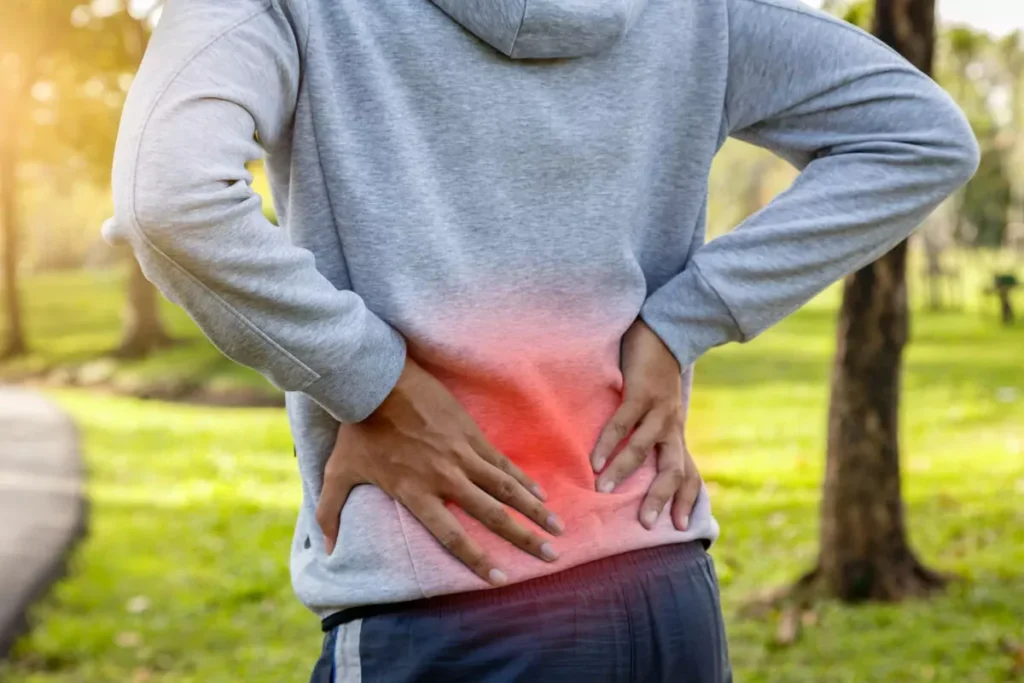
Muscle soreness after exercise is called delayed onset muscle soreness (DOMS). It usually gets worse 24 to 48 hours after you work out. The American Council on Exercise says pain peaks in 24 to 48 hours but can last 3 to 5 days.
At GoldCity Center, we focus on you and the latest in sports medicine. We help you understand and use the best recovery methods. By unlocking your recovery, you can lessen soreness and get back to your best faster.
Belangrijkste opmerkingen
Understand the causes of DOMS and its impact on your body
Learn effective recovery techniques to reduce muscle soreness
Discover how to accelerate your return to peak performance
Explore the latest scientific findings in sports medicine and recovery
Implement a patient-centered approach to sports medicine and recovery
Vertraagde spierpijn (DOMS) begrijpen
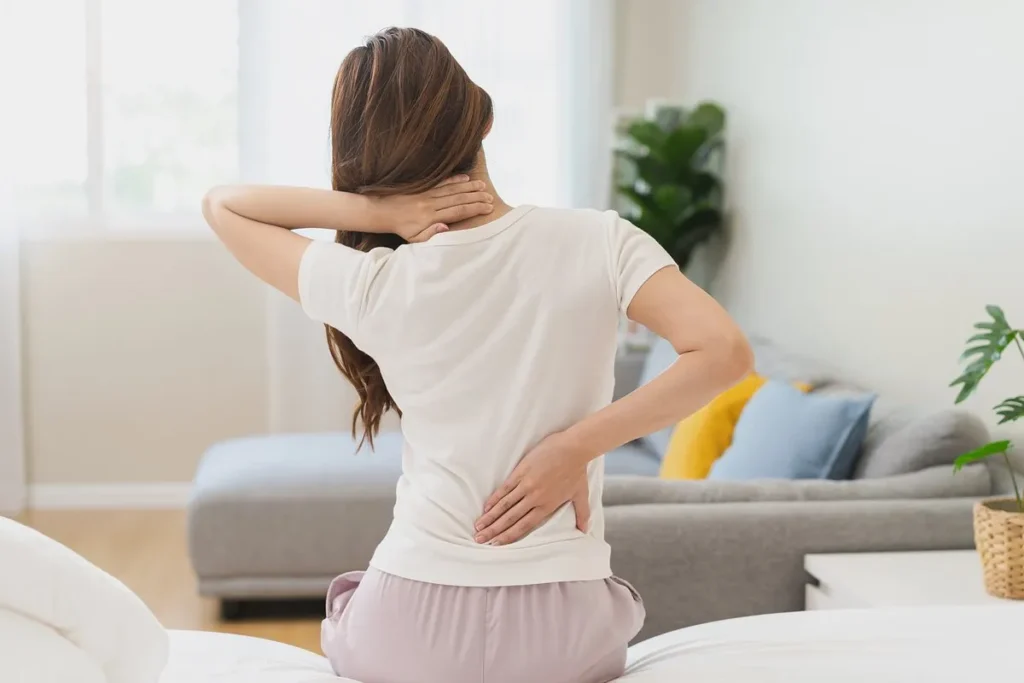
DOMS, or delayed onset muscle soreness, is muscle pain that starts 24 to 48 hours after working out. It’s common for people who do hard exercises, like those who are new to a workout or have made their routine harder.
Wat veroorzaakt spierpijn na het sporten?
Muscle soreness after working out comes from microscopic muscle fiber tears. When you do hard exercises, you damage your muscle fibers. This damage starts an inflammatory response, which is part of healing.
As your body fixes these tears, it makes your muscles stronger. This is called muscle hypertrophy.
The 24-48 Hour Peak Period
The soreness from DOMS usually hits its peak between 24 to 48 hours after working out. During this time, even simple tasks can feel hard. Knowing this can help you plan your recovery better.
Scientific Research on Recovery Effectiveness
Studies have shown that certain recovery methods can really help with muscle soreness. Things like active recovery, massage therapy, and compression garments work well. They help reduce inflammation, improve blood flow, and speed up recovery.
Learning about DOMS and how to recover can make your workouts better. Knowing how to handle muscle soreness can make your fitness journey more enjoyable and confident.
How to Rid Muscle Soreness: 5 Evidence-Based Methods
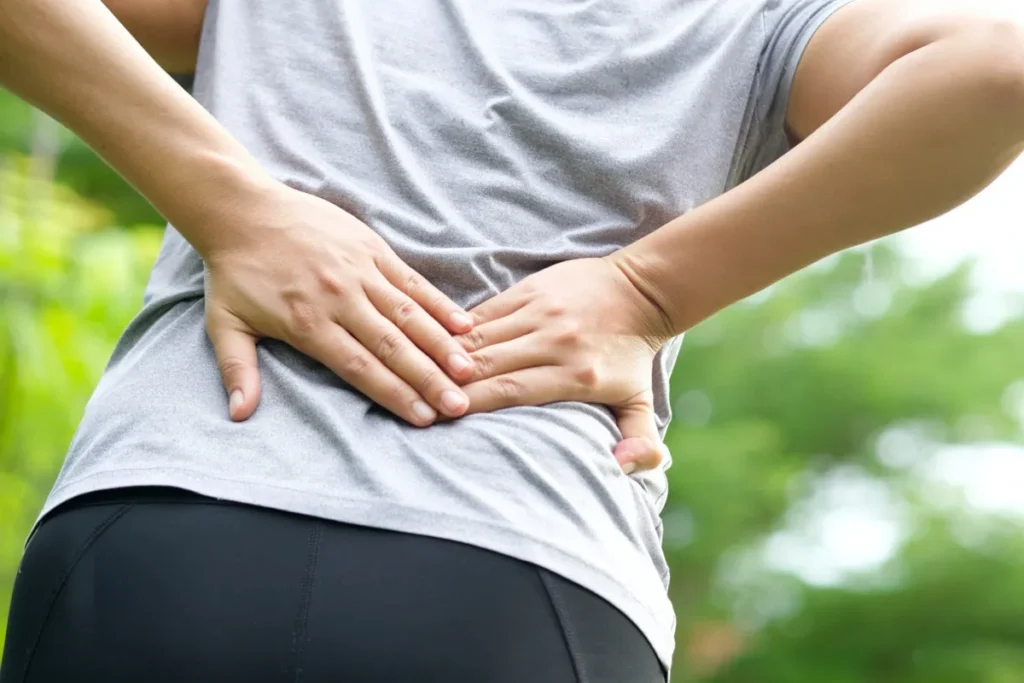
Get rid of muscle soreness with these 5 proven recovery methods. Muscle soreness, or Delayed Onset Muscle Soreness (DOMS), is a big problem for athletes and fitness fans. Luckily, research has found several ways to ease and stop muscle soreness.
Active Recovery Through Light Exercise
Active recovery means doing light exercise after hard workouts. It boosts blood flow to sore muscles, helping remove waste that causes soreness. A 2018 study showed runners who did light exercise at 50% of their max could run three times longer on their second try than those who didn’t.
Benefits of Active Recovery:
Enhanced blood flow to affected muscles
Improved removal of waste products
Increased flexibility and reduced stiffness
Massage Therapy
Massage is a great way to lessen muscle soreness. It uses kneading and rolling to increase blood flow and break down muscle adhesions. A study in the Journal of Clinical and Diagnostic Research found massage greatly reduced DOMS in participants.
Compression Garments
Compression garments help by providing graduated compression, which boosts blood flow and cuts swelling. Studies show wearing these can lessen muscle soreness after exercise. A Journal of Strength and Conditioning Research study found compression socks helped athletes with DOMS.
Water Immersion Techniques
Water immersion, like cold water therapy and contrast water therapy, is also effective. Cold water therapy reduces inflammation, while contrast water therapy boosts blood flow. A Journal of Sports Sciences study found contrast water therapy cut DOMS in athletes.
By using these 5 evidence-based methods, you can greatly reduce muscle soreness and get back to working out faster. Whether you’re an athlete or just love to stay fit, trying these methods can help you say goodbye to muscle soreness and enjoy a better workout routine.
Conclusie
Understanding Delayed Onset Muscle Soreness (DOMS) is key to feeling better after working out. By using proven recovery methods, you can lessen muscle soreness. This helps you reach your fitness goals faster.
To get rid of muscle soreness, mix different techniques. Active recovery, massage, and wearing compression clothes are good. As expert Aschwanden says, “Sleep is the best way to recover – many pro athletes nap a lot.” Resting well and using these methods can help you avoid soreness.
By managing your recovery, you can stop muscles from getting sore after exercise. You can also lessen soreness and help muscles recover from the gym. Begin your path to a healthier, more vibrant you by using these proven methods. Then, you can get back to your fitness goals.
FAQ
Why do my legs hurt so much after working out?
Your legs hurt after working out because of muscle fiber tears. This causes inflammation and pain. It usually peaks 24-48 hours after exercise.
Why are my muscles sore after a workout?
Muscles are sore after a workout because of muscle fiber tears. This leads to DOMS. It’s a natural response to hard or new exercise.
How can I avoid muscle soreness after exercise?
To avoid muscle soreness, try light cardio or stretching. Massage therapy, compression garments, and water immersion also help.
What are some effective ways to reduce muscle soreness after a workout?
Effective ways include active recovery, massage, and compression garments. Water immersion also helps. These methods improve blood flow and reduce inflammation.
How can I prevent muscle soreness after working out?
Prevent muscle soreness with proper warm-up and cool-down. Gradually increase exercise intensity. Use recovery techniques like active recovery and massage.
How do I recover from muscle soreness?
Recover from muscle soreness with active recovery, massage, and compression garments. Water immersion also helps. These methods reduce DOMS and aid muscle recovery.
Why do my muscles ache after exercise?
Muscles ache after exercise due to muscle fiber tears. This leads to DOMS. Proper recovery techniques can help alleviate this soreness.
Hoe kan ik pijn door het sporten verlichten?
Alleviate soreness with active recovery, massage, and compression garments. Water immersion also helps. These methods reduce inflammation and promote muscle relaxation.
Referenties
Nationaal Centrum voor Biotechnologie-informatie. Evidence-Based Medisch Inzicht. Opgehaald van https://pubmed.ncbi.nlm.nih.gov/12617692/





