
Feeling sore after a tough workout is common for everyone who exercises. This delayed onset muscle soreness is your body’s way of healing from new activities. It can hurt your legs or your whole body, but knowing how to fix it is key.
Staying active and recovering well keeps your muscles and bones healthy. At GoldCity Center, we focus on helping you feel better. We make the science of muscle soreness after exercise easy to understand. This way, you can learn how to alleviating soreness from working out effectively.
Knowing how to handle what to do when sore from working out can really help you get better faster. We aim to teach you proven ways to fix sore muscles.
Belangrijkste opmerkingen
Understand the causes of Delayed Onset Muscle Soreness (DOMS)
Learn effective methods to alleviate muscle soreness after exercise
Discover the importance of proper recovery techniques
Explore patient-centered approaches to managing muscle soreness
Find out how to enhance your overall fitness journey by addressing muscle soreness
Vertraagde spierpijn (DOMS) begrijpen
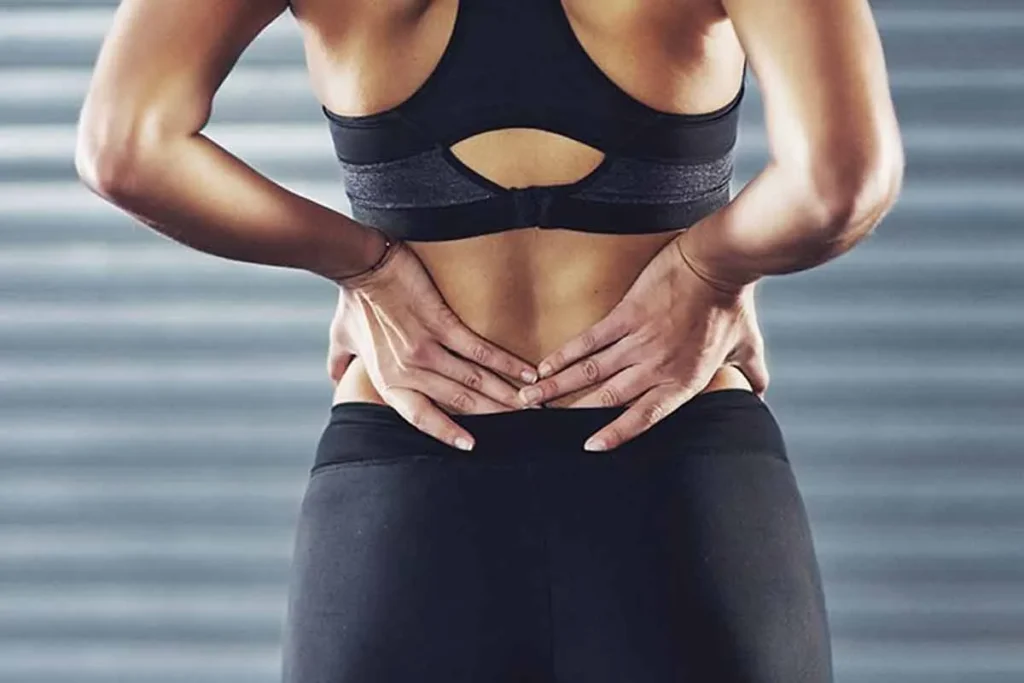
After a tough workout, you might feel a dull ache in your muscles. This is called Delayed Onset Muscle Soreness (DOMS). It’s muscle stiffness and pain that shows up after you do something new or really hard.
The Science Behind Muscle Soreness
Studies show that DOMS comes from tiny tears in muscle fibers due to hard muscle contractions. This leads to inflammation. The damage starts a healing process, making your muscles stronger.
Normal Timeline: When Soreness Peaks and Subsides
DOMS usually starts 12-24 hours after hard exercise and gets worse between 24-72 hours. Then, it starts to get better as your muscles heal. Knowing this helps you plan your workouts and recovery better.
Understanding what to expect lets you manage your training and use recovery methods to ease DOMS discomfort.
How to Cure Sore Muscles: 7 Proven Methods
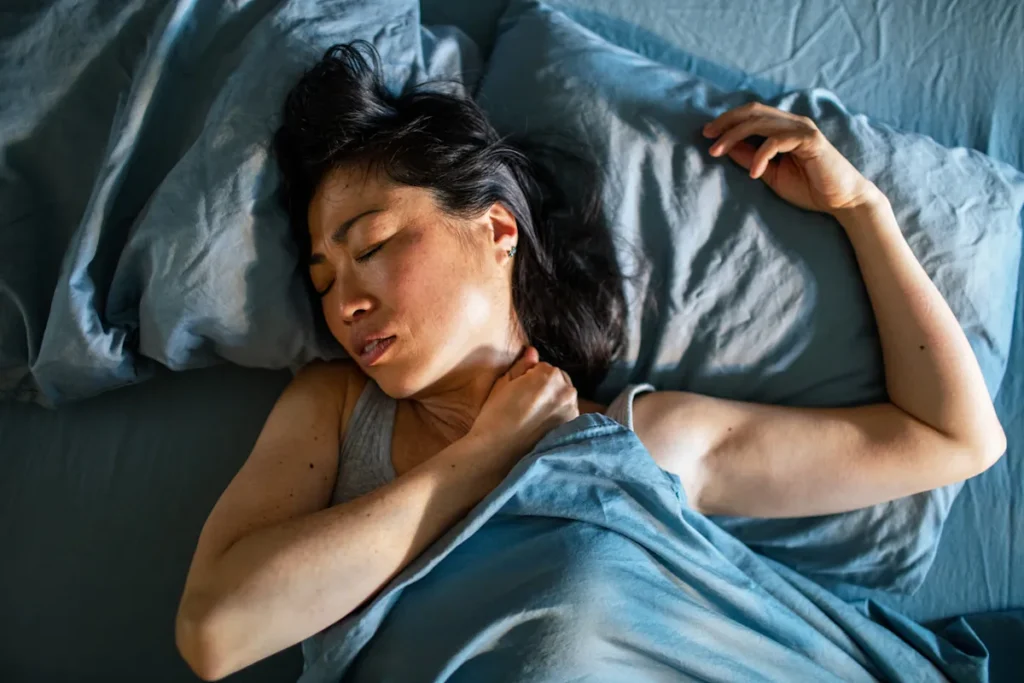
There are many ways to ease muscle soreness. This soreness, or delayed onset muscle soreness (DOMS), happens when we do hard exercise. Here are some methods backed by science to help you feel better.
1. Active Recovery and Light Exercise
Doing light physical activity after hard exercise can help. Active recovery includes:
Light cardio like cycling or swimming
Gentle stretching to improve flexibility
Low-intensity yoga for relaxation and flexibility
These activities boost blood flow to sore muscles. This helps remove waste that causes soreness.
2. Proper Hydration and Nutrition
Drinking enough water and eating well are key for muscle recovery. Drinking water helps get rid of toxins and lowers muscle inflammation. Eating a balanced diet with protein, complex carbohydrates, and healthy fats helps muscles repair.
3. Alternating Heat and Cold Therapy
Switching between heat and cold therapy can help with sore muscles. Cold therapy, like ice packs, reduces inflammation. Heat therapy, like warm baths or heating pads, increases blood flow to muscles.
Use cold therapy right after exercise to lower inflammation
Switch to heat therapy after 24-48 hours to improve blood flow and relaxation
4. Massage and Self-myofascial Release Techniques
Massage therapy and self-myofascial release can ease sore muscles. They improve blood flow and break down muscle adhesions. Techniques include:
Using foam rollers to release muscle tension
Self-massage to target sore spots
Professional massage for deeper work
Preventing Muscle Soreness Before It Starts
To keep up with a regular workout, it’s key to stop muscle soreness before it happens. By using certain methods in your exercise plan, you can lower the chance of getting delayed onset muscle soreness (DOMS).
Essential Warm-up and Cool-down Protocols
A good warm-up and cool-down are vital for a workout routine. They help prevent muscle soreness. Dynamic stretching in warm-ups gets muscles ready for hard work by boosting blood flow and warming them up. On the other hand, static stretching in cool-downs makes muscles more flexible and less tense.
Progressive Training: Building Intensity Gradually
Progressive training means slowly upping the intensity of your workouts. This lets muscles adjust without sudden, extreme demands. Gradual progression helps muscles recover and get stronger over time.
To start progressive training, set achievable goals and slowly increase your workout intensity. For instance, you can lift more weight or do more reps as you get stronger.
Conclusie
Understanding Delayed Onset Muscle Soreness (DOMS) is key for those who exercise often. Knowing the causes and timeline helps in easing pain and speeding up recovery.
There are 7 proven ways to cure sore muscles. These include active recovery, staying hydrated and eating right, using heat and cold, and getting massages. Adding these to your routine can lessen soreness and boost performance.
Preventing DOMS is also important. Using proper warm-ups and cool-downs, and gradually increasing workout intensity can help. This way, you can keep exercising regularly and reach your fitness goals.
Knowing how to handle sore muscles is vital. By using the right methods and a good training plan, you can reduce pain and get better results. With the right approach, you can beat DOMS and keep moving forward in your fitness journey.
FAQ
Referenties
Waarom doet mijn lichaam pijn na het sporten?
Your body gets sore after working out because of DOMS. This is a normal reaction to new or hard exercise. It causes tiny muscle tears, leading to inflammation and soreness.
Hoe kan ik pijn door het sporten verlichten?
To ease soreness, try active recovery, drink plenty of water, and eat well. Use heat and cold therapy, and consider massage or self-myofascial release.
Waarom doen mijn benen pijn na een training?
Your legs hurt after a workout because of intense activity. This causes micro-tears and inflammation in muscles like the quadriceps, hamstrings, and calf muscles.
Wat kan ik doen om mijn pijnlijke spieren te verhelpen?
For sore muscles, use foam rolling or self-myofascial release. Try a warm bath or shower. Apply creams or gels with arnica or capsaicin.
Hoe verzacht ik de pijn na het sporten?
Ease soreness with light exercise like cycling or swimming. Use compression garments or Epsom salt baths to aid recovery.
Wat is de beste manier om spierpijn na het sporten te genezen?
Cure muscle pain by using a mix of recovery methods. Include active recovery, proper hydration and nutrition, and heat and cold therapy. This helps heal and reduce soreness.
Hoe kan ik spierpijn na een training voorkomen?
Prevent sore muscles with proper warm-ups and cool-downs. Gradually increase exercise intensity. Include rest days in your training schedule.
Wat moet je doen als je pijn hebt van het sporten?
When sore, focus on recovery. Take rest days, use foam rolling or massage, and adjust your training intensity. This lets your muscles heal.
Hoe krijg je geen spierpijn na een training?
To avoid soreness, increase exercise intensity slowly. Use proper warm-ups and cool-downs. Prioritize recovery with stretching, foam rolling, and self-myofascial release.
Nationaal Centrum voor Biotechnologie-informatie. Evidence-Based Medisch Inzicht. Opgehaald van https://www.ncbi.nlm.nih.gov/books/NBK513362/