
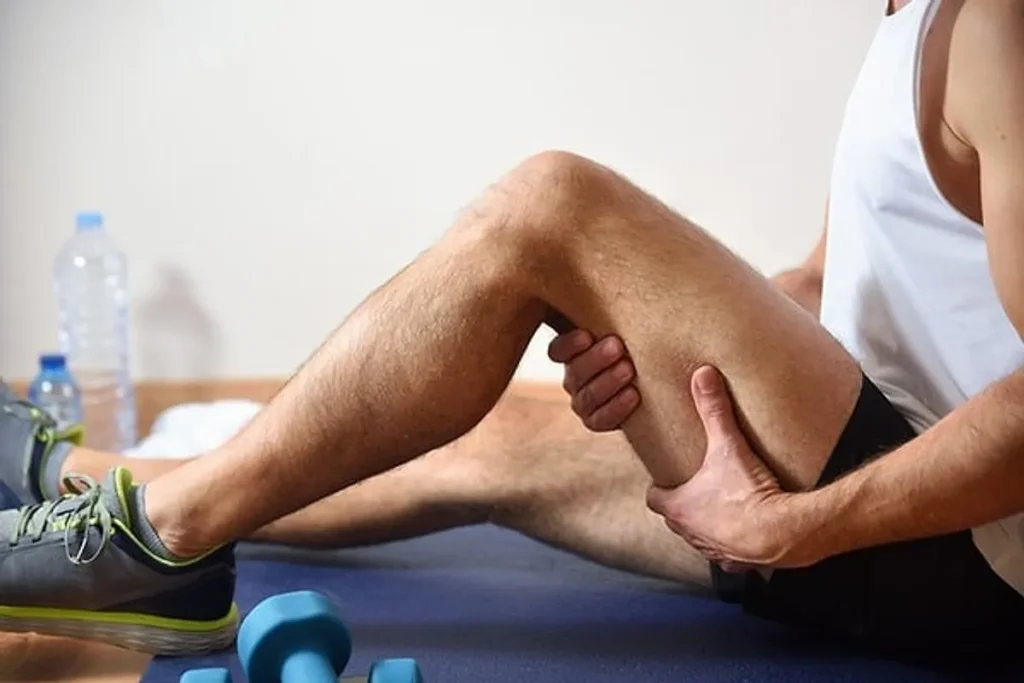
Feeling sore muscles the day after a tough workout is normal. It’s your body’s way of getting stronger and fitter.
Knowing about delayed onset muscle soreness (DOMS) helps you recover better. It lets you keep training and reach your fitness goals without getting stuck.
Unlock your recovery with strategies backed by medical experts. They turn soreness after working out into a normal part of getting fit.
Belangrijkste opmerkingen
Understand the causes of muscle soreness and its impact on your fitness journey.
Learn about delayed onset muscle soreness (DOMS) and its effects.
Discover 7 effective methods to alleviate muscle pain after exercise.
Explore evidence-based relief approaches, including massage therapy and active recovery.
Enhance your recovery process and maintain training consistency.
Understanding Muscle Soreness After Workouts
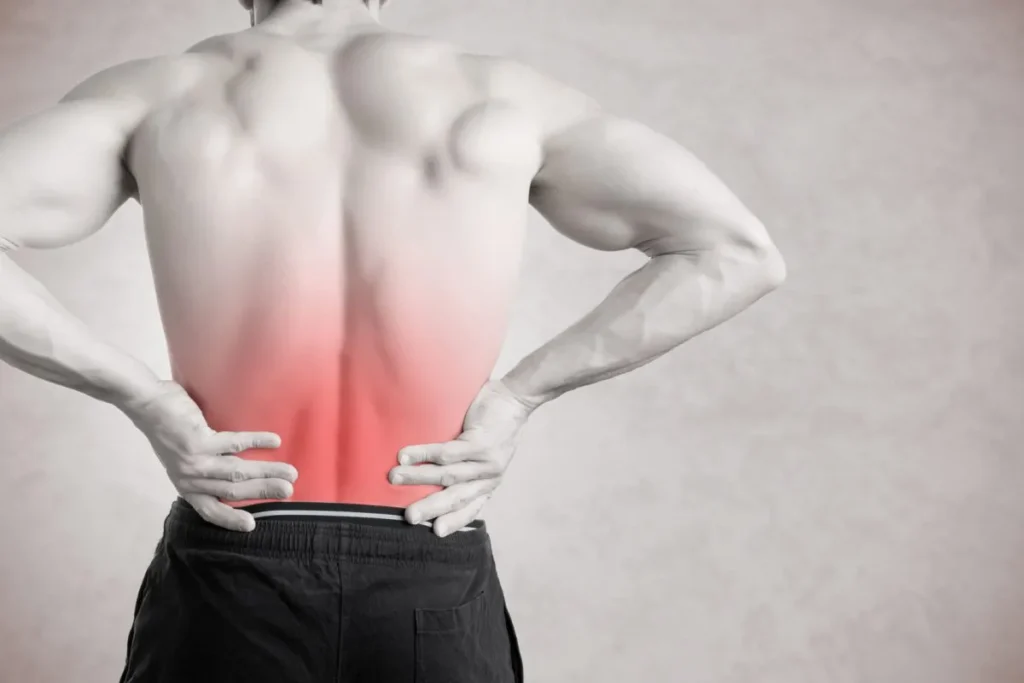
Learning about muscle soreness can change how you see working out. When you do exercises that make your muscles longer, you hurt them a bit. This hurt starts a chain of events that makes your muscles sore.
What Causes DOMS in Athletes and Beginners
DOMS happens when you hurt your muscles during eccentric contractions. This leads to inflammation and pain. It’s not just for athletes; newbies get it too because their muscles are used to it.
The inflammation is your body’s way of saying, “Hey, I’m hurt!” It starts a healing process that can make your muscles stronger over time.
The 12-72 Hour Timeline of Muscle Soreness
The time frame for DOMS is important to know. The soreness usually starts 12 to 24 hours after working out. It gets worse between 24 to 72 hours.
This delay is because it takes time for the body to react and for the pain to show up. How long and how bad the soreness is can change based on the workout, how you handle it, and how you recover.
Knowing about DOMS helps you get ready for and deal with muscle soreness. It makes your fitness journey better.
How Can I Relieve Sore Muscles: 7 Research-Backed Methods
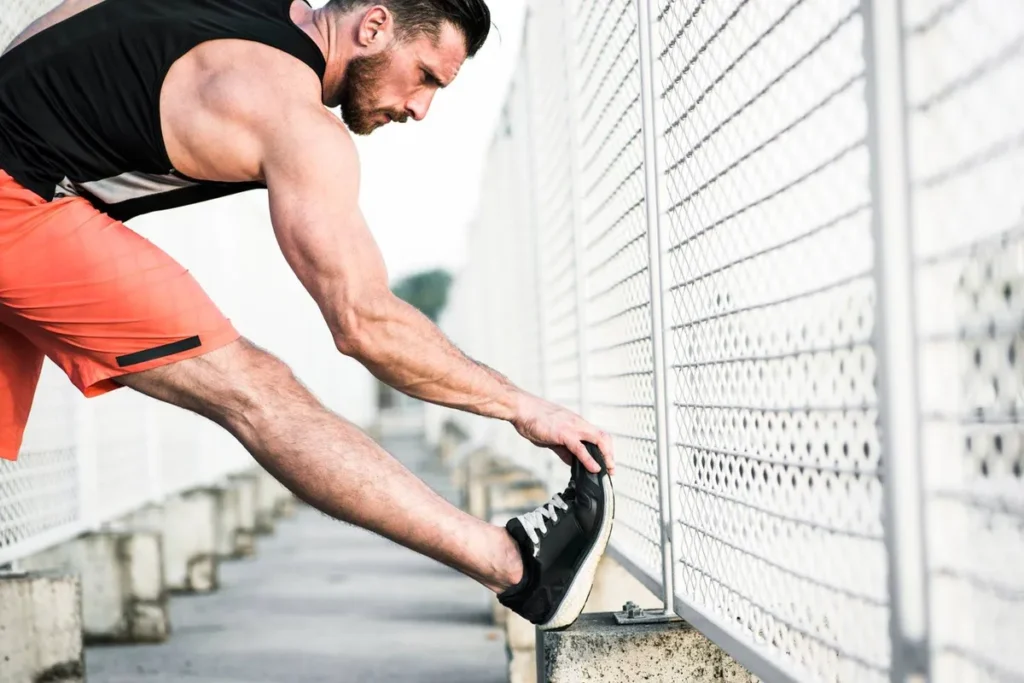
Many people feel sore after working out. There are several ways to feel better, backed by research. Muscle soreness, or DOMS, is common after hard exercise. Finding good ways to recover is key to feeling better and doing better in your workouts.
Massage Therapy: Reducing Inflammation by 37.5%
Massage is a top choice for easing sore muscles. It can cut inflammation by 37.5%, speeding up recovery. Massage boosts blood flow, helping to clear out waste that makes muscles sore.
Compression Garments: Optimal Wearing Time for Results
Wearing compression clothes is also helpful. They improve blood flow and reduce muscle movement, helping you recover faster. For best results, wear them for 12-24 hours after working out.
Active Recovery: Swimming, Yoga, and Walking Benefits
Doing low-intensity activities like swimming, yoga, and walking can also help. These activities increase blood flow and help move waste out of muscles. This reduces soreness and boosts flexibility.
Vibration Therapy for Faster Muscle Recovery
Vibration therapy, or WBV, involves standing or exercising on a vibrating platform. It boosts circulation, cuts muscle soreness, and aids recovery. It stimulates muscle contractions, helping to clear waste and improve muscle function.
Other good ways to ease sore muscles include foam rolling, stretching, and contrast showers. Adding these to your routine can lessen soreness and enhance your fitness.
Conclusion: Implementing Your Personalized Muscle Recovery Strategy
Now that you know the 7 effective ways to ease sore muscles, it’s time to make your own recovery plan. Use methods like massage, compression clothes, and active recovery to get rid of soreness. This way, you can perform at your best.
When you’re sore from working out, try vibration therapy or change your workout to avoid soreness. Find what works for you and learn to fix muscle pain after exercise.
By managing your muscle recovery, you’ll feel great and reach your full ability. Whether you’re an experienced athlete or just starting, a good recovery plan is essential. It helps you meet your goals and stay healthy. So, take charge of your recovery and enjoy the benefits of staying active.
FAQ
Waarom doet mijn lichaam pijn na het sporten?
Muscle soreness, or DOMS, happens when you damage muscle fibers. This leads to inflammation and pain. It usually occurs after trying new or hard exercises.
Hoe kan ik pijn door het sporten verlichten?
To ease soreness, try massage therapy, wearing compression clothes, and doing active recovery like swimming or yoga. Vibration therapy also helps.
Waarom doen mijn benen pijn na een training?
Legs often hurt after workouts because of the impact from exercises like running or squatting. These activities damage muscle fibers a lot.
Wat kan ik doen om mijn pijnlijke spieren te verhelpen?
You can also use foam rolling, stretch, and apply creams or gels with arnica or capsaicin. These can reduce pain and swelling.
How do I ease soreness after a workout?
To ease soreness, use a mix of rest, hydration, and nutrition. Also, try massage and wear compression clothes.
Wat te doen als je pijn hebt van het sporten?
When sore, balance rest with gentle activities. This can include light cardio, stretching, or doing yoga or walking.
Hoe kan ik spierpijn na een training voorkomen?
Preventing DOMS is hard, but you can try. Start with easier exercises, warm up well, cool down, and use recovery methods.
Hoe spierpijn genezen na het sporten?
To cure muscle pain, use recovery methods like vibration therapy and contrast water therapy. Also, eat foods that help muscles heal.
Wat te doen tegen spierpijn na het sporten?
For sore muscles, try foam rolling and use topical treatments. These can help with pain and recovery.
Referenties
Nationaal Centrum voor Biotechnologie-informatie. Evidence-Based Medisch Inzicht. Opgehaald van https://pubmed.ncbi.nlm.nih.gov/12617692/





