
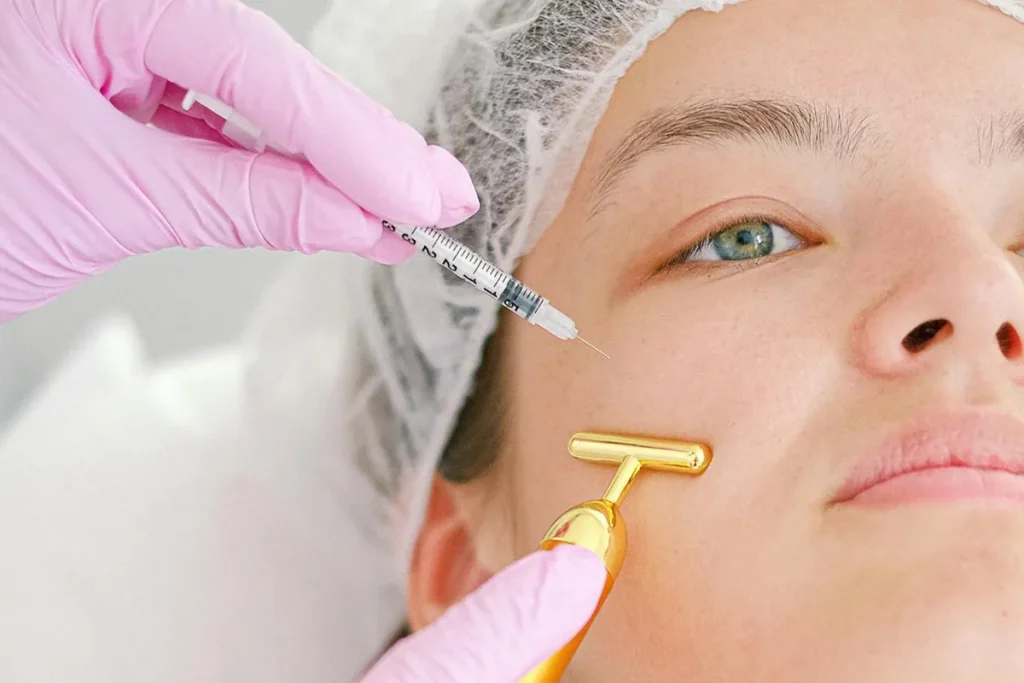
Voel je je minder zelfverzekerd door donkere kringen, zwellingen of fijne lijntjes onder je ogen? Dermale vullers onder de ogen zijn een populaire, niet-chirurgische manier om dit gebied op te frissen. Ze maken gebruik van hyaluronzuurinjecties onder de ogen, een natuurlijke huidsubstantie. Dit kan snel volume toevoegen en je er wakkerder uit laten zien.
Een getrainde zorgprofessional kan je injecties onder de ogen geven met geweldige resultaten en weinig downtime. Voor een volledige blik op deze behandeling, Bekijk onze gedetailleerde gids over vullers voor onder de ogen, inclusief de voordelen en wat u kunt verwachten.
Belangrijkste opmerkingen
Herstel direct het volume onder de ogen met fillers onder de ogen
Minimale downtime, waardoor u snel kunt terugkeren naar uw dagelijkse activiteiten
Natuurlijk ogende verbeteringen voor een uitgerust uiterlijk
Verbetert volumeverlies, herstelt de volheid en geeft een jeugdigere uitstraling
De resultaten kunnen 6 tot 18 maanden aanhouden, afhankelijk van het type vuller
Inzicht in oogvullers en hun voordelen
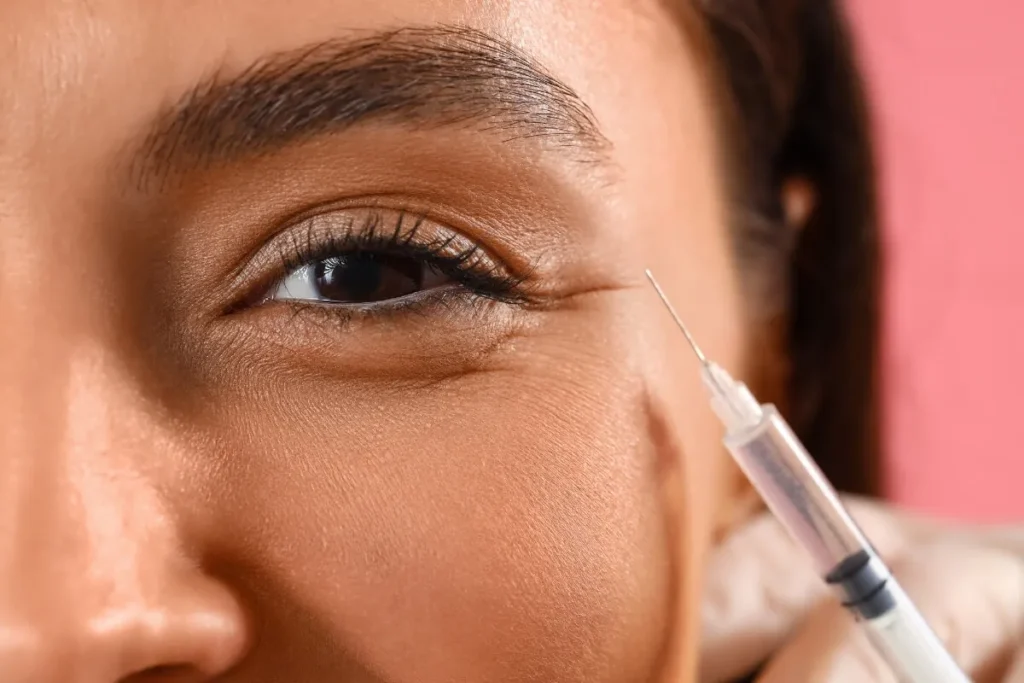
Het krijgen van een verfriste, jeugdige uitstraling is eenvoudig met vullers voor onder de ogen. Deze fillers pakken donkere kringen, holtes en wallen onder de ogen aan. Ze voegen volume toe en maken het gebied gladder, waardoor je er helderder en jonger uitziet.
Wat zijn hyaluronzuurvullers?
Hyaluronzuur fillers zijn huidvullers die volume toevoegen en rimpels gladstrijken. Ze zijn geweldig voor het gebied onder de ogen, herstellen donkere kringen en traanbuisafwijkingen. Omdat ze gemaakt zijn van een natuurlijke lichaamseigen stof, zijn ze veilig en werken ze goed.
Veelvoorkomende problemen onder de ogen aangepakt met fillers
Vullers voor onder het oog, zoals hyaluronzuur, lossen veel problemen op. Ze vullen holtes op, verminderen donkere kringen en egaliseren de huidtextuur. Het is belangrijk om te weten wat de voordelen zijn en wat je kunt verwachten. In de blog van Medical Expert over vullers voor onder de ogen worden de voordelen en risico's uitgelegd.
Door te kiezen voor hyaluronzuurvullers kun je er jonger en stralender uitzien. Het is belangrijk om een deskundige behandelaar te vinden. Zij zorgen ervoor dat de behandeling er natuurlijk uitziet en je schoonheid een boost geeft.
Kun je fillers onder je ogen aanbrengen? Procedure en resultaten
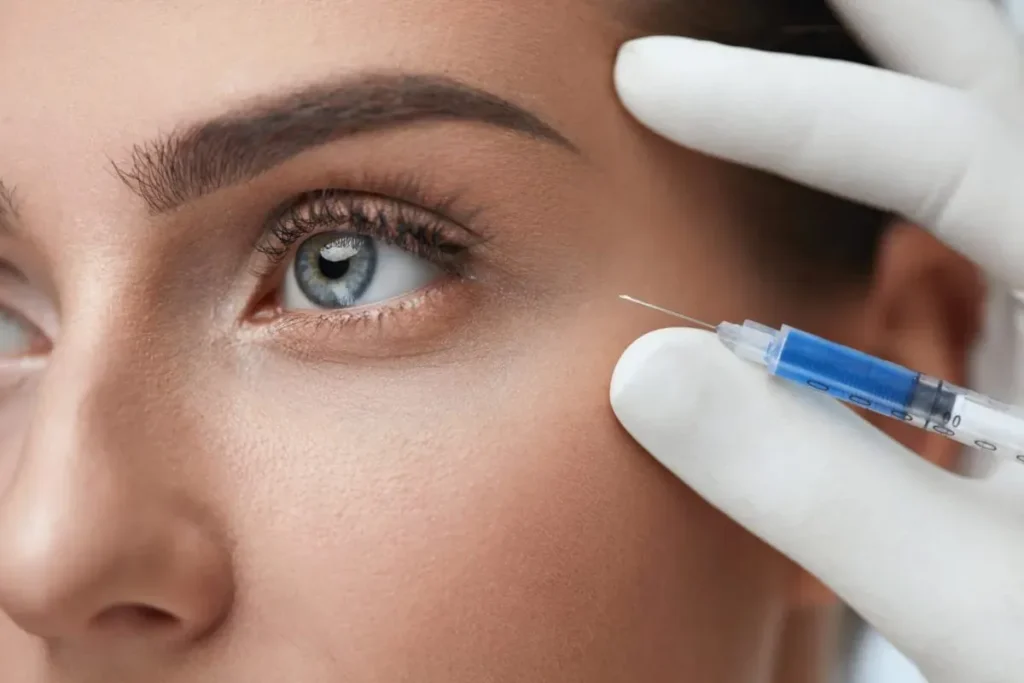
Naarmate we ouder worden, kan het gebied onder onze ogen een probleem worden. Gelukkig bieden fillers voor onder de ogen een moderne oplossing. In dit hoofdstuk lees je meer over de procedure, de verwachte resultaten en hoe vullers voor onder de ogen zich verhouden tot chirurgische alternatieven.
De Under-Eye Filler Procedure
Bij de procedure voor het opvullen van de huid onder de ogen worden hyaluronzuurvullers in het gebied rond de traanbuis geïnjecteerd. Dit proces verloopt snel en wordt uitgevoerd door een professionele arts.
Dit is wat je kunt verwachten tijdens de procedure:
Voorbereiding: Het gebied wordt gereinigd en voorbereid op de injectie.
Injectie: De hyaluronzuurvuller wordt voorzichtig in het doelgebied geïnjecteerd.
Verzorging na de behandeling: Je krijgt instructies over de verzorging van het behandelde gebied.
Verwachte resultaten en levensduur
De resultaten van vullers voor onder de ogen zijn onmiddellijk en geven een verfriste en verjongde blik. De fillers blijven 6 tot 12 maanden zitten.
Verschillende factoren zijn van invloed op de levensduur van de vullers:
Het type vulmiddel dat wordt gebruikt
Individuele huidkenmerken
Leefstijlfactoren
Vergelijking met chirurgische alternatieven
In tegenstelling tot blepharoplastie zijn vullers voor onder het oog minder invasief. Ze hebben minder risico's en minder downtime.
Deze vergelijking laat zien waarom vullers voor onder de ogen aantrekkelijk zijn. Ze bieden een moderne, minder invasieve schoonheidsoplossing.
Overwegingen voordat je vullers voor onder het oog laat aanbrengen
Denk aan de mogelijke risico's en bijwerkingen voordat je vullers voor onder het oog laat zetten. Hoewel ze meestal veilig zijn, kunnen ze blauwe plekken, zwellingen en roodheid veroorzaken. Het is belangrijk om een gekwalificeerde arts te kiezen om deze risico's te beperken en de beste resultaten te krijgen.
Het is ook belangrijk om realistische verwachtingen te hebben over de resultaten. Hyaluronzuurvullers kunnen een tijdelijke oplossing bieden, maar ze blijven niet eeuwig zitten. Het is belangrijk om te weten hoe lang de fillers meegaan en wanneer je er meer nodig hebt om een goede keuze te maken.
Een goede nazorg is ook van vitaal belang voor de beste resultaten. Door het advies van je arts op te volgen en de juiste voorzorgsmaatregelen te nemen, kun je een stralende gloed krijgen. Geniet van een tijdloze schoonheid met vullers voor onder de ogen en voel je zelfverzekerd in je eigen huid.
FAQ
Waar zijn vullers voor onder de ogen van gemaakt?
Vullers voor onder het oog worden gemaakt van hyaluronzuur. Dit is een natuurlijke stof in ons lichaam die de huid gehydrateerd en vol houdt. Merken als Restylane en Belotero gebruiken hyaluronzuurvullers omdat ze veilig zijn en goed werken.
Hoe lang blijven onderoogvullers zitten?
Hoe lang fillers meegaan, hangt af van je huid en levensstijl. Gemiddeld gaan ze 6 tot 18 maanden mee. Soms gaan ze wel 2 jaar mee. Regelmatige touch-ups kunnen ervoor zorgen dat je resultaten er goed blijven uitzien.
Zijn fillers voor onder de ogen pijnlijk?
De pijn kan van persoon tot persoon verschillen. Artsen gebruiken vaak verdovende crèmes of blokken om het proces minder pijnlijk te maken. Sommige vullers, zoals die met lidocaïne, verdoven het gebied ook.
Kunnen donkere kringen worden behandeld met vullers voor onder de ogen?
Ja, fillers kunnen helpen bij donkere kringen. Ze vullen de holtes onder de ogen op. Dit kan donkere kringen minder opvallend maken en je ogen een heldere blik geven.
Wat zijn de mogelijke bijwerkingen van vullers voor onder de ogen?
Bijwerkingen zijn onder andere blauwe plekken, zwelling en roodheid. Zeldzame maar ernstige problemen zoals infecties of verstoppingen kunnen ook voorkomen. Het kiezen van een deskundige arts en het volgen van nazorg kan deze risico's verlagen.
Hoe kies ik een gekwalificeerde behandelaar voor vullers voor onder de ogen?
Zoek een arts met veel ervaring met vullers voor onder de ogen. Zorg ervoor dat ze gecertificeerd zijn en bekijk recensies van andere cliënten. Zo weet je zeker dat je in goede handen bent.
Kan ik fillers voor onder mijn ogen krijgen als ik een gevoelige huid heb?
Ja, maar praat eerst met je arts. Hij of zij kan je helpen de juiste vuller te kiezen voor je gevoelige huid.
Zijn er alternatieven voor vullers voor onder de ogen?
Ja, er zijn andere opties. Je kunt een operatie overwegen of niet-invasieve behandelingen zoals peelings of lasers. Je arts kan je helpen de beste optie voor jou te kiezen.
Hoe verzorg ik mijn huid na een vulling voor mijn ogen?
Volg het nazorgadvies van je arts. Dit kan inhouden dat je zware activiteiten moet vermijden, ijs moet gebruiken en je huid voorzichtig moet verzorgen. Een goede verzorging van je huid na de behandeling helpt bij de resultaten en bijwerkingen.
Referenties
Nationaal Centrum voor Biotechnologie-informatie. Evidence-Based Medisch Inzicht. Opgehaald van https://pmc.ncbi.nlm.nih.gov/articles/PMC7717933/





