
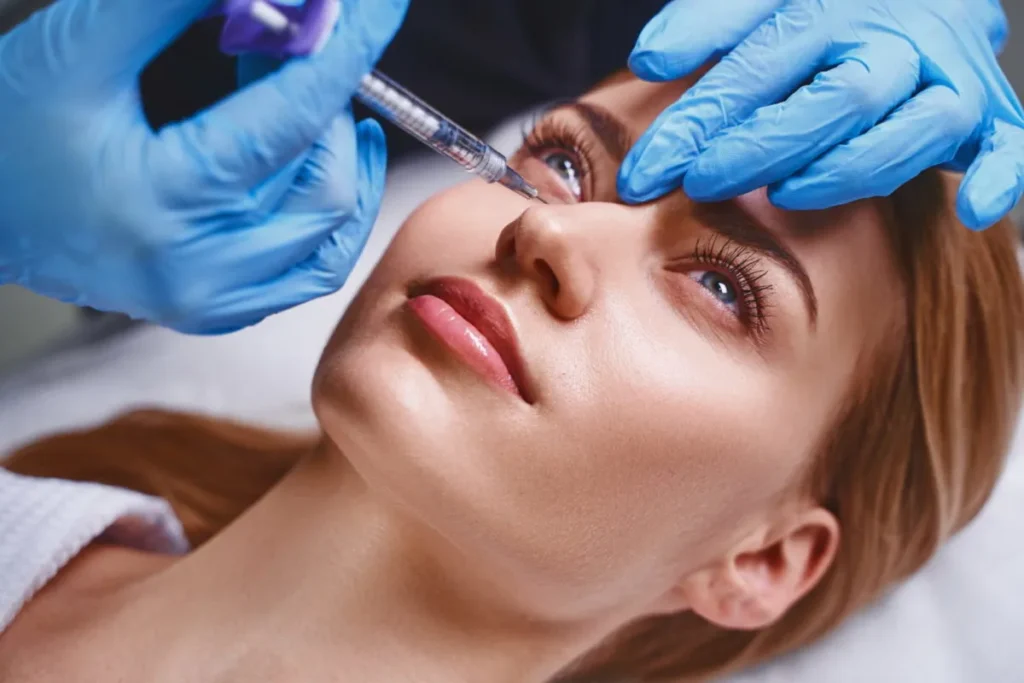
Holle ogen en ingevallen ogen kunnen je er ouder uit laten zien. Ze werpen schaduwen waardoor je er altijd moe uitziet. Moderne dermale vullers hebben de manier waarop we dit probleem behandelen veranderd. Ze voegen volume toe aan de traanbuiszone, waardoor je er meteen fris uitziet.
Vertrouwde zorgverleners weten hoe ze dit gebied veilig en effectief kunnen behandelen. Ze zorgen ervoor dat je een luxe transformatie krijgt met weinig downtime. Onderzoeken tonen aan dat de meeste patiënten binnen drie maanden na de behandeling een grote afname zien van de holle ruimte onder hun ogen. behandeling.
Belangrijkste opmerkingen
Dermale vullers bieden een niet-chirurgische oplossing om volumeverlies en schaduwen aan te pakken.
Vullers op basis van hyaluronzuur herstellen het verloren volume in het gebied rond de traanbuis.
Klinisch bewezen resultaten tonen een vermindering van de holle ruimte onder de ogen.
Onmiddellijke, natuurlijk ogende resultaten met minimale downtime.
Vertrouwde zorgverleners garanderen een veilige en effectieve behandeling.
Inzicht in oogholtes en de oorzaken ervan
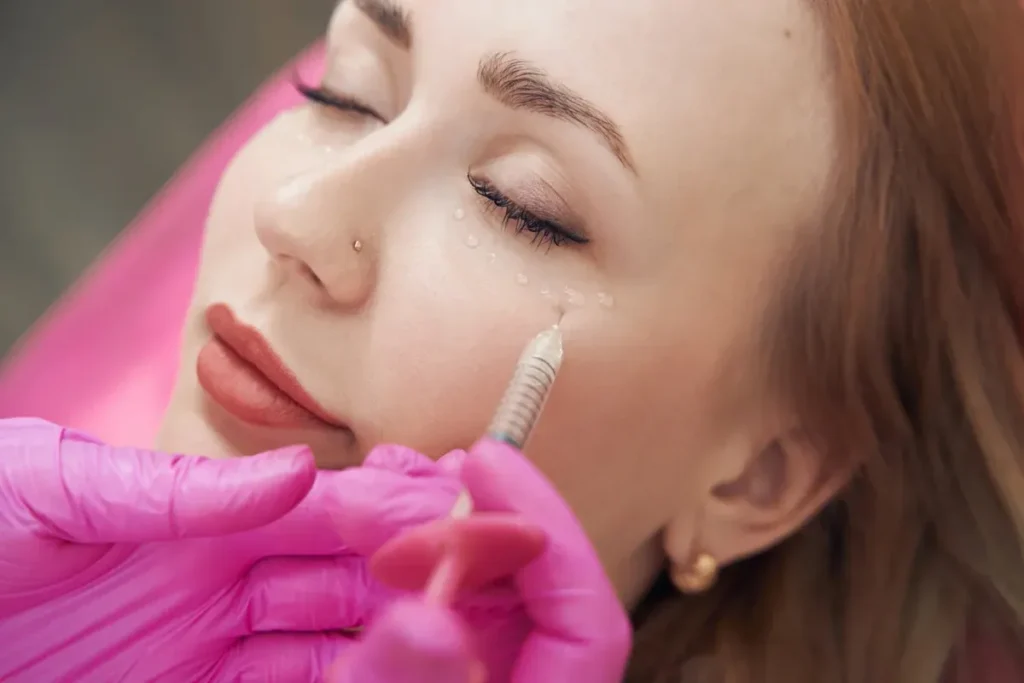
Naarmate we ouder worden, verandert de huid rond onze ogen veel. Dit leidt tot holtes onder de ogen en vervormingen van de traanbuis. Deze veranderingen ontstaan doordat we collageen en hyaluronzuur verliezen. Deze zijn belangrijk om de huid vol en elastisch te houden.
De wetenschap achter verzonken ogen
De huid rond onze ogen is dunner en kwetsbaarder dan de rest van ons gezicht. Hierdoor vertoont het eerder de tekenen van veroudering. Vooral de traanbuiszone wordt hol door minder vetweefsel en een spierstructuur die schaduwen creëert.
Hoe veroudering de traanbuis beïnvloedt
Door het ouder worden verandert onze gezichtsstructuur, waaronder het oogkasbot. Hierdoor kunnen onze ogen er hol uitzien en onze wangen platter. Het geeft ons een vermoeide of verouderde blik. Bekijk voor meer informatie over vermoeide ogen en holle ogen onder de ogen onze gids over het begrijpen van vermoeide ogen en holle ogen onder de ogen.
Vullers voor holtes onder de ogen: Opties en effectiviteit
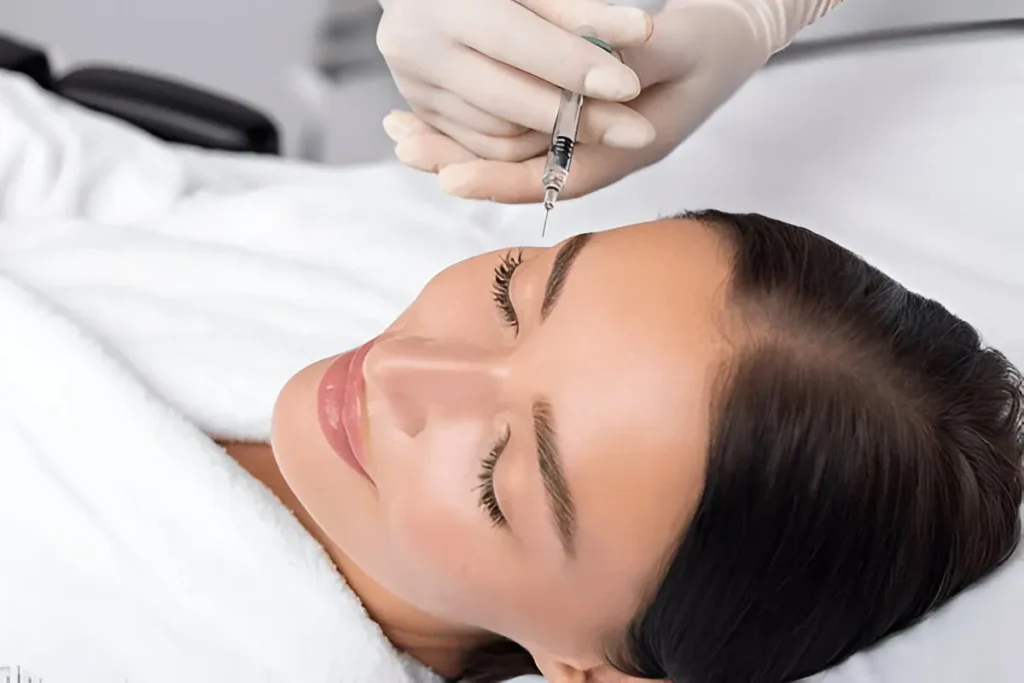
Holtes onder de ogen kunnen worden behandeld met dermale vullers, waardoor het gebied er gladder en jonger uitziet. Hyaluronzuurvullers zijn populair omdat ze veilig en omkeerbaar zijn en natuurlijke resultaten geven.
Hoe hyaluronzuurvullers werken
Hyaluronzuurvullers geven volume aan de traanbuiszone en verminderen holtes onder de ogen. Hyaluronzuur is een natuurlijke lichaamseigen stof die vocht goed vasthoudt. Door deze fillers in de traanbuis te injecteren, ziet het gebied onder de ogen er gladder en stralender uit.
Populaire vulmerken voor traanbakken
Verschillende merken bieden hyaluronzuurvullers van topkwaliteit voor traanbuizen. Restylane, Juvederm en Belotero zijn favoriet, elk met hun eigen voordelen. Deze vullers zijn verkrijgbaar in verschillende viscositeiten en elasticiteiten, waardoor behandelingen op maat mogelijk zijn.
Klinische resultaten en tevredenheid van patiënten
Onderzoeken tonen aan dat hyaluronzuur fillers holtes onder de ogen aanzienlijk verbeteren. Patiënten zien al na drie maanden een grote verandering en de meesten zijn erg tevreden met de resultaten. Door hun veiligheid en effectiviteit zijn ze een topkeuze voor zowel artsen als patiënten.
Conclusie: Wat u kunt verwachten tijdens en na de behandeling
Het nemen van vullers voor onder de ogen is een nauwkeurig proces. Er is een bekwame, gediplomeerde dermatoloog voor nodig om jouw behoeften te beoordelen. Zij stellen een behandelplan op voor jou. De behandeling zelf duurt 15-30 minuten.
Er wordt een zeer fijne naald of canule gebruikt om vullers in het gebied rond de traanbuis te injecteren. Na de behandeling kun je een lichte zwelling of blauwe plek zien. Dit trekt meestal na een week weg.
De resultaten van vullers voor onder de ogen zijn meteen zichtbaar. Maar de eerste zwelling kan een deel van de verbetering verbergen. Ga voor meer informatie over de behandeling en nazorg naar Advanced Dermatology. De uiteindelijke resultaten zijn zichtbaar als alle zwelling is verdwenen. Met de juiste verzorging kunnen de resultaten tot 18 maanden aanhouden.
Als je weet wat je kunt verwachten tijdens en na de behandeling, kun je betere keuzes maken. Het zorgt ervoor dat je de beste resultaten behaalt met de nazorg van je dermale vuller. Met de juiste behandeling en verzorging kun je een stralende gloed en tijdloze schoonheid bereiken.
FAQ
Wat zijn dermale vullers voor holtes onder de ogen?
Dermale vullers voor holle ogen zijn een niet-chirurgische oplossing. Ze helpen bij volumeverlies en schaduwen. Hierdoor ziet de zone onder de ogen er gladder en stralender uit.
Hoe werken dermale fillers op basis van hyaluronzuur voor holtes onder de ogen?
Vullers op basis van hyaluronzuur geven volume aan het gebied rond de traanbuis. Dit maakt het gebied gladder en vermindert donkere kringen veroorzaakt door schaduwen.
Wat zijn de populairste vulmerken voor traanbakken?
Topmerken voor traanbuiltjes zijn Restylane, Juvederm en Belotero. Ze staan bekend om hun veiligheid, omkeerbaarheid en natuurlijke resultaten.
Hoe lang houden de resultaten van vullers voor onder de ogen aan?
Bij goede verzorging kunnen de resultaten van vullers voor onder de ogen tot 18 maanden aanhouden.
Wat kan ik verwachten tijdens de behandeling voor holle ogen?
Een gediplomeerd dermatoloog beoordeelt je problemen en stelt een persoonlijk plan op. Dit zorgt voor een aanpak op maat voor je oogholtes.
Wat zijn de bijwerkingen van vullers voor onder de ogen?
Na de behandeling kun je een lichte zwelling of blauwe plek zien. Dit trekt meestal binnen een week weg.
Zijn dermale vullers voor holtes onder de ogen effectief?
Klinische gegevens laten zien dat 87 procent van de patiënten binnen drie maanden een vermindering van de holle ruimte onder de ogen zag. Dit geeft aan dat ze zeer effectief zijn.
Wat veroorzaakt holtes onder de ogen?
Veroudering veroorzaakt een verlies van collageen en hyaluronzuur. Dit leidt tot volumeverlies en schaduwen, waardoor de ogen er vermoeid uitzien. Het bot rond onze ogen wordt ook breder, waardoor holtes en afgeplatte wangen ontstaan.
Kunnen dermale vullers worden gebruikt voor andere gezichtsproblemen naast oogholtes?
Ja, dermale vullers worden niet alleen gebruikt voor holtes onder de ogen. Ze kunnen ook worden gebruikt voor nasolabiale plooien en lipvergroting. Dit hangt af van het type filler en de expertise van de behandelaar.
Hoe snel zijn de resultaten zichtbaar na een behandeling met een vuller voor onder de ogen?
De resultaten zijn meteen zichtbaar. De uiteindelijke resultaten verschijnen zodra de zwelling is verdwenen.





