
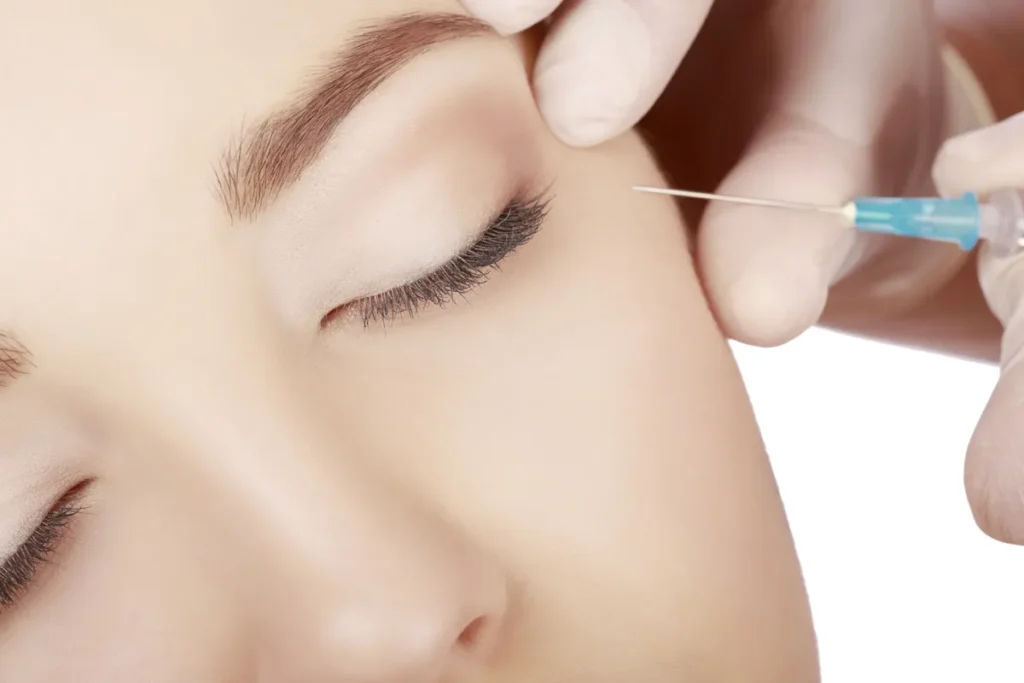
Vullers voor onder het oog zijn een populaire keuze voor mensen die donkere kringen willen wegwerken. Hierbij wordt hyaluronzuur in de traanbuiszone geïnjecteerd. Dit geeft tijdelijke resultaten die tot 2 jaar kunnen duren.
Medical Expert oogvullers kunnen holtes en schaduwen veilig verminderen. Maar de eerste paar dagen kun je blauwe plekken, zwelling en roodheid zien. Het is belangrijk om de risico's en complicaties van deze cosmetische procedure te kennen.
Belangrijkste opmerkingen
Vullers voor onder het oog zijn een niet-chirurgische oplossing voor het verminderen van donkere kringen en holtes.
Tijdelijke resultaten kunnen 1 tot 2 jaar aanhouden.
Veel voorkomende bijwerkingen zijn blauwe plekken, zwelling en roodheid.
Er kunnen ernstige complicaties optreden als ze niet worden toegediend door ervaren professionals.
Inzicht in de risico's en voordelen is essentieel voordat u een behandeling.
Inzicht in oogvullers
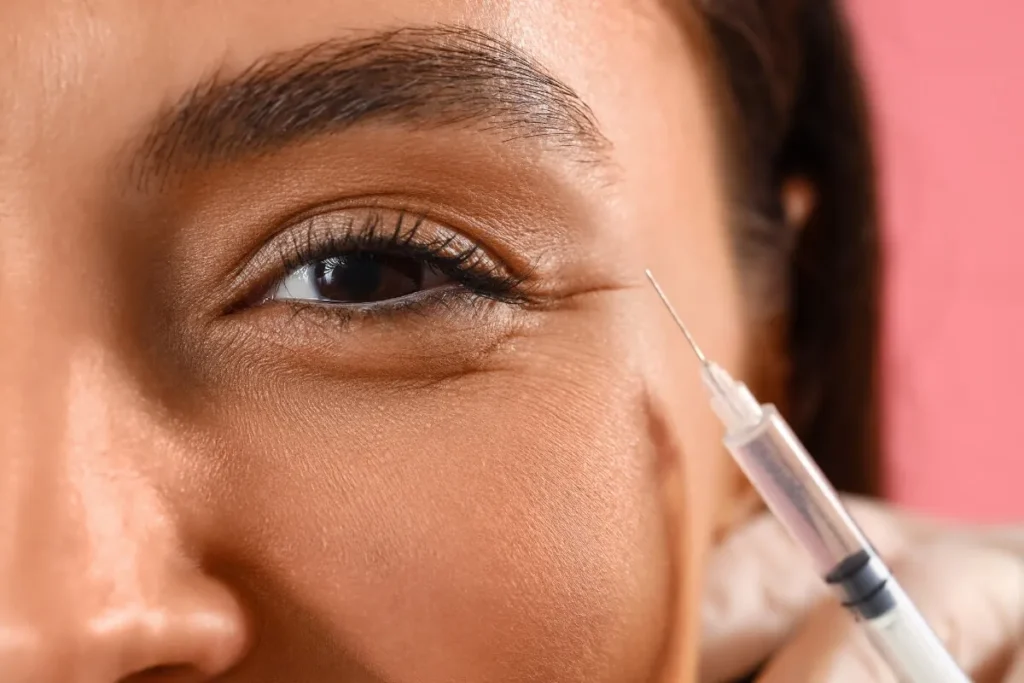
Naarmate we ouder worden, kan het gebied onder onze ogen een probleem worden. Vullers voor onder de ogen bieden een moderne oplossing voor een gladder en levendiger uiterlijk. Het is een populaire cosmetische behandeling om donkere kringen, holtes en wallen aan te pakken.
Wat zijn vullers voor onder de ogen?
Vullers voor onder de ogen, vaak gemaakt met hyaluronzuur, zijn geliefd vanwege hun vermogen om volume te herstellen. Hyaluronzuur is een lichaamseigen stof. Het houdt vocht vast en zorgt voor een opvullend effect.
Dit maakt het een ideaal ingrediënt voor fillers. Het helpt fijne lijntjes en rimpels te verminderen. Het geeft het gebied onder de ogen een jeugdiger en stralender uiterlijk.
Het traanbuisbehandelingsproces
Het proces om vullers voor onder de ogen te krijgen bestaat uit een paar stappen. Eerst wordt er een consultatie uitgevoerd om het gebied onder de ogen te beoordelen. Daarna wordt bepaald wat de beste behandeling is.
De eigenlijke procedure bestaat uit het injecteren van de filler in het gebied van de traanbuis met behulp van een fijne naald. De behandeling is relatief snel en duurt meestal 30 minuten tot een uur. De behandeling wordt uitgevoerd onder plaatselijke verdoving om het ongemak tot een minimum te beperken.
Verwachte resultaten en looptijd
De resultaten van vullers voor onder de ogen zijn onmiddellijk. Het gebied ziet er gladder en verjongd uit. De duur van de resultaten kan variëren, maar normaal gesproken blijven oogfillers 6 tot 12 maanden zitten.
Factoren zoals het type filler dat wordt gebruikt, individuele huidkenmerken en levensstijl kunnen van invloed zijn op de duur van de resultaten. Voor diegenen die een behandeling met vullers voor onder het oog overwegen, is het essentieel om realistische verwachtingen te hebben. Begrijp dat de behandeling tijdelijk is. Voor meer informatie over de veiligheid en risico's van vullers voor onder het oog, kun je meer lezen op de blog van Medical Expert.
Risico van fillers onder de ogen
Vullers voor onder de ogen zijn populair maar brengen risico's met zich mee. Ze zijn bedoeld om het gebied onder de ogen te verjongen. Het is belangrijk om de mogelijke complicaties te kennen.
Vaak voorkomende bijwerkingen: Blauwe plekken en zwelling
Blauwe plekken en zwelling zijn veel voorkomende bijwerkingen. Ze treden op omdat de injectie de bloedvaten en weefsels kan beschadigen. Blauwe plekken verdwijnen meestal na een paar dagen tot een week. Zwelling kan langer duren.
Esthetische complicaties: Asymmetrie en bobbeligheid
Asymmetrie en klonterigheid zijn esthetische problemen. Asymmetrie treedt op wanneer de vuller niet gelijkmatig verdeeld is, waardoor er een onbalans ontstaat. Klonterigheid ontstaat wanneer vulmateriaal samenklontert, waardoor de huid ongelijk wordt.
Het Tyndall-effect en verkleuring
Het Tyndall-effect veroorzaakt blauwachtige verkleuring onder de ogen. Dit gebeurt wanneer fillers te dicht bij het oppervlak worden geplaatst. Verkleuring kan ook worden veroorzaakt door het type filler en de huidkenmerken.
Allergische reacties en gevoeligheid
Allergische reacties op vullers zijn zeldzaam, maar kunnen voorkomen. Symptomen zijn onder andere roodheid, jeuk en zwelling. In ernstige gevallen kan gevoeligheid leiden tot ernstige reacties waarvoor medische hulp nodig is.
Mensen die nadenken over vullers voor onder de ogen moeten deze risico's kennen. Gesprekken met een gekwalificeerde arts kunnen deze problemen helpen voorkomen en zorgen voor een beter resultaat.
Ernstige complicaties en veiligheidsmaatregelen

Vullers voor onder de ogen brengen risico's met zich mee, waaronder ernstige problemen die je gezondheid en uiterlijk kunnen aantasten. De procedure is meestal veilig wanneer deze wordt uitgevoerd door een deskundige. Maar kennis van deze risico's is belangrijk om een slimme keuze te maken.
Vasculaire occlusie en weefselnecrose
Vasculaire occlusie is een ernstig probleem met vullers voor onder de ogen. Dit gebeurt wanneer de vuller een bloedvat blokkeert. Dit kan weefselnecrose veroorzaken, waarbij de huid afsterft omdat het niet genoeg bloed krijgt. Het kiezen van een gekwalificeerde arts is de sleutel tot het minimaliseren van dit risico. Voor meer gedetailleerde informatie over de risico's van injecties met vullers voor onder het oog kun je terecht bij Moorfields NHS.
Risico's gerelateerd aan het gezichtsvermogen
Problemen met het gezichtsvermogen, hoewel zeldzaam, kunnen zeer ernstig zijn. Fillers in de buurt van het oog kunnen blindheid veroorzaken doordat ze de slagader van het netvlies blokkeren. De nabijheid van belangrijke delen van het oog verhoogt dit risico. Het is essentieel om deze risico's met uw arts te bespreken.
Belang van gekwalificeerde beoefenaars
Het kiezen van een gekwalificeerde en ervaren behandelaar is erg belangrijk. Een ervaren behandelaar kent de anatomie en weet hoe hij problemen kan voorkomen. De tabel hieronder toont de verschillen tussen een gekwalificeerde en niet-gekwalificeerde behandelaar.
Door een gekwalificeerde behandelaar te kiezen, verlaag je het risico op ernstige problemen. Dit zorgt voor een veiligere en effectievere behandeling.
Conclusie
Onderzoek naar vullers voor onder de ogen laat zien dat echte schoonheid meer is dan een snelle oplossing. Het is belangrijk om de risico's en voordelen van deze behandelingen te kennen. Deze kennis helpt ons om slimme keuzes te maken.
De weg naar blijvende schoonheid brengt zijn eigen uitdagingen met zich mee. Als vullers voor onder de ogen niet werken, kan het moeilijk zijn. Maar met de hulp van een ervaren professional kun je de risico's beperken en de look krijgen die je wilt.
Weten wat de mogelijke problemen zijn, zoals vasculaire occlusie en een ongelijkmatig uiterlijk, is een grote stap. Het is het begin van een reis om je uiterlijk ten goede te veranderen. Je schoonheidsreis begint met het begrijpen van behandelingen en het zorgen voor je gezondheid.
Als je nadenkt over vullers voor onder je ogen, vergeet dan niet dat jouw schoonheid speciaal is. Ze is uniek voor jou. Neem controle over je schoonheid en kies verstandig om je natuurlijke gloed te benadrukken.
FAQ
Zijn fillers voor onder de ogen veilig?
Vullers voor onder de ogen kunnen veilig zijn als ze worden uitgevoerd door een ervaren arts. Maar ze kunnen ook risico's en complicaties hebben.
Wat zijn de risico's van vullers voor onder de ogen?
Tot de risico's behoren gewone bijwerkingen zoals blauwe plekken en zwelling. Er kunnen ook ernstigere problemen optreden, zoals vasculaire occlusie en weefselnecrose. Er zijn ook risico's voor je gezichtsvermogen.
Kunnen fillers voor onder de ogen blauwe plekken veroorzaken?
Ja, blauwe plekken zijn een veel voorkomende bijwerking. Om dit risico te verkleinen, moet je een ervaren behandelaar kiezen en zijn instructies voor en na de behandeling opvolgen.
Is het mogelijk om een allergische reactie te krijgen op vullers voor onder de ogen?
Ja, allergische reacties en gevoeligheid zijn mogelijke risico's. Het is belangrijk om eventuele allergieën of gevoeligheden vóór de behandeling met je behandelaar te bespreken.
Hoe kan ik de risico's van vullers voor onder de ogen minimaliseren?
Kies een gekwalificeerde en ervaren behandelaar om de risico's te beperken. Volg hun instructies voor en na de behandeling. Bespreek ook eventuele zorgen of allergieën met hem of haar.
Kunnen fillers voor onder de ogen op de lange termijn schade veroorzaken?
Hoewel dit zelden voorkomt, kunnen ernstige complicaties zoals vasculaire occlusie en weefselnecrose langdurige schade veroorzaken. Het kiezen van een gekwalificeerde arts is de sleutel tot het minimaliseren van deze risico's.
Zijn er alternatieven voor vullers voor onder de ogen?
Ja, er zijn alternatieven zoals andere huidvullers, chemische peelings en chirurgische opties zoals blepharoplastie. Praat met een gekwalificeerde arts om de beste optie voor jou te vinden.
Hoe lang gaan vullers voor onder de ogen mee?
De duur van een behandeling met vullers voor de ogen varieert. Dit hangt af van het type filler, individuele factoren en het behandelgebied. De resultaten kunnen enkele maanden tot een jaar of langer aanhouden.
Kan ik fillers voor onder de ogen krijgen als ik een medische aandoening heb?
Bepaalde medische aandoeningen zijn mogelijk niet geschikt voor vullers voor onder de ogen of vereisen speciale zorg. Praat met je arts over je medische geschiedenis om de beste behandeling te vinden.
Referenties
Nationaal Centrum voor Biotechnologie-informatie. Evidence-Based Medisch Inzicht. Opgehaald van https://pmc.ncbi.nlm.nih.gov/articles/PMC11311355/





