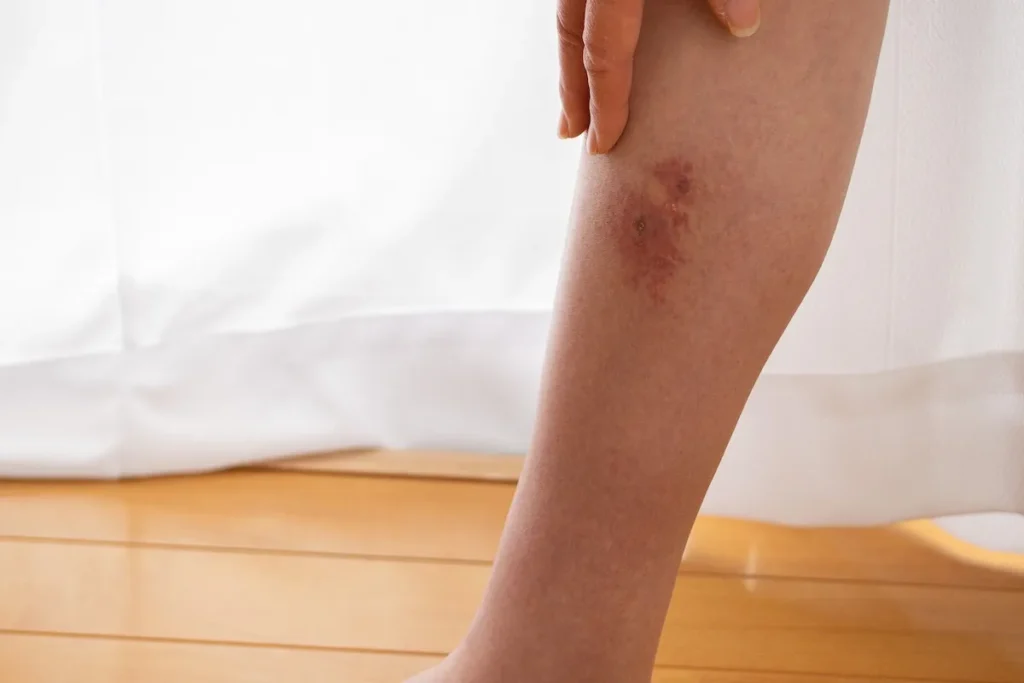
Het zien van een nieuw zwart plekje op de huid kan eng zijn. Velen vragen zich af of het gewoon een moedervlek is of iets ernstigers zoals huidkanker. Vooral vrouwen moeten hun benen goed in de gaten houden omdat zij een hoger risico lopen op melanoom.
Is dat kleine zwarte vlekje op je been schadelijk? Leer krachtige verbazingwekkende feiten en ontdek ongelooflijke manieren om je huid gezond te houden.
Het is belangrijk om het verschil te weten tussen onschuldige gezwellen en melanoom. Het goede nieuws is dat je je overlevingskansen aanzienlijk kunt verbeteren als je melanoom in een vroeg stadium ontdekt. 99% van de mensen met melanoom leeft ten minste 5 jaar na de diagnose.
Belangrijkste opmerkingen
Regelmatig zelfonderzoek is belangrijk, maar het is nog belangrijker voor vrouwen om hun benen te controleren op nieuwe of veranderende puistjes.
Als je melanoom in een vroeg stadium ontdekt, kan dat je overlevingskansen aanzienlijk vergroten.
Als je het verschil weet tussen onschuldige en gevaarlijke huidvlekken, kun je huidkanker vroegtijdig herkennen.
Liv Hospital biedt dermatologische zorg van topkwaliteit en richt zich op de patiënt voor nauwkeurige diagnoses.
Een nieuwe of veranderende moedervlek is een groot waarschuwingssignaal voor melanoom.
Kleine zwarte vlekjes op de benen begrijpen: goedaardig vs. zorgwekkend
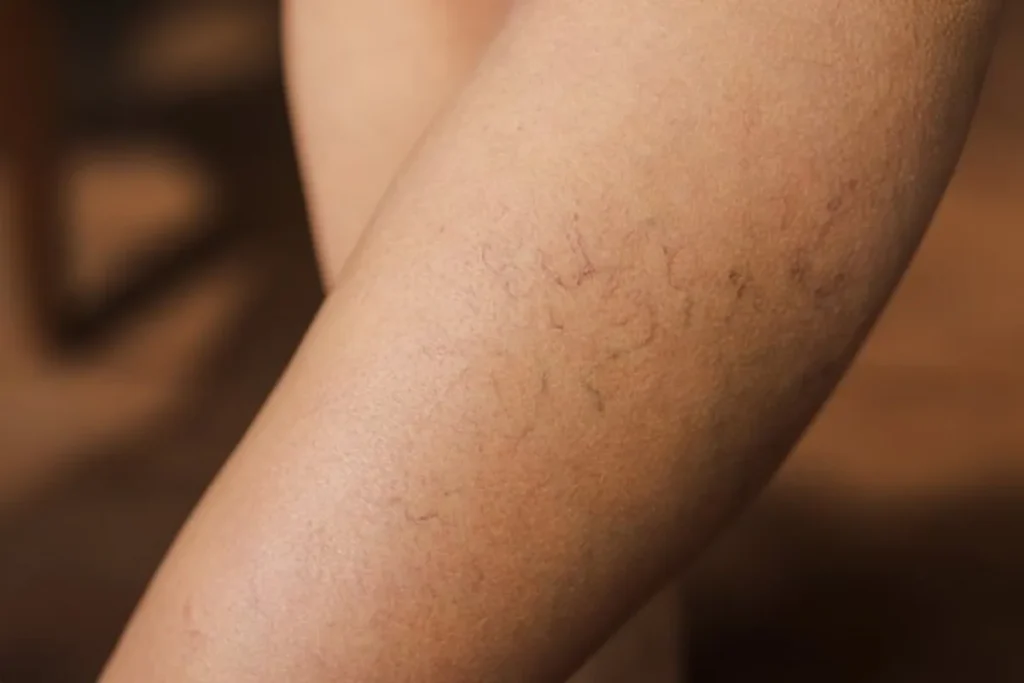
Kleine zwarte vlekjes op de poot kunnen je ongerust maken, maar het is belangrijk om het verschil te weten. Veel vlekjes zijn onschuldig. Ze begrijpen kan je geruststellen.
Vaak voorkomende onschadelijke huidgezwellen
De meeste kleine zwarte vlekjes op het been zijn onschuldig. Je kunt moedervlekken, sproeten en ouderdomsvlekken zien. Moedervlekken zijn meestal egaal van kleur en kunnen plat of verheven zijn.
Sproeten zijn klein, plat en bruin en worden veroorzaakt door de zon. Ouderdomsvlekken zijn plat en worden groter naarmate je ouder wordt. Als je dit weet, hoef je je minder zorgen te maken.
Kijk voor meer informatie over niet-kankerachtige vlekjes op Begrijpen van niet-kankerachtige vlekjes op de huid: Wat je moet weten. Het biedt diepgaand inzicht in onschadelijke gezwellen.
Wanneer moet je je zorgen maken over zwarte vlekken?
Maar sommige zwarte vlekken kunnen wijzen op een ernstig probleem, zoals melanoom. Let op nieuwe of veranderende vlekken. De ABCDE-regel helpt bij het herkennen van moedervlekken.
Let op asymmetrie, onregelmatige vormen, meerdere kleuren, afmetingen van meer dan 6 mm en veranderingen. Deze tekenen betekenen dat je naar een dermatoloog moet gaan. Door alert te blijven kun je melanoom in een vroeg stadium ontdekken.
Als een plekje er vreemd uitziet of als je je zorgen maakt, praat dan met een arts. Hij of zij kan je helpen je beter te voelen.
Hoe je een klein zwart vlekje op je been kunt beoordelen: de ABCDE-methode
Je kunt je zorgen maken als je een klein zwart plekje op je been ziet. Maar de ABCDE-methode kan helpen om dingen op te helderen. Het is een bekende manier om te controleren of een moedervlek of zwart plekje verdacht is.
Asymmetrie: Ongelijke vorm
Het eerste wat je moet doen is controleren op asymmetrie. Trek een lijn door de moedervlek. Als de twee kanten niet overeenkomen, kan het een melanoom zijn. Deze ongelijke vorm is een grote aanwijzing.
Rand: Onregelmatige of slecht gedefinieerde randen
De rand van een moedervlek zijn de randen. Goedaardige moedervlekken hebben gladde randen. Maar melanomen hebben ruwe of vage randen. Het is dus belangrijk om de randen te controleren.
Kleur: Meerdere kleuren of ongebruikelijke pigmentatie
De kleur van een moedervlek is ook belangrijk. Goedaardige moedervlekken hebben meestal één kleur, bruin. Maar, kanker moedervlekken kunnen veel kleuren hebben of er vreemd uitzien. Als de kleur verandert, is dat een waarschuwingsteken.
Diameter: Groter dan 6 mm
De diameter van een moedervlek is ook belangrijk. Melanomen zijn vaak groter dan goedaardige moedervlekken. Maar aan de grootte alleen kun je niet zien of het kanker is.
Met de ABCDE-methode kun je een klein zwart plekje op je been controleren. Het vertelt je of je naar een dokter moet gaan. Vroegtijdige opsporing is de sleutel tot huidproblemen.
Conclusie: Controleren en medische hulp zoeken
Regelmatig zelfonderzoek en professionele huidcontroles zijn essentieel om melanoom in een vroeg stadium te ontdekken. Als je uit het niets een zwart puntje op je huid ziet of als je vlekjes veranderen, ga dan naar een dermatoloog. Een klein zwart vlekje is misschien niets, maar het is belangrijk om de grootte, vorm en kleur ervan in de gaten te houden.
Als je melanoom in een vroeg stadium ontdekt, kun je je overlevingskansen aanzienlijk vergroten. In feite overleeft 99% van de mensen vijf jaar na vroegtijdige ontdekking. Door aandacht te besteden aan de gezondheid van je huid, kun je je risico verlagen en je huid goed verzorgen. Als je je zorgen maakt over zwarte puntjes of een klein zwart puntje op je huid, vraag dan meteen om medisch advies.
Je huid is de extra zorg waard. Blijf alert en zorg voor de gezondheid van je huid. Regelmatige controles kunnen problemen vroegtijdig opsporen, wat leidt tot tijdige behandelingen voor eventuele zwarte vlekken.
FAQ
Wat zijn de meest voorkomende oorzaken van kleine zwarte vlekjes op het been?
Kleine zwarte vlekjes op het been kunnen van veel dingen komen. Het kunnen onschuldige moedervlekken, sproeten of huidirritaties zijn. Maar soms kunnen ze een teken zijn van huidkanker, zoals melanoom.
Hoe kan ik onderscheid maken tussen een onschuldige moedervlek en huidkanker?
Om te weten of het een onschuldige moedervlek of huidkanker is, moet je op zoek gaan naar de ABCDE-tekens. Deze zijn: Asymmetrie, Randonregelmatigheid, Kleurvariatie, Diameter groter dan 6 mm en Veranderende grootte of vorm. Als je het niet zeker weet, ga dan naar een dermatoloog.
Hebben vrouwen meer kans op melanoom op hun benen?
Ja, vrouwen hebben meer kans om melanoom op hun benen te krijgen. Het is belangrijk om je huid regelmatig te controleren en je ook professioneel te laten onderzoeken.
Wat is de overlevingskans voor melanoom als het in een vroeg stadium wordt ontdekt?
Als melanoom vroeg wordt ontdekt, is de overlevingskans zeer hoog. Ongeveer 99% van de mensen leeft minstens 5 jaar na de diagnose.
Wat moet ik doen als ik een nieuwe of veranderende zwarte plek op mijn been zie?
Als je een nieuwe of veranderende zwarte plek op je been ziet, roep dan meteen medische hulp in. Dit is belangrijk, zelfs als het lijkt alsof er niets aan de hand is.
Kan een klein zwart puntje onder de huid een teken van huidkanker zijn?
Een klein zwart puntje onder de huid kan onschuldig zijn. Maar het is belangrijk om op veranderingen te letten. Als je je zorgen maakt, ga dan naar een dermatoloog om op huidkanker te controleren.
Hoe vaak moet ik mijn huid controleren op nieuwe of veranderende vlekjes?
Het is goed om je huid elke maand te controleren en je één keer per jaar professioneel te laten controleren. Dit helpt om melanoom in een vroeg stadium te vinden en te behandelen.
Wat betekent een kleine zwarte vlek op de huid die niet verheven is?
Een klein zwart plekje dat niet verheven is, kan een onschuldige sproet of moedervlek zijn. Maar als je het niet zeker weet of als je veranderingen ziet, kun je het beste naar een dermatoloog gaan.
Referenties
Nationaal Centrum voor Biotechnologie-informatie. Evidence-Based Medisch Inzicht. Opgehaald van https://www.ncbi.nlm.nih.gov/books/NBK482331/