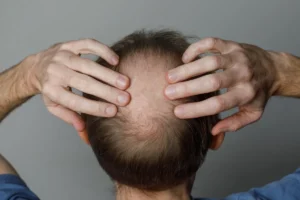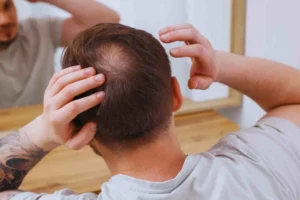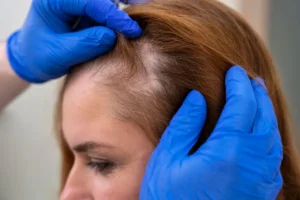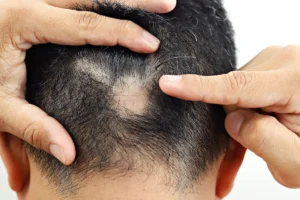
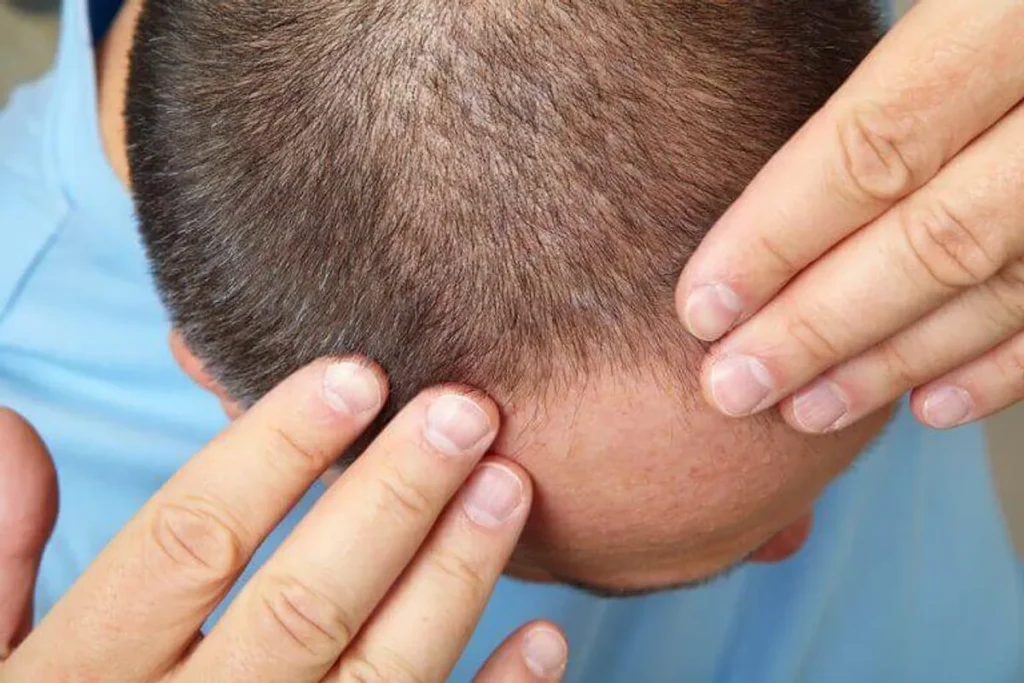
Finasteride, also known as Propecia, might help with female hair loss. But it’s not approved by the FDA for women. Doctors might prescribe it off-label, but it’s important to know the safety profile first.
Looking for hair loss treatments can be tough for women. Finasteride for women is one option that’s getting attention. But, its safety and effectiveness for women, and those who might get pregnant, are up for debate.
Belangrijkste opmerkingen
Finasteride is used off-label for female pattern hair loss.
Safety concerns exist, specially for pregnant women.
Alternative treatments like spironolactone and minoxidil are available.
Topical finasteride may offer a safer alternative for some women.
Consulting a healthcare professional is essential before starting finasteride.
Understanding Finasteride for Women
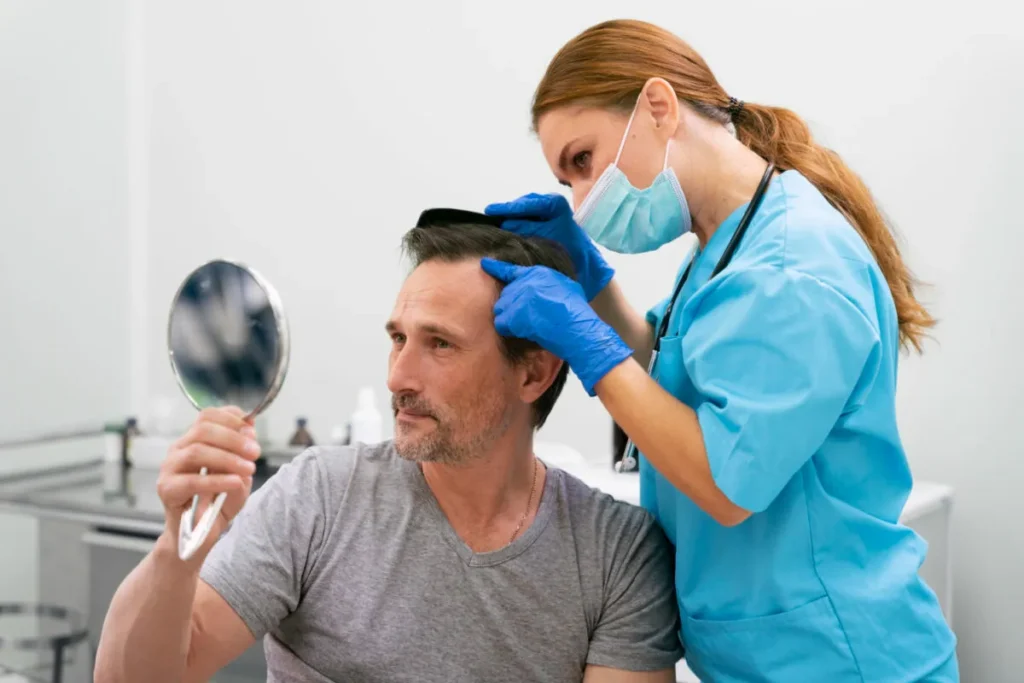
Finasteride is a drug mainly used by men. But, it’s also being looked at for women with hair loss. This is because it blocks the hormone DHT, which is linked to hair loss.
What is Finasteride and How Does it Work?
Finasteride is a 5-alpha-reductase inhibitor. It stops the body from making DHT, a strong form of testosterone. High DHT levels can shrink hair follicles, causing hair to thin and fall out. By lowering DHT, finasteride can slow hair loss and even help hair grow back.
Finasteride is known to work well for men’s hair loss. But, research is looking into its use for women, too. It might help postmenopausal women by reducing hair shedding and making hair thicker.
Off-Label Use for Female Pattern Hair Loss
Female pattern hair loss makes hair thin on the scalp. It’s often caused by hormones and genetics. Finasteride isn’t FDA-approved for women’s hair loss. But, doctors might prescribe it off-label for FPHL.
Off-label use means using a drug for a condition it’s not officially approved for. For finasteride, this means treating hair loss in women, even though it’s mainly for men’s baldness and prostate issues.
Potential Benefits: Finasteride might cut down on hair shedding and make hair thicker in postmenopausal women.
Considerations: There are worries about finasteride’s safety and effectiveness in women, mainly those who could get pregnant. It could harm a developing fetus.
Women thinking about finasteride for hair loss should talk to a doctor. They need to weigh the possible benefits against the risks. It’s important to see if it’s right for them based on their health and medical history.
Finasteride Side Effects in Women

Finasteride is now considered for women with hair loss. It’s important to know its side effects. It might help with hair loss, but it can also have bad effects.
Vaak voorkomende bijwerkingen
Women taking finasteride might feel headaches, dizziness, and less sex drive. They might also have irregular periods. These issues can be mild but can really affect daily life.
“The impact of finasteride on women’s health can be significant, and it’s important to watch for any changes,” says a healthcare expert. “Some side effects might go away, but others could last longer.”
Frequency and Duration of Side Effects
How often and for how long side effects last can vary. Some women feel them right away, while others notice them later. It’s key to know that how long these effects last can also change.
Common side effects include headaches and dizziness.
Some women experience irregular periods.
Less sex drive is another possible side effect.
Reversibility of Adverse Effects
One important thing about finasteride side effects is if they can go away. Most side effects can reverse when you stop taking the drug. But, how long it takes to feel better can differ. Some women might need to talk to their doctor about managing these effects.
“Knowing if side effects can go away is important for making choices about treatment,” says a specialist. “Women should know stopping the drug might help, but they should do it with their doctor’s advice.”
In short, finasteride can help with hair loss in women, but they need to know about possible side effects. By understanding these effects, how often they happen, and if they can go away, women can make better choices about their treatment.
Safety Considerations and Contraindications
Thinking about finasteride for hair loss in women? It’s key to look at the good and the bad, mainly for those who might have kids. Finasteride isn’t FDA-approved for women, and using it for hair loss is off-label.
Pregnancy Risks and Warnings
Finasteride is a big no-no for pregnant women. It can harm a male fetus. Women who are expecting or want to get pregnant should steer clear of it.
Pregnancy Category X: Finasteride is in Pregnancy Category X. This means the dangers are too high, and it’s not safe during pregnancy.
Who Should Avoid Finasteride Treatment
Not just pregnant women should skip finasteride. Women who are breastfeeding should also avoid it. We don’t know if it gets into breast milk.
Conclusie
Finasteride is often used to treat male pattern baldness. It’s also looked at for women’s hair loss. But, it’s important to think about the side effects and safety first.
Women thinking about finasteride for hair loss should know about possible side effects. These can include changes in menstrual cycle or libido. It’s key to talk to a healthcare professional about the risks and benefits.
Finasteride might be a good choice for women who haven’t found other treatments to work. Knowing the benefits and risks helps women make smart choices. With the right advice, women can feel confident and beautiful, shining with a radiant glow.
FAQ
What is finasteride and how is it used in women?
Finasteride is a drug mainly for men with balding and enlarged prostate. Women might get it for hair loss, mostly after menopause.
Is finasteride effective for female hair loss?
Studies show finasteride might help women with hair loss, more so in postmenopausal women. But, results can differ, and more research is needed.
Wat zijn de meest voorkomende bijwerkingen van finasteride bij vrouwen?
Women might experience less sex drive, tender breasts, and mood swings. But, how often and how bad these side effects are can vary.
Are finasteride side effects reversible?
Often, side effects from finasteride go away when you stop taking it. Yet, some women might keep feeling them. How likely it is to get better depends on how long you took it and other personal factors.
Can finasteride be used during pregnancy?
No, finasteride is not safe during pregnancy because it can harm the fetus. Women who might get pregnant should use birth control while on finasteride.
Who should avoid finasteride treatment?
Pregnant, breastfeeding, or planning to get pregnant women should not take finasteride. Also, those allergic to finasteride or its ingredients should not use it.
How is finasteride typically dosed for women?
Women usually get a lower dose of finasteride than men, often 1mg or 2.5mg a day. But, the right dose for you depends on your health and should be decided by a doctor.
Can finasteride interact with other medications?
Yes, finasteride can react with some drugs, like antidepressants and blood thinners. Always tell your doctor about all the medicines and supplements you’re taking to avoid bad reactions.
Referenties
National Center for Biotechnology Information. Adverse Effects with Finasteride 5 mg/day for Patterned Hair Loss in Premenopausal Women. Retrieved from https://pmc.ncbi.nlm.nih.gov/articles/PMC5803857/