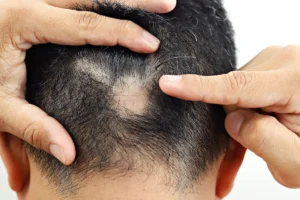

Hair Transplant After Effects can be managed! Get our best tips and vital info on side effects to ensure a safe and successful restoration.
Before you get a hair restoration procedure, it’s key to know the possible side effects. While hair transplant issues are rare, happening to only 1 in 1,000 people, knowing them helps you decide with confidence. It also prepares you for a smooth recovery.
GoldCity Center is all about trustworthy, patient-focused care. They meet international standards, making your hair replacement journey safe and successful.
It’s vital to understand the risks and complications of hair transplant surgery. Knowing what to expect helps you prepare for the journey ahead.
Belangrijkste opmerkingen
Understand the possible side effects of hair transplant surgery.
Recognize that complications are rare, affecting 1 in 1,000 patients.
Be aware of the importance of choosing a reputable and experienced medical facility.
GoldCity Center provides patient-centered care with international standards.
Being informed helps individuals make confident decisions about their hair restoration journey.
Understanding Hair Transplant Safety and Success
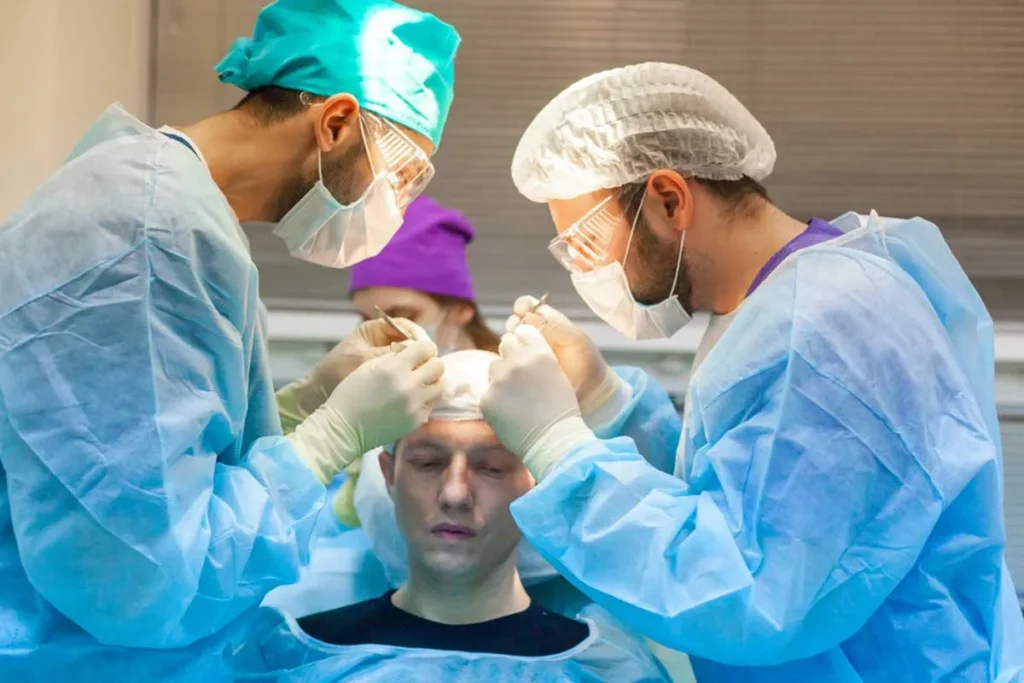
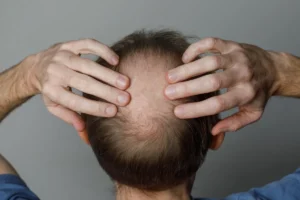
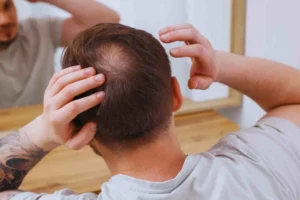
Before getting a hair transplant, it’s key to know about its safety and success chances. This surgery moves hair follicles from one area to another to fix balding or thinning. It’s safe when done by skilled professionals.
Hair Transplant Procedure Overview
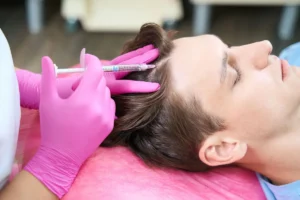
Hair transplantation moves hair follicles from the back and sides of the head to bald spots. It’s done under local anesthesia to keep you comfortable. The transplant’s success depends on the surgeon’s skill and the donor hair quality.
Experts say, “The art of hair transplantation is in carefully moving and placing grafts. It needs a lot of skill and experience.” This highlights the importance of picking a qualified surgeon.
Success and Complication Statistics
Studies show 80 to 90 percent of transplanted hair grows well and stays permanent. While most people see good results, knowing about possible side effects is important. Common issues include swelling, itching, and crusting at the transplant sites. Knowing these can help manage your expectations and prepare for recovery.
Success rates for hair transplants are high, with many getting natural-looking results. But, like any surgery, there are risks. Talking about these risks with a doctor can make your experience better and more successful.
Common Hair Transplant After Effects
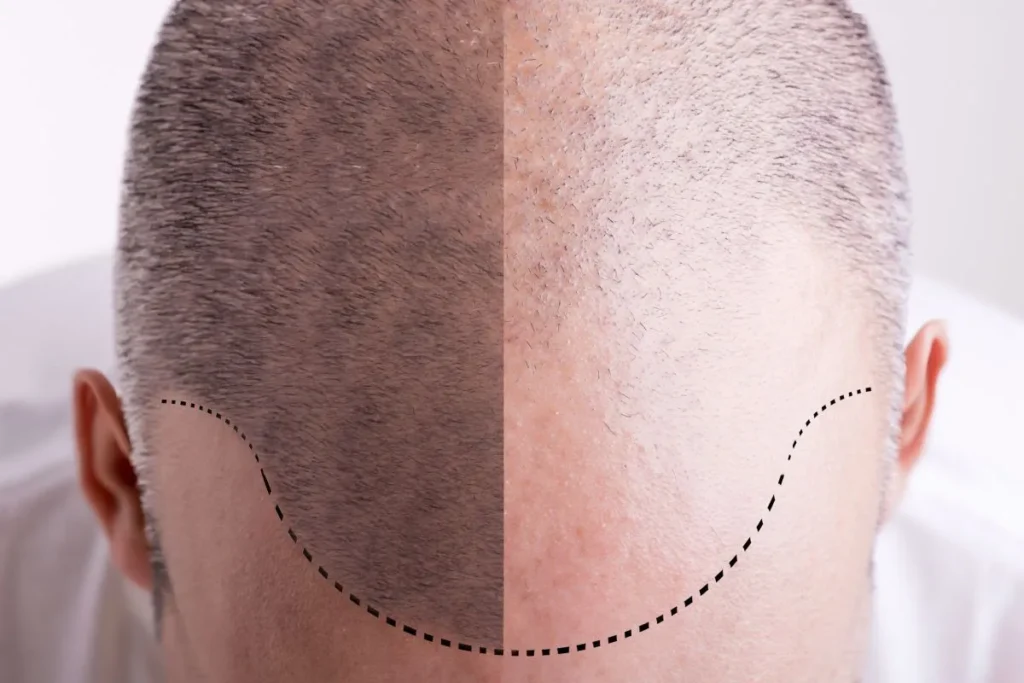
Hair transplant after effects can be unsettling. But knowing what to expect can make a big difference in recovery. Patients may face several common after effects that are temporary.
1. Temporary Post-Operative Swelling
Temporary post-operative swelling is a common side effect. It usually goes away in 3 to 4 days. Knowing this is normal can ease worries.
2. Itching at Donor and Recipient Sites
Itching at both donor and recipient sites is common, lasting a couple of weeks. Patients should avoid scratching to protect the transplanted hair follicles.
3. Postoperative Crusting
Crusting around the transplanted hair follicles is typical and clears up in 7 to 10 days. Good post-operative care can reduce crusting and aid in a smoother recovery.
4. Shock Loss
Some patients may experience shock loss, where hair sheds from treated areas due to the procedure. This usually resolves as hair regrows around the fourth month. Knowing shock loss is temporary can help manage expectations.
A renowned hair restoration expert once said,
Serious Possible Complications
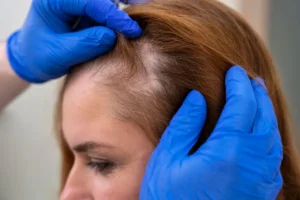
It’s important to know the risks of hair transplant surgery. While it’s usually safe, there are complications that can affect the results and recovery.
Permanent Scarring
Permanent scarring is a serious risk. Modern methods like Follicular Unit Extraction (FUE) reduce this risk. But, some methods can cause noticeable scars. For example, strip harvesting can leave a linear scar.
To understand the scarring risks, let’s look at a table comparing different techniques:
Infection Risk
Infection risk after hair transplant is rare, affecting less than 1 percent. Proper care can lower this risk. For more on safety and risks, visit
Folliculitis
Folliculitis after hair transplant is inflammation of hair follicles. It can last months and is treatable. Knowing the signs is key for early treatment.
Knowing these risks helps patients take precautions and seek help if needed. Talking to a healthcare expert is vital for the best results.
Conclusie
It’s important to know the possible side effects of hair transplant surgery for a good result. Knowing the common and serious issues helps patients get ready for the surgery and healing time.
Choosing a skilled and experienced surgeon is key to avoiding hair transplant complications. It’s also critical to follow their advice on care after the surgery. This helps manage side effects and makes recovery smoother.
Hair transplant surgery can be safe and effective for hair growth, leading to lasting results. By educating patients on what to expect, they can improve their experience and satisfaction. This reduces the risks of hair transplant problems.
FAQ
What are the common side effects of hair transplant surgery?
Common side effects include swelling, itching, and crusting. These effects are usually mild and temporary.
How long does swelling last after a hair transplant?
Swelling usually goes away within a few days after the procedure.
What is shock loss, and is it permanent?
Shock loss is a temporary condition where hair sheds due to the procedure. It is not permanent, and the hair usually grows back.
Can hair transplant surgery result in permanent scarring?
While rare, permanent scarring can occur, mainly with certain techniques. Modern methods like FUE minimize this risk.
What is the risk of infection after a hair transplant?
Infection is a rare complication, happening in less than 1 percent of cases. Proper aftercare and choosing an experienced surgeon can minimize this risk.
What is folliculitis, and how is it related to hair transplant surgery?
Folliculitis is an inflammation of the hair follicles that can occur after a hair transplant. It may persist for several months and requires proper medical attention.
How can I minimize the risks associated with hair transplant surgery?
Choosing a qualified and experienced surgeon and following their aftercare guidance can significantly minimize risks.
Are there any long-term side effects of hair transplant surgery?
While most side effects are temporary, some patients may experience long-term complications like permanent scarring or persistent folliculitis.
Can I expect the transplanted hair to grow and remain permanent?
Statistics show a high success rate for hair transplantation. A significant percentage of transplanted hair grows and remains permanent.
Referenties
Nationaal Centrum voor Biotechnologie-informatie. Evidence-Based Medisch Inzicht. Opgehaald van https://pmc.ncbi.nlm.nih.gov/articles/PMC8719980/