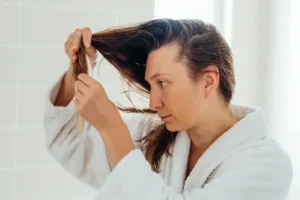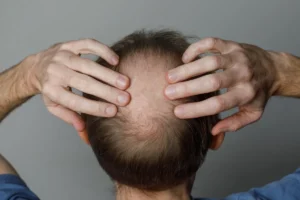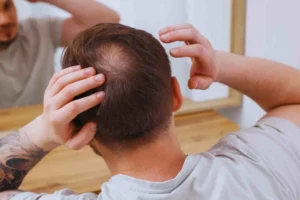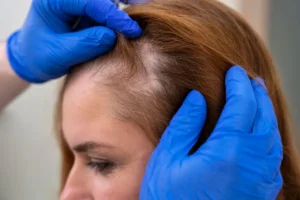
Hormonal alopecia can be difficult, but these proven treatments offer a powerful way for women to regrow thick, healthy hair.
Experiencing hair thinning and a wider center hair part can be upsetting for women. You’re not alone; over 50% of women notice hair loss at some point. Female pattern hair loss affects about 30 million women in the U.S., becoming more common after menopause due to hormonal changes.
This issue can make you feel isolated, but knowing its causes and treatments can help. We’ll look into women’s hair loss and how to treat it. This will help you feel more confident about your looks.
Belangrijkste opmerkingen
Understanding the prevalence and causes of female pattern hair loss
Identifying the symptoms and signs of hormonal hair loss
Exploring effective treatments for women’s hair loss
Discovering hair restoration methods for a fuller head of hair
Empowering confidence through knowledge and treatment of hair loss
Understanding Hormonal Alopecia in Women
It’s important to understand hormonal hair loss to treat it well. Hormonal alopecia in women comes from hormones, genes, and the environment.
What is Female Pattern Hair Loss?
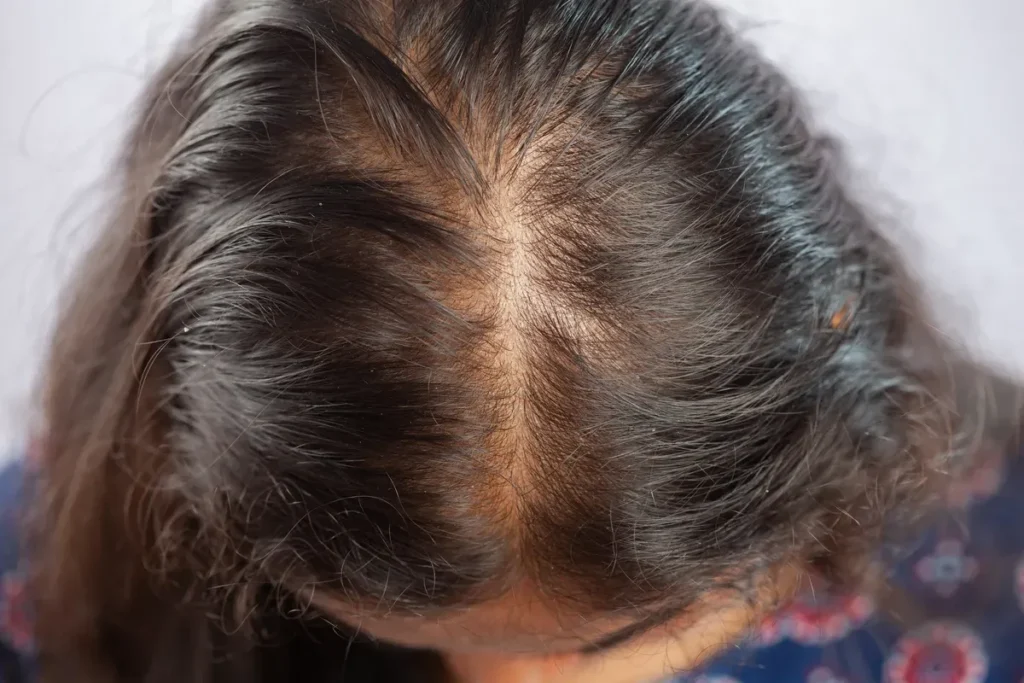
Female pattern hair loss (FPHL) is when hair thins out all over the scalp. It happens more in the middle, but the hairline stays the same. It’s also called androgenetic alopecia.
FPHL is common and affects many women, making them feel less confident. About 90% of women with androgenetic alopecia have normal hormone levels. This shows it’s not just about hormones.
Prevalence and Statistics
Hormonal alopecia is a big problem for women all over the world. Up to 40% of women have hair loss by age 50. It gets worse with age, hitting older women hard.
It can start in the teens, and gets worse after menopause. Knowing this helps catch it early and treat it.
How Hormonal Hair Loss Differs from Other Types
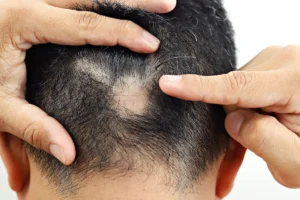
Hormonal hair loss is different from other hair loss. It’s not like alopecia areata, which has patches. Hormonal hair loss is linked to changes in hormones, like during menopause or pregnancy.
Knowing the difference helps doctors find the right treatment. They can target hormonal alopecia with specific therapies.
Identifying Symptoms and Causes of Hormonal Alopecia
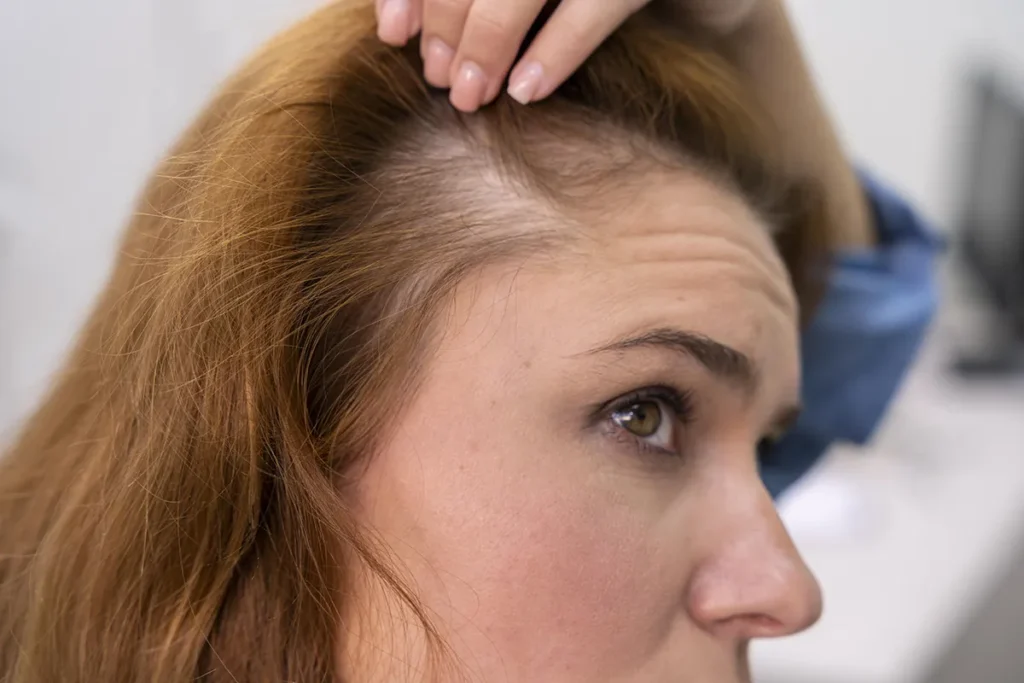
Understanding hormonal hair loss starts with spotting its symptoms and knowing its causes. Hormonal alopecia in women shows up in different ways. It’s important to catch these signs early.
Common Signs and Progression Patterns
Hormonal hair loss often begins with thinning hair, mainly on the top and crown. Over time, this thinning can lead to less hair overall. Early detection is key to fighting hormonal alopecia.
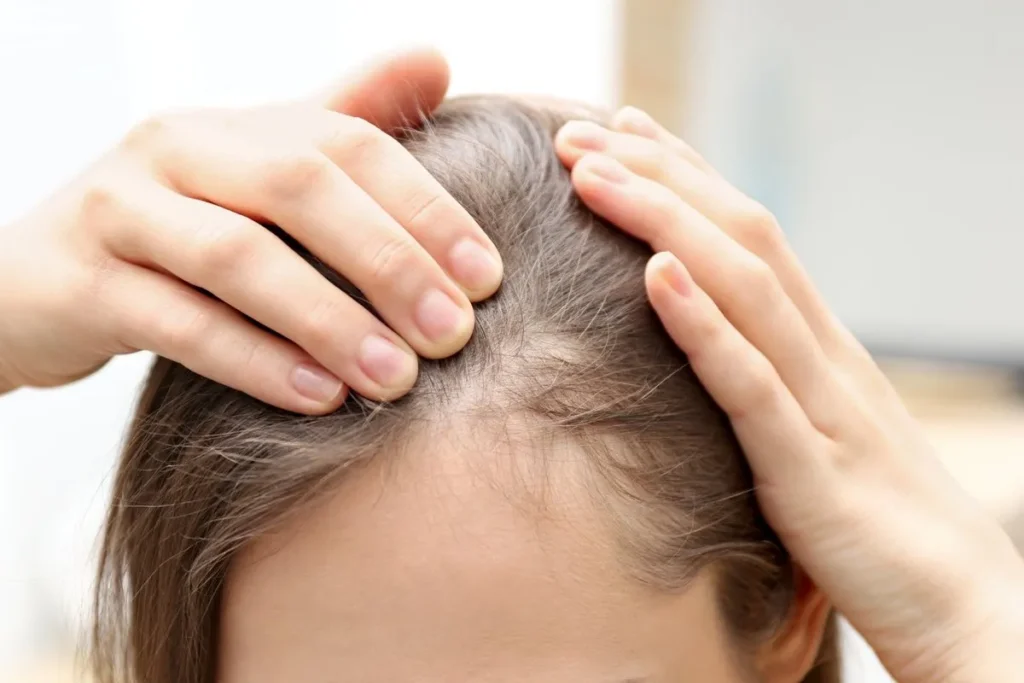
The way hormonal alopecia progresses can differ from person to person. At first, women might see their part line widening or hair thinning. As it gets worse, the hair loss becomes more obvious, changing how hair looks.
Hormonal Factors and Genetic Predisposition
Hormonal changes are a big part of hormonal alopecia. Changes in estrogen and testosterone, like during menopause or pregnancy, can cause hair loss. Also, genetic predisposition can make some women more likely to lose hair.
Age-Related and Menopausal Influences
Age is a big factor in hormonal alopecia, with most women losing hair after menopause. The drop in estrogen during menopause leads to more DHT. DHT shrinks hair follicles and causes hair loss.
Knowing these factors helps women fight their hair loss. By spotting symptoms and understanding causes, women can find treatments and make lifestyle changes. This can help lessen the effects of hormonal alopecia.
Effective Treatments for Hormonal Alopecia
Hormonal alopecia treatment has improved a lot. Now, women have many options to choose from. These options are based on the latest in medical science and natural therapies.
FDA-Approved Medications
Minoxidil and finasteride are top choices for treating hormonal alopecia. Minoxidil is applied to the scalp to boost hair growth and slow down loss. Finasteride is taken by mouth to block DHT, a hormone that causes hair loss.
Clinical trials show minoxidil can make hair thicker and denser. Always talk to a doctor before starting any treatment. They can help you understand any side effects and find the right plan for you.
Natural and Supplemental Approaches
There are also natural and supplemental ways to help hair grow. Biotin and vitamin B supplements are good for hair health. Saw palmetto might help block DHT like finasteride does.
Eating a balanced diet with omega-3 fatty acids, zinc, and iron is also key. These nutrients support hair growth and overall health.
Advanced Hair Restoration Procedures
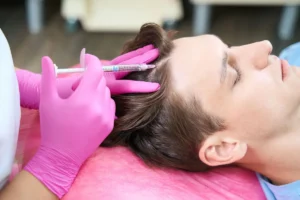
Platelet-rich plasma (PRP) therapy and hair transplants are advanced options. PRP therapy uses PRP injections to stimulate hair growth. Hair transplants move healthy follicles to bald spots.
PRP therapy is popular for its hair growth benefits. Hair transplants offer a lasting fix for bald spots.
Exploring these treatments can help women find the right solution for hormonal alopecia. This can help them feel more confident and achieve their hair goals.
Conclusion: Living with and Managing Hormonal Alopecia
Living with hormonal alopecia can be tough, but it’s not impossible. Understanding the causes and symptoms is the first step. This helps you take control of your hair health.
Getting professional advice early is very important. FDA-approved meds, natural supplements, and hair restoration can help. Also, following hair care tips daily can boost hair growth.
It’s not just about treating hair loss. It’s also about feeling confident. A positive outlook and focusing on well-being can help. With the right mindset, managing hormonal alopecia can be a journey of self-love and empowerment.
FAQ
What is hormonal alopecia, and how does it affect women?
Hormonal alopecia, also known as female pattern hair loss (FPHL), is a condition where hair thins and falls out due to hormonal imbalances. It’s caused by androgens. It affects millions of women worldwide, causing distress and impacting self-confidence.
What are the common signs and symptoms of hormonal alopecia?
Signs include gradual hair thinning, mainly on the top and crown of the scalp. You might also see a widening of the part line and less hair density. Some women experience excessive hair shedding.
How does hormonal hair loss differ from other types of hair loss?
Hormonal hair loss is different from other types like alopecia areata or telogen effluvium. It’s mainly caused by hormonal changes, like the conversion of testosterone to dihydrotestosterone (DHT).
What are the most effective treatments for hormonal alopecia in women?
Effective treatments include FDA-approved medications like minoxidil (Rogaine) and spironolactone. Natural and supplemental approaches like biotin, vitamin B, and saw palmetto also work. Advanced hair restoration procedures like low-level laser therapy (LLLT) and platelet-rich plasma (PRP) therapy are also effective.
Can hormonal alopecia be treated with natural remedies?
Yes, natural remedies like biotin, vitamin B, and saw palmetto can help promote hair growth and reduce shedding. But, it’s important to talk to a healthcare professional before starting any new supplements.
How does menopause affect hormonal alopecia?
Menopause can make hormonal alopecia worse. This is because estrogen levels drop, leading to more androgen hormones. These hormones can cause hair loss.
Is hormonal alopecia reversible?
While hormonal alopecia is not completely reversible, treatments can slow down or stop hair loss. They can even stimulate new hair growth.
Can I prevent hormonal alopecia?
There’s no surefire way to prevent hormonal alopecia. But, a healthy lifestyle, managing stress, and using gentle hair care products can help reduce the risk.
What is the best hair loss treatment for women?
The best treatment varies based on individual factors like hair loss extent, hormonal imbalances, and health. Talking to a healthcare professional or dermatologist can help find the most effective treatment plan.
Does minoxidil work for women with hormonal alopecia?
Yes, minoxidil (Rogaine) is an FDA-approved medication. It can help stimulate hair growth and slow down hair loss in women with hormonal alopecia.
Referenties
Nationaal Centrum voor Biotechnologie-informatie. Evidence-Based Medisch Inzicht. Opgehaald van https://pmc.ncbi.nlm.nih.gov/articles/PMC6322157/[1