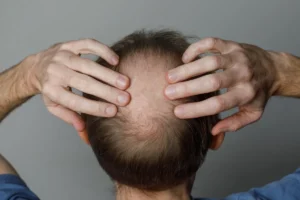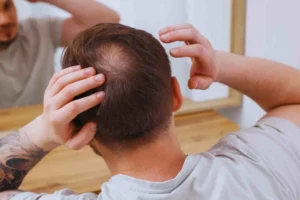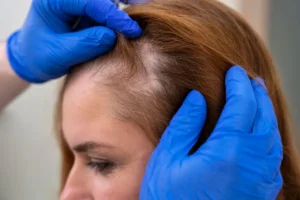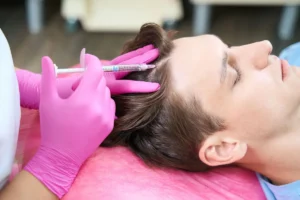
Starting a hair transplant journey is a big step. Knowing the recovery timeline is key for the best results. The 12-month healing process has different stages, from swelling and scabbing to hair growth.
At Beverly Hills Hair Restoration Clinic in Palm Desert, patients get personal care and expert help at every step.
By following aftercare steps and being patient, you can get a full, natural hair look. This boosts your confidence and quality of life. This guide covers all recovery phases, tackling common issues and sharing expert tips for a smooth healing.
Belangrijkste opmerkingen
Understanding the 12-month hair transplant recovery timeline is essential for successful results.
Proper aftercare is key for optimal healing and hair growth.
Patients can expect various phases of recovery, from initial swelling to gradual hair growth.
Personalized attention and expert support are vital for a smooth recovery process.
A full, natural head of hair can be achieved with patience and proper care.
Understanding the Hair Transplant Recovery Process
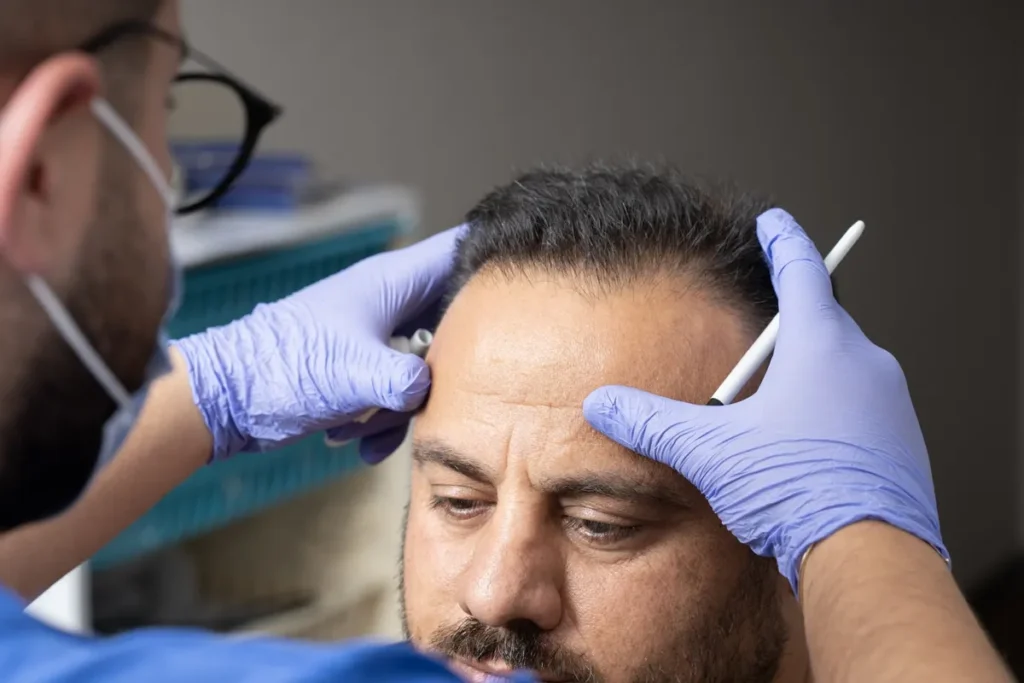
Knowing what to expect during hair transplant recovery can make you feel less anxious. It’s just as important as the procedure itself.
What to Expect After Your Procedure
Right after your transplant, you might see swelling, feel some pain, and notice scabs around the grafts. Keeping your head elevated and avoiding hard work are key for the first days. This helps with swelling and healing.
Proper aftercare is key for graft survival and transplant success. At Springs Hair Restoration, Medical Expert. This ensures the best results.
Factors That Affect Healing Time
Many things can change how long it takes to heal after a hair transplant. These include your health, following aftercare, and the transplant method.
By knowing these factors and following aftercare, patients can help their body heal. This leads to the best results from their hair transplant.
How Long For Hair Transplant to Heal: Week-by-Week Timeline
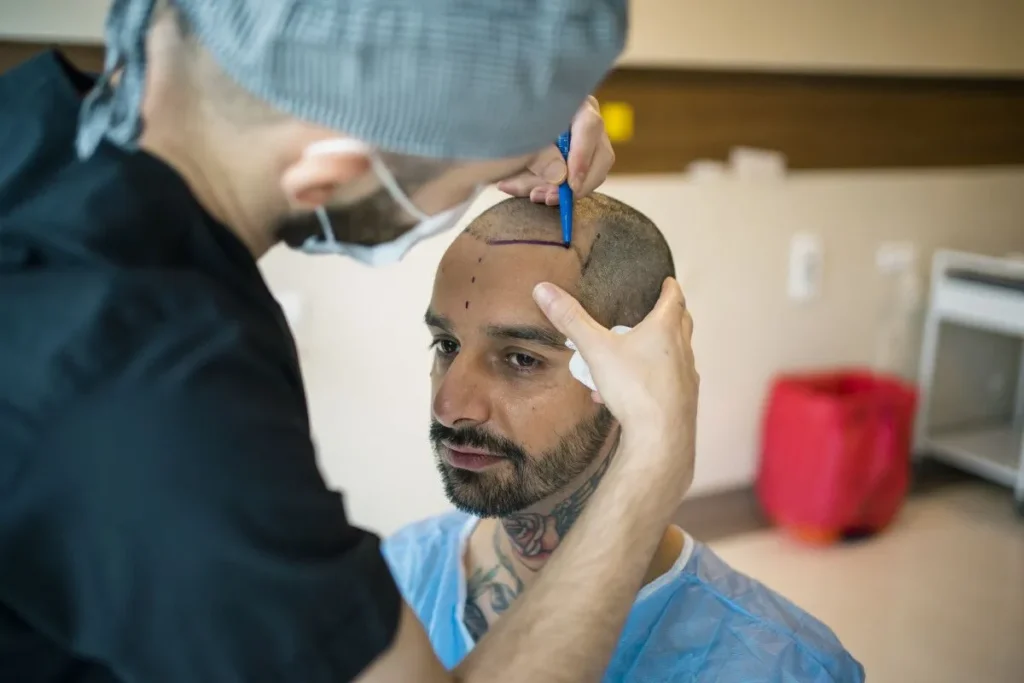
The journey to a fuller head of hair after a hair transplant is a gradual process. It requires patience and proper care. Knowing what to expect each week can help you make informed decisions and achieve optimal results.
Days 1-7: Managing Swelling and Initial Care
In the first week after your hair transplant, managing swelling and initial care are key. Gentle washing techniques and avoiding direct sun exposure are essential. A leading hair restoration expert says, “Proper aftercare is vital to ensure the grafts survive and thrive.”
Weeks 2-4: Navigating Scab Shedding and Shock Loss
By the second week, the wounded area heals significantly with scabs starting to fall off. It’s important to be patient and gentle when washing your hair. This helps avoid dislodging the grafts.
As the scabs shed, you may experience shock loss, which is a temporary condition. Shock loss is a normal part of the recovery process. Your hair will regrow.
Essential Aftercare During the First Month
In the first month, continue gentle washing techniques, avoid strenuous activities, and protect your scalp from direct sun exposure. A well-structured aftercare routine will help promote healthy healing and achieve optimal results.
By following these guidelines and staying committed to your aftercare routine, you can promote healthy healing and achieve optimal results. Your journey to a fuller head of hair is just beginning. With the right care, you’ll be on your way to a more confident you.
Long-Term Hair Growth Progression
As you go through recovery, watching your hair grow after a transplant is amazing. It’s not just about how your hair looks. It’s about feeling confident and finding a new you.
Months 3-4: Early Growth Signs and Patience
In months 3-4, you’ll start to see your hair grow. This time is all about patience. The full results of the transplant take time to show.
Key developments during this period include:
The beginning of hair growth, which may be fine or soft initially.
The shedding of any remaining scabs or crusts from the recipient sites.
A gradual increase in the density of the transplanted hair.
Months 5-8: Visible Improvement and Density Increase
Months 5-8 bring clear signs of hair growth. The hair gets thicker, and the treated area looks fuller. This is when you really see the transplant’s success.
The hair growth during this phase is not just about quantity but also quality. The transplanted hair looks more natural, blending with your existing hair.
Months 9-12: Final Results and Complete Healing
By months 9-12, the transplant’s final results are clear. Your hair is fully grown, and the treated area looks healthy. This is when you see the biggest change in hair density and look.
By the 10-month mark, the vast majority of hair transplant patients achieve full, natural, healthy hair growth. It shows how well the procedure works and how your body heals.
Keeping a healthy lifestyle, using gentle hair care, and protecting your scalp from the sun helps your hair grow. Your hair transplant journey changes you, making you more beautiful and confident over time.
Conclusion: Embracing Your Hair Transplant Journey
Knowing how long it takes to recover is key to setting the right expectations after a hair transplant. By following the advice in this article, you can handle the healing process with ease.
Being patient and committed to aftercare is essential for your hair transplant journey. At Exclusive Med Aesthetics & Hair Restoration, we give our patients the knowledge and support they need. This helps them get successful, lasting results.
The time it takes to recover from a fue hair transplant can differ. But with the right care, you can have a fuller, more natural-looking hair. As you go through your recovery, you’ll start to see the amazing changes from your hair transplant.
By embracing your beauty and inner glow, you’ll feel confident and radiant. Your journey to a new look begins here, and we’re proud to be a part of it.
FAQ
How long does it take to heal from a hair transplant?
Healing from a hair transplant usually takes about 12 months. In the first few weeks, you might see swelling, some discomfort, and scabs. These symptoms usually go away quickly.
What factors affect the healing time of a hair transplant?
Your health, how well you follow aftercare, and the transplant method can influence healing time. Staying healthy and following aftercare closely can help your body heal faster and better.
Hoe lang duurt het voordat het haar groeit na een transplantatie?
By months 3-4, you might see early signs of hair growth. But, you’ll need to be patient. By months 5-8, you’ll notice more hair and density. And by months 9-12, you’ll see the full results and complete healing.
What is the recovery time for a hair transplant?
Recovery times vary, but most can get back to normal in a few days to a week. It’s key to follow your doctor’s aftercare advice to ensure the best healing and graft survival.
How long is the recovery from a hair transplant?
Recovery from a hair transplant is a slow process that needs patience and care. In the first week, managing swelling and initial care is important. Then, from weeks 2-4, dealing with scab shedding and shock loss is critical.
Wat is de genezingstijd voor een haartransplantatie?
Healing from a hair transplant takes about 12 months. This time, the transplanted hair goes through growth and healing phases. By following aftercare and being patient, you can get a full, natural-looking hair that boosts your confidence and quality of life.
How long does it take to recover from a FUE hair transplant?
Recovery from a FUE hair transplant is similar to other methods, taking about 12 months for full healing and growth. Aftercare and healing processes can differ based on individual and technique used.
Referenties
National Center for Biotechnology Information. Evidence-Based Medical Insight. Retrieved from https://pmc.ncbi.nlm.nih.gov/articles/PMC6795649/[3