Many people experience hair shedding after big life changes or stress. This is called telogen effluvium or stress-related hair loss. It’s not permanent and can be fixed.
Medical Expert. GoldCity Center combines global medical knowledge with care focused on you. They help you understand and fix stress-related hair loss by tackling both body and mind.
Belangrijkste opmerkingen
Stress-related hair loss is a common and reversible condition.
Telogen effluvium is triggered by significant stress or life events.
Understanding the causes and treatment options is key for recovery.
GoldCity Center offers expert care and personalized treatment plans.
Effective recovery involves addressing both physical and emotional aspects.
Understanding Stress-Related Hair Loss
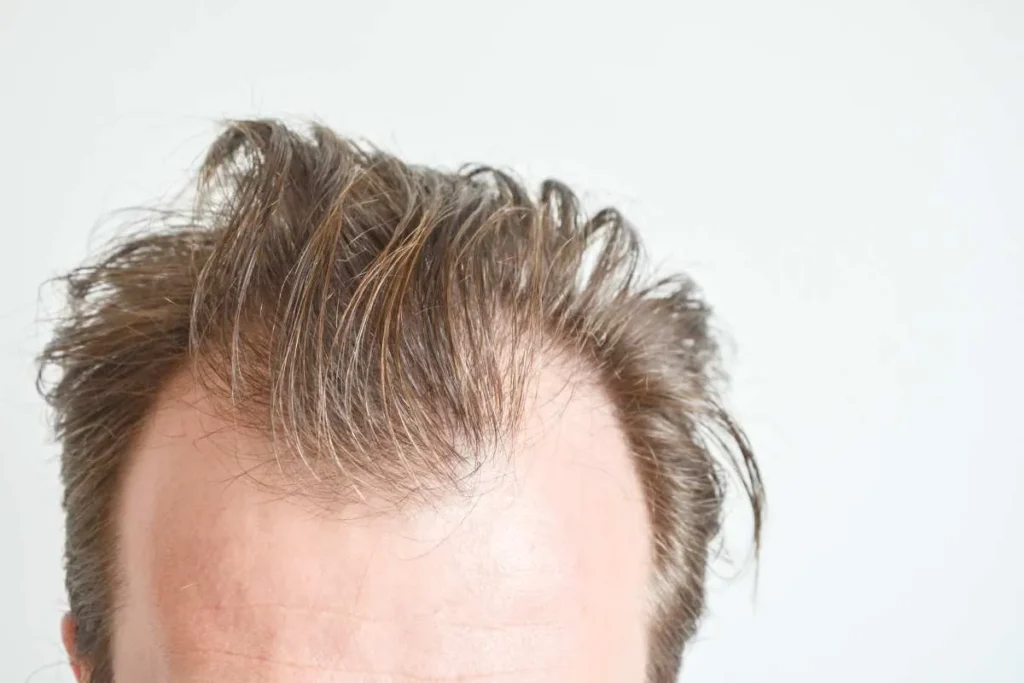
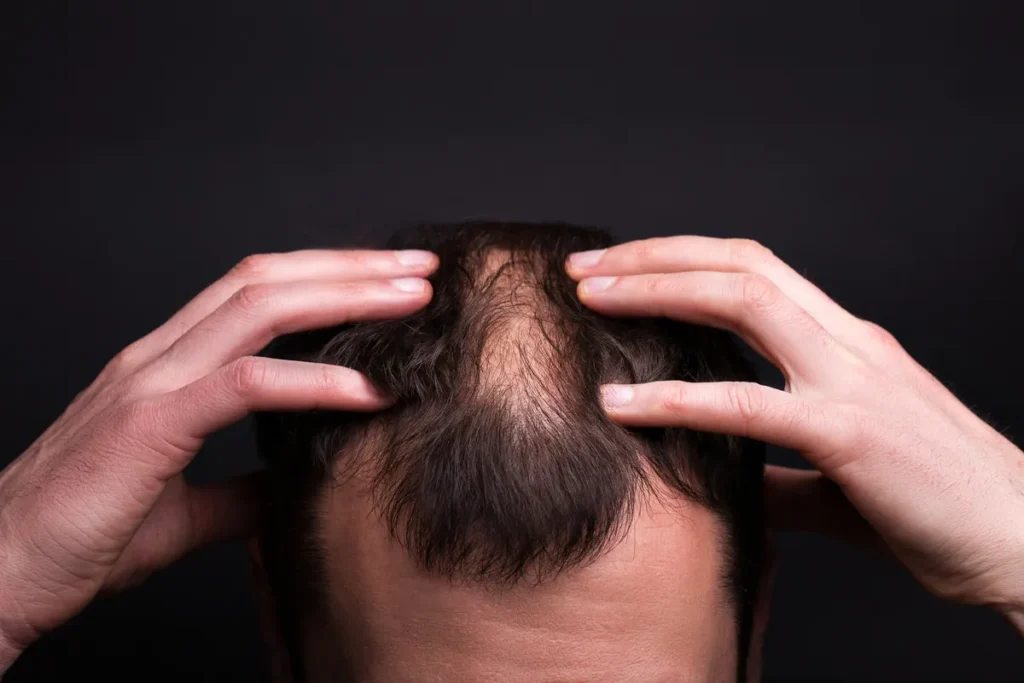
Stress can cause a condition called telogen effluvium, leading to a lot of hair shedding. This happens when many hair follicles on the scalp stop growing at the same time. This results in a lot of hair loss.
What is Telogen Effluvium?
Telogen effluvium is a scalp disorder that makes hair thin or fall out, often after stressful events. Studies show that 70% of hair stops growing and goes into a resting phase when stressed. This can cause hair loss a few months later.
Acute vs. Chronic Hair Shedding
Hair loss from stress can be either acute or chronic. Acute hair shedding happens for a short time, often after a big stress like surgery or illness. On the other hand, chronic hair shedding lasts longer and might be due to ongoing stress or health problems.
The Science Behind Stress and Hair Follicles
Stress and hair loss are linked through complex biology. Hormones like cortisol play a big role. They can disrupt hair growth, causing more hairs to stop growing and fall out.
Timeline: From Stress Event to Visible Hair Loss
The time it takes for hair loss to show after stress varies. Usually, it’s 3 to 6 months before you notice it. Knowing this helps figure out why you’re losing hair and how to stop it.
How to Combat Hair Loss from Stress
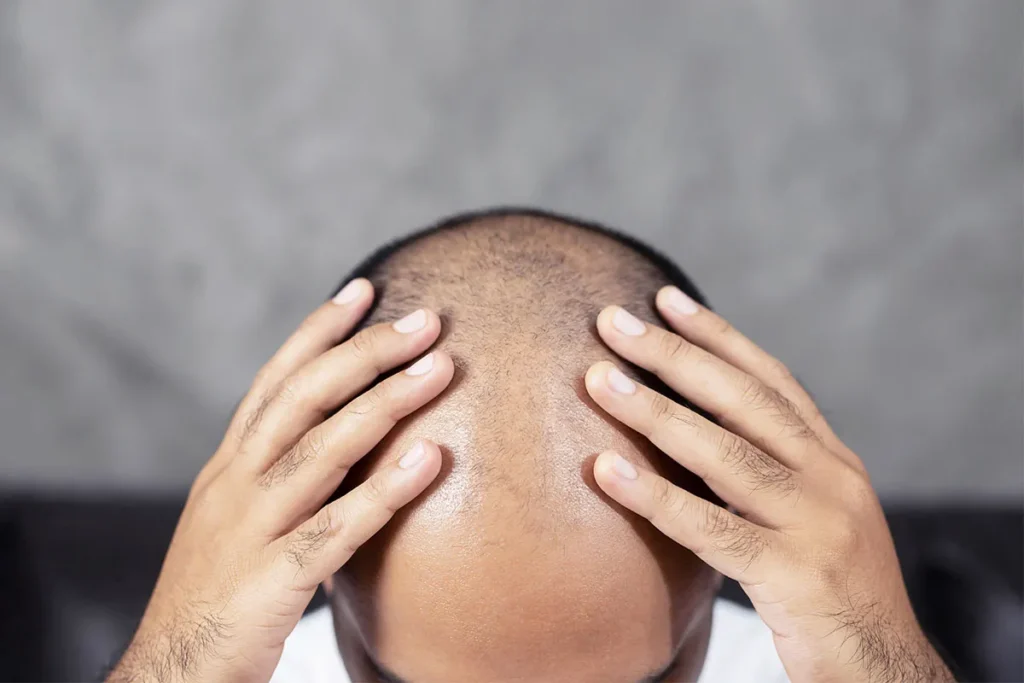
To fight hair loss from stress, you need to know what causes it and manage stress well. This not only stops hair loss but also makes you feel better overall.
Identifying Your Stress Triggers
Finding out what stresses you is the first step. Common stressors include job worries, money issues, and personal problems. Writing down when you feel stressed can help spot patterns.
Watch your stress levels all day
Write down what stresses you
Find common themes in your stress
Effective Stress Management Techniques
After finding your stress causes, use good stress management methods. Meditation, deep breathing, and yoga can lower stress and help hair grow.
Begin with short meditation and grow the time
Do deep breathing exercises every day
Add yoga to your routine, focusing on relaxing poses
Scalp Care Practices That Reduce Shedding
Good scalp care is also key to less hair shedding. Use gentle hair products, avoid too much heat styling, and scalp massages to boost blood flow.
Choose a gentle shampoo and conditioner for your hair
Use a heat protectant when styling with heat
Massage your scalp often to improve blood flow
By using stress management and scalp care together, you can lessen hair loss from stress and help your hair grow back.
Nutrition and Lifestyle Changes for Hair Recovery
A balanced diet and healthy habits are key for hair recovery from stress. Focusing on essential nutrients and making smart lifestyle choices helps. This supports hair growth and health.
Essential Nutrients for Hair Health
Eating foods rich in vitamins and minerals is vital for hair. Protein is key because hair is made of it. Lack of protein can cause hair loss. Foods like salmon, eggs, and Greek yogurt are great.
Biotin in nuts and leafy greens and vitamin C in citrus fruits and berries are also important. They help hair grow.
Iron, zinc, and omega-3 fatty acids are also essential. Getting enough of these through food or supplements can help hair recover.
Sleep Optimization for Hair Growth
Sleep is vital for hair growth. It helps the body repair and grow hair follicles. Aiming for 7-8 hours of quality sleep each night is important.
Having a regular sleep schedule and a calm sleep space can improve sleep quality. This supports hair health.
Harmful Habits to Avoid During Recovery
Some habits can harm hair recovery. Excessive heat styling, harsh chemicals, and tight hairstyles damage hair. Avoiding these can help prevent more loss.
Also, reducing stress through meditation, yoga, or relaxation is good. It helps hair health.
Hair-Friendly Hair Care Routines
Using a gentle hair care routine is important for recovery. Choose sulfate-free shampoos and conditioners for your hair type. Regular trims and gentle combing with a wide-tooth comb also help.
By making these nutritional and lifestyle changes, you can help your hair recover and grow. It’s about making choices that support overall health and hair well-being.
Conclusie
Stress-related hair loss can be upsetting, but it’s not permanent. With the right steps, you can recover and grow your hair back. Understanding stress hair loss causes and managing stress are key to starting your recovery.
Managing stress and taking good care of your hair can lead to regrowth. Most people see improvements in a few months. Adding key nutrients, getting enough sleep, and avoiding bad habits can help your hair treatment.
This article offers ways to stop stress hair loss and get a full head of hair. With patience and the right strategies, you can beat stress hair loss and look great.
FAQ
What is stress-related hair loss, and how common is it?
Stress-related hair loss, or telogen effluvium, happens when stress makes hair follicles stop growing. This leads to a lot of hair falling out. It’s quite common and can affect many people at some point.
Hoe stop je stressgerelateerde haaruitval?
To stop stress-related hair loss, managing stress is key. Try meditation, yoga, or deep breathing. Also, eat well, sleep enough, and take care of your scalp to help your hair grow.
Can stress-induced hair loss be reversed?
Yes, you can reverse stress-induced hair loss. Manage stress, eat right, and take good care of your hair. This can help your hair grow back and reduce shedding.
How long does it take to recover from stress-related hair loss?
Recovery time varies. It depends on how bad the hair loss is and how well you manage stress and care for your hair. It can take months to a year or more to see big improvements.
What are the best stress management techniques for hair loss?
Good stress management for hair loss includes meditation, yoga, and deep breathing. Physical activity also helps. These practices lower cortisol, relax you, and support your overall health.
Are there any specific nutrients that can help with hair growth?
Yes, nutrients like biotin, vitamin D, iron, and omega-3s are important for hair growth. Eating a balanced diet or taking supplements can help keep your hair healthy.
How can I reduce hair shedding due to stress?
To reduce shedding, take gentle care of your scalp and use mild hair products. Avoid too much heat styling or harsh chemicals. Managing stress and living healthily also helps.
Can hair loss from stress be treated with medication?
There’s no specific medicine for stress-related hair loss. But, a healthy lifestyle and addressing hair loss causes can help. A doctor might suggest supplements or medications for hair health.
How to prevent stress-related hair loss in the future?
Preventing stress-related hair loss means living a healthy life. Eat well, exercise regularly, and manage stress. Taking care of yourself, sleeping enough, and being mindful of your well-being can lower the risk of hair loss.
Referenties
National Center for Biotechnology Information. Evidence-Based Medical Insight. Retrieved from https://www.ncbi.nlm.nih.gov/books/NBK430848/