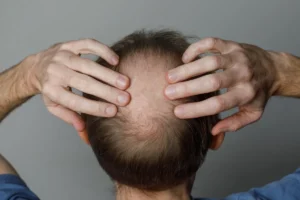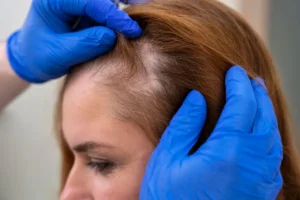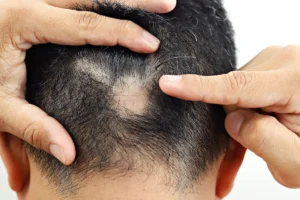
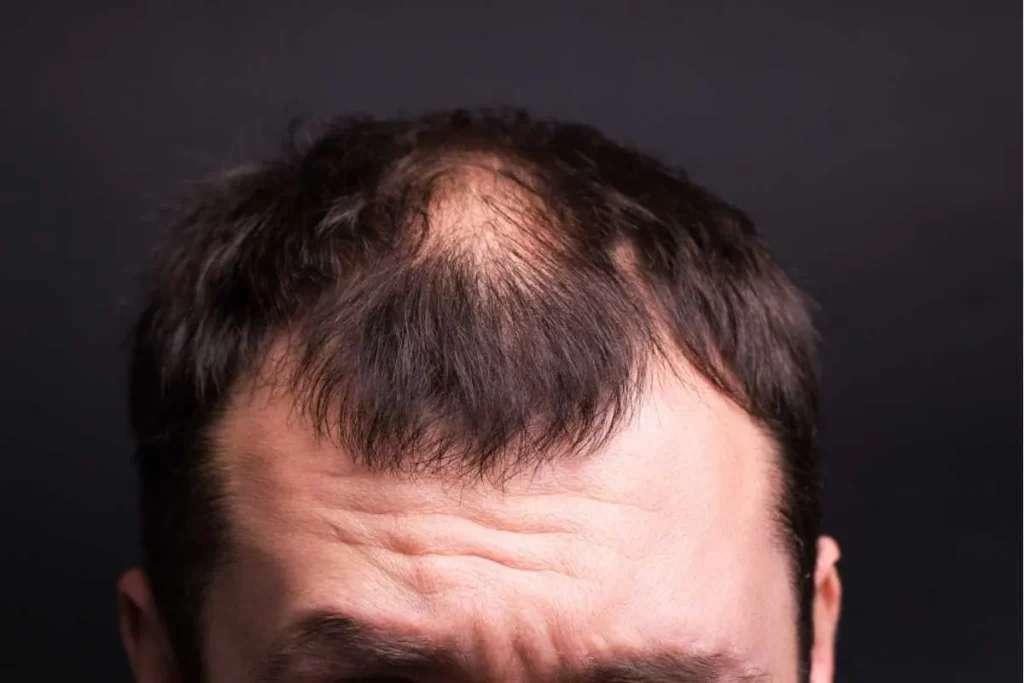
Are you worried about losing your hair because of a family history of baldness? Knowing the genetic reasons behind hereditary baldness is a key step. It helps you take charge of your hair loss.
Hereditary baldness, or androgenetic alopecia, is a complex issue. It’s shaped by many genetic factors from both sides of your family. While genes are important, new research gives hope for slowing or stopping it.
At GoldCity Center, our team gives you the latest info and treatments to save your hair. By grasping the genetic roots of baldness, you start a journey. This journey leads to a luxury transformation and boosts your confidence in how you look.
Belangrijkste opmerkingen
Hereditary baldness is influenced by multiple genetic factors
Understanding the genetic basis can help prevent or slow its progression
Modern research offers promising solutions for hair loss
Early intervention with proven treatments can make a significant difference
Expert guidance is available to help you protect your hair
Understanding Hereditary Baldness
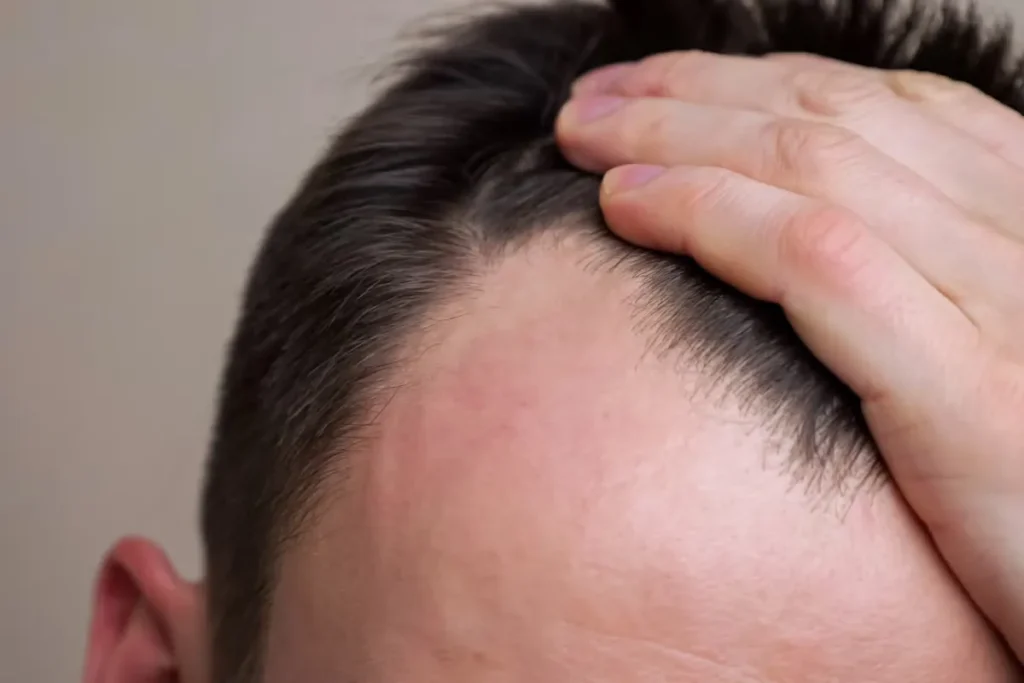
Learning about the genetic causes of hereditary baldness can help you fight hair loss. Hereditary baldness, or androgenetic alopecia, affects millions globally.
Wat is alopecia androgenetica?
Androgenetic alopecia is a condition caused by androgen hormones. It’s the top reason for hair loss in both men and women. It makes hair thin and fall out on the scalp.
Key factors contributing to androgenetic alopecia include:
Genetische aanleg
Hormonal influences, like androgens
Age-related progression
The Prevalence of Genetic Hair Loss
Genetic hair loss is common. By 50, about 50% of men and women have hair loss.
Debunking the Maternal Inheritance Myth
A myth says baldness comes from the mother’s side. But, research shows it’s influenced by genes from both parents.
Studies have found the X chromosome and AR gene play a role. While the X chromosome might be linked to baldness, it’s not the only factor. Many genes contribute to the condition.
It’s important to know that hereditary baldness isn’t just from the mother. It’s a mix of genetic factors from both parents.
The Genetics Behind Hair Loss

Baldness comes from a mix of genes from both parents. It’s a complex issue, influenced by genetics and hormones. This makes it hard to predict who will lose their hair.
How Baldness is Inherited from Both Parents
Baldness is caused by many genes from both parents. It’s not just one gene or from one parent. It’s a mix of genetic factors.
Studies show that family history matters a lot. If your family has a history of baldness, you’re more likely to lose your hair. This is why some people lose a lot of hair, while others with the same family history don’t.
The AR Gene and X Chromosome Connection
The AR gene on the X chromosome is key for male baldness. This gene comes from the mother, leading to a common myth. But, it’s not the only gene involved in baldness.
The AR gene affects how hair follicles react to hormones like DHT. Changes in this gene can make hair follicles more sensitive to DHT. This can lead to more or worse baldness.
Differences in Male vs. Female Pattern Baldness
Male and female baldness look different and are caused by different factors. Men often lose hair at the front and top, while women’s hair thins all over.
Knowing these differences helps in finding better treatments. It’s important to understand the unique genetic and hormonal factors for each person’s hair loss.
How to Prevent Hereditary Baldness
Hereditary baldness, or androgenetic alopecia, can be managed with FDA-approved treatments and lifestyle changes. Knowing your options is the first step to better hair health.
FDA-Approved Treatments and Medications
The U.S. Food and Drug Administration has approved treatments for androgenetic alopecia. Minoxidil and finasteride are two of them. Minoxidil is applied topically to stimulate hair growth and slow balding. Finasteride is taken orally to block DHT, a hormone that causes hair loss.
These medicines have proven to be effective in treating hereditary baldness. It’s important to talk to a healthcare professional to find the right treatment for you.
Emerging Therapies and Research
New therapies offer hope for those with hereditary baldness. Low-level laser therapy (LLLT) and platelet-rich plasma (PRP) therapy are promising. LLLT uses low-level lasers to stimulate hair growth. PRP therapy involves injecting PRP, made from your own blood, into your scalp. PRP has growth factors that help hair grow.
Lifestyle Factors That Impact Genetic Hair Loss
Lifestyle greatly affects hair health. Eating a balanced diet rich in vitamins and minerals, like biotin and vitamin D, supports hair growth.
Reduce stress through meditation or yoga, as high stress levels have been linked to hair loss.
Avoid harsh chemical treatments and excessive heat styling.
Ensure adequate sleep and maintain a healthy weight.
Combining medical treatments with lifestyle changes can help prevent hereditary baldness.
Conclusie
Understanding the genetics of baldness is key to finding good treatments. Knowing your genetic risk is the first step in preventing hereditary baldness. By recognizing the influence of both parents, you can take steps to keep your hair.
Today, there are many ways to treat genetic hair loss. From FDA-approved treatments to new therapies, there are options. Making healthy lifestyle choices also helps keep your hair in good shape.
Whether your baldness comes from your dad or mom, knowing your genes is important. With the right treatments and lifestyle, you can work towards healthier, fuller hair. Yes, baldness can run in families, but with the right approach, you can lessen its effects.
FAQ
Is balding hereditary?
Yes, balding often runs in families. It’s shaped by many genes from both parents. Knowing the genetic roots of baldness is key to fighting it.
Komt haaruitval van moeders kant?
No, hair loss isn’t just from the mother. While the X chromosome from mom plays a part, genes from both parents affect baldness risk.
Is male pattern baldness genetic?
Yes, male pattern baldness is a genetic issue. It’s influenced by the androgen receptor gene and other genes. It’s a complex trait passed down from both parents.
Can baldness be prevented?
Preventing baldness is tricky, but not impossible. Knowing your genetic risk and using FDA-approved treatments can slow hair loss.
Are there any lifestyle factors that impact genetic hair loss?
Yes, lifestyle choices like diet and stress can affect hair loss. A healthy lifestyle and gentle hair care can help keep your hair healthy.
Is baldness inherited from mom or dad?
Baldness isn’t just from one parent. Genes from both parents play a role in androgenetic alopecia. It’s a complex trait influenced by many genes.
What is the role of the androgen receptor gene in baldness?
The androgen receptor gene is key in baldness, mainly in men. Changes in this gene can make hair follicles more sensitive to androgens, leading to hair loss.
Is haaruitdunning genetisch bepaald?
Yes, hair thinning can be genetic and often leads to baldness. Knowing the genetic factors can help you take steps to stop hair thinning.
Can women experience genetic hair loss?
Yes, women can also experience genetic hair loss, though it’s usually less severe than in men. Female pattern hair loss is caused by a mix of genetic and hormonal factors.
Referenties
National Center for Biotechnology Information. Evidence-Based Medical Insight. Retrieved from https://pmc.ncbi.nlm.nih.gov/articles/PMC11305502/