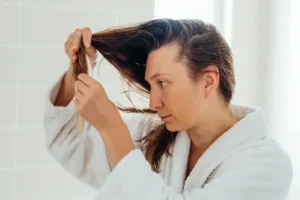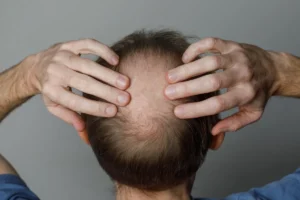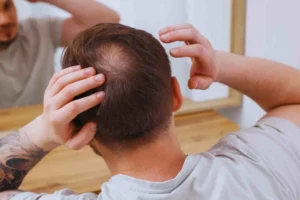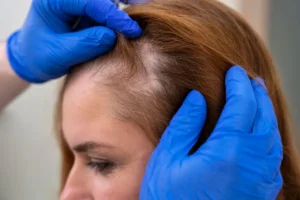
Hair loss is a big problem worldwide, affecting millions. Androgenetic alopecia, the most common type, can make people feel down. But, new studies show that hair thinning can be reversed.
Seeing a lot of hair loss can be scary. But, there are good solutions out there. Many people ask if natural ways can help hair regrowth. Luckily, there are many proven methods to reverse thinning hair naturally and boost confidence.
Discover the latest scientifically backed ways to make your hair grow. GoldCity Center uses a patient-focused approach. They combine FDA-approved drugs with new regenerative methods for healthy hair and stop thinning hair.
Belangrijkste opmerkingen
Reversing hair thinning is possible through scientifically proven methods.
Multiple treatment options exist, including FDA-approved medications and regenerative techniques.
A patient-centered approach can help restore confidence and promote healthy hair growth.
Natural methods can be effective in encouraging hair regrowth.
GoldCity Center offers a complete solution for hair loss.
Understanding Hair Loss and Its Reversibility
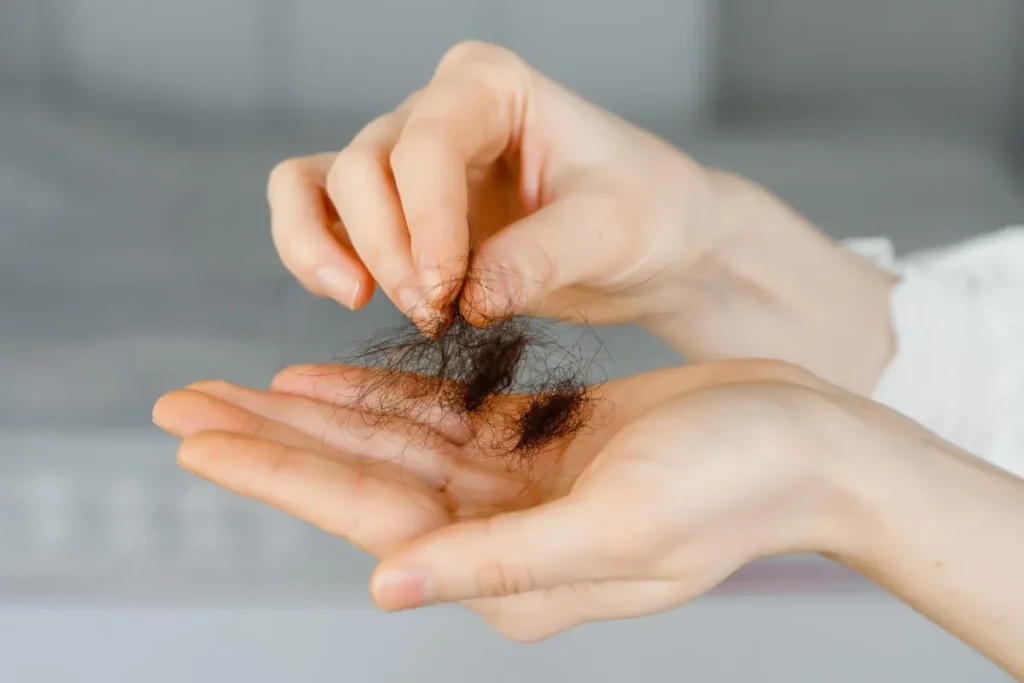
It’s important to know why hair falls out to find good treatments. Hair loss, or alopecia, can come from genetics, hormonal changes, and the environment.
Alopecia androgenetica en andere veelvoorkomende oorzaken
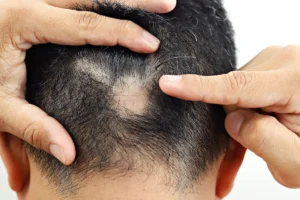
Androgenetic alopecia, or male/female pattern baldness, is a big reason for hair loss. It’s caused by genetics and hormonal changes, like the conversion of testosterone to DHT. DHT makes hair follicles shrink.
Other things that can cause hair loss include:
Stress and big life changes
Lack of iron or vitamin D
Using too much heat or tight hairstyles
Medical issues like thyroid problems or autoimmune diseases
Medical Expert, a dermatologist, says, “Hair loss is a complex issue that needs a full treatment plan.”
The Science of Hair Follicle Regeneration
Hair follicles go through growth, transition, and rest phases. The growth of hair follicles is influenced by genetics, hormones, and growth factors.
Research on hair follicle regeneration is promising. It aims to make hair grow longer and shed less.
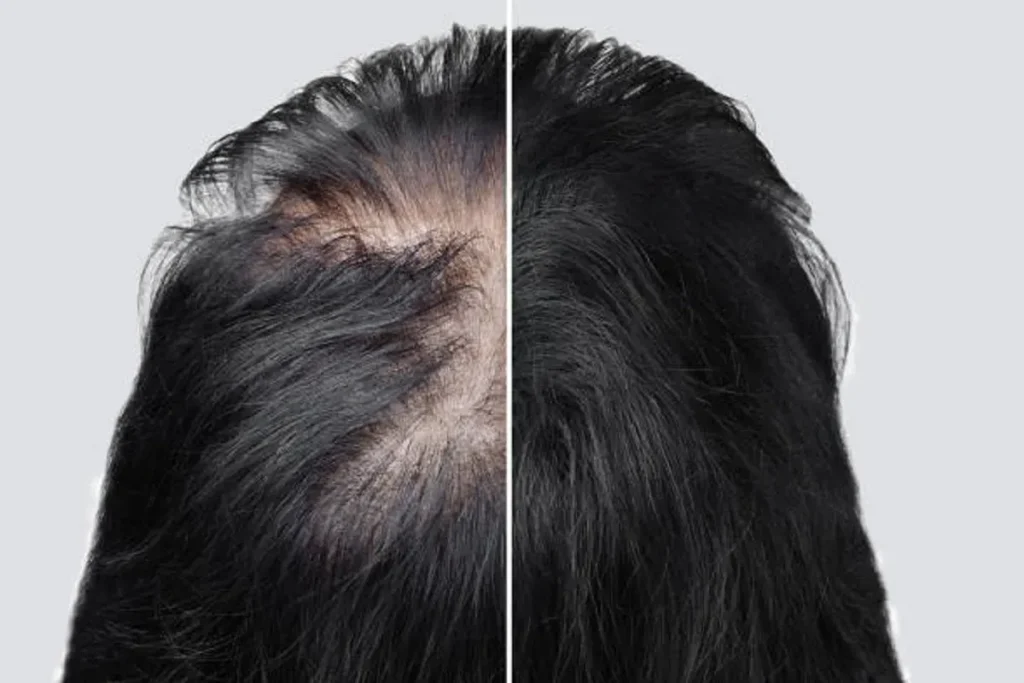
Knowing why hair falls out and how to regrow it helps people choose the right treatments. This can help reverse hair thinning and make hair fuller.
How to Regrow Hair with FDA-Approved Treatments
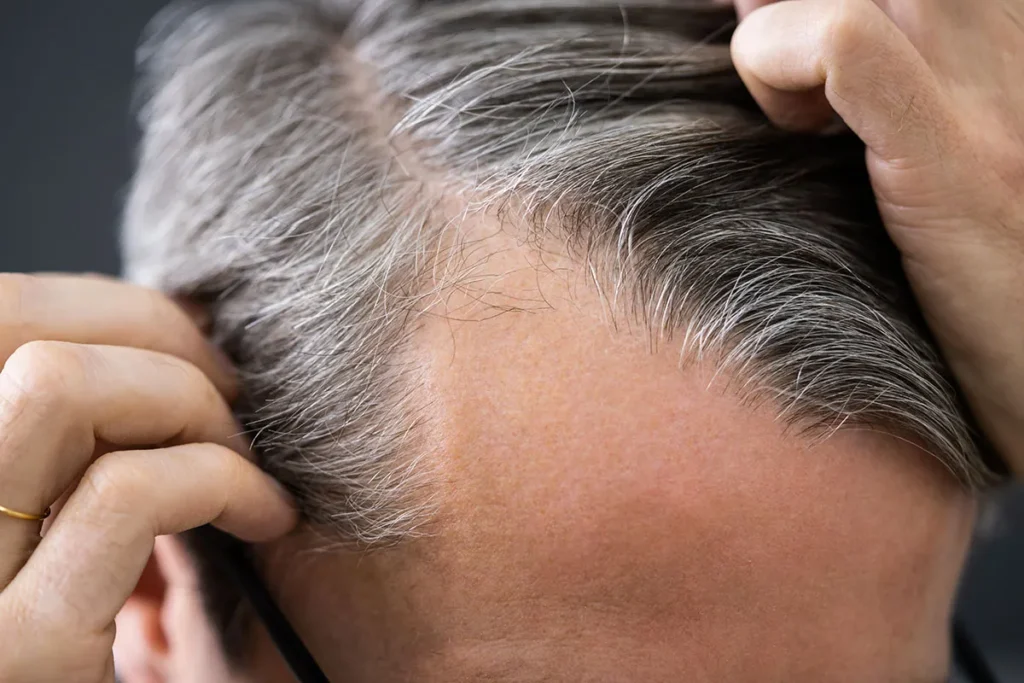
Using FDA-approved treatments is a safe and effective way to regrow hair. Hair loss can be upsetting, but the right treatment can help. Minoxidil and finasteride are two well-known FDA-approved treatments for hair regrowth.
Minoxidil: Extending the Anagen Phase
Minoxidil is a topical solution applied to the scalp to stimulate hair growth. It extends the anagen phase, the active growth phase of hair follicles. This increases hair diameter and density. Studies show that minoxidil promotes hair regrowth in 62-84% of patients. It’s a clinically proven method to enhance hair growth and strengthen hair follicles.
Minoxidil is easy to apply and has minimal side effects. But, it’s important to be patient as results may take several months. Consistent use is key to maintaining and improving results.
Finasteride: Blocking DHT Production
Finasteride is an oral medication that blocks DHT production. DHT is a hormone that causes hair loss. By reducing DHT levels, finasteride slows down hair loss and stimulates regrowth. It’s effective for treating androgenetic alopecia, a common cause of hair loss in both men and women.
Clinical trials show finasteride’s effectiveness in promoting hair regrowth and reducing hair loss. But, it’s important to know about possible side effects, including sexual dysfunction and other less common issues.
In conclusion, both minoxidil and finasteride are effective FDA-approved treatments for hair regrowth. Knowing how these treatments work and their benefits and side effects can help individuals make informed decisions about their hair regrowth journey.
5 Emerging Scientific Methods for Hair Restoration
New scientific methods are changing hair restoration. They bring promising results. These new treatments are effective and don’t hurt much.
Low-Level Laser Therapy for Stimulating Follicles
Low-level laser therapy (LLLT) is getting a lot of attention. It helps hair follicles grow. This treatment uses lasers to increase blood flow to the scalp.
Benefits of LLLT: It makes hair thicker and denser. It also makes hair grow faster.
PRP-injecties (Platelet-Rich Plasma)
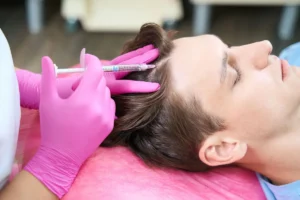
PRP injections use your own blood to help hair grow. They take platelet-rich plasma from your blood. This treatment has shown to make hair grow back and strengthen follicles.
PRP Therapy Advantages: It’s natural and doesn’t hurt much. It can give long-lasting results.
Stem Cell Treatments for Hair Regeneration
Stem cell treatments are leading in regenerative medicine. They use stem cells to grow new hair follicles. This could be a solution for hair loss.
Stem Cell Therapy Benefits: It might make hair grow back forever. It’s safe and has few side effects.
JAK Inhibitors and Prostaglandin Analogs
JAK inhibitors and prostaglandin analogs are new in hair restoration. JAK inhibitors, like deuruxolitinib, have shown great promise. They can make hair grow back by 65-70%. Prostaglandin analogs stimulate hair follicles and make them grow longer.
These new methods are changing hair restoration. They offer hope to those losing hair. As research grows, we’ll see even better treatments soon.
Conclusion: Treatment Costs and Making the Right Choice
We’ve looked at many ways to regrow hair, from FDA-approved treatments to new scientific methods. The prices for these treatments vary a lot. It’s important to know the costs to make a good choice.
When thinking about hair growth treatments, consider the costs and benefits. Things like how much hair you’ve lost, your health, and what you prefer are important. Talking to a healthcare expert can help find the best treatment for you.
Every person’s journey to grow hair back is different. By looking at the costs and factors we’ve talked about, you can choose what’s best for you. This can lead to a fuller, healthier head of hair.
FAQ
Hoe kan ik mijn haarzakjes terug laten groeien?
To regrow hair follicles, use proven methods. This includes FDA-approved treatments like minoxidil and finasteride. Also, try low-level laser therapy and platelet-rich plasma (PRP) injections.
Is haaruitdunning omkeerbaar?
Yes, hair thinning can be reversed. Knowing the cause, like androgenetic alopecia, is key. Use targeted therapies to grow hair back and increase density.
Hoe kun je dunner wordend haar op natuurlijke wijze tegengaan?
To naturally reverse thinning hair, eat a balanced diet and reduce stress. Use gentle hair care products. Natural ingredients like saw palmetto and biotin can also help.
What are the costs associated with hair regrowth treatments?
Hair regrowth treatment costs vary. It depends on the treatment type, how often you use it, and your needs. FDA-approved treatments are usually cheaper. But, PRP injections and stem cell treatments are pricier.
Hoe stop je dunner wordend haar?
To stop thinning hair, tackle the cause. Use FDA-approved treatments and make lifestyle changes. Also, explore new therapies to grow hair back and stop loss.
Kan haar teruggroeien na uitdunnen?
Yes, hair can grow back after thinning. Use proven methods like minoxidil and finasteride. Also, keep a healthy lifestyle to stimulate hair growth.
Hoe verdik je een dunner wordende haarlijn?
To thicken a thinning hairline, try treatments like minoxidil. Also, consider low-level laser therapy and PRP injections. A healthy lifestyle helps too.
What is the cost of hair loss treatment?
Hair loss treatment costs vary. FDA-approved treatments like minoxidil cost $20 to $100 monthly. PRP injections can be $500 to $1,500 per session.
Hoe kan ik voorkomen dat mijn haar uitdunt?
To save your hair from thinning, be proactive. Understand hair loss causes and use targeted therapies. Make lifestyle changes and try FDA-approved and new treatments to prevent loss and promote growth.
Referenties
National Center for Biotechnology Information. Evidence-Based Medical Insight. Retrieved from https://pubmed.ncbi.nlm.nih.gov/12196747/