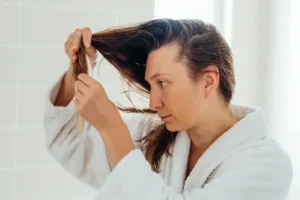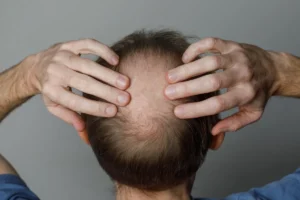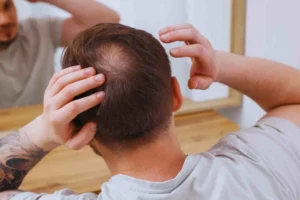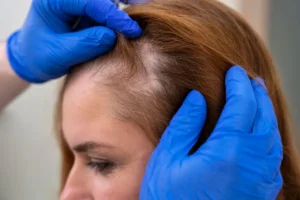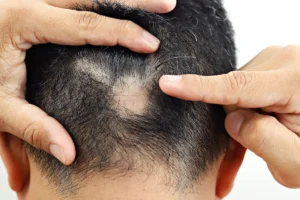
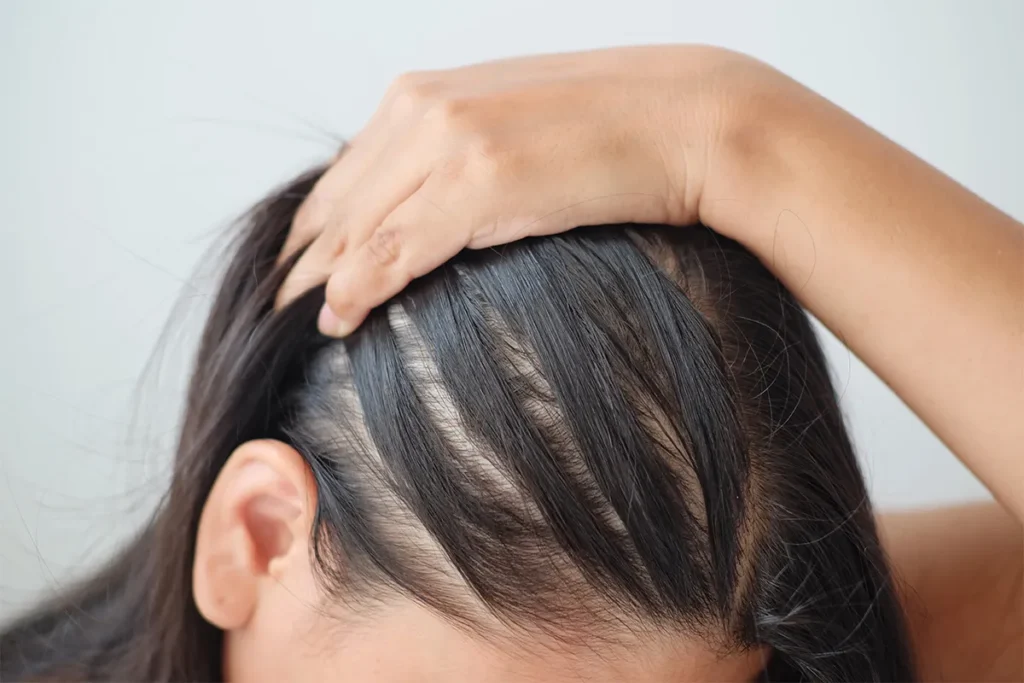
Millions of women worldwide face the issue of hair thinning. About 33% of women experience hair loss at some point in their lives. This is a common problem that many overlook.
Unlike men, women’s hair loss is different. It shows as thinning on the crown and a wider part line. Knowing this helps in finding the right ways to grow hair back.
This guide covers the reasons, diagnosis, and treatments for women’s hair thinning. It aims to give women the knowledge to feel confident again about their looks.
Belangrijkste opmerkingen
Understanding the causes of female hair thinning is key to treating it.
Female hair loss is different from male baldness.
Recent studies show many women suffer from hair thinning.
With the right knowledge, women can find effective ways to regrow hair.
Informing women is essential to help them regain their confidence.
Vrouwelijk dunner wordend haar begrijpen
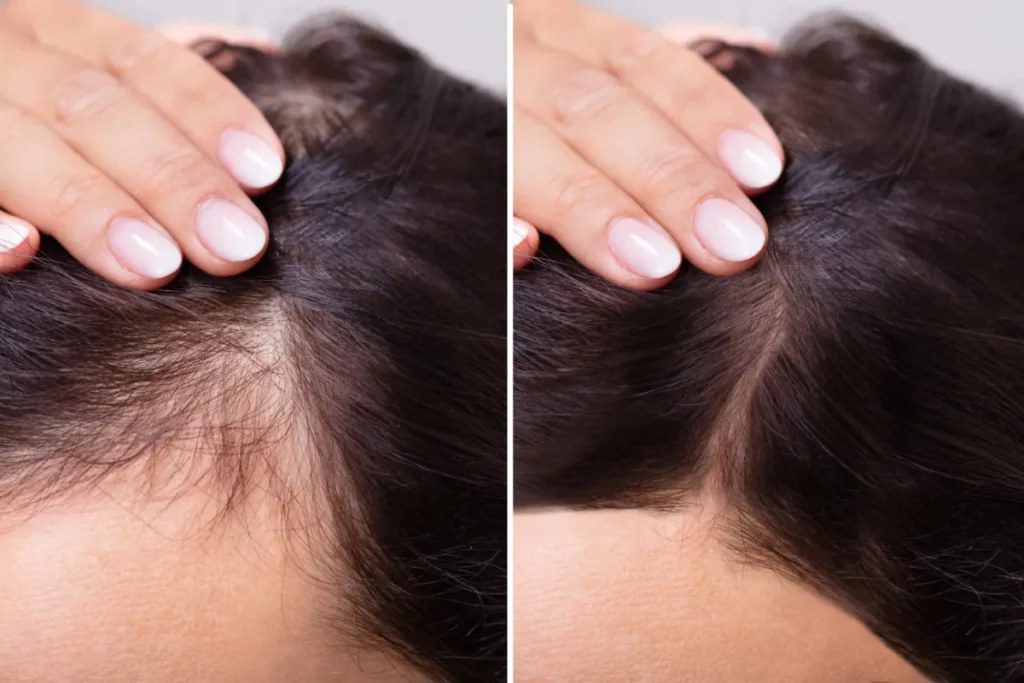
Female hair thinning is a complex issue. It’s caused by genetics, hormones, and the environment. As women get older, hair loss becomes more common.
The Statistics: How Common Is Female Hair Loss
Many women experience hair loss. About 23% of women aged 18 to 65 notice thinning. By age 50, 40% of women have measurable hair loss.
Androgenetic alopecia affects nearly 30 million women in the United States. It causes hair to thin gradually, mainly on the top and crown.
Common Causes: Hormones, Aging, and Environmental Factors
Hormonal changes are a big factor in hair thinning. Changes in estrogen and progesterone can cause hair loss, like during menopause or after having a baby. Aging also plays a part, as hair growth slows and hairs become thinner.
Stress, diet, and chemicals can also harm hair. High stress levels can lead to hair loss. This is because stress can cause the body to shed more hair.
Hoe haaruitval bij vrouwen zich manifesteert
Female pattern hair loss shows as thinning all over the scalp, not just bald spots. It often starts with a wider part line and thinning on top. Some women may see thinning in the front or a receding hairline.
Knowing how female hair thinning shows is key for early action. By spotting the signs and tackling the causes, women can fight hair loss and regain confidence.
Diagnosing Thinning Hair and When to Seek Help
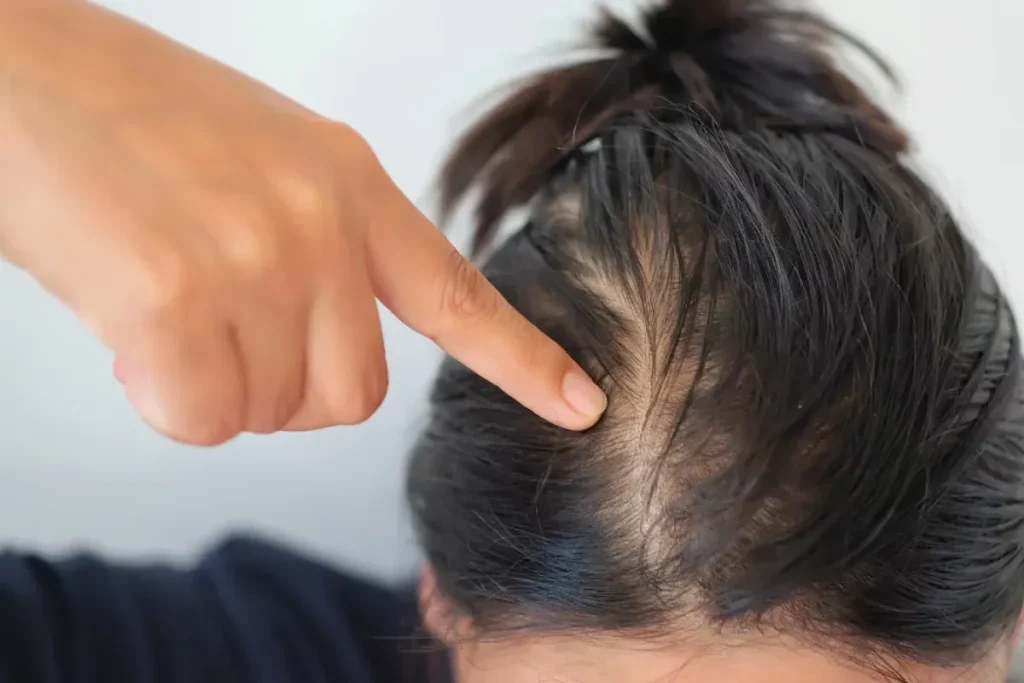
Hair thinning can be upsetting, but catching it early helps a lot. Knowing the signs and acting fast can help women deal with thinning hair well.
Early Warning Signs of Hair Thinning
Spotting early signs is key to acting quickly. Look out for a wider part line, thinning hair on the crown, and more hair falling out. You might also see less hair on top of your scalp.
Watching for these signs can help spot thin hair in women early. This makes it easier to manage and treat.
Self-Assessment Techniques for Hair Density
Doing a self-check can give you clues about your hair density. Try running your fingers through your hair to see if there’s more shedding or thinning. You can also take photos of your scalp from the same spot over time to see changes.
These methods can help women understand their hair thinning. They can then figure out how to help thinning hair female in a good way.
Wanneer een zorgverlener raadplegen
If you notice a lot of hair thinning or shedding, see a doctor. A dermatologist can check your scalp, find out if there’s a health issue, and suggest treatments for women’s thinning hair on top.
Seeing a doctor early can lead to better treatments and results. Getting professional advice is the first step to feeling better and solving hair thinning problems.
How to Regrow Thinning Hair Female: Effective Solutions
Women facing thinning hair need a full plan. This includes medical treatments, supplements, and scalp care. Knowing these options is the first step to growing back hair and making it healthier.
FDA-Approved Treatments: Minoxidil and Beyond
FDA-approved treatments are key to growing hair back. Minoxidil is a top choice. It’s proven to boost hair growth and slow loss. Applied to the scalp, it increases blood flow and helps hair grow.
Other treatments like low-level laser therapy (LLLT) and platelet-rich plasma (PRP) therapy are also popular. LLLT uses lasers to stimulate hair growth. PRP therapy injects plasma into the scalp to encourage hair growth.
Nutritional Supplements and Hair Growth Vitamins
Nutritional supplements are also vital for hair growth. Biotin, vitamin C, and fish oil are favorites. Biotin strengthens follicles, and vitamin C boosts collagen for healthy hair.
Scalp Care Routines and Hair Growth Techniques
Scalp care is key for hair growth. Regular scalp massage boosts blood flow. Exfoliating removes dead skin and debris from follicles.
Using gentle, sulfate-free shampoos and conditioners keeps the scalp healthy. By adding these steps to their routine, women can regrow their hair. There are many ways to tackle thinning hair, from treatments to scalp care, for healthier, fuller hair.
Conclusie
Regrowing thinning hair in females needs a full plan. This includes knowing the causes, getting a correct diagnosis, and picking the best treatments. By following the advice in this article, women can start growing their hair back and feel more confident.
Women facing hair thinning at front female or thinning hair female can find hope. There are many effective solutions out there. From FDA-approved treatments like Minoxidil to nutritional supplements and scalp care, there are many ways to tackle women’s thinning hair.
Being patient and consistent is important when treating hair thinning. The right treatments and a healthy lifestyle can lead to great results. By learning how to regrow thinning hair female and being proactive, women can get healthier, fuller hair and shine from within.
With the right strategies and support, women can beat the challenges of thinning hair and show off their beauty. It’s time to begin your journey to regrow your hair and regain your confidence.
FAQ
What are the primary causes of thinning hair in women?
Thinning hair in women can come from genetics, hormonal shifts, and the environment. Knowing these causes helps find the best treatment.
Is dunner wordend haar normaal bij vrouwen van 30?
Yes, hair thinning can start in the 30s. It’s due to hormonal changes, stress, and genetics. Early action can stop more hair loss.
How can I diagnose thinning hair on my crown?
Spotting thinning hair means looking for signs like a lot of hair falling out, a receding hairline, or seeing your scalp. You can check yourself or see a doctor to know how bad it is.
What are the available treatments for women’s thinning hair?
Treatments include FDA-approved minoxidil, supplements, and scalp care. These can help hair grow back and stay healthy.
Can nutritional supplements help with hair thinning?
Yes, supplements like biotin, vitamin B, and keratin can help hair grow. But, talk to a doctor before taking them.
How can I care for my scalp to promote hair growth?
Good scalp care includes massaging, gentle shampoos, and less heat styling. A healthy scalp is key for growing hair.
Is hair thinning at the front hairline common in women?
Yes, thinning at the front hairline is common in women. It’s often due to hormones and genetics.
Wat helpt tegen dunner wordend haar bij vrouwen?
Medical treatments, supplements, and scalp care can help. Knowing the cause is important for the right treatment.
Can thinning hair be treated with minoxidil?
Yes, minoxidil is approved for thinning hair. It boosts hair growth and slows loss. Always talk to a doctor before starting.
How long does it take to regrow thinning hair?
Growing back thinning hair takes time and patience. The right treatment and care can show results in months.
Referenties
National Center for Biotechnology Information. Evidence-Based Medical Insight. Retrieved from https://pmc.ncbi.nlm.nih.gov/articles/PMC6322157/