
Pubic hair loss is a common issue, hitting many people, mostly women, as they get older. It can be caused by hormonal changes, certain health issues, and how we groom ourselves.
Understanding the root causes is key to solving the problem. At GoldCity Center, we offer caring, science-backed checks and treatments. This includes new options like pubic hair transplants.
By looking into the reasons and solutions, people can choose the right path for their care. Our focus is on you, using the latest tests to find the best treatment.
Belangrijkste opmerkingen
Understand the causes of pubic hair loss, including hormonal changes and medical conditions.
Explore available treatment options, including pubic hair transplants.
Discover the benefits of a patient-centered approach to addressing pubic hair loss.
Learn how to make informed decisions about your care and treatment.
Find out how GoldCity Center can help you address pubic hair loss.
Understanding Pubic Hair Loss
Pubic hair loss is more common than you might think. Many factors can cause it, like aging, hormonal changes, and certain practices. These can lead to hair loss in the pubic area.
Prevalentie en statistieken
Many people experience pubic hair loss, mainly as they get older. Hormonal changes are a big factor. Androgens, for example, can affect hair growth patterns.
Normal Hair Growth Cycle in the Pubic Region
The hair growth cycle in the pubic area has three phases: anagen, catagen, and telogen. The anagen phase is when hair grows. The catagen phase is a short transition, and the telogen phase is when hair rests before falling out.
Hormonal changes, certain medical conditions, and aging can disrupt this cycle. This leads to pubic hair loss. Knowing the normal cycle helps understand why and how it happens.
By understanding the prevalence and the hair growth cycle, people can tackle the causes of pubic hair loss. It’s key to approach this condition with a full understanding. This empowers individuals to make informed choices about their health and beauty.
Common Causes of Pubic Hair Loss
Pubic hair loss can happen for many reasons. These include hormonal changes and certain medical conditions. Knowing why it happens helps find the right way to stop pubic hair falling out.
Hormonal Factors and Age-Related Changes
Hormonal shifts, like changes in androgen levels, can affect pubic hair. Menopause, for example, lowers estrogen, causing thinning of pubic hair. PCOS also leads to hormonal imbalances that impact hair growth.
Medical Conditions That Trigger Hair Loss
Some medical issues can cause pubic baldness. These include:
Thyroid problems, leading to hair loss from hormonal imbalances.
Alopecia areata, an autoimmune disease that targets hair follicles.
Eczema or psoriasis, which can affect the pubic area.
Medications and Treatments
Some drugs and treatments can cause female pubic hair falling out. These include:
Chemotherapy, which can lead to widespread hair loss.
Hormone therapy, causing significant hair loss if hormone levels change a lot.
Antidepressants and blood pressure meds that can cause hair loss as a side effect.
Excessive Hair Removal Practices
Waxing, shaving, and other hair removal methods can weaken hair follicles. This leads to thinning of pubic hair. It’s important to balance grooming with hair health.
Understanding the reasons for pubic hair loss is the first step to solving it. Whether it’s hormonal, medical, or due to grooming, knowing the cause is essential for finding a solution.
Pubic Hair Transplant and Medical Solutions
Pubic hair transplants are a new way to deal with hair loss in the pubic area. This method moves hair from one part of the body to the pubic area. It aims to make the area look natural again and boost confidence.
How Pubic Hair Transplant Procedures Work
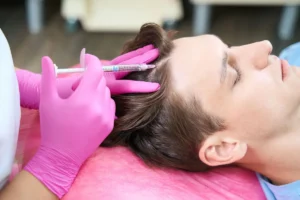
The transplant is done under local anesthesia. Hair follicles are taken from the back or sides of the head or other hairy parts of the body. Then, they are moved to the pubic area for a natural look.
The success of the transplant depends on several things. These include the person’s health, the quality of the donor hair, and the skill of the doctor.
Candidacy and Success Rates
Not everyone can get a pubic hair transplant. The best candidates have lost a lot of hair due to hormones, health issues, or too much hair removal.
Most people see a big improvement in hair density and look after the transplant. But, it’s important to have realistic hopes and know results can differ.
Key factors influencing success:
De kwaliteit van het donorhaar
The skill of the practitioner
De algehele gezondheid van de patiënt
Herstel en verwachte resultaten
Recovery from a transplant takes a few days, with some mild discomfort or swelling. The hair will fall out before growing back. Full results will show after several months.
People can expect their pubic area to look natural again. This can make them feel more confident and good about themselves.
Alternative Medical Treatments
If a transplant isn’t right for you, or if you want other options, there are treatments. These include:
Hormonal therapies to fix hair loss caused by hormones.
Medications to help hair grow or stop it from falling out.
Low-Level Laser Therapy (LLLT) to help hair grow.
Talking to a doctor or dermatologist can help find the best treatment for you.
Conclusion: When to See a Doctor and Preventative Measures
Understanding why you lose pubic hair can really change your life. If you notice your pubic hair thinning, it’s time to talk to a doctor.
Acting fast can stop more hair loss. Eating well and being careful with how you groom can also help. These steps are key for women dealing with pubic hair loss.
Being proactive about your body hair is empowering. It’s about making smart choices and taking steps to prevent hair loss.
Start your day with confidence and glowing skin. Begin by understanding and tackling hair loss in the pubic area.
FAQ
What are the main causes of pubic hair loss?
Pubic hair loss can happen due to hormonal changes, medical issues, too much hair removal, and aging. Knowing these reasons is key to finding the right solution.
Can pubic hair be transplanted to the head?
Yes, you can move pubic hair to your head. This is often done for those with balding or thinning hair on their scalp. Pubic hair can be a good source for this.
What is a pubic hair transplant procedure?
A pubic hair transplant moves hair from another area to your pubic region. It aims to make your pubic area look natural again. It’s a serious procedure that needs careful thought.
How does hormonal imbalance affect pubic hair?
Hormonal changes, like during menopause or with polycystic ovary syndrome, can affect pubic hair density. Balancing hormones is important to stop hair loss.
Are there alternative treatments for pubic hair loss beside transplantation?
Yes, there are other medical treatments for pubic hair loss. These include medicines and therapies that treat the root cause of hair loss. Looking into these options can give a full view of what’s available.
What are the risks associated with excessive hair removal practices?
Doing too much hair removal, like waxing or shaving often, can harm your hair follicles. This can lead to hair loss. Knowing these risks can help you choose gentler hair removal methods.
How can I prevent pubic hair loss?
To avoid pubic hair loss, be careful with how you groom, manage hormonal changes, and treat any health issues. Taking a proactive approach can help keep your hair healthy.
Is pubic hair loss a common condition?
Yes, pubic hair loss is more common than you might think. It affects many people, mainly as they get older. Knowing this can help you understand the causes and find the right treatment.
What are the signs that I should seek medical advice for pubic hair loss?
If you notice a lot of or sudden pubic hair loss, you should see a doctor. They can check for any health issues that might be causing it.
Can thinning of pubic hair be treated?
Yes, thinning pubic hair can be treated. You can try medical treatments or pubic hair transplantation. Knowing your options can help you make the best choice for your care.
Referenties
Nationaal Centrum voor Biotechnologie-informatie. Evidence-Based Medisch Inzicht. Opgehaald van https://pubmed.ncbi.nlm.nih.gov/32873418/