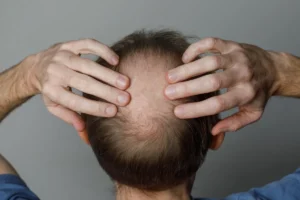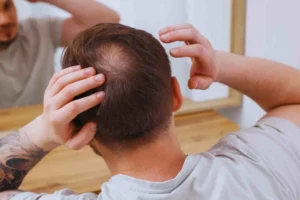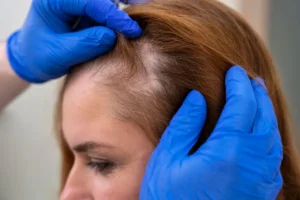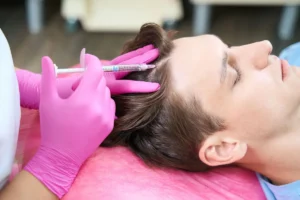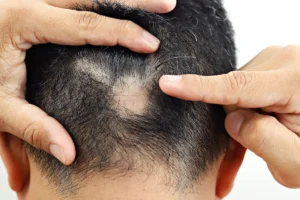
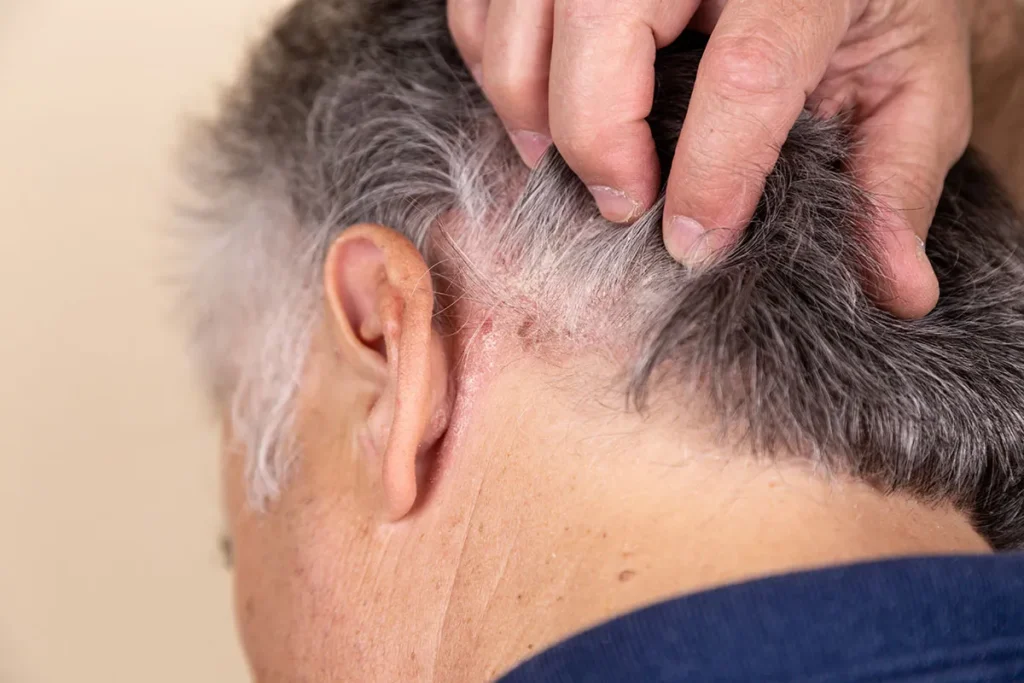
People getting hair restoration procedures worry about infected hair plugs. After a hair transplant, they watch for graft survival and growth. But, they also need to watch their scalp for any unexpected changes.
Seeing signs of irritation or inflammation is a big warning. Knowing how hair plug infections start and using the right prevention and care is key. This helps get the best results.
Belangrijkste opmerkingen
Monitor your scalp for signs of irritation or inflammation after a hair transplant.
Understand the risks associated with hair plug infections.
Implement evidence-based prevention and care strategies.
Choose reputable clinics committed to international standards of excellence.
Prioritize proper care after a hair transplant to minimize complications.
Understanding Infected Hair Plugs and Their Causes
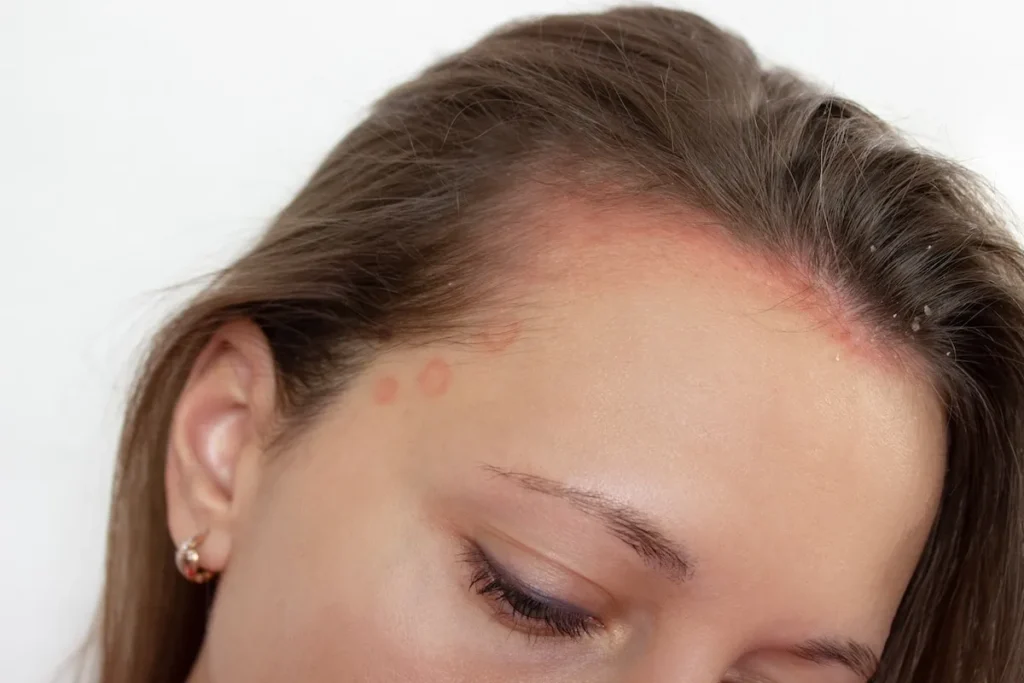
It’s important to know why hair plugs can get infected after a transplant. This knowledge helps prevent and treat infections. Infected hair plugs can ruin the results of hair transplantation.
Common Causes of Hair Transplant Infections
Many things can cause infections after a hair transplant. Poor post-operative care is a big one. It can let bacteria into the transplant area. Other reasons include:
Inadequate sterilization during the procedure
Scalp conditions that make healing hard
Touching or scratching the transplant area, which can introduce bacteria
Studies show about 12.11% of people get folliculitis after hair transplantation. This highlights the need to understand and avoid risks.
Recognizing Infection Symptoms After Transplantation
Spotting infection symptoms early is key. Look out for:
Redness and swelling around the transplant sites
Pus or discharge from the follicles
Increased sensitivity or pain in the scalp
Itching or burning sensations
“Early detection and treatment of folliculitis after hair transplant can significantly improve outcomes and reduce the risk of complications.”
Risk Factors That Increase Infection Probability
Some things make getting an infection more likely after hair transplantation. These include:
Knowing these risk factors helps. Taking steps to avoid them can lower the chance of infected hair plugs. This promotes a healthier recovery.
Step-by-Step Treatment for Infected Hair Plugs
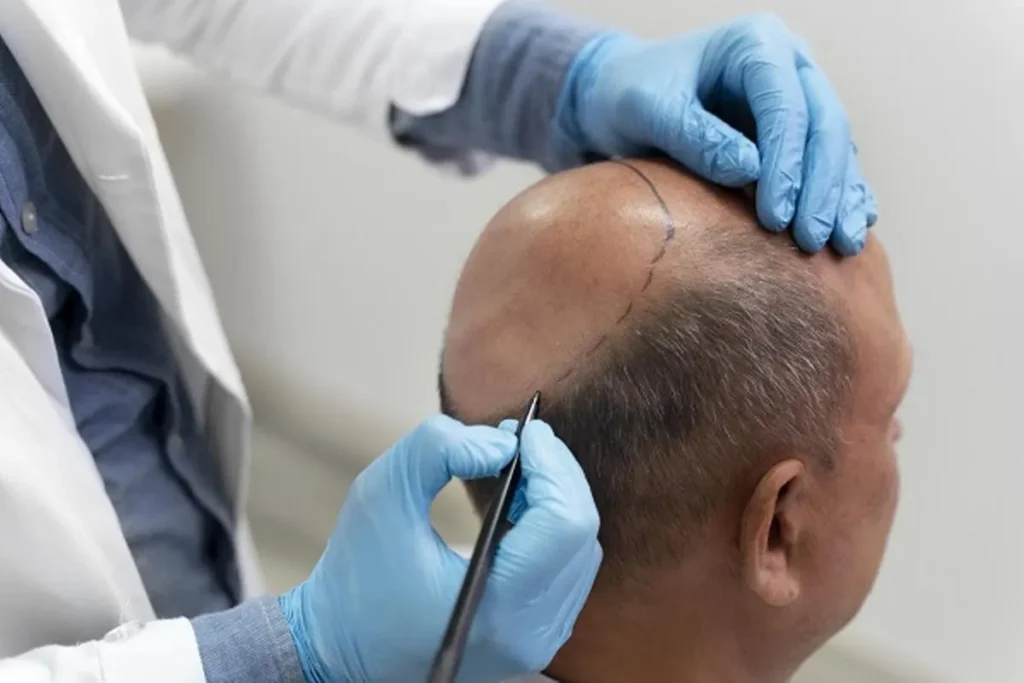
Understanding the treatment for infected hair plugs is key. It helps manage the issue and ensures a good outcome. Infected hair transplants can be upsetting, but the right steps can help.
Immediate Actions for Early Signs of Infection
Seeing signs of infection like redness or swelling? Act fast. Warm compresses can ease the skin and reduce swelling. Soak a clean cloth in warm water, not hot, and apply it gently for a few minutes.
Antiseptic sprays or solutions can also help. These are often given by the clinic. Always follow the clinic’s advice to avoid problems.
Medical Treatments and Antibiotic Protocols
Medical treatments for infected hair transplants include antibiotic protocols. Your doctor might give you oral antibiotics or creams. It’s important to finish all antibiotics as told to clear the infection.
Your doctor might also suggest anti-inflammatory drugs. These can help with swelling and pain. Sticking to the treatment plan is key for recovery.
Cleaning and Caring for Infected Transplant Sites
Cleaning and caring for the infected site is vital. Wash the area with mild shampoo and lukewarm water. Avoid harsh products or scrubbing, as it can irritate the skin.
Don’t scratch or pick at the site. This can introduce bacteria and worsen the infection. Gentle care and recommended products can aid in healing.
When to Seek Emergency Medical Attention
While many cases can be managed, some need emergency care. Severe pain, swelling, or pus are signs to seek help right away.
Also, if you have fever or chills, get emergency care. Quick medical help can prevent serious issues and help you recover well.
Preventing Hair Transplant Infections: Essential Guidelines
After a hair transplant, safeguarding against infection is key for healing. A smooth recovery needs good preparation, careful care after the surgery, and keeping the hair healthy long-term.
Pre-Procedure Preparation Steps
Getting ready for the hair transplant is important to prevent infection. You should take the doctor’s advice on medication, avoid blood-thinning substances, and make sure your scalp is clean and healthy.
Follow the doctor’s instructions regarding pre-transplant medication and care.
Avoid smoking and alcohol consumption before the procedure to enhance healing.
Keep the scalp clean and free of infections or irritations.
Post-Operative Care Routine
Gentle care is vital after the hair transplant. Start washing your scalp with the recommended shampoo around day 3 to 5, as your doctor advises. Avoid scratching or picking at the transplant site to prevent infection and damage.
Using prescribed sprays or antiseptic solutions can help reduce inflammation and keep bacteria away. This promotes a healthy environment for the transplanted hair to grow.
Long-Term Maintenance for Transplanted Hair
Long-term care means keeping your scalp and transplanted hair healthy. This includes regular washing with the right shampoos, avoiding too much sun, and protecting your scalp from harmful chemicals or pollutants.
By sticking to these guidelines and using a nature-powered luxury approach to hair care, you can enjoy your hair transplant. This way, you can also lower the risk of problems like folliculitis after hair transplant surgery.
Conclusie
Understanding the causes of infected hair plugs is key. Taking proactive steps can help avoid infections and ensure a smooth recovery. Folliculitis after hair transplant is common, but it can be lessened with the right care.
Choosing a reputable clinic is vital to prevent infections. Clinics like MCAN Health offer top-notch care. They have daily nurse visits and 24/7 support to help your hair heal well.
Starting your hair restoration journey is exciting. Remember, beauty is a journey, not a destination. By focusing on proper care, you can achieve a radiant glow. With the right support, you can unlock your full beauty.
FAQ
What are the common signs of an infected hair transplant?
Signs include redness, swelling, more pain, and pus around the hair follicles. If you see these, get medical help fast.
How can I prevent infection after a hair transplant?
Prevent infection by following your surgeon’s care instructions. Wash gently and use antibiotic ointments as told. Keep your area clean and avoid hard activities.
What are the risks associated with infected hair plugs?
Infected hair plugs can cause scarring, graft failure, and longer healing times. Severe infections can spread and lead to bigger problems, so get treatment quickly.
Can I treat an infected hair transplant at home?
Mild infections might be treated with wound care and antibiotics at home. But, severe infections need a doctor’s help. Always check with your surgeon or a healthcare expert for the right treatment.
How long does it take to recover from an infected hair transplant?
Recovery time depends on the infection’s severity and treatment success. With good care and medical help, most infections clear up in a few weeks. This lets you keep going with your hair restoration.
Are there any long-term effects of infected hair plugs?
Untreated or poorly managed infections can cause permanent scarring and less hair density. But, with quick and right treatment, these risks can be lowered.
Can folliculitis after hair transplant be a sign of infection?
Yes, folliculitis, or inflammation of hair follicles, can mean infection after a hair transplant. Watch your condition closely and talk to your surgeon if you notice odd symptoms.
What role do antibiotics play in treating infected hair transplants?
Antibiotics are key in treating bacterial infections after a hair transplant. They kill the infection, reduce swelling, and help healing.
How can I promote healthy healing after a hair transplant?
For healthy healing, follow your surgeon’s advice, keep your care routine gentle and clean, and use products that help healing, like those with pure ingredients.
Referenties
Nationaal Centrum voor Biotechnologie-informatie. Evidence-Based Medisch Inzicht. Opgehaald van https://pmc.ncbi.nlm.nih.gov/articles/PMC7369527/