

Ontdek het geheim van mooi haar met vitamine B9, ook bekend als folaat. Deze belangrijke voedingsstof is belangrijk voor celvernieuwing en DNA-synthese. Deze processen helpen de haarzakjes gezond te houden. Maar de wetenschap over foliumzuur voor haargroei is complexer dan je zou denken.
Foliumzuur is nodig voor veel lichaamsfuncties, zoals DNA-synthese, celdeling en de aanmaak van rode bloedcellen. Door foliumzuur aan je dieet toe te voegen, zou je je haarverzorgingsroutine kunnen veranderen. Dit kan leiden tot stralend haar, gezond manen.
Belangrijkste opmerkingen
Foliumzuur ondersteunt de gezondheid van het haar door celvernieuwing en DNA-synthese.
Vitamine B9 is essentieel voor de DNA-synthese, celdeling en de productie van rode bloedcellen.
Het opnemen van foliumzuur in je dieet kan mogelijk de haargroei verbeteren.
Foliumzuur is een essentiële voedingsstof voor de algehele gezondheid, waaronder gezond haar.
Een uitgebalanceerd dieet dat rijk is aan foliumzuur kan een gezonde haarverzorgingsroutine ondersteunen.
Foliumzuur en zijn functies begrijpen

Foliumzuur, ook bekend als vitamine B9, is een in water oplosbare vitamine. Het ondersteunt veel gezondheidsprocessen. Het is een essentiële voedingsstof die helpt bij de synthese van DNA en de aanmaak van rode bloedcellen.
Wat is foliumzuur (vitamine B9)?
Foliumzuur is een belangrijk onderdeel van het vitamine B-complex. Het is belangrijk voor de gezondheid en haargroei. Het helpt bij de celdeling en regeneratie, wat essentieel is voor gezonde haarzakjes.
Door voldoende foliumzuur binnen te krijgen, kunnen mensen hun haar op natuurlijke wijze laten groeien. Het houdt het haar gezond en vol leven.
Hoe foliumzuur de cellulaire gezondheid ondersteunt
Foliumzuur is essentieel voor de gezondheid van cellen. Het helpt bij het maken van DNA en het fixeren van cellen. Het is erg belangrijk voor cellen die snel groeien, zoals die in haarzakjes.
Te weinig foliumzuur kan de cellen beschadigen. Dit kan haaruitval of andere gezondheidsproblemen veroorzaken.
Foliumzuur speelt een grote rol bij het gezond houden van cellen. Laten we eens kijken naar de invloed ervan op het lichaam:
Het is belangrijk om te weten hoe foliumzuur cellen helpt gezond te blijven. Het laat zien waarom het van vitaal belang is voor het algehele welzijn en gezond haar.
Is foliumzuur goed voor de haargroei? De wetenschap uitgelegd
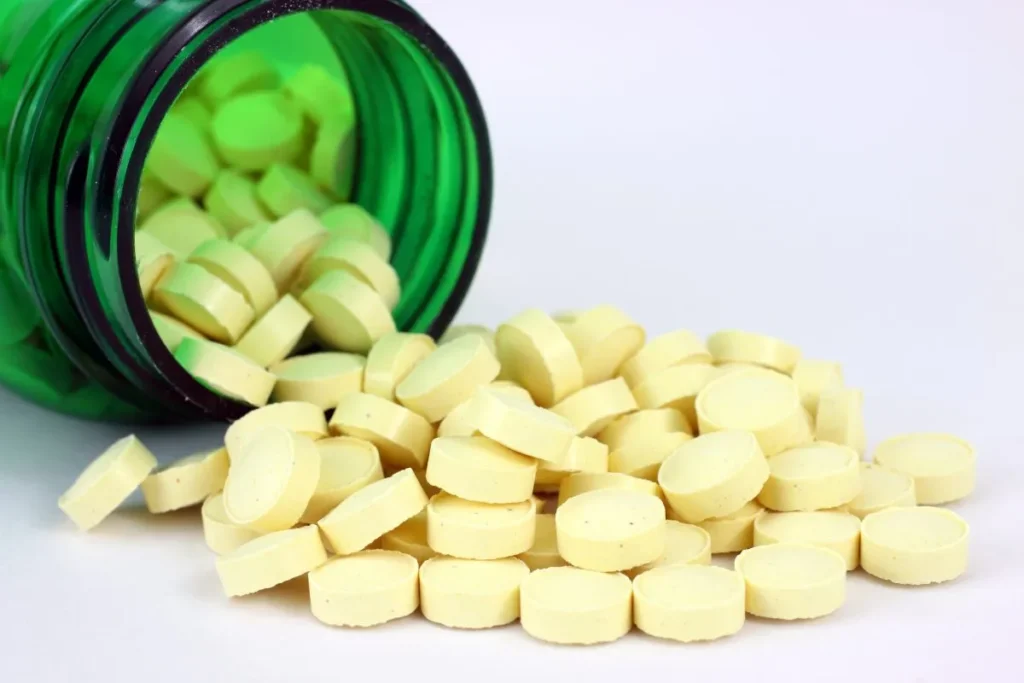
Foliumzuur is essentieel voor gezond haar. Het is een vitamine B9 die belangrijk is voor de algehele gezondheid en de haarzakjes.
De rol van foliumzuur in de ontwikkeling van haarfollikels
Foliumzuur helpt haarzakjes groeien en gezond te blijven. Het houdt de hoofdhuid gezond, waardoor het haar beter groeit. Voldoende foliumzuur innemen ondersteunt de ontwikkeling van haarzakjes op natuurlijke wijze.
Wetenschappelijk bewijs: De 2017 studie over vroegtijdig grijs worden
Een onderzoek uit 2017 legde een verband tussen foliumzuur, vitamine B12 en biotine en het voorkomen van vroegtijdig grijs worden. Het laat zien hoe belangrijk foliumzuur is voor gezond haar en het voorkomen van vroegtijdige veroudering.
De bevindingen van het onderzoek zijn samengevat in de onderstaande tabel:
Verband tussen foliumzuurtekort en haaruitval
Onderzoek toont aan dat een tekort aan foliumzuur haaruitval en vroegtijdig grijs worden kan veroorzaken. Voldoende foliumzuur eten of supplementen nemen kan deze problemen helpen voorkomen.
Weten hoe foliumzuur de gezondheid van het haar beïnvloedt, helpt mensen betere keuzes te maken voor hun voeding en haarverzorging. Dit ondersteunt een gezonde haargroei.
Optimale inname van foliumzuur voor gezond haar
Om het meeste uit foliumzuur voor haargroei te halen, is het belangrijk om de aanbevolen dagelijkse dosis te weten. Foliumzuur is essentieel om je haar gezond te houden.
Aanbevolen dagelijkse dosis
Volwassenen hebben dagelijks 400 microgram foliumzuur nodig. Deze hoeveelheid is belangrijk voor de gezondheid en groei van het haar.
Je kunt deze hoeveelheid uit voeding of supplementen halen. Overleg altijd met een arts voordat je supplementen neemt.
Natuurlijke voedingsbronnen rijk aan foliumzuur
Het eten van voedingsmiddelen met veel foliumzuur is geweldig voor de gezondheid van je haar. Hier zijn enkele goede bronnen:
Groene bladgroenten zoals spinazie en boerenkool
Peulvruchten zoals kikkererwten en zwarte bonen
Noten en zaden, inclusief amandelen en zonnebloempitten
Verrijkte granen met foliumzuur
Supplementen: Voordelen en beperkingen
Foliumzuursupplementen zijn goed voor wie niet genoeg binnenkrijgt. Maar het is belangrijk om hun voordelen en beperkingen te kennen.
Supplementen kunnen helpen om aan de dagelijkse behoeften te voldoen, maar vergeet een evenwichtige voeding niet. Wees ook voorzichtig met interacties met andere medicijnen en raadpleeg een arts.
Conclusie: Foliumzuur opnemen in je haarverzorgingsroutine
Foliumzuur toevoegen aan je dieet is een eenvoudige manier om gezond, glanzend haar te krijgen. Het is essentieel om de haarzakjes gezond te houden en het haar te helpen groeien. Door voedingsmiddelen te eten die rijk zijn aan foliumzuur en een uitgebalanceerde haarverzorgingsroutine te volgen, kun je ervoor zorgen dat je haar er op zijn best uitziet.
Een haarverzorgingsroutine met foliumzuur kan haaruitval tegengaan en je haar gezond houden. Met zijn bewezen voordelen en makkelijk te vinden natuurlijke bronnen, is het toevoegen van foliumzuur aan je dagelijkse routine een slimme keuze. Het is een geweldige manier om het gezonde haar te krijgen dat je altijd al wilde.
Door foliumzuur onderdeel te maken van je dagelijkse routine, zet je een grote stap op weg naar mooi haar. Begin je reis naar gezond, glanzend haar vandaag nog. Maak slimme keuzes in je haarverzorgingsroutine.
FAQ
Is foliumzuur goed voor de haargroei?
Ja, foliumzuur is belangrijk voor de haargroei. Het helpt cellen delen en maakt keratine aan, waardoor de haarzakjes gezond blijven.
Kan foliumzuur helpen bij haaruitval?
Foliumzuur helpt bij de haargroei door de natuurlijke cyclus te ondersteunen. Het houdt het haar gezond en sterk en vermindert het risico op haaruitval.
Veroorzaakt foliumzuur haaruitval?
Nee, foliumzuur veroorzaakt geen haaruitval. Een tekort eraan kan leiden tot dunner wordend, broos haar en vroegtijdig grijs worden.
Hoeveel foliumzuur moet ik nemen voor gezond haar?
Neem dagelijks 400 microgram foliumzuur. Je kunt het halen uit spinazie, boerenkool en peulvruchten, of supplementen indien nodig.
Wat zijn de natuurlijke bronnen van foliumzuur?
Vind foliumzuur in spinazie, boerenkool en peulvruchten. Deze voedingsmiddelen zitten boordevol voedingsstoffen en zijn gemakkelijk toe te voegen aan je dieet.
Kunnen supplementen helpen bij de inname van foliumzuur voor gezond haar?
Ja, supplementen kunnen het foliumzuurgehalte verhogen. Ze zijn goed voor mensen met een tekort of die niet genoeg binnenkrijgen via de voeding. Maar ken hun voordelen en beperkingen.
Is foliumzuur hetzelfde als folaat?
Foliumzuur en folaat zijn verwant, maar verschillend. Foliumzuur is een natuurlijke vitamine B9 in voedingsmiddelen, terwijl foliumzuur synthetisch is in supplementen en verrijkte voedingsmiddelen.
Hoe ondersteunt foliumzuur de algehele gezondheid?
Foliumzuur is essentieel voor de productie van DNA, celherstel en de vorming van rode bloedcellen. Het is van vitaal belang voor de algehele gezondheid, inclusief de gezondheid van de haarzakjes.
Referenties
Nationaal Centrum voor Biotechnologie-informatie. Evidence-Based Medisch Inzicht. Opgehaald van https://pmc.ncbi.nlm.nih.gov/articles/PMC5308820/