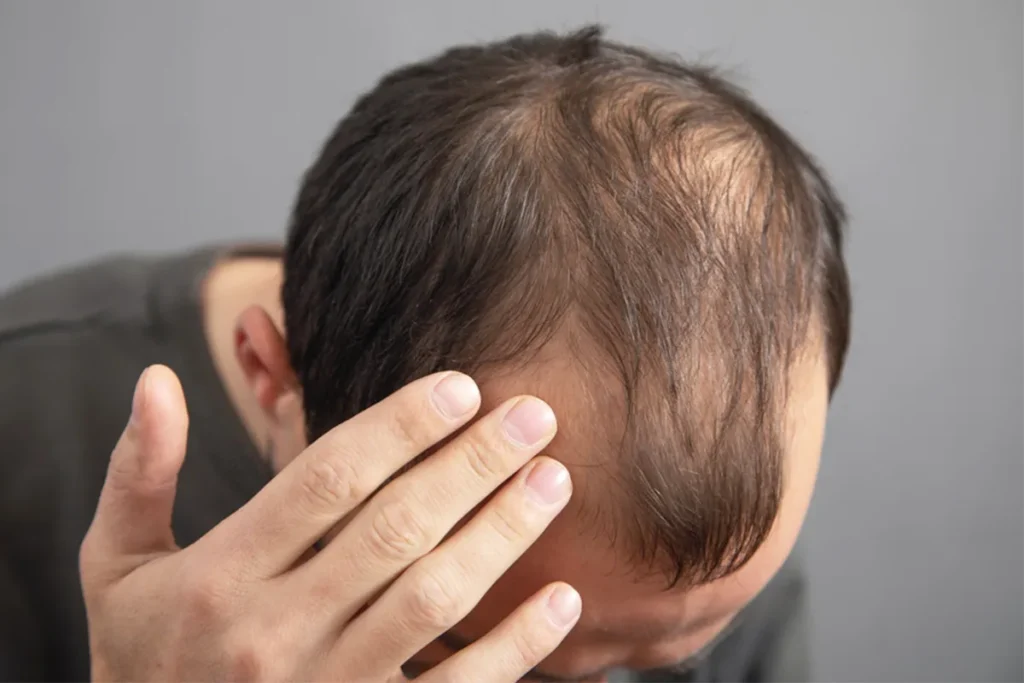
Experiencing hair loss in your 20s can be upsetting. But, it’s more common than you might think. Studies show that about 25% of young men see signs of male pattern baldness by their mid-twenties.
Spotting hair loss early and getting medical help quickly can really help. It can slow down hair loss and keep your hair. With the right information and early action, you can manage your hair health.
Belangrijkste opmerkingen
Approximately 25% of men experience visible signs of male pattern baldness before age 21.
Early intervention is key to stop hair loss from getting worse.
FDA-approved treatments like minoxidil and finasteride work well if started early.
Knowing the reasons behind hair loss can help you keep your hair and confidence.
This guide will cover the causes, signs, and ways to stop balding.
De eerste tekenen van haaruitval herkennen
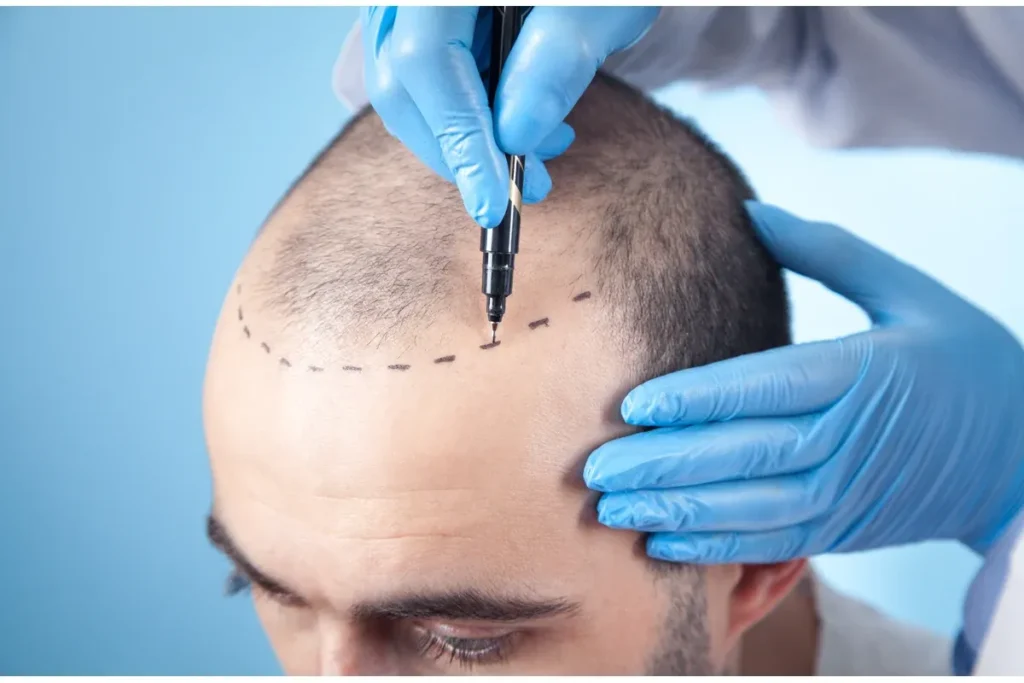
Losing hair in your 20s is more common than you think. Knowing the early signs can make a big difference. Hair loss at a young age can be upsetting, but knowing what to look for can help you act fast.
The Prevalence of Hair Loss in Young Men
Hair loss in young men is more common than people think. Studies show that about 25% of men experience hair loss before age 21. By age 35, this number jumps to 66%.
This condition is mainly due to androgenetic alopecia, or male pattern baldness. It’s responsible for over 95% of hair loss in men.
Common Signs of Balding at 20
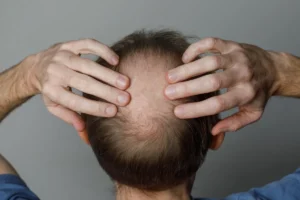
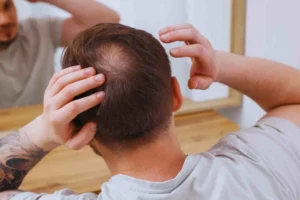
It’s important for young men in their 20s to know the early signs of balding. Look out for a receding hairline, temple recession, or diffuse thinning at the crown. Spotting these signs early can help you catch hair loss before it gets worse.
Knowing these signs and how common hair loss is in young men can help you take action. Catching hair loss early is the best way to deal with it.
Understanding Why You’re Losing Hair in Your 20s

Losing hair in your 20s can be upsetting. But knowing why it happens is the first step to fixing it. Hair loss at a young age comes from genetics, hormones, and lifestyle.
Genetics and Male Pattern Baldness
Genetics are key in male pattern baldness, or androgenetic alopecia. This condition is caused by hair follicles being sensitive to DHT, a form of testosterone. If your family has a history of baldness, you might lose hair in your 20s.
Key factors to consider:
Family history of baldness
Sensitivity to DHT
Hormonale onbalans
The Role of DHT in Hair Thinning
DHT, a strong form of testosterone, causes hair loss by shrinking follicles. This makes hair thinner and shorter. Knowing about DHT is key to stopping hair thinning.
Lifestyle Factors Accelerating Hair Loss
Stress, bad diet, smoking, and not getting enough nutrients can make hair loss worse. Eating well, managing stress, and avoiding bad habits can help.
Simple changes can make a big difference:
Eat a balanced diet rich in iron, zinc, and biotin
Manage stress through meditation or exercise
Avoid smoking and too much alcohol
By knowing why you lose hair and making smart lifestyle choices, you can stop more hair loss. This helps promote healthy hair growth.
Effective Strategies to Stop Hair Thinning
To stop hair thinning, you need to act fast and know what works. When you’re 20 and worried about balding, finding the right strategies is key.
Clinically Proven Medications
Two FDA-approved drugs are great for hair loss: minoxidil and finasteride. Minoxidil helps hair grow and slows loss. Finasteride stops DHT, a hormone that causes thinning. Starting treatment early can really help.
Veranderingen in voeding en levensstijl
Eating right and living healthy are also important. Foods full of biotin, vitamin D, and iron help your hair. Less stress and no smoking also help your hair stay healthy.
The Importance of Early Intervention
Starting treatment early is very important. The sooner you act, the less hair you’ll lose. Early treatment helps keep your hair thick and full.
Using medicines, eating well, and living healthy, and starting early, can help with hair loss in early 20s and more.
Conclusie
Hair loss in your twenties can be upsetting. But, it’s something you can handle with the right steps. Knowing the signs of balding early and understanding why it happens lets you take charge of your hair.
Using proven treatments and making lifestyle changes can really help. Starting early is important to keep the hair you want. These steps can stop hair loss and boost your confidence.
You have the power to keep your hair healthy. With the right treatment and a commitment to change, you can start a journey to bring back your hair’s natural beauty. Start your journey to a full head of hair and shine with confidence.
FAQ
What are the early signs of hair loss in young men?
Early signs of hair loss in young men include a receding hairline and thinning at the crown. These signs are important to notice early. This way, you can start taking steps to prevent hair loss.
Why is my hair thinning in my 20s?
Hair thinning in your 20s can be due to genetics and lifestyle. Genetics are a big factor in male pattern baldness. Stress, poor nutrition, and smoking can also make hair loss worse.
How can I stop balding at 20?
To stop balding at 20, use proven treatments like minoxidil and finasteride. Also, make healthy lifestyle choices and reduce stress. Starting early is key to effective treatment.
Is hair loss in my 20s a common issue?
Yes, hair loss in your 20s is more common than you might think. Knowing why it happens can help you manage your hair health better.
Can I reverse hair loss in my 20s?
Reversing hair loss is hard, but not impossible. Early treatment and lifestyle changes can slow down or even reverse hair loss.
Welke veranderingen in levensstijl kan ik aanbrengen om de gezondheid van mijn haar te ondersteunen?
Eating well, reducing stress, and avoiding smoking can help your hair. A balanced lifestyle promotes healthy hair growth.
Are there any effective treatments for hair loss in young men?
Yes, treatments like minoxidil and finasteride can slow down or reverse hair loss. They work best when started early.
How can I prevent hair loss in my 20s?
Preventing hair loss in your 20s requires a few steps. Use proven treatments, eat well, and reduce stress. Starting early is essential for prevention.
Referenties
Nationaal Centrum voor Biotechnologie-informatie. Evidence-Based Medisch Inzicht. Opgehaald van https://pubmed.ncbi.nlm.nih.gov/24566563/