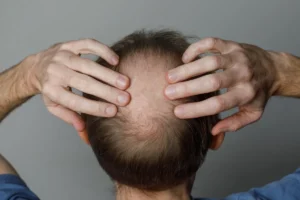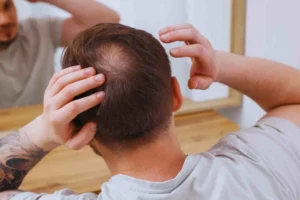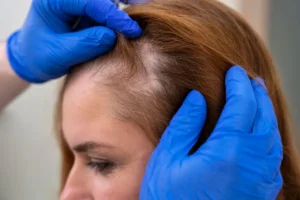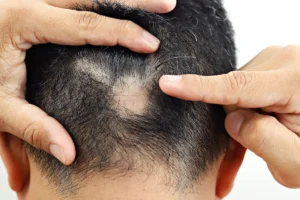
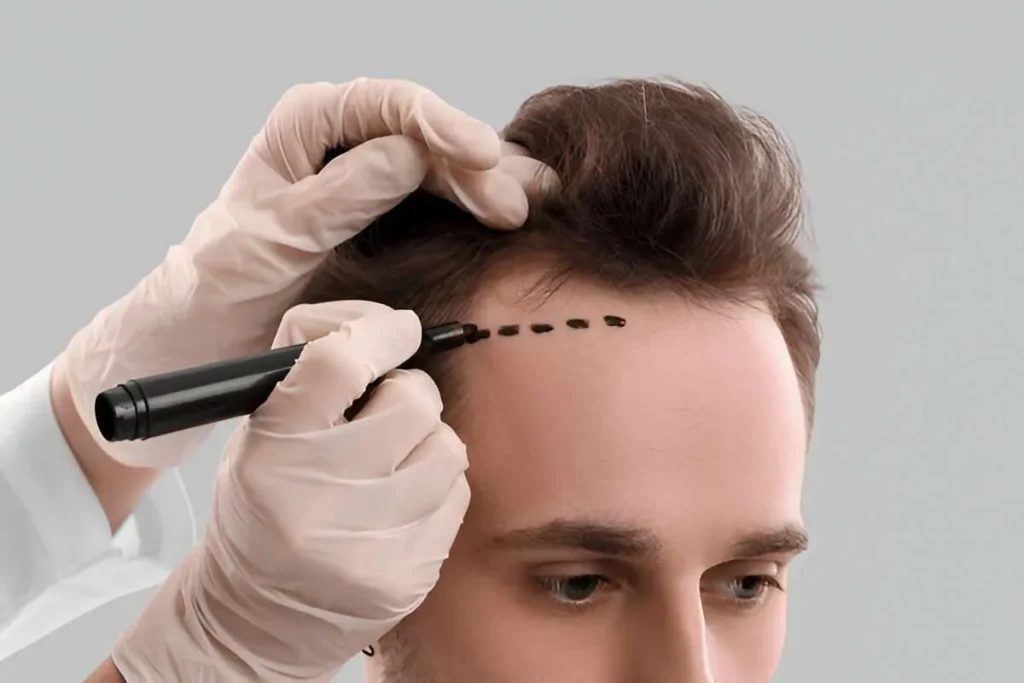
Discover how to unlock your hair’s full beauty by learning about hair density. Medical Expert. This key factor helps you pick the best hair care products and treatments.
With the right information and methods, you can make your hair look fuller and healthier. GoldCity Center uses top-notch technology and international medical skills to offer custom solutions. This guide will show you how to boost your hair density and get a fuller scalp.
Belangrijkste opmerkingen
Understanding hair density is key for scalp health and hair quality.
Hair density is the number of hair strands per square inch of the scalp.
The right hair care products and styling depend on hair density.
There are new ways to make your scalp look fuller.
Custom treatments are available with advanced technologies.
Understanding Hair Density and Its Importance
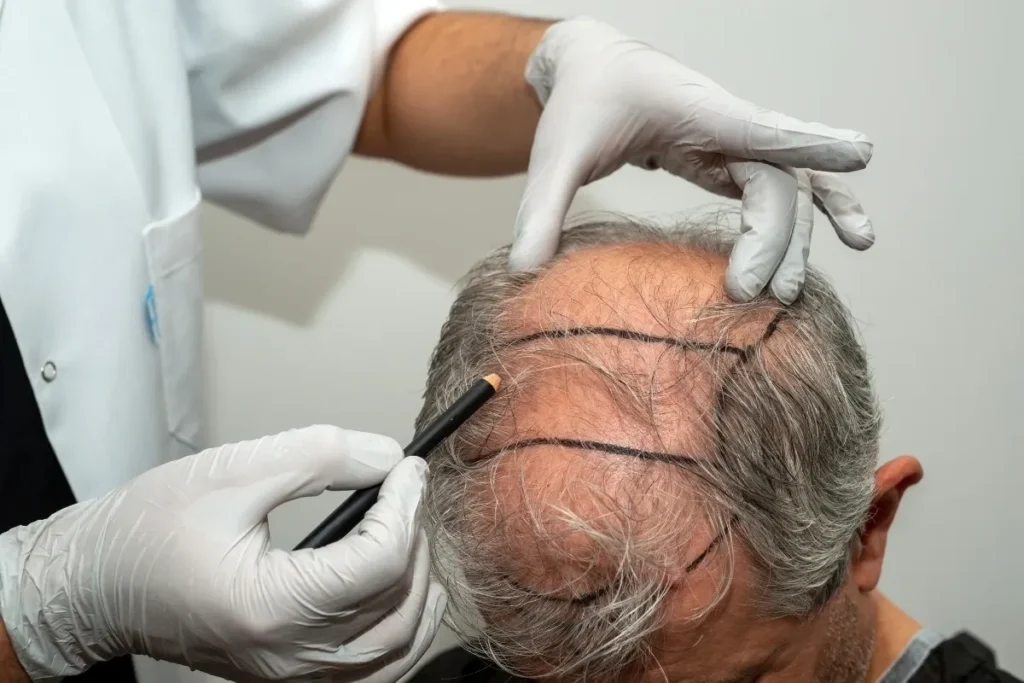
Hair density is a key factor in hair health. It varies a lot among people and ethnic groups. It greatly affects how thick or thin our hair looks.
What Defines Hair Density
Hair density is about how close hair follicles are on the scalp. It’s counted by hairs per square centimeter. A higher density means more hairs, making hair look fuller.
Research has shown that genetics, hormones, and health affect hair density. Knowing these can help tackle hair density issues.
Normal Hair Density Variations by Ethnicity
Hair density differs among ethnic groups. Studies show:
These differences show why it’s key to consider ethnicity when checking hair density.
How to Assess Your Hair Density
You can check hair density with a hair density chart or an online scanner. These tools compare your density to averages.
For a detailed check, see a dermatologist or hair expert. They can give advice tailored to your hair and scalp health.
Common Causes of Low Hair Density
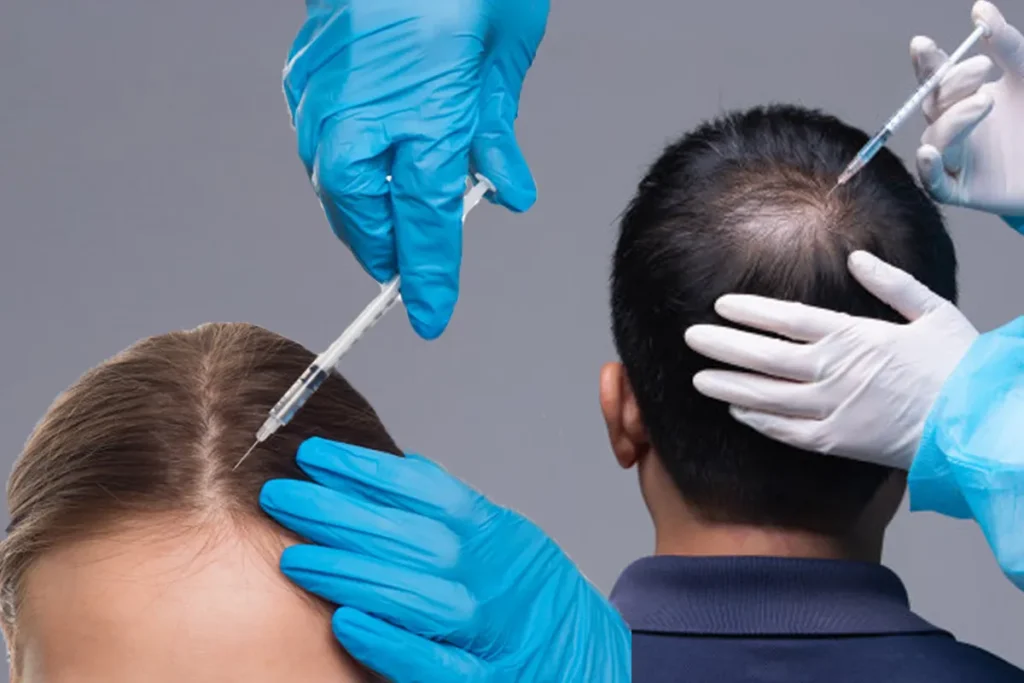
Knowing why hair density is low is key to fixing it. It’s a problem for both men and women. It’s often caused by genetics, hormones, and the environment.
Alopecia androgenetica (haaruitval)
Androgenetic alopecia, or pattern hair loss, is a big reason for low hair density. It happens to about half of the people. It makes hair turn into short, fine hair over time.
This condition runs in families. Hormonal changes, like testosterone turning into DHT, can make it worse. DHT shrinks hair follicles.
Voedingstekorten
Not getting enough nutrients is bad for hair. Iron, zinc, biotin, and vitamin D are important. Eating a balanced diet helps keep hair healthy.
Hormonale onevenwichtigheden
Hormonal changes can hurt hair density. Thyroid problems, PCOS, and menopause are examples. Getting these conditions treated can help your hair.
Stress en omgevingsfactoren
Stress can make hair fall out. It’s because of how our body reacts to stress. Pollution, UV rays, and harsh hair treatments also damage hair.
Fixing low hair density needs a full plan. Knowing the causes helps find the right treatments. This way, people can improve their hair density.
Effective Low Density Hair Treatment Options
Find the best treatments for low-density hair and start your journey to thicker, healthier locks. Low-density hair can be tough, but the right treatment can make your hair fuller.
Medische ingrepen
Medical treatments offer hope for those with low-density hair. Two top treatments are:
Platelet-rich Plasma (PRP) Therapy: This treatment injects platelet-rich plasma (PRP) into your scalp. PRP comes from your own blood and boosts hair growth.
Pharmaceutical Interventions: Minoxidil and Finasteride are proven to grow hair and slow loss. Minoxidil is applied to stimulate follicles, and Finasteride blocks DHT, a hormone that causes hair loss.
Topical Solutions and Supplements
Topical solutions and supplements also help improve hair density. Some effective options are:
Low-Level Laser Therapy (LLLT): LLLT devices use low-level laser or light to stimulate hair growth by increasing scalp blood flow.
Hair Growth Serums: Serums with biotin, keratin, and saw palmetto nourish the scalp and promote hair growth.
Nutritional Supplements: Supplements with biotin, vitamin D, and omega-3 fatty acids support hair health and density.
Lifestyle Modifications for Improved Hair Density
Changing your lifestyle can also help improve hair density. Consider these changes:
Reduce Stress: High stress can lead to hair loss. Try yoga, meditation, or deep breathing to reduce stress.
Maintain a Balanced Diet: Eat fruits, vegetables, whole grains, and lean proteins to nourish your hair.
Avoid Harsh Hair Treatments: Limit heat styling, chemical treatments, and tight hairstyles to prevent damage and loss.
By using these treatments and making lifestyle changes, you can increase your hair density and get a fuller, healthier head of hair.
Conclusion: Creating Your Hair Density Improvement Plan
Your journey to glowing hair begins now. Knowing your hair density and its reasons helps you pick the best treatments. A hair density chart is great for checking your progress.
To boost your hair density, learn about high density hair and how to get it. The right mix of medical care, topical treatments, and lifestyle changes can help. This way, you can feel more confident about your hair.
Now, it’s time to make your own plan. First, check your hair density and find out why it’s low. Then, choose the best treatments for you. With a solid plan and the right steps, you’ll get the thick, beautiful hair you’ve always wanted.
FAQ
What is hair density, and why is it important?
Hair density is how many hair follicles you have on your scalp. It shows how healthy your scalp and hair are. It affects how your hair looks and how easy it is to manage.
How can I determine my hair density?
You can check your hair density by looking at your scalp. Part your hair and count the hairs in a section. A stylist or dermatologist can give a more precise check.
Can low hair density be treated, and if so, how?
Yes, low hair density can be treated. You can use medicine, creams, supplements, and change your lifestyle. These methods help grow hair, strengthen follicles, and improve scalp health.
What are the common causes of low hair density?
Low hair density often comes from androgenetic alopecia, not eating right, hormonal issues, and stress. Fixing these problems helps increase hair density.
Are there any supplements that can help improve hair density?
Yes, supplements like biotin, vitamin D, and keratin can help hair grow and increase density. But, talk to a doctor before taking any supplements.
Can stress really affect hair density?
Yes, stress can lead to hair loss and lower density. High stress raises cortisol, which harms hair follicles and can cause hair to fall out.
How long does it take to see improvements in hair density?
Seeing hair density improvements takes time. It depends on the person, the cause of hair loss, and the treatment’s success. Being consistent and patient is important.
Is it possible to increase hair density naturally?
Yes, you can naturally improve hair density. Eating well, reducing stress, and using gentle hair products can help hair grow and increase density.
Can hair density be increased after hair loss due to androgenetic alopecia?
Androgenetic alopecia is hard to reverse, but treatments can slow hair loss. They might even help new hair grow.
Referenties
National Center for Biotechnology Information. Evidence-Based Medical Insight. Retrieved from https://pubmed.ncbi.nlm.nih.gov/30837473/