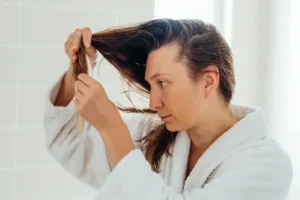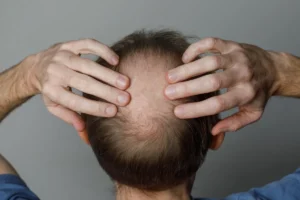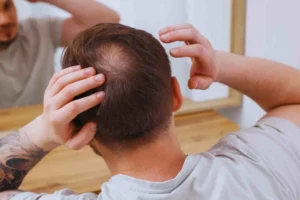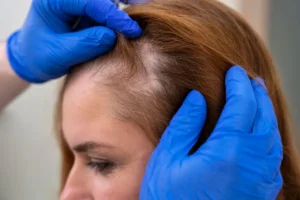
More and more people are looking for ways to stop hair loss, a problem that affects millions. A new treatment, Low Level Laser Therapy (LLLT), is showing promise. It’s a non-invasive method that’s different from traditional medicines.
Studies have found that LLLT can really help. It leads to more hair density and growth in both men and women.
Devices approved by the FDA have shown to be about 80% effective in real-life use. This makes LLLT a good choice for those dealing with hair loss. By learning about LLLT, we can see its benefits and what it can’t do. This helps people make smart choices about their haarverzorging.
Belangrijkste opmerkingen
LLLT is a non-invasive treatment for hair loss.
Clinical studies show significant increases in hair density and regrowth.
FDA-approved devices have demonstrated 80% clinical effectiveness.
LLLT is a viable option for both men and women experiencing hair loss.
Understanding the science behind LLLT is key for making informed treatment choices.
Understanding Low Level Laser Therapy Hair Loss Treatment
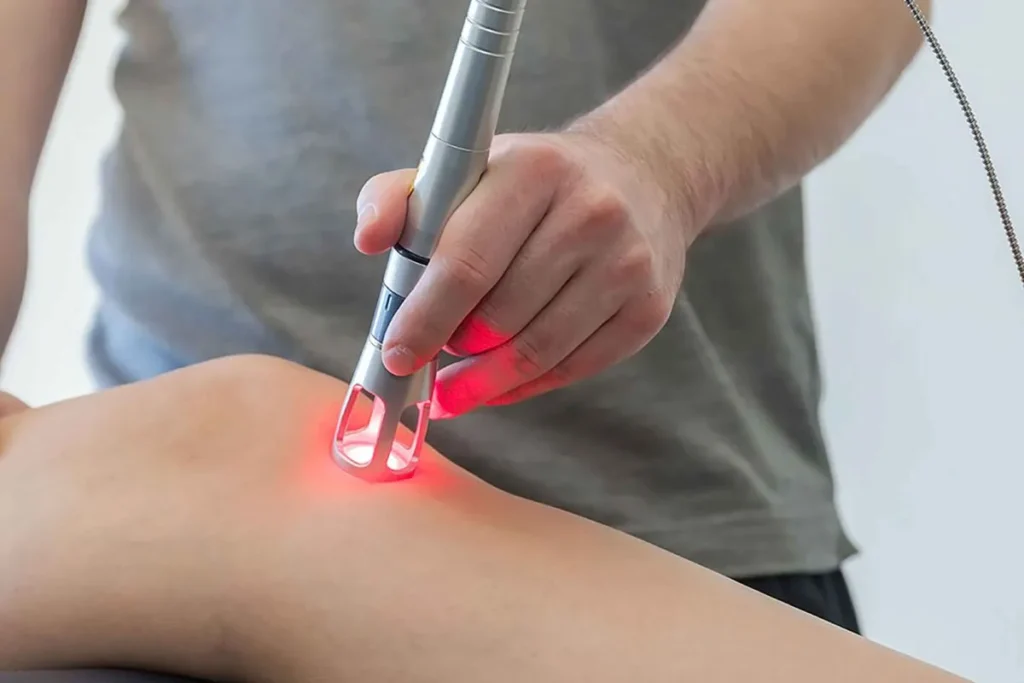
Low Level Laser Therapy (LLLT) is a new way to fight hair loss. It uses low-intensity red or near-infrared light to help hair grow. This makes it a great choice for those looking for a non-invasive solution.
What is LLLT and How Does It Work?
LLLT boosts blood flow to the scalp and increases energy in cells. This helps wake up hair follicles and makes hair healthier and thicker. It’s a non-invasive treatment that strengthens hair follicles, leading to denser hair and less shedding.
The secret behind LLLT’s success is its ability to boost cell activity in hair follicles. LLLT devices use low-level laser or light-emitting diodes to deliver photobiomodulation. This encourages hair growth by extending the active growth phase of hair.
Types of Hair Loss Most Responsive to LLLT
LLLT works best for androgenetic alopecia (male/female pattern baldness) and other non-scarring hair loss types. It’s important to remember that LLLT might not work as well for scarring alopecia or hair loss caused by other medical conditions.
Knowing the type of hair loss you have is key to seeing if LLLT will work for you. Talking to a healthcare professional can help figure out the best treatment for your hair loss.
The Science Behind LLLT’s Effectiveness
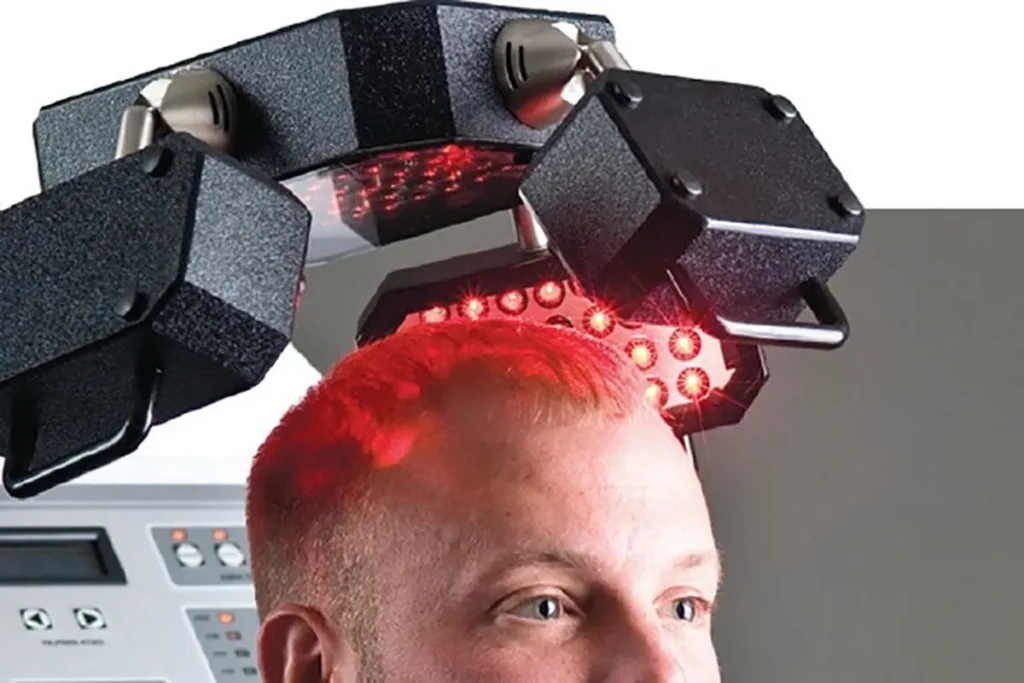
Exploring the science of LLLT helps us grasp its role in hair growth and loss treatment. Low Level Laser Therapy (LLLT) is gaining attention for its hair loss benefits. Research is shedding light on how it works on hair follicles.
Mechanism of Action on Hair Follicles
LLLT boosts hair growth by improving blood flow to the scalp. This increases oxygen and nutrient delivery to hair follicles. It uses low-level laser or light-emitting diodes (LEDs) to emit red or near-infrared light.
The exact way LLLT works is complex, affecting many biological pathways. Studies show it can boost hair growth genes, reduce inflammation, and move hair follicles into growth phase.
Clinical Studies and Research Evidence
Many clinical studies have looked into LLLT’s hair loss treatment, showing positive results. These studies found LLLT can increase hair density and diameter, mainly in pattern hair loss.
These studies suggest LLLT could be a good treatment for hair loss. Understanding LLLT’s science helps healthcare providers and patients make better choices.
Real-World Results and Treatment Options
Many studies and real-world cases show LLLT works well for hair loss. It’s a non-invasive, popular choice for those losing hair.
Success Rates in Clinical Settings
LLLT has shown great success in clinics, with about 80% of people seeing improvements in hair loss. This is a big win for those looking for a less invasive option.
Studies have found LLLT boosts hair growth and slows down hair loss. It does this by improving blood flow to the scalp, creating a better environment for hair to grow.
FDA-Approved Devices for Home Use
In 2020, 32 FDA-approved LLLT devices were available for home use. This includes caps, helmets, and laser combs, giving people many options.
Having these devices at home makes it easier for people to use LLLT as part of their hair care routine. This could lead to better results and more happiness.
LLLT Compared to Minoxidil and Finasteride
LLLT is often compared to minoxidil and finasteride. While these treatments have their benefits, LLLT offers a non-pharmacological option that can be used alongside other treatments.
By comparing these treatments, people can make better choices for their hair loss. LLLT’s unique method and high success rate make it a strong option for many.
Conclusion: Is LLLT Worth Trying?
Low Level Laser Therapy (LLLT) is a promising treatment for hair loss. It’s safe and effective for those struggling with hair regrowth. It works by stimulating hair follicles, leading to thicker and longer hair.
Studies show LLLT is effective for hair growth. FDA-approved devices make it easy to use at home. It’s a better choice than some traditional treatments because it’s non-invasive and shows great results.
LLLT is a good option for those losing hair. It’s safe and can help restore your hair’s natural beauty. Adding LLLT to your hair care routine could make your hair shine and boost your confidence.
FAQ
What is Low Level Laser Therapy (LLLT) and how does it work for hair loss?
LLLT is a non-invasive treatment that uses low-intensity red or near-infrared light. It stimulates hair growth by increasing blood flow to the scalp. This helps to reactivate dormant hair follicles and promote healthier, thicker hair.
Is LLLT effective for all types of hair loss?
LLLT works best for androgenetic alopecia. This condition affects about 50% of men over 40 and 75% of women over 65. It may not work as well for other hair loss types, like alopecia areata or hair loss from certain medical conditions.
How long does it take to see results from LLLT for hair loss?
Studies show LLLT can increase hair density and diameter in 12-24 weeks. But, results can vary. Consistent treatment is key to keeping the results.
Are there any FDA-approved LLLT devices available for home use?
Yes, many FDA-approved LLLT devices are available for home use. They are safe and effective, making treatment convenient.
How does LLLT compare to other hair loss treatments like minoxidil and finasteride?
LLLT is as effective as minoxidil and finasteride in treating hair loss. It’s non-invasive and has fewer risks. Using LLLT with these treatments can improve their effectiveness.
Is LLLT a permanent solution for hair loss?
LLLT is not a permanent cure for hair loss. It helps stimulate hair growth and improve density. To keep results, consistent treatment is needed, often with other treatments.
Are there any side effects associated with LLLT for hair loss?
LLLT is generally safe, with few side effects. Some might experience mild scalp irritation or dryness. These effects are usually temporary and go away on their own.
Can LLLT be used in combination with other hair loss treatments?
Yes, LLLT can be used with other hair loss treatments. This combination can lead to better results and improve hair health.
How often should I use an LLLT device for hair loss?
The frequency of LLLT treatment varies. It’s usually recommended 2-3 times a week. Sessions last 15-30 minutes.
Referenties
National Center for Biotechnology Information. Role of Low-Level Light Therapy (LLLT) in Androgenetic Alopecia. Retrieved from https://pmc.ncbi.nlm.nih.gov/articles/PMC8906269/