Many women worry about their healthy hairline because it affects how they feel about themselves. Unlike men, women’s hairlines tend to stay softer and more rounded as they age.
What does a normal female hairline look like? Learn amazing secrets to maintaining a healthy, youthful edge with these powerful tips.
Knowing what a normal hairline looks like is the first step to caring for your hair. Genetics and aging are big reasons for hair loss. Some people are more likely to lose hair because of their genes.
By learning about a healthy hairline female and using natural care, you can keep your hairline looking great. This way, you can celebrate your unique schoonheid.
Belangrijkste opmerkingen
Understanding the characteristics of a normal female hairline is key to hair health.
Genetics and aging play big roles in hairline health.
Natural care can help keep your hairline strong.
A healthy hairline boosts confidence and beauty.
Embracing your unique beauty is important for self-acceptance.
Understanding the Normal Female Hairline
A normal female hairline has many features that show its health and look. It’s not just where it sits on the forehead. It’s also about how thick and even it is.
Kenmerken van een gezonde haarlijn
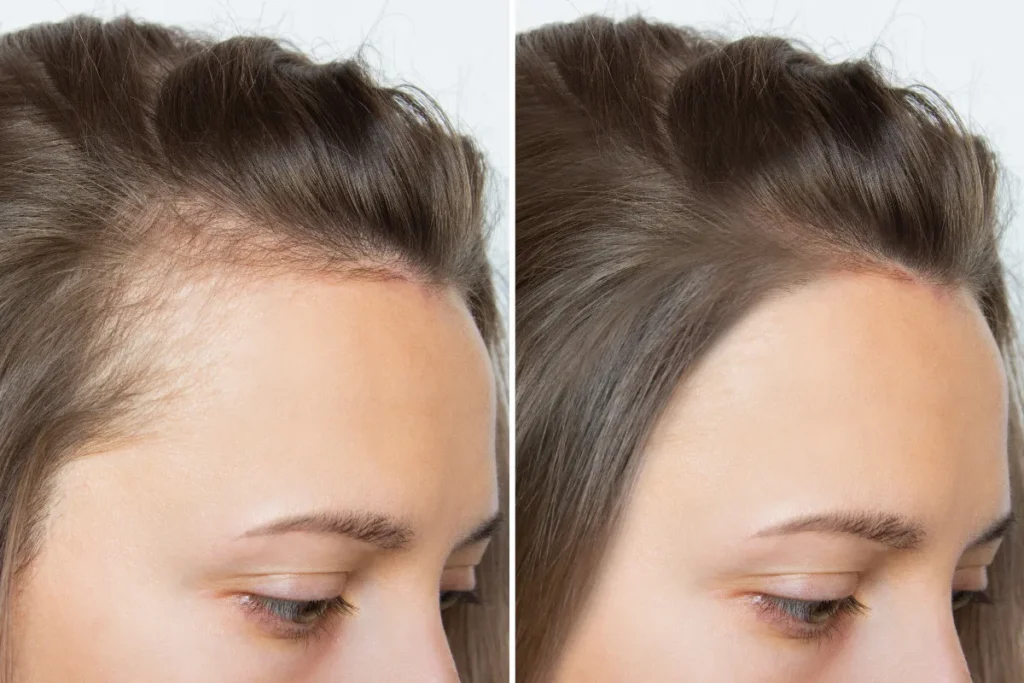
A healthy hairline has a lot of fine, soft hairs at the edges. These hairs get thicker as you move back. It should look even and smooth across the forehead.
The hair should spread out evenly, without thinning or bald spots. A healthy hairline looks vibrant and well-cared for, showing good genetics too.
The Ideal Female Hairline Measurements
There’s no single perfect measurement for a female hairline. But, a general rule is that the space between eyebrows and hairline is about 5-6 centimeters. This can change based on face shape and hair type.
Common Changes in Women’s Hairlines Over Time
Women’s hairlines often change due to aging and hormonal shifts. On average, a woman’s hairline moves back by 2 millimeters each year. This change is often small and not noticed.
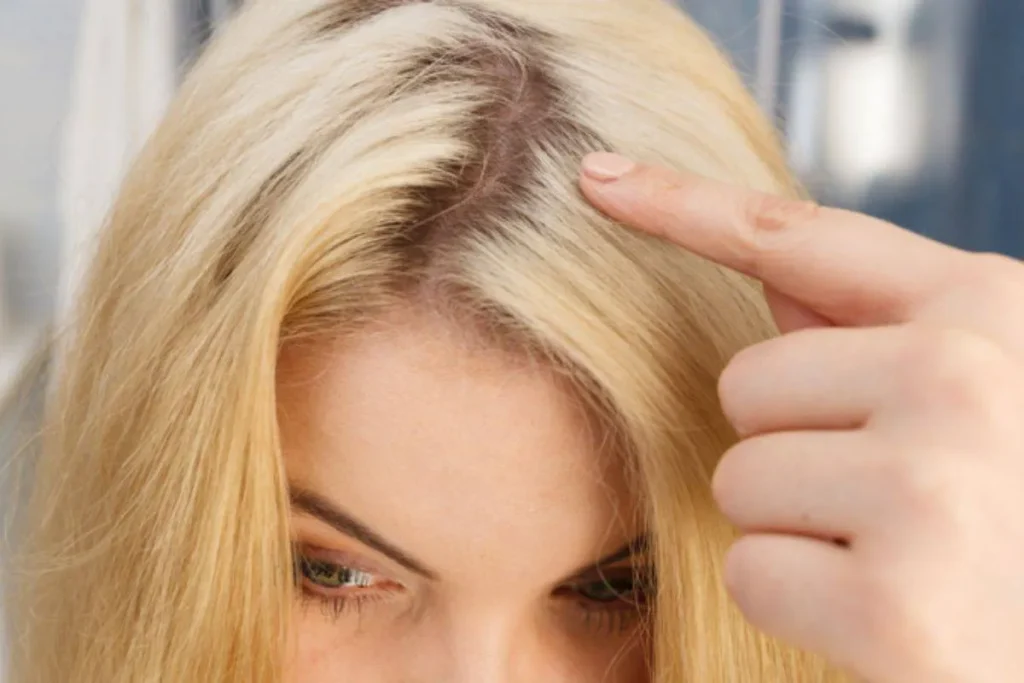
Hormonal changes during pregnancy, menopause, or PCOS can also affect hair growth. This might make a woman’s hairline seem to recede.
Knowing about these changes helps keep a hairline healthy. By understanding what affects hairline health, women can take steps to keep their hair looking its best.
Different Types of Female Hairlines
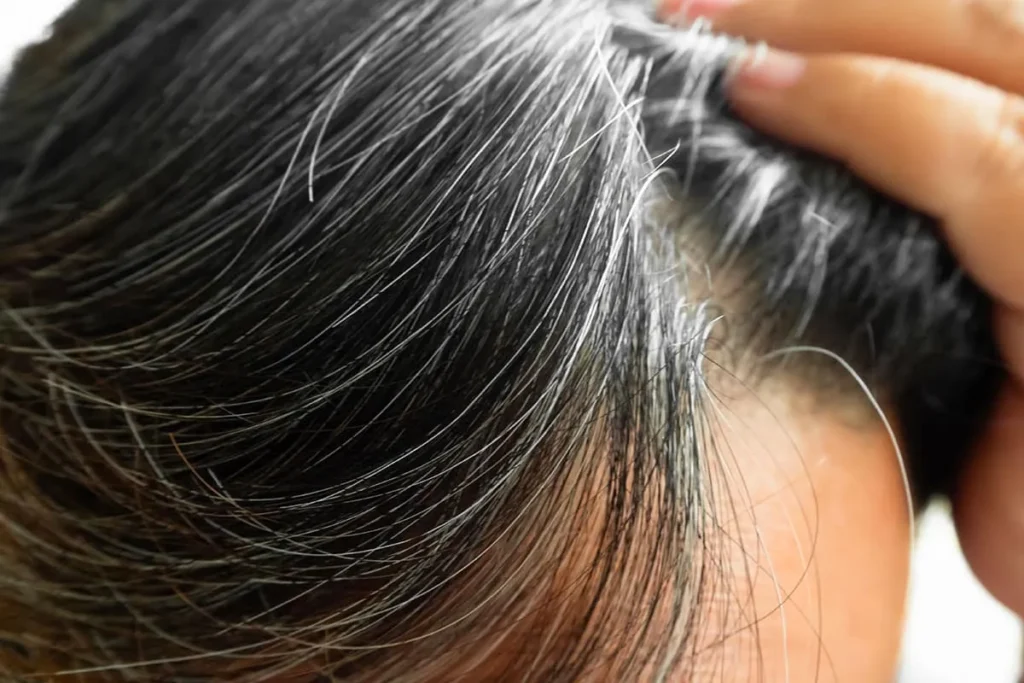
Female hairlines come in many shapes and sizes. Knowing the different types helps find the right solutions. The shape and position of a woman’s hairline greatly affect her look and confidence.
Low, Middle, and High Hairlines
Female hairlines can be categorized by their height. A low hairline is near the eyebrows. A high hairline is farther away. The middle hairline is in the middle, balancing the two extremes.
Widow’s Peak, Straight-lined, and Bell-Shaped Patterns
Hairlines also differ in shape. A widow’s peak has a V-shaped dip. A straight-lined hairline is, as the name says, straight. A bell-shaped hairline curves like a bell. Each shape has its own beauty and can be a unique feature.
Receding and Uneven Hairlines in Women
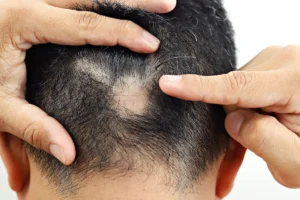
Some women have a receding hairline, where the hairline moves back. This can happen due to hair loss or thinning. An uneven hairline is when one side is higher or more recessed than the other. Both can be fixed with the right hair care and styling.
Identifying Your Current Hairline Type
To find out your hairline type, look at it in a mirror. Note its height and shape. You can also get advice from a hair professional. Knowing your hairline type is the first step to getting the look you want.
Natural Methods to Achieve Your Ideal Hairline
Getting a normal female hairline naturally means understanding hairline problems and trying effective treatments. If you have a high hair line, there are ways to lower it naturally.
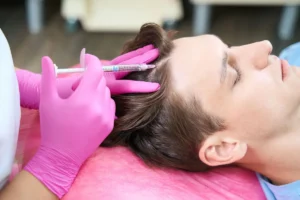
Non-surgical methods like PRP therapy and topical medications can help hair grow and look better. PRP therapy is popular because it uses your own platelet-rich plasma to grow hair.
For serious cases, hair transplants are a lasting fix. They move hair from the back and sides to the thinning area. This makes your hairline fuller and more natural. Knowing what a normal female hairline looks like helps you choose the right treatment.
Trying these natural methods and treatments is the first step to your ideal hairline. It boosts your beauty and confidence.
FAQ
What is considered a normal female hairline?
A normal female hairline is soft and curved. It’s not too high or too low. It’s symmetrical and has a lot of hair.
Can females experience a receding hairline?
Yes, women can have a receding hairline, though it’s rare. Hormonal imbalances, genetics, and hairstyles can cause it.
What causes an uneven hairline in women?
An uneven hairline in women can come from genetics, hormonal changes, and tight hairstyles. It can also happen due to hair loss from medical issues or aging.
How can I lower my hairline naturally?
To lower your hairline naturally, eat well, reduce stress, and avoid tight hairstyles. Treatments like PRP therapy and certain medications can also help.
Wat zijn de kenmerken van een gezonde haarlijn?
A healthy hairline has lots of hair, is symmetrical, and fits your hairline type. It’s not too high or too low and doesn’t have too much hair loss.
Are there different types of female hairlines?
Yes, there are many types of female hairlines. They include low, middle, and high hairlines, and shapes like widow’s peak and straight-lined. Knowing your hairline type helps with any concerns.
What are the ideal measurements for a female hairline?
The ideal hairline height varies, but a moderate height with a gentle curve is best. Avoiding hairlines that are too high or too low is key.
Can a high hairline be treated?
Yes, a high hairline can be treated. Options include non-surgical treatments like medications and PRP therapy, or surgical hair transplants. The right treatment depends on the cause.
Referenties
Nationaal Centrum voor Biotechnologie-informatie. Evidence-Based Medisch Inzicht. Opgehaald van https://www.ncbi.nlm.nih.gov/books/NBK513312/[3