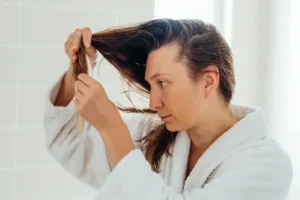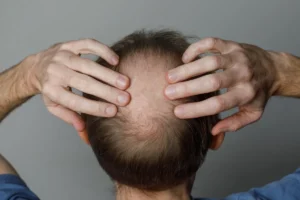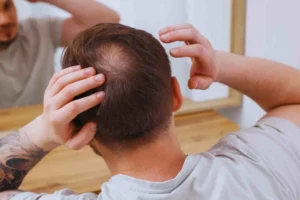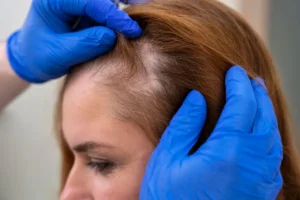
Millions of people deal with a sensitive scalp and hair loss at the same time. Knowing the causes and effective treatment options can improve scalp health and boost confidence.
Get the best sensitive scalp and hair loss treatment today. Use these amazing, powerful steps to soothe your skin and regrow thick hair.
About 32 percent of those with scalp issues face tenderness. This can include pain, inflammation, and itching. At places like GoldCity Center, evidence-based medical approaches help tackle these problems.
Understanding scalp sensitivity and hair loss can help. These issues can stem from skin problems, allergies, or chemical treatments.
Belangrijkste opmerkingen
Scalp tenderness affects a significant percentage of individuals with trichological disorders.
Symptoms of scalp tenderness include pain, inflammation, and irritation.
Evidence-based medical approaches can effectively treat sensitive scalp and hair loss.
Understanding the underlying causes is key for effective treatment.
Trusted healthcare providers offer cutting-edge treatment options.
Understanding the Link Between Scalp Sensitivity and Hair Thinning
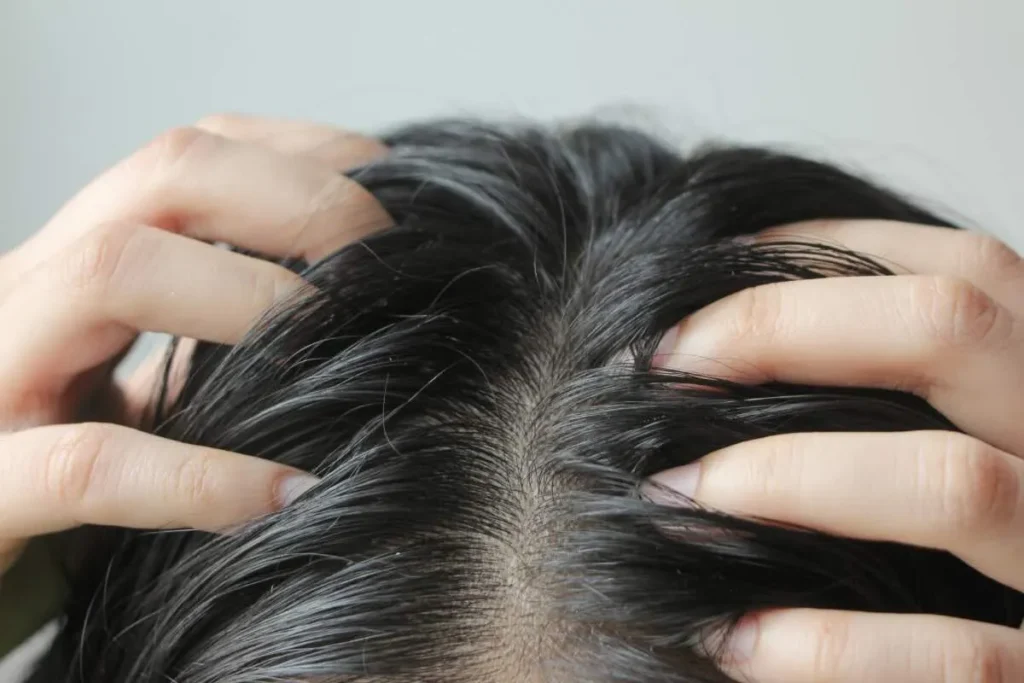
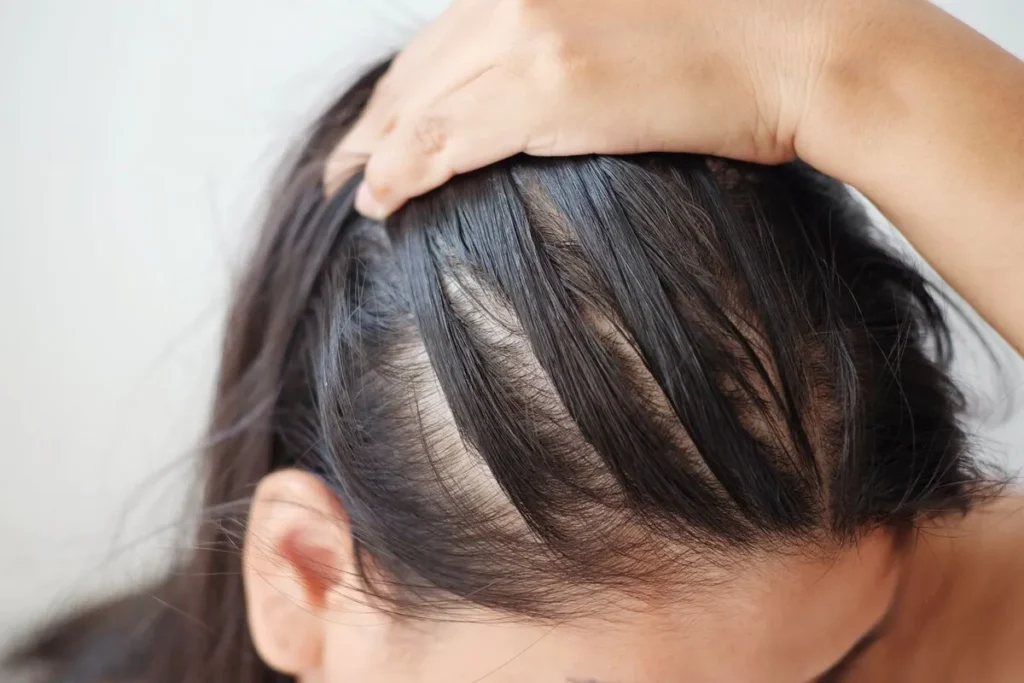
Scalp sensitivity and hair thinning are closely related. Many factors can cause this condition. It’s important to understand this link for effective treatment.
Prevalentie en demografie
Scalp sensitivity is common among those with hair loss. Studies show a large number of people with hair loss also have scalp sensitivity.
Demographic analysis shows it affects many age groups. The rates vary among different populations.
Common Symptoms: Trichodynia, Pain, and Itching
The main symptom is trichodynia. Most patients feel pain or burning. Some also itch. These symptoms can really affect daily life.
Types of Hair Loss Most Affected by Scalp Sensitivity
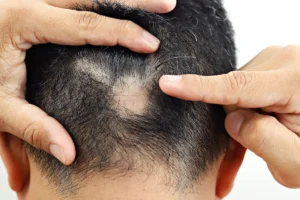
The American Academy of Dermatology says telogen effluvium and alopecia areata are most linked to scalp sensitivity. Knowing this helps in finding the right treatments.
By understanding the connection between scalp sensitivity and hair thinning, people can find better treatments. This can improve scalp health and help keep more hair.
Root Causes of Sensitive Scalp and Hair Loss
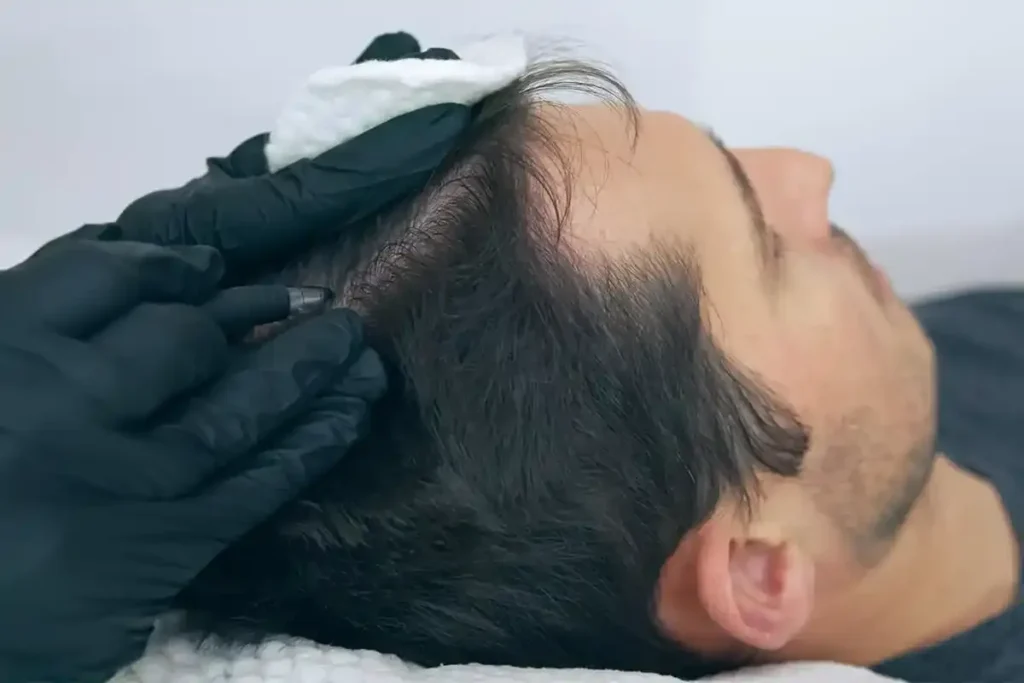
Scalp sensitivity and hair loss are linked to several key factors. These include neurogenic inflammation and scalp dryness. It’s important to know what causes these problems.
Neurogenic Inflammation Pathophysiology
Neurogenic inflammation is a big player in scalp sensitivity. It happens when neuropeptides from nerve endings cause inflammation and discomfort. Stress, allergic reactions, and environmental irritants can trigger this. Conditions like psoriasis and eczema can make scalp sensitivity worse because they increase inflammation.
Telogen Effluvium Connection
Telogen effluvium is a condition where you lose a lot of hair. It’s often caused by stress, hormonal changes, or not getting enough nutrients. This condition can also make your scalp sensitive. For example, stress can cause both telogen effluvium and make your scalp more sensitive.
Dry Scalp and Sore Scalp Conditions
Dry scalp and sore scalp are common problems. A dry scalp can come from not enough moisture, harsh hair products, or the environment. It can make your scalp itch and hurt, making hair loss worse. Using gentle, moisturizing products and avoiding harsh chemicals can help.
Understanding the causes of sensitive scalp and hair loss is the first step to treating it. Fixing these problems is key to keeping your scalp healthy and stopping hair loss.
Effective Sensitive Scalp and Hair Loss Treatment Options
Getting a healthy scalp and thick hair needs a special treatment plan. This plan helps with sensitive scalp and hair loss. It makes your scalp healthy and keeps your hair from falling out.
Gentle Cleansing and Moisturizing Protocols
Start by using a gentle shampoo for your sensitive scalp. Choose mild, sulfate-free shampoos. Moisturizing is also key to soothe and hydrate your scalp, reducing irritation.
Experts say adding a scalp serum or moisturizer with aloe vera, coconut oil, or shea butter helps a lot. Being consistent with gentle care and moisturizing can really improve your scalp and hair.
Medicated Solutions for Symptom Relief
When gentle care isn’t enough, medicated solutions can help a lot. Shampoos with ketoconazole, saw palmetto, or tea tree oil are good. They fight inflammation and fungal infections.
Professional Interventions and When to Seek Help
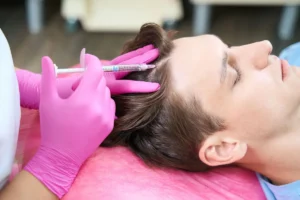
If your scalp and hair loss problems don’t get better, see a professional. Dermatologists and trichologists can give you personalized advice. They can also diagnose and suggest treatments like low-level laser therapy (LLLT) or platelet-rich plasma (PRP) therapy.
Know when you need a pro’s help. If you’re in pain, losing a lot of hair, or your symptoms get worse, a specialist can guide you.
Conclusion: Long-term Management for Scalp Health and Hair Retention
Caring for a sensitive scalp is key to feeling better and growing healthy hair. Keeping your scalp healthy helps prevent hair loss and other scalp problems.
By taking a whole-body approach to scalp care, you can manage your scalp health well. This means using gentle cleansers and moisturizers, trying medicated treatments, and seeing a professional if needed.
Understanding the causes of sensitive scalp and hair loss is the first step to better scalp health. By doing this, you can achieve a glowing look and lasting beauty. This leads to healthy hair and boosts your confidence.
FAQ
What is the main cause of scalp sensitivity and hair loss?
Scalp sensitivity and hair loss can come from many sources. These include skin issues, allergies, and chemical treatments. Knowing the cause is key to finding a good treatment.
How does scalp sensitivity affect hair thinning?
Scalp sensitivity can make hair thinner by causing inflammation. It damages hair follicles and messes with the hair growth cycle. This can lead to conditions like telogen effluvium.
What are the common symptoms of scalp sensitivity and hair loss?
Symptoms include scalp pain, itching, redness, and flaking. Some people might feel a burning or tenderness on their scalp.
Can dry scalp cause hair loss?
Yes, a dry scalp can lead to hair loss. It causes irritation, inflammation, and flaking. These can harm hair follicles and stop hair growth.
What are the best treatment options for sensitive scalp and hair loss?
Good treatments include gentle hair care and medicated solutions. Low-level laser therapy or platelet-rich plasma therapy can also help.
How can I manage scalp sensitivity and promote hair retention?
To manage scalp sensitivity and keep hair, adopt a holistic approach. Use gentle hair care, manage stress, and eat well. Regular scalp massages and gentle products are also helpful.
Is it normal to experience hair shedding with a sensitive scalp?
Yes, hair shedding is common with a sensitive scalp. But, too much shedding might mean you need medical help.
Can a sore scalp lead to hair loss?
Yes, a sore scalp can cause hair loss. The soreness and inflammation can harm hair follicles, leading to thinning and loss.
How can I soothe a tender scalp and promote hair growth?
To soothe a tender scalp and help hair grow, use gentle, nourishing products. Avoid heat styling and do scalp massages. A balanced diet full of vitamins and minerals also supports hair health.
Referenties
National Center for Biotechnology Information. Evidence-Based Medical Insight. Retrieved from https://pubmed.ncbi.nlm.nih.gov/25842469